

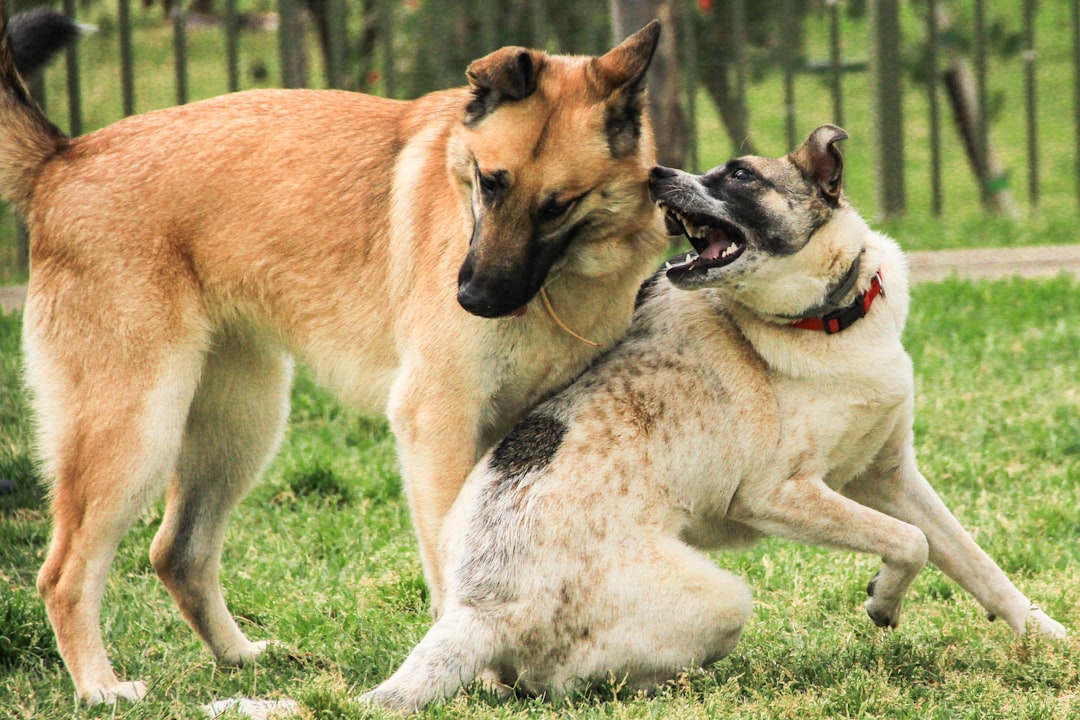
When Max, my two-year-old Labrador, launched himself through the screen door for the third time chasing a squirrel, I found myself googling the same desperate question thousands of pet parents ask every day: does neutering a male dog calm him down? Between the mounting behaviors, the territorial marking inside my house, and the relentless energy that seemed immune to three-mile runs, I wondered if surgical intervention was the magic switch everyone claimed it to be.
The relationship between neutering and canine behavior remains one of the most misunderstood topics in veterinary care. While many owners expect an immediate transformation from hyperactive hooligan to gentle lapdog, the reality involves complex hormonal shifts, individual temperament factors, and realistic timeline expectations. This comprehensive guide explores what actually happens to your male dog’s behavior after neutering, separating fact from fiction while helping you make an informed decision about your companion’s health and happiness.
The Quick Answer: What Neutering Actually Does to Behavior
Let’s address the burning question directly: does neutering a male dog calm him down? The answer is nuanced. Neutering (surgical removal of the testicles) eliminates testosterone production, which can reduce hormone-driven behaviors like roaming, mounting, and aggression toward other males. However, neutering is not a behavioral cure-all, nor does it replace training, exercise, or mental stimulation.
Testosterone influences approximately 60-70% of sexually dimorphic behaviors in male dogs. When these hormone levels drop post-surgery, many owners notice decreased interest in escaping the yard to find females, reduced leg-lifting frequency, and less intense reactions to other intact males. Yet core personality traits—playfulness, intelligence, and energy levels—typically remain intact.
Understanding Canine Hormones: The Science Behind the Calm
To understand why neutering affects behavior, we must examine how testosterone influences the canine brain. This hormone binds to receptors in the amygdala and hypothalamus, regions governing aggression, territoriality, and sexual behavior. High testosterone levels lower aggression thresholds while increasing drive for resource guarding and mate-seeking.
The 48-Hour Myth vs. Reality
Many owners expect immediate changes, but hormonal decline happens gradually. Testosterone levels drop significantly within hours of surgery, but residual hormones can circulate for weeks. Additionally, learned behaviors—habits formed over months or years—don’t disappear instantly even when the hormonal drive diminishes.
Behavioral studies indicate that dogs neutered before sexual maturity (around six months) show different behavioral trajectories than those neutered after developing mature patterns. Early neutering often prevents the establishment of marking and roaming habits entirely, while late neutering requires unlearning established behaviors.
Does Neutering a Male Dog Calm Him Down? Breaking Down the Timeline
Understanding the behavioral timeline helps set realistic expectations. Here’s what typically happens:
Weeks 1-2: Recovery Phase
Immediately post-surgery, your dog may actually appear calmer due to anesthesia recovery and prescribed rest restrictions. This temporary sedation shouldn’t be confused with permanent behavioral changes. During this period, focus on preventing licking and keeping your dog mentally stimulated without physical exertion.
Weeks 3-6: Hormonal Shifts
As testosterone clears the system, you may notice the first genuine changes. Roaming urges typically diminish first, followed by decreased mounting frequency. However, stress from recovery can temporarily increase anxiety-related behaviors like whining or restlessness.
Months 2-6: Behavioral Stabilization
By the two-month mark, most hormone-driven behaviors have significantly decreased. Dogs often show improved focus during training sessions and reduced reactivity to female dogs in heat. This is when owners typically report the “calming” effect they’ve been waiting for.
What Behaviors Change (and What Doesn’t)
When asking does neutering a male dog calm him down, it’s crucial to distinguish between hormone-driven behaviors and those rooted in training, genetics, or environment.
Behaviors That Typically Improve:
Neutering reliably reduces urine marking inside the home, roaming tendencies that lead to escape attempts, inter-male aggression (particularly around females in heat), and inappropriate mounting of furniture or guests. Many dogs also show decreased possessiveness over toys and food when these behaviors were testosterone-aggravated.
Behaviors That Require Training:
General hyperactivity, leash pulling, destructive chewing, and separation anxiety rarely resolve through neutering alone. These issues stem from insufficient exercise, lack of mental stimulation, or anxiety disorders requiring behavioral modification programs. If your dog destroys furniture due to boredom, neutering won’t provide the stimulation he needs.
The Exercise Factor
High-energy breeds like Border Collies, Australian Shepherds, and Jack Russell Terriers remain high-energy after neutering. Testosterone reduction doesn’t eliminate the genetic drive for physical activity. Owners must continue providing adequate exercise regardless of surgical status.
When Hyperactivity Isn’t Hormonal: Ruling Out Physical Discomfort
Before assuming your dog needs neutering for behavioral issues, consider whether physical discomfort drives the restlessness. Chronic allergies, skin irritations, and digestive issues cause significant discomfort that manifests as inability to settle, excessive licking, or irritability.
Dogs experiencing allergic reactions often display behaviors mistaken for hyperactivity: constant movement to find comfortable positions, agitation from itching, or disrupted sleep leading to overtired crankiness. In these cases, addressing immune health proves more effective than hormonal intervention.
Supporting your dog’s immune system during behavioral transitions—whether post-neutering or during training—can improve overall wellbeing. ROROCA Allergy Chews offer comprehensive support with a 6-strain Probiotic Blend that promotes gut health (where 70% of immune function resides), Salmon Oil for anti-inflammatory omega-3s, and botanicals like Licorice Root Extract and Curcuma Longa Extract (Turmeric) that soothe systemic inflammation. Echinacea Extract provides additional immune modulation, helping your dog maintain balanced energy levels and comfort during behavioral modification periods.
Age Matters: Timing and Behavioral Outcomes
Veterinary consensus suggests that timing significantly impacts behavioral results. Dogs neutered before puberty (6 months) rarely develop hormone-driven habits, essentially preventing rather than curing behavioral issues. However, recent research indicates that waiting until physical maturity (12-24 months depending on breed) may benefit orthopedic development in large breeds.
For adult dogs with established behavioral patterns, neutering serves as one component of a comprehensive behavior modification plan. The procedure removes hormonal fuel from unwanted behaviors, but male dog aggression and marking behaviors that have become habitual require consistent training to eliminate completely.
Post-Neutering Care: Supporting Your Dog’s Transition
Maximizing the calming benefits of neutering requires proper aftercare and environmental management. The recovery period offers an opportunity to reinforce calm behaviors and establish new routines.
Mental Stimulation During Rest
Since physical activity must be restricted for 10-14 days post-surgery, provide puzzle feeders, frozen Kongs, and scent games to prevent frustration buildup. Mental exercise tires dogs more effectively than physical exercise alone and promotes the calm demeanor you’re seeking.
Managing the “Zoomies”
Some dogs experience temporary increased activity 3-5 days post-surgery as anesthesia fully clears and they feel better. This doesn’t mean the procedure failed—it’s simply healing energy. Maintain strict exercise restrictions during this phase to prevent incision complications.
Long-term Wellness
Post-neutering metabolism changes require dietary adjustments to prevent weight gain, which can cause lethargy mistaken for calmness. Monitor your dog’s body condition and adjust portions accordingly. Regular exercise remains essential for dog neutering recovery and aftercare, maintaining muscle tone and mental health.
Alternatives to Neutering for Behavioral Management
If you’re hesitant about surgery or have a breeding-quality dog with minor behavioral concerns, several alternatives exist. Chemical castration (implants that temporarily suppress testosterone) allow trial periods to observe behavioral changes. These typically last 6-12 months and are reversible.
Behavioral training remains essential regardless of neutering status. Working with a certified positive-reinforcement trainer addresses the root causes of hyperactivity and aggression. Natural calming techniques for anxious dogs, including pheromone diffusers, thunder shirts, and structured routine implementation, provide non-surgical support for anxious or high-energy dogs.
Frequently Asked Questions
How long after neutering does a male dog calm down?
Most owners notice significant behavioral changes within 6-8 weeks post-surgery as testosterone levels stabilize. However, learned behaviors like marking may take 3-6 months of consistent training to fully eliminate. Individual variation depends on the dog’s age, breed, and how long behaviors were practiced before neutering.
Will neutering stop my dog from being aggressive?
Neutering reduces hormone-driven aggression toward other intact males and competitive behaviors, but it doesn’t eliminate fear-based aggression, resource guarding, or poorly socialized behaviors. Aggression requires professional behavioral assessment to determine root causes and appropriate training protocols.
Does neutering help with separation anxiety?
No, neutering typically doesn’t improve separation anxiety and may temporarily increase anxiety during the recovery period. Separation anxiety stems from attachment issues and lack of confidence when alone, requiring desensitization training and potentially veterinary behavioral intervention.
Why is my dog more hyper after neutering?
Short-term hyperactivity (3-7 days post-surgery) usually results from feeling better after anesthesia wears off, restricted exercise creating pent-up energy, or medication side effects. If hyperactivity persists beyond one month, consult your veterinarian to rule out pain, complications, or underlying thyroid issues.
Can neutering make a dog more anxious?
While rare, some dogs experience temporary confidence reduction after neutering due to hormonal fluctuations. These dogs may appear more submissive or anxious for 4-8 weeks. Supporting these dogs with consistent routines, positive reinforcement, and immune-supporting supplements helps them adjust to their new hormonal baseline.
Is it ever too late to neuter for behavioral benefits?
It’s never too late to gain some behavioral benefits, though older dogs (5+ years) with long-established habits show less dramatic changes than younger dogs. Senior dogs still benefit from reduced prostate disease risk and eliminated testicular cancer risk, even if marking behaviors persist.
Conclusion
So, does neutering a male dog calm him down? The procedure reduces testosterone-driven behaviors like roaming, marking, and inter-male aggression, but it doesn’t replace exercise, training, or mental stimulation. Think of neutering as removing hormonal obstacles to good behavior rather than installing an “off switch” for energy.
Before scheduling surgery, rule out physical causes of restlessness like allergies or discomfort, and consider supporting your dog’s overall wellness with quality supplements during recovery. Whether you choose neutering or alternative management strategies, patience, consistent training, and understanding your individual dog’s needs remain the foundations of a well-behaved, calm companion. Consult your veterinarian to discuss timing and expectations specific to your dog’s breed, age, and current behavior patterns.