

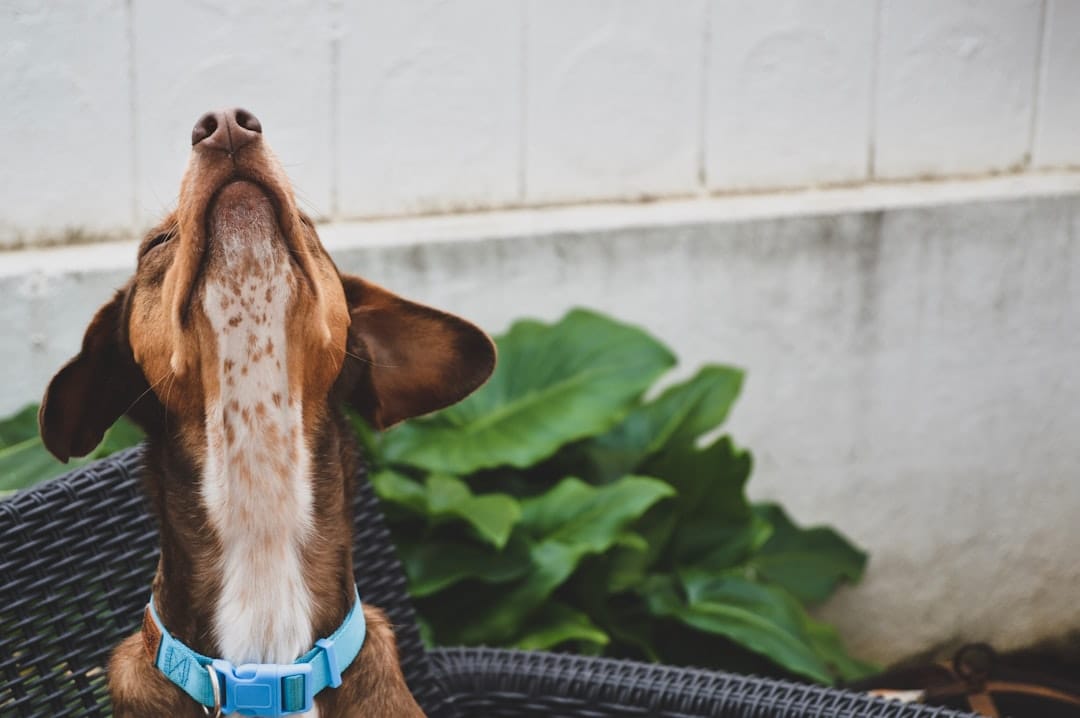
When Max started pacing relentlessly at 3 AM, his owner Sarah thought it was just thunderstorm anxiety. But after weeks of persistent scratching, ear shaking, and restless behavior, she discovered the hidden connection between his seasonal allergies and heightened stress levels. If you’re searching for solutions on how to calm an anxious dog, understanding this mind-body connection might be the missing piece of your pet care puzzle.
This comprehensive guide explores evidence-based techniques to soothe your furry companion, from immediate calming strategies to long-term wellness solutions that address both anxiety and underlying allergy triggers.
Understanding the Root Causes of Canine Anxiety
Canine anxiety manifests in various forms, ranging from situational stress triggered by fireworks or vet visits to chronic generalized anxiety disorders. Before exploring how to calm an anxious dog, it’s essential to identify what’s driving your pet’s distress.
Environmental factors often play a significant role. Dogs experiencing chronic allergy symptoms frequently develop secondary anxiety due to constant physical discomfort. When skin irritation, ear infections, or digestive upset from food sensitivities persist, your dog’s nervous system remains in a heightened state of alert.
Common Anxiety Triggers in Dogs
Separation anxiety tops the list of behavioral concerns, affecting approximately 20-40% of dogs referred to veterinary behaviorists. Noise phobias, particularly sensitivity to thunderstorms and fireworks, create seasonal spikes in anxious behavior. Additionally, rescue dogs with unknown histories may display anxiety rooted in previous trauma or inadequate socialization.
Physical health directly impacts mental wellbeing. Dogs suffering from undiagnosed allergies often exhibit restless behavior, excessive licking, and sleep disturbances that mimic or exacerbate anxiety disorders. Addressing these underlying health issues becomes crucial for comprehensive anxiety management.
Recognizing the Signs: Is Your Dog Anxious or Uncomfortable?
Distinguishing between behavioral anxiety and physical discomfort requires careful observation. While learning how to calm an anxious dog, you’ll need to decode your pet’s specific communication signals.
Classic anxiety indicators include trembling, excessive panting, drooling, destructive behavior, and attempts to escape. However, dogs experiencing allergic reactions may display similar restlessness due to itching, gastrointestinal distress, or respiratory discomfort. The key difference often lies in timing and accompanying physical symptoms.
| Behavior | Anxiety-Related | Allergy-Related |
|---|---|---|
| Excessive scratching | Rare, nervous habit | Constant, focused on irritated areas |
| Restless sleeping | Pacing, whining | Difficulty settling due to skin irritation |
| Paw licking | Self-soothing behavior | Obsessive, causing staining or hair loss |
| Shaking/trembling | During storms or separations | After eating trigger foods |
If you notice persistent scratching alongside anxious behaviors, consulting your veterinarian about potential environmental or food allergies should be your first step before implementing behavioral interventions.
Immediate Techniques: How to Calm an Anxious Dog Right Now
When your dog enters a panic state during a thunderstorm or fireworks display, you need immediate intervention strategies. These techniques focus on physiological calming through sensory input and environmental modification.
1. Create a Safe Haven
Designate a quiet, interior room as your dog’s anxiety-free zone. Use blackout curtains to block lightning flashes and white noise machines or calming music specifically composed for dogs to mask startling sounds. Add familiar scents through unwashed clothing items carrying your scent, providing olfactory comfort.
2. Apply Gentle Pressure
Pressure therapy works remarkably well for many anxious dogs. Wrap your dog in a properly fitted anxiety wrap or ThunderShirt, which applies gentle, constant pressure similar to swaddling an infant. This pressure triggers the release of calming hormones and reduces heart rate.
3. Engage the Nose
Canine olfactory senses connect directly to the limbic system, which regulates emotions. Offer a long-lasting frozen treat stuffed with soothing ingredients like pumpkin or blueberries. Licking and chewing release endorphins, naturally calming your dog while redirecting nervous energy into a productive activity.
4. Practice Grounding Exercises
Desensitization training during calm periods prepares dogs for stressful events. Play thunderstorm sounds at low volumes while offering high-value treats, gradually increasing volume over weeks. This counter-conditioning transforms scary noises into predictors of good things.
Long-Term Solutions: Building Resilience from the Inside Out
Sustainable anxiety management requires addressing your dog’s physiological health alongside behavioral training. Chronic inflammation from allergies or poor gut health can keep your dog’s nervous system perpetually activated.
Nutritional Support for Nervous System Health
The gut-brain axis plays a crucial role in canine behavior. Dogs with compromised digestive systems often display heightened reactivity and stress responses. Supporting your dog’s microbiome with targeted nutrition can significantly impact their ability to handle stress.
ROROCA Allergy Chews offer a dual-action approach particularly beneficial for anxious dogs with underlying sensitivities. These veterinarian-formulated supplements contain a 6-strain Probiotic Blend that supports healthy gut flora, directly influencing neurotransmitter production including serotonin, often called the “calming chemical.”
The addition of Salmon Oil provides omega-3 fatty acids EPA and DHA, which reduce systemic inflammation and support cognitive function. For dogs experiencing anxiety related to physical discomfort, the Curcuma Longa Extract (Turmeric) and Licorice Root Extract offer natural anti-inflammatory properties that soothe irritated skin and digestive tracts without the side effects of conventional medications.
Furthermore, Echinacea Extract supports immune modulation, helping prevent the cycle of allergic reactions that trigger secondary anxiety. By addressing the root physical causes of discomfort, these chews help create the biological foundation for emotional stability.
Exercise and Mental Enrichment
Physical exertion remains one of the most effective natural anxiety remedies. High-energy breeds require vigorous daily exercise to prevent anxious energy from manifesting as destructive behavior. Beyond physical activity, engage your dog’s problem-solving skills through puzzle feeders, snuffle mats, and training games that build confidence and focus.
The Allergy-Anxiety Connection: Why Your Dog Can’t Settle
Emerging research highlights the intricate relationship between allergic conditions and behavioral health in dogs. When a dog experiences chronic itching, ear infections, or gastrointestinal upset from allergies, their cortisol levels remain elevated. This stress hormone creates a feedback loop where physical discomfort increases anxiety, and anxiety exacerbates inflammatory responses.
Dogs with atopic dermatitis often develop secondary behavioral issues including sleep disturbances, decreased appetite, and hypervigilance. They may become reactive to touch, sound-sensitive, or develop phobias related to their discomfort. Understanding how allergies trigger anxiety responses allows for more comprehensive treatment approaches.
Addressing both conditions simultaneously yields better outcomes than treating anxiety or allergies in isolation. While behavioral modification techniques help your dog cope with stress, eliminating the physical irritants causing their distress provides lasting relief.
Professional Interventions: When to Seek Help
While home management strategies work for mild to moderate anxiety, some dogs require professional intervention. Consult a veterinary behaviorist if your dog exhibits aggression when anxious, causes self-injury through excessive licking or scratching, or if anxiety prevents normal daily activities.
Prescription medications including selective serotonin reuptake inhibitors (SSRIs) or tricyclic antidepressants may be necessary for severe cases. These medications work best when combined with behavior modification protocols and addressing any underlying allergic conditions that may be contributing to your dog’s distress.
Always rule out medical causes before assuming behavior is purely psychological. Thyroid disorders, neurological conditions, and chronic pain can mimic or worsen anxiety symptoms.
Frequently Asked Questions
What is the fastest way to calm an anxious dog during a thunderstorm?
Create a distraction-free safe space in an interior room with white noise playing. Apply gentle pressure through an anxiety wrap, and offer a frozen treat or puzzle toy stuffed with high-value food. Avoid coddling or anxious behavior yourself, as dogs mirror their owners’ emotional states. Stay calm and matter-of-fact while providing physical presence.
Can allergies really cause anxiety in dogs?
Yes, chronic allergies significantly impact canine mental health. Constant itching, ear discomfort, or digestive upset keeps the nervous system in a state of high alert. Dogs cannot understand why they feel miserable, leading to confusion and anxiety. Treating the underlying allergies often results in marked behavioral improvements as the dog’s physical comfort returns.
Are calming treats safe for daily use?
Most natural calming supplements containing ingredients like L-theanine, chamomile, or casein are safe for daily administration. However, products addressing allergy-related anxiety, such as ROROCA Allergy Chews, should be used according to package directions based on your dog’s weight. Always introduce new supplements gradually and monitor for digestive changes.
How long does it take to see improvement in dog anxiety?
Timeline varies based on severity and cause. Environmental modifications and training may show results within 2-4 weeks. Nutritional interventions targeting gut health typically require 6-8 weeks for full effect as the microbiome rebalances. Severe anxiety cases requiring medication need 4-6 weeks for therapeutic levels to build in the bloodstream.
Should I ignore my dog when they’re anxious?
No, ignoring a genuinely distressed dog is counterproductive and can damage your bond. Instead, acknowledge their fear with calm confidence without excessive fussing. Provide comfort through presence and physical pressure if they seek it, but avoid reinforcing panic behaviors with excessive treats or baby talk that might inadvertently reward the anxious state.
Can I use Benadryl to calm my anxious dog?
While diphenhydramine (Benadryl) causes drowsiness in some dogs, it’s primarily an antihistamine for allergies rather than an anti-anxiety medication. It may help dogs whose anxiety stems from allergic discomfort, but it won’t address true behavioral anxiety. Never administer human medications without veterinary guidance regarding dosage and contraindications.
Conclusion
Learning how to calm an anxious dog requires patience, observation, and often a multi-modal approach. Whether your dog suffers from situational stress or chronic anxiety, addressing both their emotional needs and physical health creates the foundation for a happier, more relaxed companion.
Remember that allergies and anxiety frequently coexist, creating a cycle of discomfort that’s hard to break with behavioral training alone. Supporting your dog with comprehensive nutrition like ROROCA Allergy Chews—which targets inflammation, gut health, and immune function—can provide the physiological stability needed for emotional resilience.
Start by identifying your dog’s specific triggers, create a calming environment, and don’t hesitate to consult your veterinarian for personalized guidance. With consistent care and the right support system, even the most anxious dogs can learn to navigate the world with confidence and calm.