

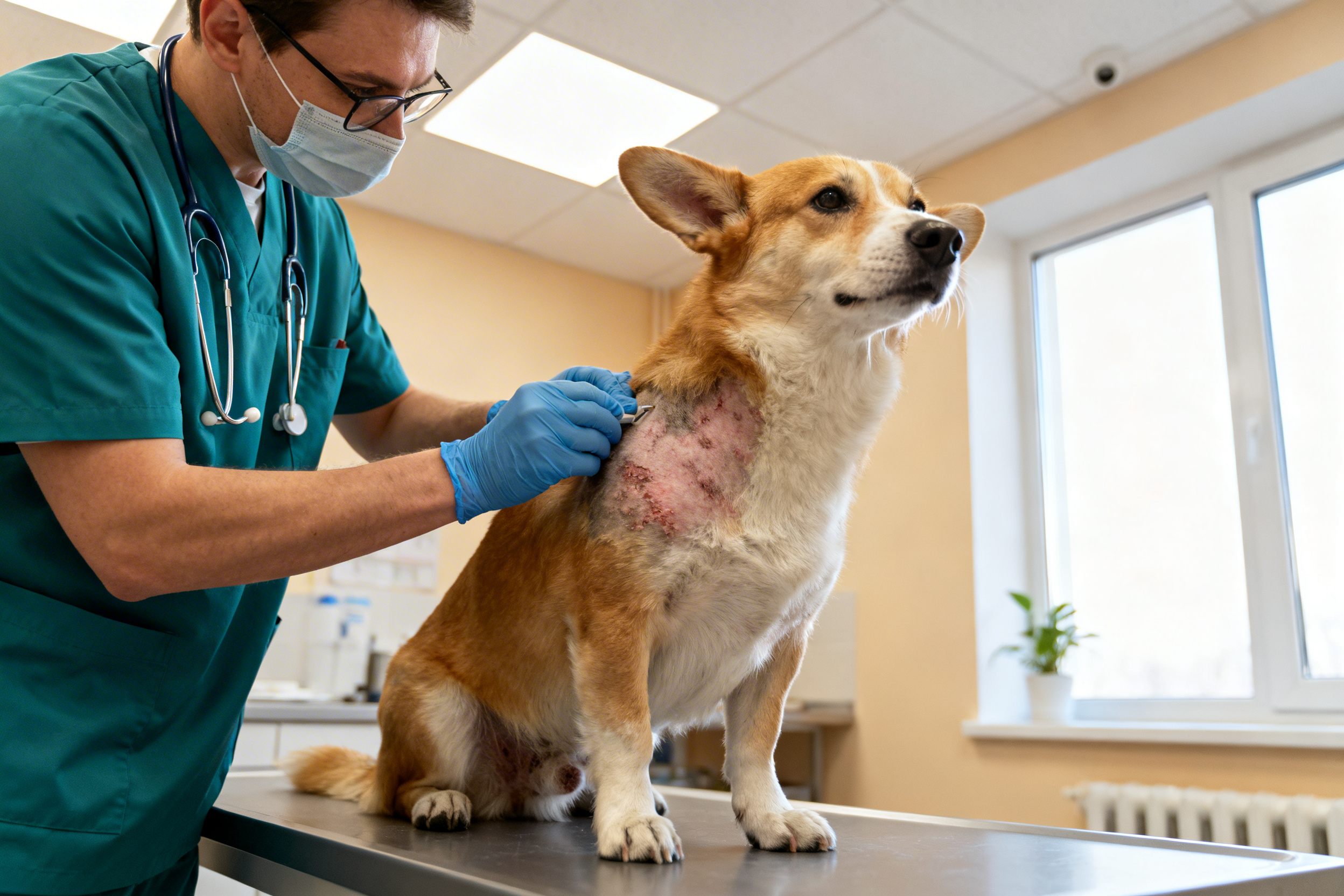
When Max started obsessively licking his paws last April, his owner Sarah assumed it was just a new habit. But as the scratching intensified and red patches appeared on his belly, she realized something was seriously wrong. Like millions of dog owners, Sarah found herself asking: do dogs get seasonal allergies? The answer is yes—and they’re far more common than most pet parents realize. Just like humans, dogs can suffer from allergic reactions to pollen, mold, and environmental changes that shift with the seasons.

If your furry companion is displaying unusual itching, ear infections, or respiratory symptoms during specific times of year, seasonal allergies could be the culprit. Unlike food sensitivities that persist year-round, these environmental allergies flare when particular allergens peak. This comprehensive 2026 guide explores everything you need to know about identifying, treating, and preventing seasonal allergies in dogs, helping your best friend find relief when nature strikes back.


Do Dogs Get Seasonal Allergies? The Complete Answer
Yes, dogs absolutely get seasonal allergies. Veterinarians refer to this condition as canine atopic dermatitis, an inflammatory skin condition triggered by environmental allergens. When your dog inhales or contacts substances like tree pollen, grass, mold spores, or dust mites, their immune system may overreact, releasing histamines that cause itching, inflammation, and discomfort.
Unlike humans who typically experience respiratory symptoms like sneezing and watery eyes, dogs usually manifest seasonal allergies through their skin. This difference often confuses pet owners who expect their dogs to sneeze like they do during allergy season. Instead, you’ll notice excessive scratching, paw chewing, and recurrent ear infections as primary indicators.
The prevalence of seasonal allergies in dogs has increased significantly over the past decade, with veterinary dermatologists reporting that environmental allergies now affect approximately 10-15% of the canine population. Certain breeds including Golden Retrievers, Labrador Retrievers, Bulldogs, and Terriers show higher predispositions, though any dog can develop these sensitivities.
Why Do Dogs Get Seasonal Allergies? Understanding the Science
Canine seasonal allergies operate through a complex immune response. When a sensitive dog encounters an allergen like ragweed pollen, their immune system mistakenly identifies it as a threat. This triggers Immunoglobulin E (IgE) antibodies to attack the substance, causing mast cells to release histamine and other inflammatory chemicals.
This cascade results in the intense itching and skin inflammation characteristic of atopic dermatitis. The skin barrier becomes compromised, allowing secondary bacterial and yeast infections to take hold. This explains why many dogs with seasonal allergies develop recurring hot spots or ear infections that seem resistant to basic treatment.
Common Environmental Triggers by Season
Understanding what triggers your dog’s symptoms requires knowing which allergens peak during different times of year:
Spring Allergens: Tree pollen from oak, cedar, pine, and birch trees typically peaks between March and May. Grass pollens begin emerging in late spring, creating a double burden for sensitive dogs.
Summer Triggers: Grass pollens reach their maximum concentration during June and July. Additionally, mold spores thrive in warm, humid conditions, while dust mites peak during hot summer months.
Fall Challenges: Ragweed dominates autumn allergies, releasing pollen from August through November. Mold spores increase as fallen leaves decompose, creating another surge in environmental allergens.
Winter Considerations: While outdoor allergens decrease, indoor triggers intensify. Dust mites, mold from holiday decorations, and accumulated dander in closed homes can maintain allergy symptoms year-round for some dogs.
Recognizing Common Dog Allergy Symptoms
Identifying seasonal allergies requires watching for specific physical signs that distinguish them from other conditions. While common dog allergy symptoms vary between individuals, most affected dogs display a recognizable pattern of discomfort.
Pruritus, or intense itching, represents the primary symptom. You may notice your dog rubbing against furniture, scratching excessively with their hind legs, or developing a compulsive paw-licking habit that leaves brown staining on light-colored fur. This constant licking and chewing often leads to secondary issues including hair loss, skin thickening, and open sores.
Ear infections frequently accompany seasonal allergies, particularly in floppy-eared breeds. Dogs may shake their heads violently, scratch at their ears, or emit a yeasty odor from the ear canal. These infections often recur monthly during peak allergy seasons, frustrating owners who treat them only to see them return weeks later.
Less obvious symptoms include red, irritated skin on the belly, groin, and armpits. Some dogs develop “allergic salute”—a wrinkled line across the nose from repeatedly pushing their snout against carpets or furniture to relieve itching. Respiratory symptoms like reverse sneezing or watery eyes occur in approximately 20% of allergic dogs, though less commonly than skin manifestations.
Diagnosis: How Vets Confirm Seasonal Allergies
Diagnosing seasonal allergies requires ruling out other conditions with similar presentations. Your veterinarian will first eliminate flea allergy dermatitis, food allergies, and mange through physical examination and basic testing. Seasonal patterns provide crucial clues—symptoms that disappear during winter strongly suggest environmental rather than food triggers.
Intradermal skin testing remains the gold standard for identifying specific allergens. Similar to human allergy testing, veterinarians inject small amounts of common allergens into the skin and monitor reactions. This specialized testing, usually performed by veterinary dermatologists, pinpoints exactly which tree, grass, or weed pollens trigger your dog’s immune system.
Serum allergy testing offers a less invasive alternative, measuring IgE antibodies in blood samples against panels of regional allergens. While convenient, these tests show higher false-positive rates than intradermal testing. Your vet may recommend trial treatments or elimination diets to confirm the diagnosis before pursuing immunotherapy.
Effective Natural Dog Allergy Remedies and Treatments
Treating seasonal allergies requires a multi-modal approach combining immediate relief with long-term immune support. While antihistamines like Benadryl help some dogs, they prove effective for only about 30% of cases. Prescription medications including Apoquel and Cytopoint offer more reliable relief by targeting specific itch pathways without the side effects of steroids.
For pet parents seeking natural dog allergy remedies, several evidence-based options support skin health and immune function. Omega-3 fatty acids from fish oil reduce inflammatory responses, while topical therapies like medicated shampoos remove allergens from the coat and soothe irritated skin. Regular bathing with hypoallergenic or oatmeal-based products during high-pollen weeks can significantly reduce symptom severity.
Many veterinarians now recommend comprehensive allergy supplements that address gut health alongside immune modulation. ROROCA Allergy Chews have emerged as a popular choice among holistic-minded pet owners, featuring a specialized Probiotic Blend with 6 distinct strains to support the gut-skin axis. These chews combine Salmon Oil rich in EPA and DHA fatty acids with botanical anti-inflammatories including Licorice Root Extract and Curcuma Longa Extract (Turmeric). The addition of Echinacea Extract helps regulate immune responses without suppressing the system entirely.
Allergy immunotherapy, commonly called allergy shots, represents the only treatment that potentially cures rather than manages symptoms. Custom-formulated based on skin testing results, these injections gradually desensitize your dog to specific allergens over months or years. Approximately 70-75% of dogs show significant improvement with consistent immunotherapy protocols.
Long-Term Management and Prevention Strategies
Preventing seasonal allergy flare-ups requires environmental management alongside medical intervention. Start by wiping your dog’s paws and coat with damp cloths after outdoor excursions during high-pollen days. This simple habit removes allergens before they penetrate the skin barrier or enter the respiratory system.
Optimize your home environment using HEPA air purifiers in rooms where your dog spends the most time. Wash bedding weekly in hot water to eliminate dust mites and pollen accumulation. Consider keeping windows closed during peak pollen counts, typically between 5 AM and 10 AM, and again around sunset when winds distribute allergens.
Maintain regular grooming schedules with hypoallergenic shampoos that preserve the skin’s natural lipid barrier. Over-bathing strips essential oils, paradoxically worsening allergies by compromising the skin’s protective function. Aim for baths every 1-2 weeks during allergy season, using lukewarm water and thorough rinsing.
Dietary support plays a crucial role in managing canine atopic dermatitis treatment protocols. Novel protein diets or hydrolyzed proteins reduce overall inflammatory burden, while supplements supporting skin barrier function help block allergen penetration. Work with your veterinarian to develop a comprehensive management plan tailored to your region’s specific allergen calendar.
Frequently Asked Questions
Do dogs get seasonal allergies in the winter months?
Yes, though less commonly. Indoor allergens like dust mites, mold spores from heating systems, and stored holiday decorations can trigger winter allergies. Additionally, dogs sensitive to cedar and juniper may react to these evergreen pollens during winter months. If your dog shows year-round symptoms, consider indoor environmental triggers alongside seasonal possibilities.
How can I tell if my dog has seasonal allergies versus food allergies?
Seasonal allergies typically wax and wane with environmental changes, improving during winter months in most climates. Food allergies remain constant year-round and often cause gastrointestinal symptoms alongside skin issues. Food allergies also commonly affect the ears and paws, while seasonal allergies frequently involve the face, belly, and groin. A strict elimination diet trial remains the only definitive way to rule out food allergies.
At what age do dogs develop seasonal allergies?
Most dogs develop seasonal allergies between ages 1 and 3 years, though symptoms can emerge anytime from puppyhood through senior years. The condition requires prior sensitization, meaning your dog must encounter allergens during one season before developing reactions in subsequent years. Puppies under 6 months rarely show true seasonal allergies, instead usually suffering from flea allergies or food sensitivities.
Can I give my dog human allergy medicine like Claritin or Zyrtec?
Some human antihistamines prove safe for dogs, but dosages differ significantly from human recommendations. Never administer allergy medication without veterinary guidance—certain formulations contain decongestants like pseudoephedrine that are toxic to dogs. Even safe antihistamines require weight-based dosing calculations. Additionally, antihistamines help only 30% of allergic dogs, making veterinary consultation essential for effective treatment.
Why does my dog only scratch certain body parts during allergy season?
Dogs typically scratch areas where skin is thinner and allergen contact occurs most frequently. Paws contact grass and pollen directly, while bellies touch ground surfaces during rest. Ears contain delicate skin with abundant blood vessels, making them hypersensitive to circulating inflammatory chemicals. Facial itching occurs because dogs investigate their environment with their noses, directly inhaling and contacting airborne allergens.
Do seasonal allergies get worse as dogs age?
Unfortunately, yes. Seasonal allergies typically progress without intervention, with symptoms intensifying and potentially becoming year-round over time. This phenomenon, called the “allergic march,” occurs as the immune system becomes increasingly sensitized to environmental triggers. Early intervention through immunotherapy or comprehensive management plans offers the best prognosis for preventing progression.
Conclusion
Understanding that do dogs get seasonal allergies opens the door to finding real relief for your suffering pet. These environmental sensitivities represent one of the most common yet misunderstood conditions in veterinary medicine, affecting quality of life for millions of dogs each year. By recognizing early symptoms, working with your veterinarian for accurate diagnosis, and implementing comprehensive management strategies, you can significantly reduce your dog’s discomfort.
Remember that effective treatment usually requires combining approaches—environmental modifications, appropriate medications, and supportive supplements like ROROCA Allergy Chews that target immune health from within. Don’t wait for your dog to scratch themselves raw before seeking help. With the strategies outlined in this guide, you can help your furry friend enjoy every season with comfort and joy. Schedule a veterinary consultation if you suspect seasonal allergies, and start your dog on the path to itch-free living today.