

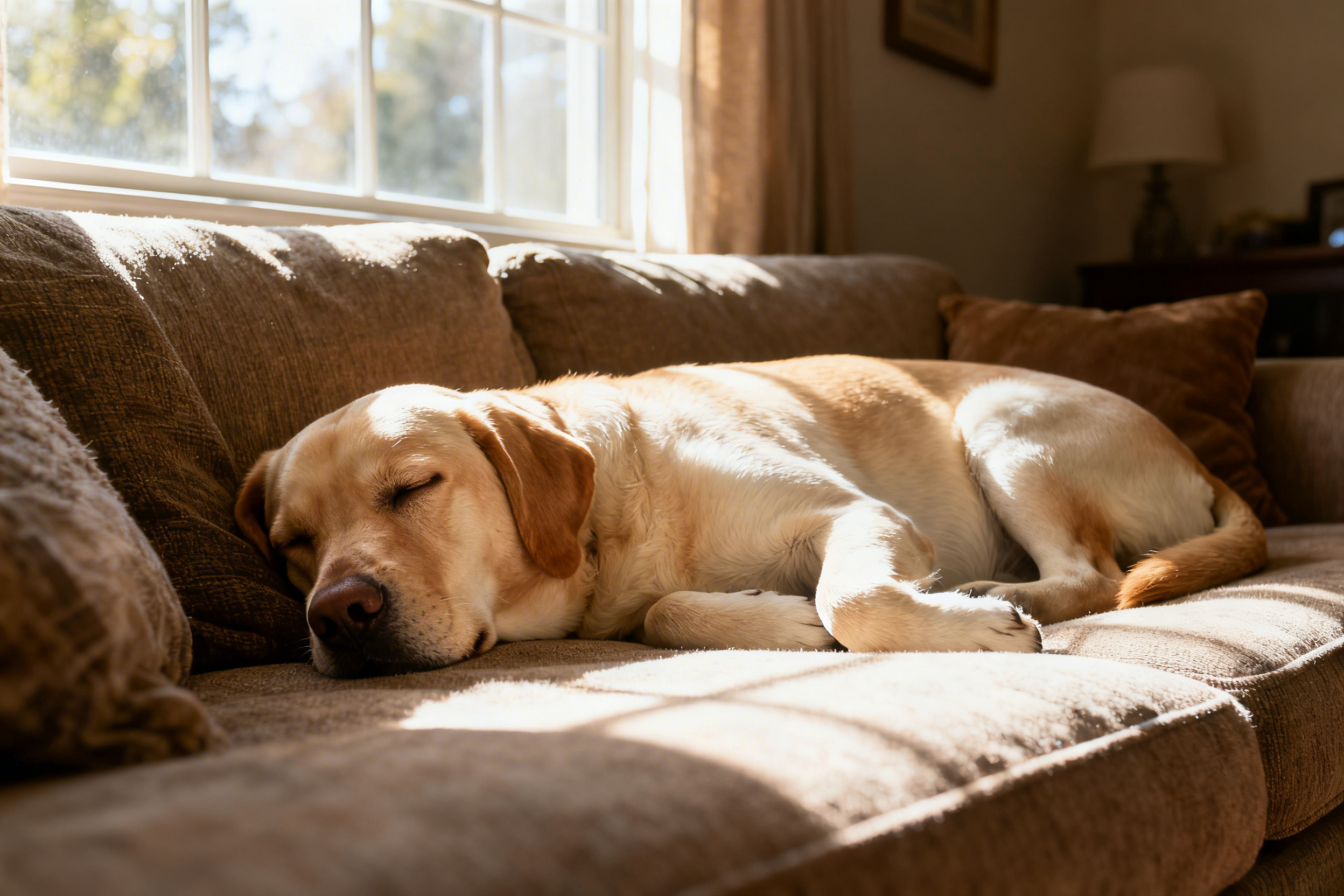
The first time I saw my Labrador, Max, trembling uncontrollably beneath the coffee table during our neighborhood’s Fourth of July display, I felt completely helpless. His eyes were wide, pupils dilated, and no amount of soothing words could stop his frantic panting. If you’ve ever watched your beloved companion suffer through the explosive cracks and brilliant flashes of fireworks season, you know exactly that heart-wrenching feeling of wanting to fix it but not knowing how.
Learning how to calm a dog during fireworks isn’t just about comfort—it’s about preventing potential injury, escape attempts, and long-term psychological trauma. Whether you’re preparing for New Year’s Eve celebrations, Independence Day festivities, or unexpected neighborhood displays, having a comprehensive strategy can transform a terrifying experience into a manageable one for your furry family member.
This guide covers everything from immediate emergency interventions to long-term behavioral conditioning, plus the often-overlooked connection between physical health and anxiety management. By implementing these evidence-based techniques, you’ll create a sanctuary of safety that helps your dog navigate the storm of sound and light.

Why Fireworks Trigger Extreme Fear Responses in Dogs
To effectively address fireworks anxiety in dogs, we must first understand the sensory assault they’re experiencing. Unlike thunderstorms, which dogs can often sense approaching through barometric pressure changes, fireworks arrive without warning. The sudden, concussive booms create shockwaves that dogs feel physically in their chest cavities, triggering primal fight-or-flight responses.
Canine hearing operates at frequencies between 40 Hz and 60,000 Hz—far beyond human capabilities. What sounds like distant popping to us registers as explosive, bone-rattling thunderclaps to them. Additionally, the sulfur smell and acrid smoke from fireworks introduce olfactory stressors that signal “danger” to their highly sensitive noses.
The Cortisol Cascade
When fireworks erupt, your dog’s adrenal glands flood their system with cortisol and adrenaline. This hormonal surge elevates heart rates, increases respiration, and redirects blood flow from digestion to muscles—preparing them for survival action. The problem? There’s no actual threat to fight or flee from, leaving them trapped in a cycle of physiological panic that can last hours after the last firework fades.
Pre-Event Preparation: Building Your Dog’s Fortress of Calm
Successful anxiety management begins 24-48 hours before the first fuse is lit. Create a dedicated sanctuary space in an interior room, preferably one without windows or with blackout curtains. Basements, bathrooms, and large closets often work best because they naturally dampen sound vibrations.
Equip this safe zone with comfort items that carry your scent—unworn t-shirts, favorite blankets, and familiar toys. Introduce white noise machines or calming classical music playlists at least one day beforehand so your dog associates the space with relaxation rather than restriction. The goal is making this environment feel like a den: enclosed, secure, and insulated from the outside world.
Sound Desensitization Training
Weeks before fireworks season, begin playing recorded firework sounds at extremely low volumes while engaging your dog in high-value activities like eating dinner or playing with favorite toys. Gradually increase volume over multiple sessions, always staying below the threshold where your dog shows stress signals. This counterconditioning technique helps rewire their emotional response from fear to anticipation of good things.
How to Calm a Dog During Fireworks: Immediate Interventions
When the display begins, your energy becomes contagious. Maintain calm, confident body language—shoulders relaxed, movements slow and deliberate, voice low and steady. Avoid the instinct to overly coddle or baby-talk, which can inadvertently reinforce that there is indeed something terrifying happening.
Physical pressure therapy often provides immediate relief. Thunder shirts or anxiety wraps work by applying gentle, constant pressure to acupressure points, releasing calming endorphins similar to swaddling an infant. If you don’t have specialized gear, a snug-fitting t-shirt wrapped with ace bandages (not too tight!) can serve as a makeshift alternative.
Sensory Distraction Techniques
Engage your dog’s problem-solving brain to override panic mode. Frozen Kong toys stuffed with peanut butter, puzzle feeders, or long-lasting chews redirect focus toward productive tasks. The licking and chewing motions themselves trigger parasympathetic nervous system responses, naturally lowering heart rate and blood pressure.
For severe cases, creating “white out” conditions helps: heavy curtains, closed windows, air conditioning running, and loud white noise or brown noise machines masking the external sounds. Some dogs benefit from pheromone diffusers like Adaptil, which mimic the calming chemicals mother dogs release during nursing.
The Gut-Brain Connection: Nutritional Support for Anxious Dogs
Emerging research reveals powerful connections between digestive health and anxiety regulation. Dogs suffering from chronic inflammation or immune dysregulation—often manifesting as skin allergies or digestive issues—frequently exhibit heightened stress responses during fireworks season. Supporting their overall wellness can significantly improve their resilience against noise phobias.
This is where comprehensive immune support becomes valuable. ROROCA Allergy Chews contain a synergistic blend designed to reduce systemic inflammation and support the gut-brain axis. The six-strain probiotic blend promotes healthy gut flora, which produces approximately 90% of the body’s serotonin—the neurotransmitter crucial for mood regulation. Salmon oil provides omega-3 fatty acids that reduce cortisol levels and support cognitive function, while licorice root extract helps modulate adrenal responses to stress.
Additionally, the curcuma longa extract (turmeric) offers potent anti-inflammatory properties that may reduce neuroinflammation associated with anxiety disorders, and echinacea extract supports overall immune balance. While primarily formulated for allergy management, these ingredients create a physiological foundation that helps anxious dogs process stress more effectively. Always introduce supplements at least two weeks before anticipated stress events to allow full systemic integration.
Pharmaceutical and Professional Interventions
When behavioral and environmental modifications prove insufficient, veterinary consultation becomes essential. Situational anti-anxiety medications like trazodone, alprazolam, or dexmedetomidine (Sileo) can be prescribed for single events. These work best when administered 1-2 hours before fireworks begin, giving them time to reach therapeutic blood levels.
For dogs with severe noise phobias year-round, daily medications like fluoxetine (Prozac) combined with behavioral modification therapy offers the best long-term prognosis. Never use human anti-anxiety medications without veterinary supervision—many contain xylitol or dosages lethal to dogs.
Alternative Therapies
Some pet parents report success with CBD oil specifically formulated for pets, though research remains limited and quality control varies wildly between brands. Acupuncture and TTouch massage techniques also show promise for natural calming remedies for dogs, particularly when started as part of a regular wellness routine rather than last-minute interventions.
Post-Fireworks Recovery and Long-Term Management
After the last explosion echoes away, resist the urge to immediately release your dog into the yard or resume normal activities. Cortisol remains elevated in canine systems for 48-72 hours post-trauma, meaning your dog remains chemically primed for panic. Keep leashed during potty breaks, as disoriented dogs may bolt at sudden sounds days later.
Document what worked and what didn’t for next time. Consider consulting a veterinary behaviorist if your dog’s reaction worsens year over year. Desensitization protocols using canine stress management recordings should continue year-round, not just seasonally, to maintain emotional resilience.

Frequently Asked Questions
Can I give my dog Benadryl to calm them during fireworks?
While diphenhydramine (Benadryl) causes drowsiness in some dogs, it’s not an anti-anxiety medication—it merely induces sleepiness. Some dogs paradoxically become more agitated or experience dry mouth and urinary retention. Always consult your veterinarian for appropriate dosages based on your dog’s weight and health status, and consider that true anti-anxiety medications are safer and more effective for noise phobias.
Why does my dog panic during fireworks but sleep through thunderstorms?
Dogs often sense thunderstorms approaching through barometric pressure drops and static electricity, allowing gradual psychological preparation. Fireworks offer no such warning signals and typically feature louder, sharper acoustic signatures closer to ground level. Additionally, fireworks coincide with holiday gatherings that disrupt routines, adding environmental stress to sensory overload.
How long does it take for a dog to recover after fireworks?
Physical recovery—normalized heart rate and breathing—usually occurs within 30-60 minutes after the stressor ends. However, cortisol remains elevated for 48-72 hours, meaning your dog remains in a heightened state of reactivity. Some dogs exhibit “rebound anxiety” or hypervigilance for up to a week following severe episodes.
Do thunder shirts actually work for fireworks anxiety?
Studies suggest approximately 80% of dogs show measurable reduction in anxiety symptoms when wearing properly fitted pressure garments. Success depends on correct sizing (snug but not restrictive) and introduction during calm periods so the dog doesn’t associate the garment solely with scary events. They’re most effective when combined with environmental management and behavioral support.
Can fireworks anxiety cause permanent psychological damage?
Single isolated incidents rarely cause lasting trauma, but repeated exposure without intervention can lead to generalized anxiety disorders or phobias that expand to include other loud noises like car backfires or construction sounds. Early intervention and positive counterconditioning experiences prevent trauma consolidation in your dog’s memory.
What should I do if my dog escapes during fireworks?
Immediately contact local animal control, nearby veterinary clinics, and microchip registry companies. Post on neighborhood apps and social media with recent photos. Leave garage doors slightly open with food, water, and familiar-scented items inside—panicked dogs often return to familiar territory but hide until feeling safe. Prevention through secure containment and identification tags is always preferable.
Creating a Calmer Future
Mastering how to calm a dog during fireworks requires patience, preparation, and sometimes professional support. By combining environmental management, behavioral conditioning, and physiological support through quality nutrition like ROROCA Allergy Chews, you provide your dog with comprehensive defense against holiday hysteria.
Remember that your dog’s fear is genuine and visceral—not attention-seeking behavior requiring punishment or forced exposure. With the strategies outlined above, you transform from a helpless bystander into an empowered advocate for your pet’s emotional wellbeing. Start preparing your fireworks protocol today, and give your dog the gift of peace when the sky inevitably lights up.