

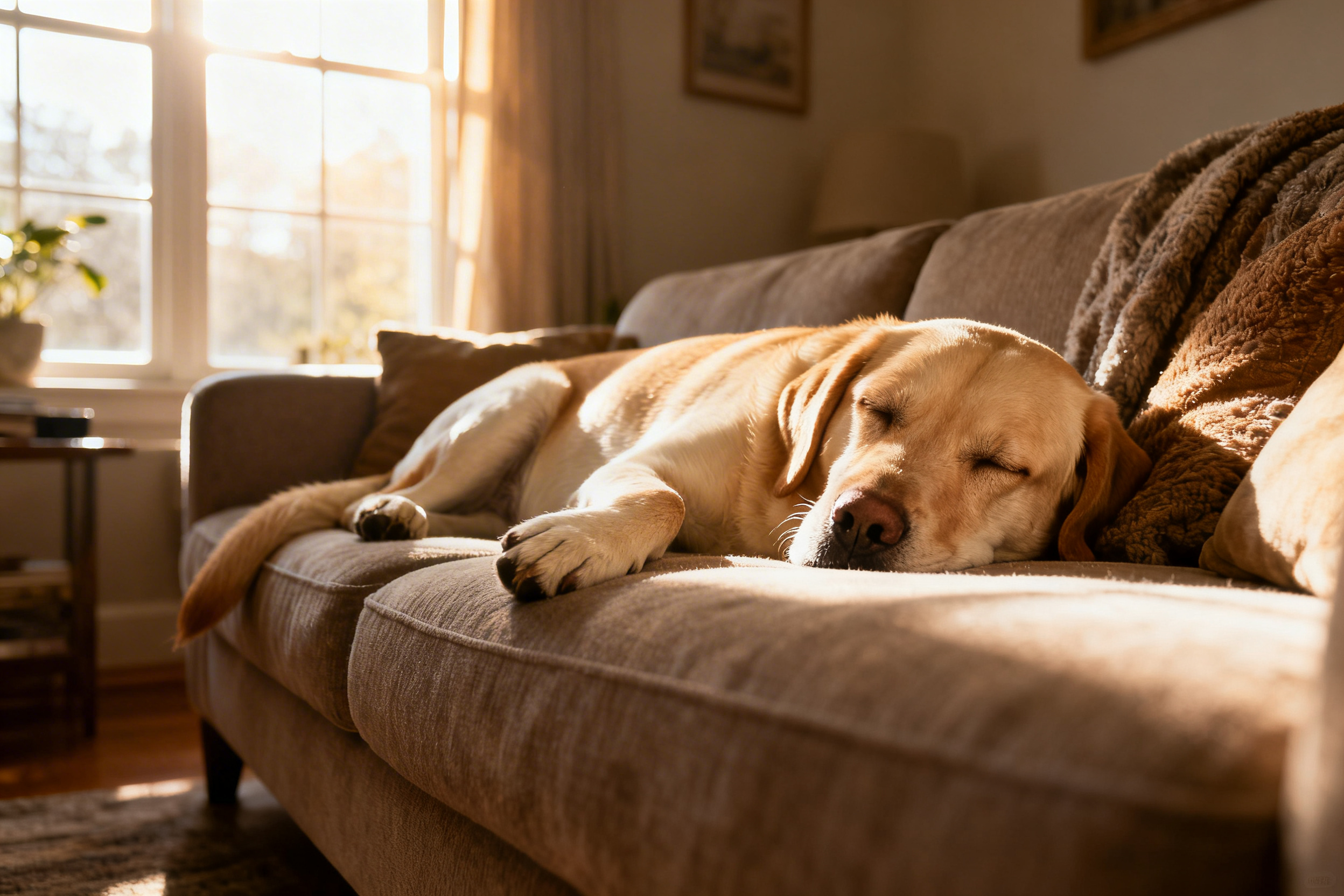
When the clock struck 2 AM, Sarah found herself sitting on the kitchen floor again, pressing a cool washcloth against her Labrador’s inflamed paws. Between the constant scratching, whimpering, and restless pacing, neither had slept properly in weeks. If this scene feels painfully familiar, you’re not alone. Learning how to calm dogs down during allergy season requires understanding that itching isn’t just physical discomfort—it’s a source of genuine anxiety for your furry companion.
Why Allergies Trigger Anxiety: The Itch-Stress Connection
Before diving into calming techniques, it’s crucial to recognize why allergic reactions make dogs so restless. When your dog experiences signs your dog has allergies, their body releases histamines that create an overwhelming sensation of itching, burning, or irritation. This physical distress activates their fight-or-flight response, elevating cortisol levels and making relaxation impossible.
The cycle becomes self-perpetuating: itching leads to scratching, which causes skin irritation and potential infections, which increases discomfort and anxiety further. Breaking this loop requires addressing both the physical symptoms and the emotional distress simultaneously.
Recognizing Allergy-Induced Restlessness
Not all anxious behaviors stem from separation anxiety or noise phobias. Allergy-related restlessness often manifests as:
- Repetitive licking or chewing at paws until they’re raw
- Inability to settle into a comfortable sleeping position
- Pacing or spinning before lying down
- Excessive yawning or lip licking (stress signals)
- Seeking cool surfaces like tile floors for relief

Immediate Techniques for How to Calm Dogs Down
When your dog is in the middle of an allergy flare-up, you need fast-acting strategies to interrupt the panic cycle and provide temporary relief.
The Therapeutic Touch Method
Tellington TTouch techniques work wonders for itchy, agitated dogs. Using circular finger movements on non-inflamed areas—such as the base of the ears, shoulders, or chest—stimulates the nervous system and releases calming endorphins. Avoid hot spots or irritated skin, focusing instead on creating a soothing sensory experience that distracts from the itching.
Cooling Strategies That Work
Heat exacerbates itching. Prepare a lukewarm (never cold) oatmeal bath using colloidal oatmeal powder, which creates a protective barrier on the skin while lowering body temperature. For spot treatments, wrap ice cubes in a soft cloth and apply to inflamed paws or bellies for 30-second intervals, followed by gentle drying.
Environmental Distraction Techniques
Mental stimulation can temporarily override physical discomfort. Puzzle feeders frozen with allergen-safe ingredients, lick mats spread with dog-safe pumpkin purée, or scent work games using hidden treats redirect your dog’s focus from their skin to their brain. The licking action itself releases calming serotonin, making lick mats particularly effective for allergy sufferers.

Long-Term Solutions: Calming Through Allergy Management
While immediate relief helps, sustainable calmness requires addressing the root cause of your dog’s allergic reactions. A multi-pronged approach combining internal health support and environmental modifications creates lasting peace for sensitive pups.
Nutritional Support for Nervous Systems
The gut-brain-skin axis plays a pivotal role in both allergic reactions and anxiety levels. Dogs with compromised gut flora often display heightened sensitivity to environmental allergens and increased nervous behaviors. Supporting their digestive health with targeted supplements can significantly improve their ability to handle allergic triggers without spiraling into anxiety.
This is where comprehensive allergy support becomes essential. ROROCA Allergy Chews address both the physical and emotional aspects of allergic reactions through a scientifically formulated blend. The 6-strain Probiotic Blend restores gut balance, reducing systemic inflammation that contributes to skin sensitivity. Salmon Oil provides omega-3 fatty acids that nourish skin barriers while supporting cognitive function and emotional regulation. Meanwhile, Licorice Root Extract offers natural cortisol-mimicking properties that soothe irritated tissues without the harsh side effects of synthetic steroids, and Curcuma Longa Extract (Turmeric) reduces inflammatory cytokines that trigger both itching and anxiety. The addition of Echinacea Extract supports immune modulation, preventing the overreactions that leave dogs feeling miserable and restless.
By addressing allergies at the cellular level, these ingredients help break the itch-anxiety cycle, allowing your dog’s nervous system to return to baseline calmness.
Creating a Low-Allergen Sanctuary
Transform your home into a allergy-neutral zone where your dog can truly relax. Invest in HEPA air purifiers positioned near your dog’s favorite resting spots to remove pollen, dust mites, and mold spores from their breathing space. Wash bedding weekly in hot water using fragrance-free detergent, and consider elevating beds off the floor to minimize dust accumulation.
Maintain consistent humidity levels between 40-50% using dehumidifiers in damp climates or humidifiers in dry environments. Extreme humidity fluctuations worsen skin barrier dysfunction, increasing both allergic reactions and the discomfort that prevents restful sleep.
Behavioral Modifications for Anxious Itchers
Teaching alternative behaviors to scratching provides dogs with agency over their comfort, reducing the helplessness that fuels anxiety.
The “Place” Command for Itchy Dogs
Train a solid “place” command directing your dog to a specific cooling mat or elevated bed. When scratching fits begin, guide them to this designated spot rather than allowing frantic pacing. The mat’s cooling properties provide physical relief while the structured command offers mental security. Reward calm breathing and relaxed muscles while in the place position, gradually extending the duration.
Desensitizing Touch Sensitivity
Allergy-prone dogs often develop touch sensitivity, reacting aggressively or fearfully when handled. Counter-condition this by pairing gentle touches with high-value treats, starting with areas far from irritated skin and slowly working closer as trust builds. This reduces the stress of necessary grooming and veterinary examinations, preventing additional anxiety triggers.
When Calming Techniques Aren’t Enough
While learning natural remedies for dog allergies empowers owners, certain situations require veterinary intervention. If your dog’s restlessness persists despite environmental management and nutritional support, or if you notice signs of secondary skin infections like oozing, odor, or fever, schedule an immediate appointment.
Some dogs require short-term anti-anxiety medications or prescription allergy treatments to break severe itch cycles. These pharmaceutical interventions aren’t failures—they’re tools to reset your dog’s comfort level while long-term natural solutions take effect. Never hesitate to consult your veterinarian if your dog’s quality of life is compromised.
Frequently Asked Questions
Can allergies really cause anxiety in dogs, or is it just discomfort?
Yes, allergies directly trigger anxiety. The constant histamine release creates a state of physiological stress, while the inability to escape the itching sensation leads to learned helplessness—a known anxiety precursor. Additionally, sleep deprivation from nighttime scratching significantly impacts emotional regulation.
How quickly do natural calming methods work for allergic dogs?
Physical techniques like cooling baths provide relief within 15-30 minutes. However, nutritional support such as probiotic blends and omega supplements require 4-6 weeks to reach full effectiveness as they rebuild skin barriers and modulate immune responses. Consistency is essential for long-term calmness.
Should I use over-the-counter allergy medications to calm my dog?
Never administer human medications without veterinary guidance. While some antihistamines are dog-safe, dosages vary dramatically by weight and condition. Incorrect dosing can cause dangerous sedation or paradoxical hyperactivity. Always consult your vet before adding pharmaceuticals to your calming regimen.
Why does my dog get more anxious at night during allergy season?
Cortisol levels naturally drop in the evening, reducing the body’s anti-inflammatory buffering capacity. Additionally, horizontal positioning increases blood flow to skin surfaces, intensifying itching sensations. The quiet of night also removes daytime distractions, making your dog hyper-aware of their discomfort.
Can stress make my dog’s allergies worse?
Absolutely. Stress elevates cortisol and histamine production, creating a feedback loop where anxiety worsens allergic reactions, which then increases anxiety. This is why comprehensive approaches addressing both emotional and physical health prove most effective for chronic allergy sufferers.
Are certain dog breeds harder to calm during allergy attacks?
Herding breeds and working dogs often struggle more with allergy-related anxiety due to their high energy levels and need for mental stimulation. When itching prevents exercise, these breeds experience compounded distress. Adjust calming strategies to include mental enrichment appropriate for your dog’s breed tendencies.