

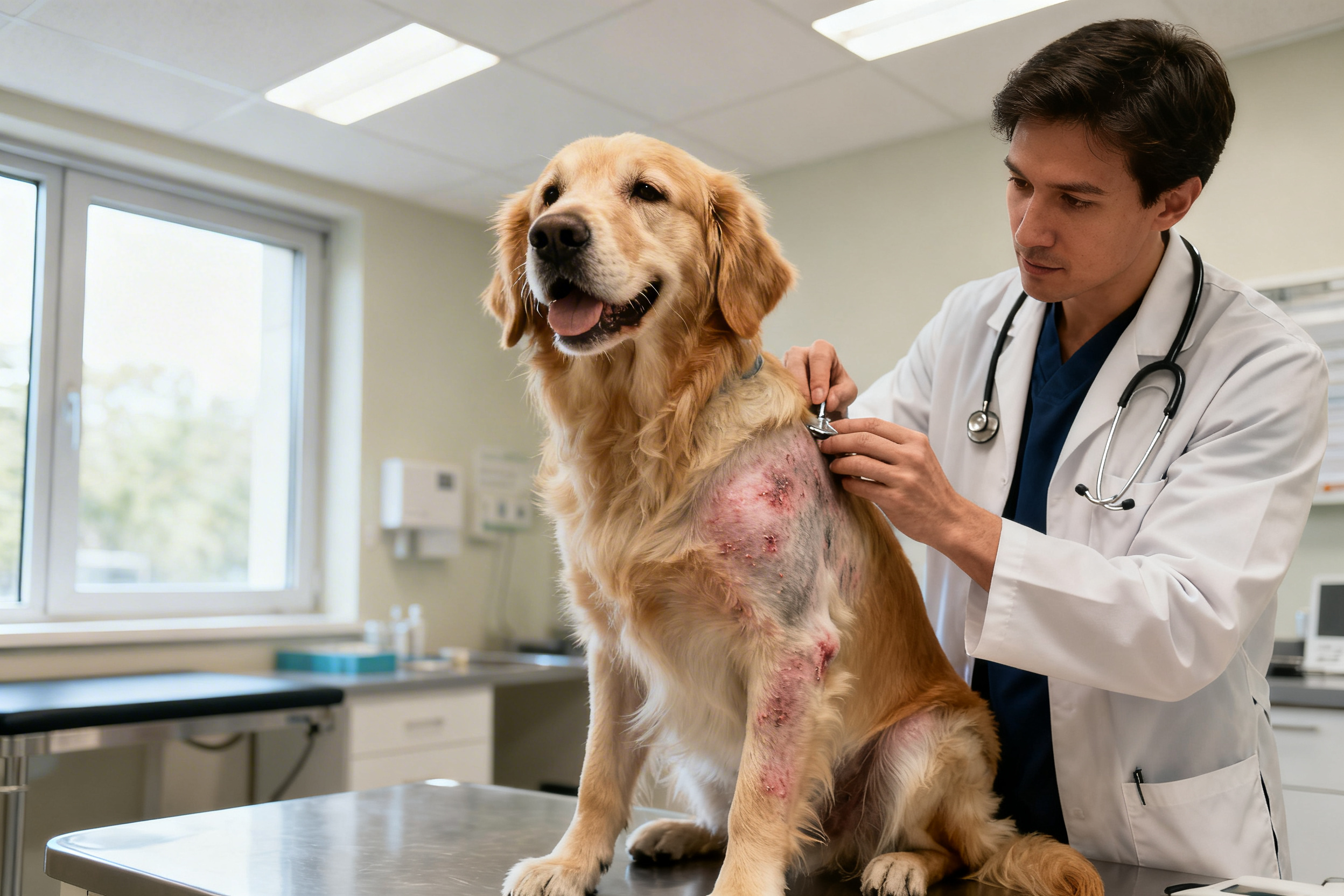
Is your dog keeping you up at night with constant scratching, paw-licking, or chewing at their skin? You’re not alone—and more importantly, you don’t have to watch your furry friend suffer in silence. Understanding what to do for dogs with allergies can transform your pet’s quality of life from miserable to magnificent within weeks.
In this comprehensive guide, we’ll walk you through immediate relief strategies, long-term management techniques, and prevention methods that actually work. Whether your pup suffers from seasonal pollen, food sensitivities, or environmental irritants, these veterinary-approved solutions will help you take control of their comfort and health.
First, Identify What Type of Allergy Your Dog Has
Before diving into treatments, you need to understand exactly what you’re fighting. Canine allergies generally fall into three categories, each requiring slightly different approaches:
Environmental Allergies (Atopic Dermatitis)
These are reactions to pollen, dust mites, mold spores, and grass. If your dog itches seasonally or after outdoor play, environmental allergens are likely culprits. Symptoms typically include paw chewing, face rubbing, and recurrent ear infections.
Food Allergies and Sensitivities
Unlike environmental triggers, food allergies cause year-round symptoms. Common offenders include beef, chicken, dairy, wheat, and soy. Dogs with food allergies often experience gastrointestinal issues alongside skin problems, including chronic diarrhea or vomiting.
Flea Allergy Dermatitis
Even a single flea bite can trigger intense allergic reactions in sensitive dogs. If you notice severe itching concentrated around the tail base and hind legs, fleas might be the invisible enemy.
Learning the differences in identifying canine allergy symptoms helps you choose the right treatment path from the start, saving both time and money on ineffective solutions.

Immediate Relief: What To Do For Dogs With Allergies Right Now
When your dog is in the middle of an allergic flare-up, immediate comfort is your priority. Here’s your action plan for the next 24-48 hours:
1. Soothe the Skin Barrier
Start with cool water baths using hypoallergenic or oatmeal-based shampoos. Avoid hot water, which intensifies inflammation. Bathing removes allergens from the coat and provides instant itch relief. For localized irritation, cool compresses applied for 5-10 minutes reduce swelling and discomfort.
2. Protect Against Secondary Infections
Allergic dogs break their skin barrier through scratching, creating entry points for bacteria and yeast. Apply veterinary-recommended topical treatments to hot spots, and consider an Elizabethan collar temporarily to prevent further damage while healing begins.
3. Adjust Their Environment
Remove potential triggers immediately. Wash bedding in hot water, vacuum thoroughly using HEPA filters, and run air purifiers in rooms where your dog spends the most time. If pollen is the suspect, wipe your dog’s paws and coat with damp cloths after outdoor excursions.
4. Consider Temporary Antihistamines
While long-term solutions build in their systems, veterinarian-approved antihistamines can bridge the gap. Always consult your vet for proper dosing based on your dog’s weight and health status, as human medications affect dogs differently.

Long-Term Management: Building an Allergy-Resistant Dog
Immediate relief addresses symptoms, but lasting freedom from allergies requires systemic changes. Here’s how to create an environment where allergies don’t dominate your dog’s life.
Dietary Modifications and Elimination Trials
If food allergies are suspected, an elimination diet remains the gold standard for diagnosis. This involves feeding a novel protein or hydrolyzed diet exclusively for 8-12 weeks—no treats, table scraps, or flavored medications allowed.
During this period, document everything your dog eats and any symptom changes. Many owners discover that switching to limited-ingredient diets or raw feeding protocols dramatically reduces inflammatory responses. For guidance on proper food selection, explore our resource on elimination diet for dogs with food sensitivities.
Environmental Control Strategies
For environmental allergies, minimize exposure through strategic lifestyle adjustments:
Keep windows closed during high pollen counts (typically early morning and evening). Invest in HVAC filters with MERV ratings of 11 or higher. Create “allergy-free zones” in your home using air purifiers, and consider hard flooring instead of carpeting where possible.
Regular grooming becomes therapeutic—not just cosmetic. Weekly baths with medicated shampoos prescribed by your veterinarian can reduce allergen loads on the skin by up to 80% according to veterinary dermatology research.
Immunotherapy and Allergy Testing
When allergies are severe or year-round, intradermal skin testing or blood panels identify specific triggers. Based on results, veterinarians can formulate custom immunotherapy—either injections or oral drops—that desensitizes your dog’s immune system over 6-12 months. While expensive initially, this approach often reduces medication needs long-term.
The Role of Targeted Supplementation in Allergy Management
Modern veterinary science increasingly supports nutritional interventions for managing allergic responses. The right supplements support skin barrier function, modulate immune responses, and reduce inflammatory cytokines.
When selecting supplements for allergic dogs, look for formulations containing:
Omega-3 Fatty Acids (Salmon Oil): These essential fats reduce inflammatory mediators in the skin, decreasing itch intensity and improving coat quality. High-quality fish oil provides EPA and DHA in bioavailable forms.
Probiotic Blends: A diverse 6-strain probiotic formula supports gut health, which directly influences immune function. Since 70% of the immune system resides in the gastrointestinal tract, balancing microbiome diversity often reduces allergic overreactions.
Botanical Anti-Inflammatories: Ingredients like Licorice Root Extract (natural corticosteroid alternative), Curcuma Longa Extract (Turmeric) for inflammation modulation, and Echinacea Extract for immune regulation provide gentle yet effective symptom management without the side effects of pharmaceuticals.
ROROCA Allergy Chews combine these exact ingredients—Salmon Oil, a 6-strain Probiotic Blend, Licorice Root Extract, Curcuma Longa Extract, and Echinacea Extract—into a palatable daily treat that supports dogs from the inside out. Unlike temporary fixes, these chews work systemically to address root immune imbalances while providing the building blocks for healthy skin barriers.
When To See Your Veterinarian Immediately
While many allergy symptoms are manageable at home, certain situations require professional intervention:
Seek immediate veterinary care if your dog develops facial swelling, difficulty breathing, or hives covering large body areas—these indicate anaphylaxis, a life-threatening emergency. Additionally, if skin lesions become pus-filled, emit odor, or your dog develops fever, secondary bacterial infection likely requires antibiotic treatment.
Chronic ear infections, hair loss patches, or symptoms persisting beyond two weeks despite home care warrant diagnostic testing. Your veterinarian can prescribe corticosteroids, Apoquel, Cytopoint injections, or antibiotics for secondary infections when over-the-counter measures prove insufficient.
Prevention: Stopping Allergies Before They Start
The most effective treatment is prevention. Once you’ve identified your dog’s triggers, these proactive measures minimize future flare-ups:
Maintain consistent parasite prevention year-round, even in winter. Fleas survive indoors during cold months, and allergic reactions often worsen with repeated exposure. Use veterinarian-recommended flea preventatives monthly.
Support skin barrier health through regular grooming and humidity control. Dry winter air cracks skin barriers, allowing allergens easier entry. Keep indoor humidity between 40-50% and consider humidifiers during heating season.
Strengthen immune resilience through appropriate exercise, stress reduction, and nutritional support. Stress hormones exacerbate inflammatory responses, so maintaining routine and providing mental enrichment actually reduces allergy severity.
For additional holistic approaches, review our guide on natural antihistamines for dogs that complement traditional veterinary care.
Frequently Asked Questions
How can I treat my dog’s allergies without going to the vet?
Mild allergies often respond to over-the-counter antihistamines (with veterinary dosing approval), frequent bathing with medicated shampoos, environmental allergen reduction, and high-quality omega-3 supplements. However, if symptoms persist beyond one week or worsen, veterinary consultation becomes necessary to rule out secondary infections and obtain prescription medications.
What is the best thing to give a dog for itchy skin?
The most effective itch relief combines internal and external approaches: cool oatmeal baths for immediate soothing, fatty acid supplements for long-term skin barrier repair, and immune-modulating supplements containing ingredients like Turmeric and Licorice Root. For severe itching, prescription medications from your veterinarian provide the fastest relief.
Can I give my dog Benadryl for allergies?
Diphenhydramine (Benadryl) is generally safe for dogs at 1mg per pound of body weight, given 2-3 times daily. However, some dogs experience paradoxical excitement instead of drowsiness, and it proves ineffective for approximately 30% of allergic dogs. Always verify dosage with your veterinarian, especially if your dog takes other medications or has heart conditions.
How long does it take for dog allergy supplements to work?
Omega-3 fatty acids typically show skin improvement within 4-6 weeks of consistent daily use. Probiotic supplements may require 2-3 weeks to colonize the gut and influence immune responses. Herbal anti-inflammatories like those found in comprehensive allergy formulas often provide noticeable comfort within 2-4 weeks, though maximum benefits accumulate over 2-3 months of continuous use.
Are seasonal allergies different from food allergies in dogs?
Yes, they differ significantly in timing and symptoms. Seasonal allergies flare during specific months (spring/fall for pollen, winter for dust mites) and cause primarily skin itching, paw chewing, and ear inflammation. Food allergies occur year-round and often include gastrointestinal symptoms like vomiting, loose stools, or excessive gas alongside skin issues.
Can dog allergies go away on their own?
Unfortunately, allergies are chronic conditions that rarely resolve without intervention. Some puppies outgrow specific sensitivities by age 2-3, but most dogs experience worsening symptoms over time if left untreated. Early intervention prevents the “allergic march” where skin barriers deteriorate, leading to more severe reactions and secondary infections.
Conclusion
Watching your dog struggle with allergies feels helpless, but armed with the right knowledge about what to do for dogs with allergies, you can dramatically improve their comfort and quality of life. Start with identification, provide immediate relief, then build a long-term management plan involving diet optimization, environmental control, and targeted supplementation.
Remember that consistency matters more than intensity—daily small actions like wiping paws, giving immune-supporting supplements like ROROCA Allergy Chews, and maintaining clean environments compound into significant relief over time. Don’t let allergies define your dog’s life. Take action today, consult with your veterinarian for severe cases, and give your best friend the itch-free, happy life they deserve.