

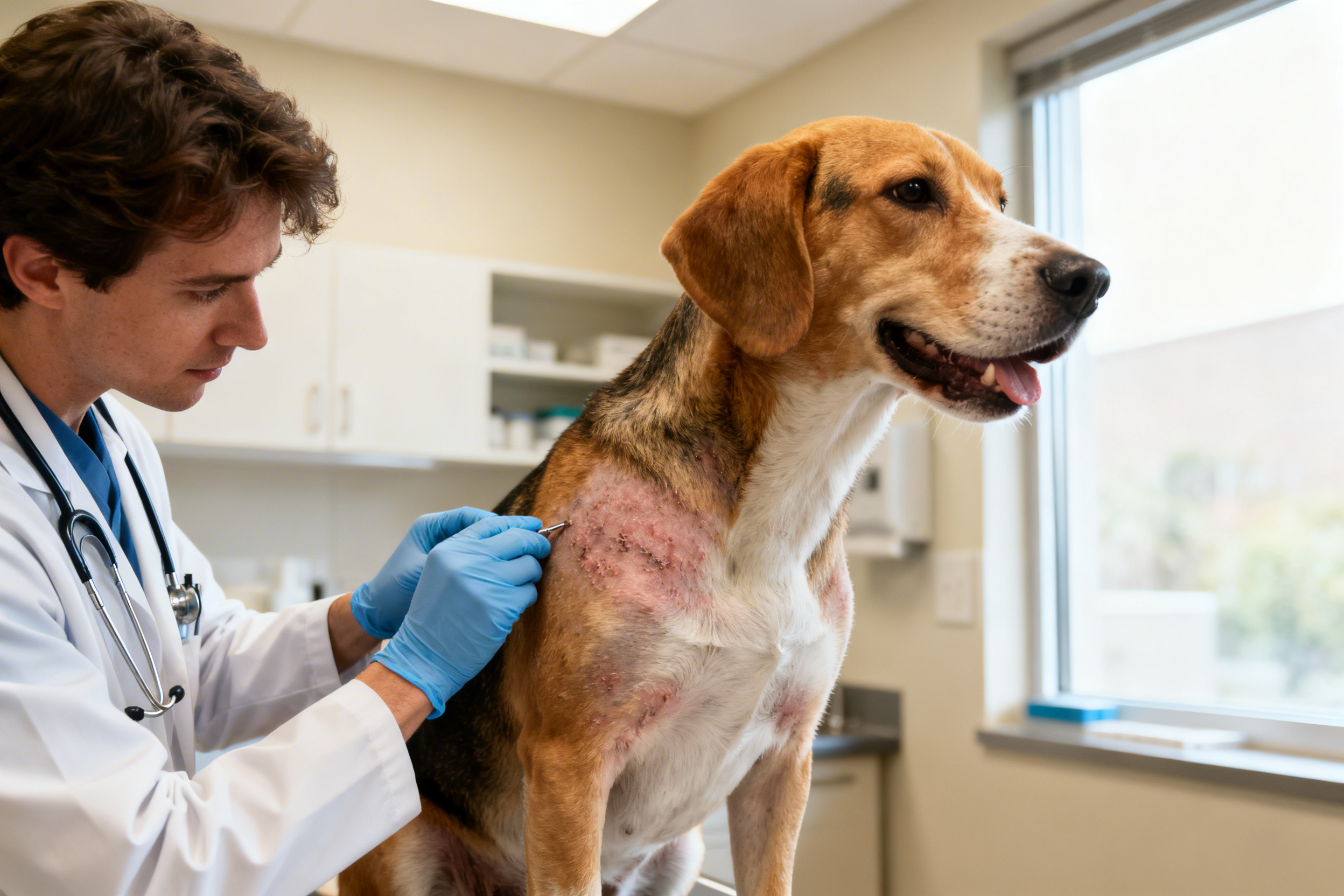
When Max, my three-year-old Labrador, started pawing at his ears relentlessly at 2 AM, I knew something wasn’t right. The constant scratching, the red patches on his belly, and those miserable whimpers had me frantically searching: how to tell if my dog has allergies. If you’re reading this at midnight while your pup scratches another hot spot, you’re not alone. Canine allergies affect nearly 20% of all dogs, yet many pet parents mistake early symptoms for simple dry skin or bug bites.

Understanding common dog allergy symptoms early can prevent months of discomfort and expensive veterinary bills. This comprehensive guide will walk you through the seven critical warning signs, explain the difference between environmental and food triggers, and show you exactly when to book that vet appointment. By the end, you’ll know exactly how to tell if my dog has allergies versus temporary skin irritation—and what steps to take next.

The Tell-Tale Signs: How to Tell If My Dog Has Allergies
Unlike humans who sneeze and get watery eyes, dogs primarily express allergies through their skin. If you’re wondering how to tell if my dog has allergies versus normal itching, look for these persistent patterns rather than occasional scratching.
1. Excessive Scratching and Paw Licking
While all dogs scratch occasionally, allergic dogs scratch with desperation. You’ll notice your dog gnawing at their paws—often turning them pink or brown from saliva staining. This isn’t just grooming; it’s an obsessive behavior that continues despite distraction. The itching typically intensifies at night when histamine levels naturally rise, keeping both you and your pup awake.
2. Recurrent Ear Infections
One of the most overlooked indicators of canine allergies is chronic ear inflammation. If your dog has had three or more ear infections within a year, allergies are likely the root cause rather than bacteria alone. Watch for head shaking, ear odor, or your dog rubbing their head against furniture. The ear canals become warm, moist environments perfect for yeast overgrowth when allergic inflammation strikes.
3. Red, Inflamed Skin and Hot Spots
Allergic dogs develop acute moist dermatitis—commonly called hot spots—within hours. These appear as oozing, red patches that seem to appear overnight, usually on the chest, hips, or face. The skin may feel warm to the touch and your dog will guard these areas aggressively. Unlike simple dry skin, allergic hot spots spread rapidly without intervention.
4. Changes to the Coat and Skin
Look beyond the scratching. Allergic dogs often develop secondary skin infections causing flaky, greasy, or thickened skin. You might notice hair loss in patches, particularly on the lower back, tail base, and rear legs. Some dogs develop “elephant skin”—darkened, thickened patches on the belly or armpits from chronic inflammation.
5. Digestive Upsets (Food Allergies)
If you’re trying to determine how to tell if my dog has allergies to food specifically, monitor their bathroom habits. Chronic loose stools, vomiting immediately after meals, or excessive gas often accompany skin symptoms in food-allergic dogs. Unlike environmental allergies that worsen seasonally, food reactions remain constant year-round.
6. Face Rubbing and Swelling
Dogs with environmental allergies often rub their faces along carpet or grass to relieve itchiness around the eyes and muzzle. You might notice puffy eyelids, red paw pads, or your dog scooting their rear across the floor due to anal gland irritation caused by systemic inflammation.
7. Seasonal Patterns
Keep a symptom diary. Does the itching worsen every spring when pollen counts spike? Or does it flare in fall when mold spores increase? Seasonal patterns strongly suggest environmental allergies rather than food sensitivities, helping you and your vet narrow down triggers.
Understanding Different Types of Canine Allergies
Once you’ve identified that your dog shows allergic symptoms, understanding the type helps determine treatment. Not all allergies require the same management strategy.
Environmental Allergies (Atopic Dermatitis)
The most common form, atopic dermatitis affects dogs allergic to pollen, dust mites, mold spores, and grass. These dogs typically show symptoms between six months and three years of age. Breeds like Golden Retrievers, Bulldogs, and Terriers show genetic predisposition. Symptoms often begin seasonally but can progress to year-round suffering as the immune system becomes sensitized.
Food Allergies vs. Food Intolerance
True food allergies involve an immune response to proteins—typically chicken, beef, dairy, or wheat. Unlike environmental allergies, food reactions rarely cause isolated skin symptoms; they almost always involve gastrointestinal upset too. Identifying food allergies in dogs requires strict elimination diets lasting 8-12 weeks, as blood tests for food allergies remain notoriously unreliable.
Flea Allergy Dermatitis (FAD)
Even if you never spot fleas, a single bite can trigger intense reactions in allergic dogs. The saliva proteins cause severe itching concentrated at the tail base, thighs, and groin. You might see small red bumps or “flea dirt”—black specks that turn red when wet. Year-round flea prevention remains essential for these dogs, even in winter months.
Contact Allergies
The rarest type occurs when skin touches irritants like certain shampoos, cleaning products, or synthetic fabrics. These cause localized reactions—redness only where the contact occurred, such as the belly from lying on chemically treated grass or feet from walking on salted sidewalks.
When to See Your Veterinarian
While mild seasonal itching might respond to home care, certain symptoms demand immediate professional evaluation. Book an appointment if your dog shows:
- Signs of skin infection: pus, crusting, or foul odor
- Respiratory distress: wheezing, coughing, or difficulty breathing (possible anaphylaxis)
- Facial swelling or hives that spread rapidly
- Loss of appetite or lethargy accompanying skin symptoms
- Symptoms persisting beyond two weeks despite over-the-counter care
Your vet will likely perform skin scrapings to rule out mange or fungal infections, cytology to check for yeast and bacteria, and possibly blood work to assess systemic health. For environmental allergies, intradermal skin testing or serum IgE testing helps identify specific triggers for immunotherapy.
Natural Support and Management Strategies
Once you’ve confirmed how to tell if my dog has allergies, management becomes a lifelong commitment. While severe cases require prescription medications like Apoquel or Cytopoint, many dogs thrive with natural support combined with environmental modifications.
Environmental Control
Start with your home environment. HEPA filters remove airborne pollen and dust mites. Wash bedding weekly in hot water (130°F) to kill dust mites. Wipe your dog’s paws and coat with damp microfiber cloths after outdoor walks to remove pollen before it absorbs into the skin.
Topical Relief
Oatmeal baths soothe inflamed skin temporarily, while medicated shampoos containing chlorhexidine or ketoconazole address secondary infections. Leave conditioners on for 10 minutes before rinsing to restore the skin barrier. Avoid over-bathing, however, as this strips natural oils and worsens dryness.
Nutritional Support
Supporting your dog’s immune system from within often reduces allergic responses. Many pet parents are turning to targeted supplements like ROROCA Allergy Chews, which combine a 6-strain Probiotic Blend with Salmon Oil, Licorice Root Extract, Curcuma Longa Extract (Turmeric), and Echinacea Extract. These ingredients work synergistically to modulate immune responses, reduce inflammation, and promote healthy skin barriers. The omega-3 fatty acids from Salmon Oil specifically help reduce the production of inflammatory cytokines that cause itching.
When exploring natural allergy relief for dogs, look for formulas that address gut health—since 70% of the immune system resides in the digestive tract. The probiotic blend in quality supplements helps balance the gut microbiome, potentially reducing the severity of allergic reactions over time.
Dietary Modifications
For food-allergic dogs, novel protein diets using kangaroo, duck, or venison provide relief. Hydrolyzed protein diets break allergens into molecules too small to trigger immune responses. Always transition foods gradually over 7-10 days to prevent gastrointestinal upset.
Frequently Asked Questions
How can I tell if my dog has allergies versus dry skin?
Dry skin typically presents as white flakes (dandruff) without significant redness or inflammation. Allergic skin shows pink or red coloration, frequent scratching, and often secondary infections. Dry skin improves with humidifiers and moisturizing shampoos, while allergic itching persists or worsens without anti-inflammatory treatment.
What are the first signs of food allergies in dogs?
Food allergies usually develop before age two and present with year-round symptoms affecting both skin and digestion. Watch for chronic ear infections, paw licking, and soft stools or vomiting that don’t correlate with seasonal changes. Unlike environmental allergies, food reactions don’t improve with antihistamines.
Can dog allergies develop suddenly in older dogs?
Yes. While most allergies develop between 6 months and 3 years, dogs can develop sensitivities at any age. Sudden onset in senior dogs often indicates a new environmental exposure (moving homes, new cleaning products) or immune system changes. Never dismiss new itching in older dogs as “just old age.”
How do vets test for allergies in dogs?
Vets use intradermal skin testing (injecting small amounts of allergens into the skin) or serum IgE testing (blood test) for environmental allergies. Food allergies require elimination diet trials lasting 8-12 weeks. Skin biopsies rule out autoimmune diseases that mimic allergies. No single test provides all answers.
Are certain dog breeds more prone to allergies?
Absolutely. Breeds with genetic predispositions include Golden Retrievers, Labrador Retrievers, Bulldogs (all types), Terriers (especially West Highland White), Boxers, and German Shepherds. However, any dog—mixed breed or purebred—can develop allergies depending on environmental exposure and immune health.
Can I give my dog human allergy medicine like Benadryl?
While veterinarians sometimes recommend diphenhydramine (Benadryl) for mild reactions, dosing is critical—typically 1mg per pound of body weight. Never use combination products containing decongestants or pain relievers, which are toxic to dogs. Always consult your vet first, as antihistamines only help 20-30% of dogs and may mask worsening symptoms.
Will my dog outgrow allergies?
Rarely. Unlike children who often outgrow food allergies, dogs typically experience worsening symptoms over time without intervention. Seasonal allergies often progress to year-round issues as the immune system becomes hyper-sensitized. Early management prevents the “allergic march” toward chronic skin changes.
Conclusion
Learning how to tell if my dog has allergies requires observing patterns rather than isolated incidents. Look for the tell-tale combination of scratching, ear issues, and skin inflammation that persists beyond a few days. Remember that allergies aren’t just uncomfortable—they compromise your dog’s skin barrier, leading to painful infections and diminished quality of life.
While there’s no cure for canine allergies, modern management strategies—from environmental control to immune-supporting supplements like ROROCA Allergy Chews—can restore your dog’s comfort. Start by documenting symptoms, scheduling a veterinary consultation for definitive diagnosis, and implementing a multi-modal approach to treatment. Your itchy pup doesn’t have to suffer silently; with the right knowledge and tools, relief is absolutely possible.
📖 Related Reading
- Dog Allergy Symptoms: Complete Guide
- Dog Skin Allergy Treatment Options
- Dog Food Allergies: Symptoms & Solutions