

Can I Give My Dog Benadryl for Allergies? A Complete 2026 Guide for Pet Parents
Discover safe dosages, potential side effects, and natural alternatives to help your itchy pup find relief
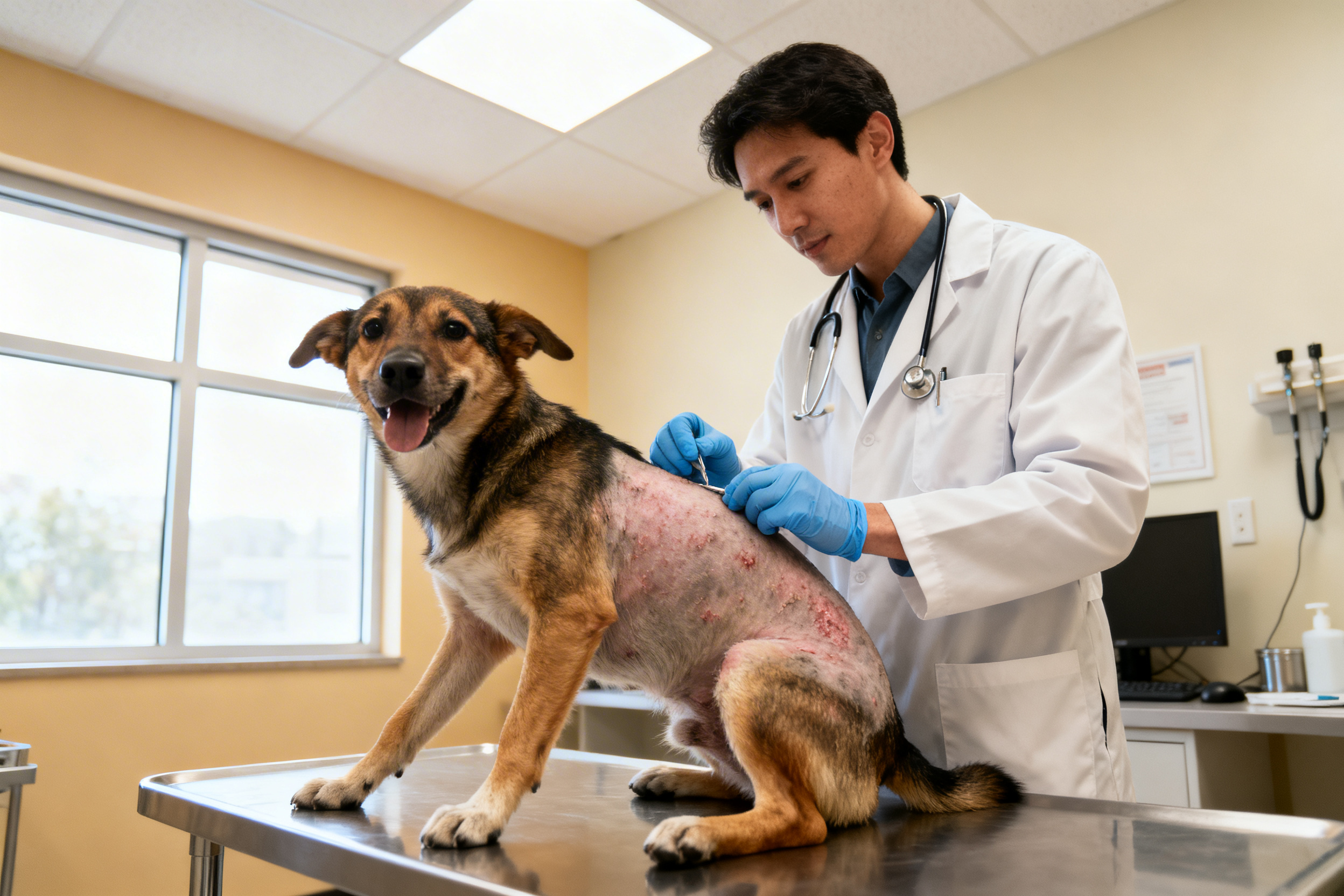
As a dog parent, watching your pup suffer from relentless itching, red eyes, or constant paw licking is absolutely heartbreaking. You want immediate relief for your furry family member, and your medicine cabinet likely contains Benadryl—the same antihistamine that works wonders for your seasonal allergies. But before you reach for that pink pill, you’re probably asking: can I give my dog Benadryl for allergies?
The short answer is yes, veterinarians often recommend diphenhydramine (the active ingredient in Benadryl) for canine allergy relief. However, the complete answer involves understanding proper dosages, potential drug interactions, and recognizing when over-the-counter solutions aren’t enough. This comprehensive guide covers everything you need to know about using Benadryl safely, plus explores modern alternatives that might offer longer-lasting relief without the drowsiness.

The Quick Answer: Is Benadryl Safe for Dogs?
Yes, Benadryl is generally considered safe for dogs when administered correctly. Most veterinarians approve diphenhydramine for treating mild allergic reactions, environmental allergies, and even motion sickness in canines. However, safety depends entirely on accurate dosing, your dog’s current health status, and whether they’re taking other medications.
While Benadryl can provide temporary relief from common dog allergy symptoms like itching, hives, and swelling, it’s crucial to understand that this medication treats symptoms rather than underlying causes. For chronic allergy sufferers, you’ll want to explore comprehensive solutions that address immune system health rather than relying solely on antihistamines.

Understanding How Benadryl Works in Canines
Diphenhydramine belongs to a class of medications called first-generation antihistamines. It works by blocking histamine receptors in your dog’s body. When your dog encounters an allergen—whether pollen, dust mites, or certain foods—their immune system releases histamine, triggering inflammation, itching, and other uncomfortable symptoms.
What Conditions Can Benadryl Help Treat?
Veterinarians commonly recommend Benadryl for several specific conditions:
Acute Allergic Reactions: Bee stings, vaccine reactions, or contact with irritating substances often respond well to antihistamines. The medication can reduce facial swelling and hives within 30-60 minutes.
Environmental Allergies: Seasonal atopy caused by pollen, grass, or mold spores may show improvement with regular dosing, though many dogs require additional support during peak allergy seasons.
Motion Sickness: The sedative effects make Benadryl useful for travel anxiety and car sickness, as it helps calm the vestibular system.
Itchy Skin Relief: While not as effective as steroids for severe dermatitis, Benadryl can take the edge off mild to moderate itching, preventing skin infections caused by excessive scratching.
Can I Give My Dog Benadryl for Allergies? Proper Dosage Guidelines
Accurate dosing separates safe administration from dangerous mistakes. The standard veterinary recommendation is 1 milligram of diphenhydramine per pound of body weight, administered two to three times daily. However, several factors influence the exact dosage your specific dog needs.
Standard Weight-Based Chart
Always check the concentration on your Benadryl bottle—standard tablets contain 25mg, while children’s liquid formulas vary. Here’s the general guideline:
Dogs weighing 10-15 pounds typically receive 10-12.5mg (half of a 25mg tablet). Medium dogs between 25-35 pounds usually need 25mg (one standard tablet). Larger breeds weighing 50-75 pounds may require 50mg (two tablets), while giant breeds over 100 pounds might need 75-100mg per dose.
Administration Tips for Success
Hide tablets in small pieces of cheese, peanut butter (xylitol-free), or commercial pill pockets. For liquid formulations, use a syringe to squirt the medication into your dog’s cheek pouch rather than directly down their throat, which prevents aspiration.
Consistency matters more than perfect timing. If you’re treating seasonal allergies, administer doses at the same times daily to maintain steady blood levels. For acute reactions like insect bites, a single dose often suffices.
Safety Concerns: When to Avoid Benadryl
Despite its over-the-counter availability, Benadryl isn’t appropriate for every dog. Several health conditions and medication interactions create serious risks that require veterinary consultation before administration.
Medical Conditions That Contraindicate Use
Never give Benadryl to dogs with glaucoma, as the medication can increase intraocular pressure dangerously. Dogs with cardiovascular disease, high blood pressure, or seizure disorders face elevated risks. Additionally, pregnant or nursing dogs should avoid antihistamines unless specifically directed by a veterinarian.
Prostate enlargement in older male dogs represents another contraindication. Diphenhydramine can cause urinary retention, creating painful complications for dogs with existing prostate issues.
Drug Interactions to Know
If your dog takes monoamine oxidase inhibitors (MAOIs), sedatives, or tranquilizers, Benadryl could amplify sedation to dangerous levels. Similarly, dogs on anticoagulants may experience increased bleeding risks. Always provide your vet with a complete medication list before adding any over-the-counter drugs.
Recognizing Overdose Symptoms
Excessive dosing manifests as hyperexcitability (paradoxical reaction), severe lethargy, rapid heart rate, dilated pupils, or seizures. If you suspect overdose, contact your emergency veterinarian immediately or call the Pet Poison Helpline. Keep packaging handy to provide exact ingredient concentrations.
Common Side Effects and What to Expect
Even at proper dosages, Benadryl produces predictable side effects that pet parents should anticipate. The most frequent complaint involves drowsiness—while convenient for travel anxiety, excessive sedation can leave your normally energetic pup groggy and uncoordinated.
Other common reactions include dry mouth (increased thirst), urinary retention, and occasionally digestive upset such as vomiting or diarrhea. Less frequently, some dogs experience the opposite reaction: hyperactivity and agitation rather than calmness.
Watch for signs of allergic reactions to the medication itself, including difficulty breathing, facial swelling, or hives. Though ironic given its antihistamine properties, some dogs react poorly to the pink dye or fillers in certain Benadryl formulations. If this occurs, switch to dye-free alternatives or discuss natural remedies for dog allergies with your veterinarian.
Modern Alternatives: Beyond Benadryl for Allergy Relief
While Benadryl offers quick relief, many pet parents seek long-term solutions that don’t require daily medication or cause drowsiness. The latest veterinary research emphasizes supporting the immune system and skin barrier rather than simply suppressing histamine responses.
Immune-Supporting Supplements
Comprehensive allergy management often includes omega fatty acids, probiotics, and herbal extracts that modulate immune responses. ROROCA Allergy Chews represent a scientifically-formulated option combining multiple beneficial ingredients in one convenient treat. These chews feature a Probiotic Blend with six specific strains that support gut health—crucial since 70% of the immune system resides in the digestive tract.
The addition of Salmon Oil provides EPA and DHA omega-3s that reduce skin inflammation and improve coat quality. Unlike Benadryl, which merely masks symptoms, these fatty acids actually help repair the skin barrier, making allergens less likely to penetrate and trigger reactions.
Herbal Ingredients with Clinical Support
ROROCA’s formula also includes Licorice Root Extract, which offers natural corticosteroid-like effects without the side effects of pharmaceutical steroids. Curcuma Longa Extract (Turmeric) provides powerful anti-inflammatory compounds, while Echinacea Extract supports overall immune function.
These ingredients work synergistically. While Benadryl shuts down histamine temporarily, these natural compounds help recalibrate the immune system to react less severely to environmental triggers over time. Many pet parents find they can reduce or eliminate antihistamine use after 4-6 weeks of consistent supplementation.
Environmental Modifications
Complement any treatment plan with practical home adjustments. HEPA air filters remove airborne allergens, while weekly bathing with hypoallergenic shampoo washes away pollen and dust. Wipe your dog’s paws after outdoor excursions to prevent tracking allergens into sleeping areas.
When Benadryl Isn’t Enough: Signs You Need Veterinary Care
Antihistamines work well for mild reactions, but certain situations demand professional intervention. If your dog develops facial swelling that interferes with breathing, hives accompanied by vomiting, or sudden collapse, skip the home remedies and head immediately to an emergency clinic. These symptoms indicate anaphylaxis, a life-threatening condition requiring epinephrine and intravenous fluids.
Chronic allergy sufferers—dogs scratching for weeks, suffering recurring ear infections, or showing hair loss—need diagnostic workups rather than repeated Benadryl doses. Your veterinarian can perform intradermal skin testing or blood work to identify specific allergens, potentially recommending immunotherapy (allergy shots) that actually cures allergies rather than treating symptoms.
Additionally, if you’ve given the correct Benadryl dosage for 24-48 hours without improvement, or symptoms worsen, discontinue use and schedule an appointment. Secondary bacterial infections often complicate allergic skin disease, requiring antibiotics alongside allergy management.
Frequently Asked Questions About Dogs and Benadryl
How quickly does Benadryl work in dogs?
Most dogs show noticeable relief within 30 to 60 minutes of administration. Peak effectiveness occurs around two hours post-dose. For acute allergic reactions like insect stings, you should see reduced swelling and decreased itching within the first hour. If no improvement occurs after two hours, consult your veterinarian rather than giving additional doses.
Can puppies take Benadryl?
Veterinarians generally avoid recommending Benadryl for puppies under 12 weeks old due to immature liver function and increased sensitivity to sedation. For young dogs between three and six months, dosages require careful veterinary calculation based on exact weight and overall health status. Never use adult formulations for small puppies without professional guidance.
Is liquid or pill form better for dogs?
Liquid formulations allow more precise dosing for small dogs under 15 pounds, eliminating the need to split tablets. However, many liquid Benadryl products contain alcohol or xylitol—both toxic to dogs. Always verify ingredients and choose alcohol-free, xylitol-free options. For medium to large dogs, standard 25mg tablets prove more convenient and cost-effective.
Can I give my dog Benadryl daily for allergies?
While daily administration is physically safe for most healthy dogs, long-term reliance on Benadryl suggests inadequate allergy management. Chronic daily use may indicate underlying food allergies or environmental triggers that need identification and elimination. Consider transitioning to immune-supporting supplements like ROROCA Allergy Chews for daily maintenance while reserving Benadryl for acute flare-ups.
Will Benadryl make my dog sleepy?
Sedation represents the most common side effect, affecting approximately 50% of dogs. First-generation antihistamines cross the blood-brain barrier easily, causing drowsiness. If your dog becomes excessively lethargic or disoriented, reduce the next dose by 25% or switch to a second-generation antihistamine like cetirizine (Zyrtec) under veterinary guidance.
Can Benadryl help with anxiety during thunderstorms?
The mild sedative effect may help some dogs during stressful events, but Benadryl is not an anti-anxiety medication. It works best for motion sickness or mild travel anxiety rather than phobias like thunderstorm fear. For noise anxiety, discuss prescription options like trazodone or Sileo with your veterinarian, as these target anxiety pathways more effectively than antihistamines.
Finding the Right Solution for Your Allergic Dog
So, can I give my dog Benadryl for allergies? Absolutely—with proper dosing and awareness of contraindications, it serves as a safe, effective tool for short-term relief. Keep the standard dosage (1mg per pound) handy for emergency reactions like bee stings, and always verify your specific formulation contains only diphenhydramine without dangerous additives.
However, viewing Benadryl as a band-aid rather than a cure leads to better long-term outcomes. Consider incorporating immune-modulating supplements like ROROCA Allergy Chews into your dog’s daily routine to address root causes while keeping Benadryl available for occasional breakthrough symptoms. Remember to consult your veterinarian if symptoms persist or worsen—your dog deserves comprehensive care that goes beyond the medicine cabinet.
With the right combination of immediate relief and immune support, your itchy, uncomfortable pup can return to the happy, energetic companion you love, ready for adventures without constant scratching or sneezing.