

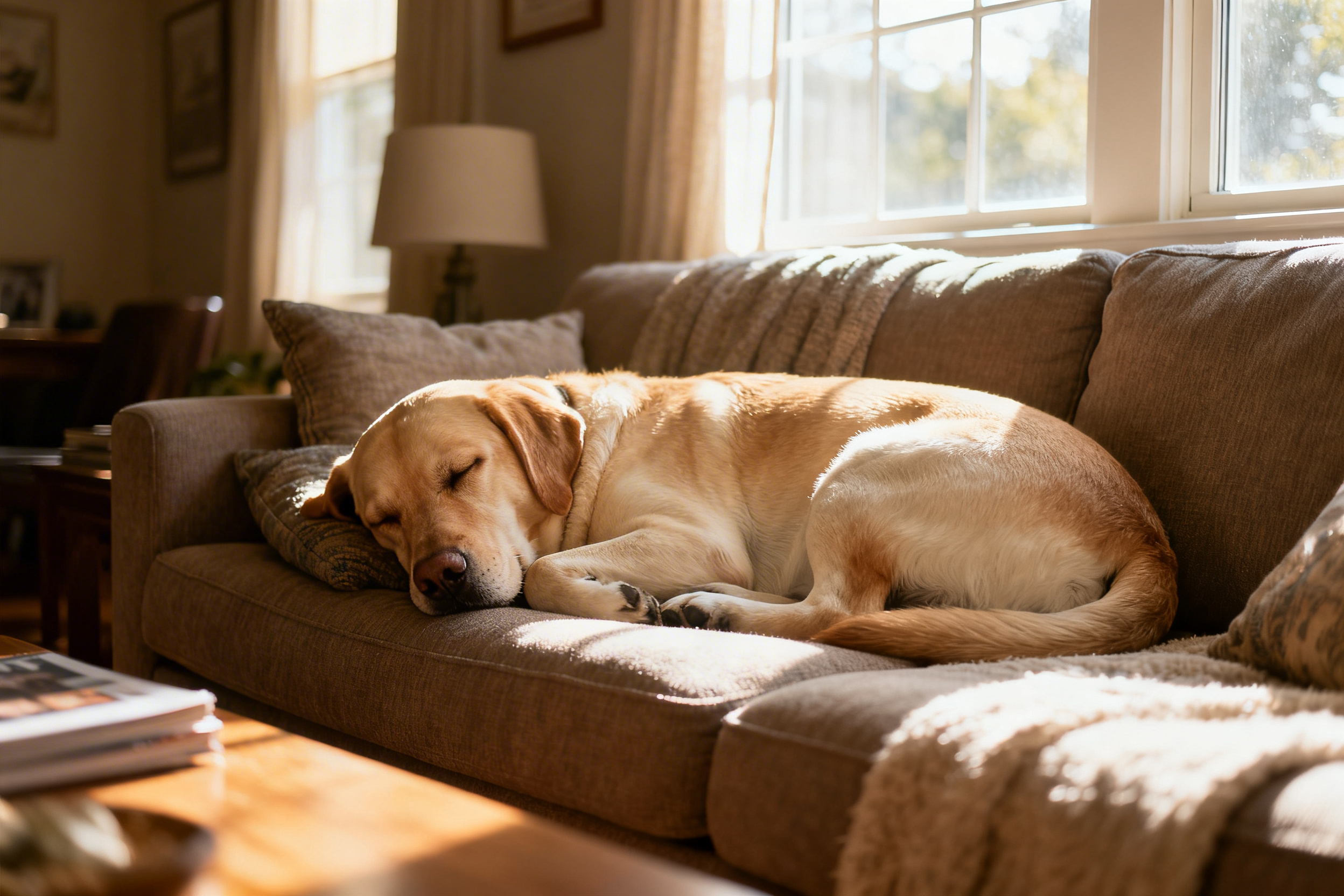
When Maya brought her 18-month-old Australian Shepherd home from the spay clinic, she expected immediate tranquility. Instead, she found her dog bouncing off the furniture just three days post-surgery, stitches and all. If you’re wondering do dogs calm down after being spayed, you’re not alone—this question tops the list for millions of pet parents facing the big snip decision in 2026.
The relationship between spaying and behavioral calmness isn’t as straightforward as many assume. While removing ovaries eliminates heat cycles and certain hormone-driven behaviors, energy levels and temperament involve complex factors beyond reproductive hormones. This guide explores what actually happens to your dog’s behavior after spaying, realistic timelines for changes, and when restlessness might signal something other than excess puppy energy.
Understanding the Spaying Procedure and Hormonal Impact
Spaying, or ovariohysterectomy, involves surgically removing a female dog’s ovaries and usually the uterus. This procedure immediately stops the production of estrogen and progesterone—hormones that drive reproductive behaviors and influence certain aspects of temperament.
However, testosterone and other androgens produced by the adrenal glands continue circulating, meaning your dog doesn’t become hormonally “neutral” overnight. Additionally, core personality traits established during puppyhood—excitability, playfulness, and drive—remain largely intact because they’re neurologically hardwired, not solely hormone-dependent.
Veterinary behaviorists emphasize that spaying primarily eliminates heat-related behaviors rather than fundamentally changing your dog’s personality. These hormone-driven behaviors include roaming to find mates, mounting, mood swings during estrus cycles, and bloody discharge. For hyperactive dogs, the surgery addresses specific reproductive urges but doesn’t inherently reduce exercise requirements or general enthusiasm for life.

Do Dogs Calm Down After Being Spayed? Breaking Down the Evidence
The short answer: sometimes, but not dramatically. Research published in veterinary journals indicates that while spaying reduces certain risk-taking behaviors and eliminates the frantic energy associated with heat cycles, it doesn’t transform a high-energy working breed into a couch potato.
Dogs who calm down significantly after spaying typically fall into two categories:
Heat-Cycle Related Restlessness: If your dog becomes particularly agitated, anxious, or escape-artist clever during heat cycles, eliminating these hormonal fluctuations naturally creates a more consistent, calmer baseline behavior.
Age-Coincident Maturity: Many dogs are spayed around 6-9 months—precisely when they’re naturally transitioning from puppyhood insanity to adolescent steadiness. Owners often attribute this natural maturation to the surgery.
Conversely, some dogs actually display temporary increased restlessness post-surgery due to discomfort, confinement frustration, or medication side effects. The restricted activity required during healing often creates pent-up energy that explodes once the veterinarian clears normal exercise.

Timeline: What to Expect Week by Week
Understanding the recovery trajectory helps set realistic expectations for behavioral changes.
Days 1-7: The Anesthesia Aftermath
During the first week, your dog may appear lethargic or unusually quiet due to pain medications and surgical recovery. This isn’t “calming down”—it’s healing. Some dogs experience the opposite effect, displaying agitation from the anesthesia wearing off or discomfort from the incision. Proper post-operative care during this phase is crucial for preventing complications that could cause long-term irritability.
Weeks 2-4: Return to Baseline
As stitches heal and activity restrictions lift, most dogs return to their pre-surgery energy levels. If you notice your dog seems calmer during this period, it’s likely due to the elimination of heat-cycle behaviors rather than a personality overhaul. Dogs spayed while in heat may take longer to hormonally stabilize.
Months 1-3: The Maturation Factor
By the three-month mark, any behavioral changes directly attributable to the surgery have stabilized. This is when you’ll know your dog’s true post-spay temperament. For young dogs, this period often coincides with natural aging out of the “puppy zoomies” phase, creating the illusion that spaying caused the calmness.
When Restlessness Isn’t About Hormones: The Allergy Connection
If your dog continues hyperactive behavior, excessive scratching, or restless pacing months after spaying, the cause likely isn’t hormonal—it’s physical discomfort. Undiagnosed allergies create constant skin irritation that manifests as anxiety, inability to settle, and compulsive movement.
Dogs experiencing allergic reactions often can’t find comfortable resting positions, leading owners to mistake skin-related restlessness for hyperactivity. This is particularly common in dogs spayed during spring or fall allergy seasons when environmental triggers peak.
For dogs exhibiting post-spay restlessness combined with scratching, ear shaking, or paw licking, addressing the allergic component often reveals the “calm” dog owners expected after surgery. ROROCA Allergy Chews support dogs experiencing discomfort from environmental or food sensitivities through a comprehensive formula including a 6-strain Probiotic Blend for gut health (where 70% of immune function originates), Salmon Oil for anti-inflammatory omega-3 support, Licorice Root Extract for soothing irritated skin, Curcuma Longa Extract (Turmeric) for natural inflammation management, and Echinacea Extract for immune balance. Addressing underlying allergies often results in the relaxed demeanor owners anticipated from the spaying procedure alone.
Factors That Determine Post-Spaying Energy Levels
Several variables influence whether your individual dog will display calmer behavior after spaying:
Breed Genetics: A Border Collie spayed at six months remains a Border Collie with intense exercise requirements. Working breeds maintain their drive regardless of reproductive status. Conversely, companion breeds may show more noticeable calming simply because they mature faster.
Age at Spaying: Dogs spayed before their first heat often show fewer dramatic behavioral changes because they never experienced full hormonal cycling. Dogs spayed after multiple heat cycles may display more noticeable differences as they adjust to the absence of cyclical hormonal fluctuations.
Pre-Existing Anxiety: Spaying sometimes reduces anxiety in dogs previously stressed by hormonal urges, but it won’t resolve fear-based or separation anxiety rooted in other causes.
Exercise and Mental Stimulation: A spayed dog with insufficient outlets for energy will invent destructive or hyperactive behaviors. Managing hyperactive dogs requires meeting their physical needs regardless of reproductive status.
Practical Strategies for a Calmer Spayed Dog
If you’re hoping spaying will solve hyperactivity issues, combine the procedure with these evidence-based calming strategies:
Structured Exercise Protocols: Rather than expecting hormonal changes to replace walks, establish consistent exercise routines. Most adult dogs require 30-60 minutes of aerobic activity daily, with working breeds needing significantly more.
Post-Surgical Mental Enrichment: During the 10-14 day recovery period when physical activity is restricted, use puzzle feeders, snuffle mats, and training games to prevent confinement crazies. Mental fatigue often proves more effective than physical exhaustion for achieving calm behavior.
Dietary Considerations: Ensure your dog’s nutrition supports stable energy levels. Blood sugar spikes from high-carb diets can mimic hyperactivity. Consider consulting your vet about foods that support steady energy release.
Environmental Allergy Management: As mentioned, unresolved allergies sabotage calmness. If your dog exhibits restless scratching alongside hyperactivity, evaluating for allergies should be your next step after ruling out surgical complications.
Frequently Asked Questions
How long after spaying will my dog’s hormones settle?
Hormone levels drop immediately after ovary removal, but residual hormones can circulate for 2-3 weeks. Behavioral changes related to heat cycles stop immediately, while metabolic adjustments to the absence of estrogen may take 4-6 weeks to stabilize.
Will spaying stop my dog from humping?
Spaying reduces hormone-driven mounting by approximately 60%, but many dogs continue the behavior as a displacement activity during excitement, stress, or play. It’s a normal canine social behavior not exclusively tied to reproduction.
Can spaying make my dog more aggressive?
Rarely. While some studies suggest very early spaying (before 6 months) in certain breeds might correlate with slight increases in reactivity, most dogs show either no change or reduced irritability associated with hormonal fluctuations. Sudden aggression post-surgery usually indicates pain or complications requiring veterinary attention.
Why is my dog more hyper after being spayed?
Post-surgery hyperactivity typically stems from confinement frustration, medication reactions, or underlying discomfort. Some dogs also experience increased appetite and energy after recovery due to metabolic changes. If hyperactivity persists beyond the 3-week recovery mark, investigate allergies, thyroid issues, or insufficient exercise.
At what age do dogs naturally calm down regardless of spaying?
Most dogs reach mental maturity between 18-24 months, with giant breeds maturing slower (up to 3 years) and small breeds faster (12-18 months). This natural calming happens regardless of spaying status, though intact dogs may maintain more roaming and marking behaviors.
Should I expect my dog to sleep more after being spayed?
Temporarily yes, due to anesthesia and pain management. Long-term, spayed dogs don’t inherently sleep more than intact dogs unless they’re experiencing discomfort from allergies or other conditions that previously disrupted rest. Quality sleep often improves once heat-cycle restlessness ceases.
Do calming supplements work for spayed dogs?
Supplements containing L-theanine, casein, or melatonin may help anxious dogs adjust to post-surgical confinement. For ongoing management, address any underlying allergies that prevent settling—products supporting immune health and reducing skin irritation often prove more effective for restlessness than sedative supplements.
Final Thoughts: Setting Realistic Expectations
So, do dogs calm down after being spayed? They eliminate hormone-driven frantic behaviors and heat-cycle mood swings, but they don’t fundamentally change personality. Your high-energy Labrador won’t become a lazy lap dog simply because she’s been spayed—she’ll just stop trying to escape the yard when neighbors have intact males.
The key to a calm canine companion lies in meeting their species-specific needs: adequate exercise, mental stimulation, proper nutrition, and addressing physical discomfort like allergies that prevent true relaxation. If you’ve recently spayed your dog and still see hyperactive behavior three months post-recovery, look beyond hormones. Often, the calm, content companion you’re seeking emerges only when physical comfort—free from itchy, allergic skin—allows true rest.
Consider exploring ROROCA Allergy Chews if your post-spay dog continues restless behaviors alongside scratching or skin irritation. The combination of probiotics, salmon oil, and botanical extracts addresses the inflammatory processes that keep dogs from settling, potentially revealing the peaceful pet you expected after surgery. As always, consult your veterinarian about persistent behavioral changes to rule out medical causes and develop a comprehensive wellness plan tailored to your dog’s specific needs.