

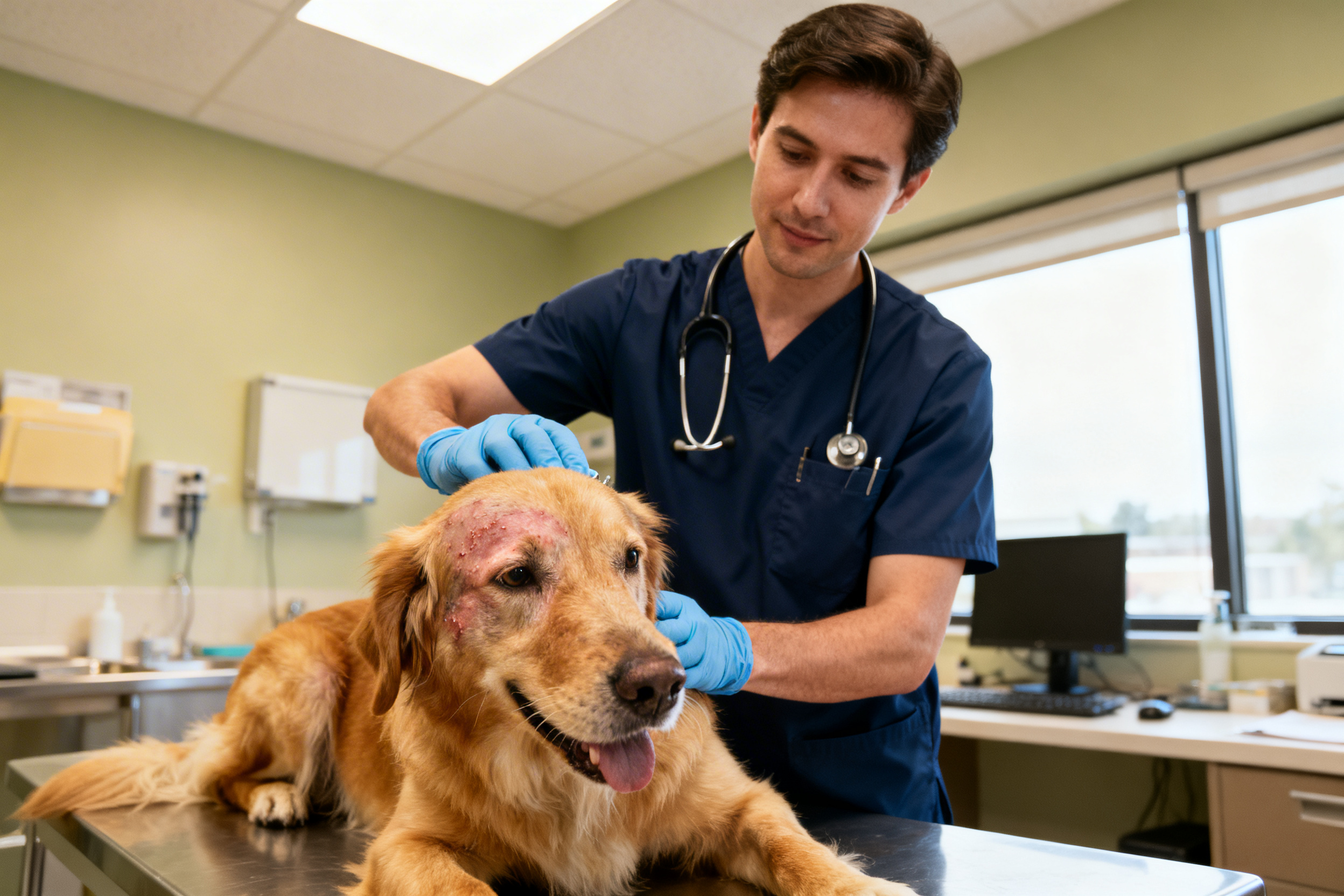
As a dog parent, watching your pup suffer from constant itching, red skin, or digestive issues can feel heartbreaking. You’ve tried switching foods, bathed them in special shampoos, and yet that scratching persists. If you’re searching for how to cure dog allergies permanently, you’re not alone—and there is hope. While veterinary science considers allergies a lifelong condition, the right combination of treatments can eliminate symptoms entirely, giving your dog the comfortable, happy life they deserve.

This comprehensive guide explores evidence-based strategies to cure dog allergy symptoms in 2026, from identifying triggers to implementing holistic treatments that address the root cause, not just the scratching.

The Truth About Curing Dog Allergies
Before diving into solutions, it’s important to understand what “cure” means in veterinary contexts. True allergies involve an overactive immune response that cannot be eliminated entirely. However, clinical remission—where symptoms completely disappear—is absolutely achievable through proper management.
Dog allergies typically fall into three categories:
- Environmental allergies (atopy): Pollen, dust mites, mold, and grass
- Flea allergy dermatitis: Hypersensitivity to flea saliva
- Food allergies: Protein sources like chicken, beef, dairy, or wheat
According to veterinary dermatology research from Cornell University College of Veterinary Medicine, most dogs suffer from multiple allergy types simultaneously, requiring a multifaceted treatment approach.
How to Cure Dog Allergies: The 5-Step Protocol
Achieving symptom-free status requires addressing both immediate relief and long-term immune health. Follow this systematic approach:
Step 1: Elimination Diet Trial (12-16 Weeks)
Food allergies are the only type that can be truly “cured” through avoidance. Begin with a novel protein or hydrolyzed diet prescribed by your veterinarian. This isn’t simply switching brands—it requires strict elimination of all treats, table scraps, and flavored medications.
Monitor for identifying dog allergy symptoms like ear infections, paw licking, and gastrointestinal upset. Improvement typically begins within 4-6 weeks, but full immune calming requires the full 16-week commitment.
Step 2: Environmental Control
For environmental allergies, minimize exposure through:
- HEPA air purifiers in main living areas
- Weekly washing of bedding in hot water (130°F)
- Hard flooring instead of carpets where possible
- Wiping paws and coat after outdoor exposure
Step 3: Flea Prevention (Year-Round)
Flea allergy dermatitis can mimic other allergies and requires rigorous prevention. Even one flea bite can trigger weeks of itching in sensitive dogs. Use veterinary-approved preventatives monthly, regardless of season.
Step 4: Immune Modulation Therapy
Allergen-specific immunotherapy (allergy shots or oral drops) remains the closest thing to a true cure for environmental allergies. This treatment gradually desensitizes your dog’s immune system over 6-12 months. Studies show 60-80% of dogs experience significant improvement, with some achieving complete remission.
Step 5: Gut Health Optimization
Emerging research connects allergic reactions to gut microbiome imbalance. Supporting digestive health reduces systemic inflammation and improves immune tolerance.
Natural Remedies That Support Allergy Cures
While pharmaceuticals manage acute symptoms, natural supplements address underlying inflammation and immune dysfunction. When learning how to cure dog allergies holistically, consider these evidence-backed options:
Omega-3 Fatty Acids
High-quality fish oil reduces skin inflammation and strengthens the skin barrier. Look for products containing EPA and DHA from wild-caught sources.
Probiotic Therapy
Specific strains like Lactobacillus and Bifidobacterium modulate immune responses. A diverse probiotic blend helps regulate the gut-skin axis, reducing allergic flare-ups.
Herbal Anti-Inflammatories
Botanicals such as licorice root (natural corticosteroid alternative), turmeric (curcumin), and echinacea support immune balance without the side effects of long-term steroid use.
For pet parents seeking an all-in-one solution, ROROCA Allergy Chews combine these research-backed ingredients into a convenient daily treat. Each chew contains a 6-strain Probiotic Blend to restore gut health, Salmon Oil for skin barrier support, Licorice Root Extract for soothing inflammation, Curcuma Longa Extract (Turmeric) for antioxidant protection, and Echinacea Extract for immune modulation. This synergistic approach targets multiple allergy pathways simultaneously, supporting your goal of eliminating symptoms rather than just masking them.
When Veterinary Intervention Becomes Essential
While home management succeeds for mild cases, certain situations require immediate professional care. Contact your veterinarian if your dog exhibits:
- Open sores or hot spots from excessive scratching
- Ear infections that recur monthly
- Respiratory distress or facial swelling
- Loss of appetite concurrent with skin issues
- No improvement after 8 weeks of dietary changes
Prescription medications like Apoquel, Cytopoint, or corticosteroids may be necessary temporarily to break the itch-scratch cycle while long-term solutions take effect.
Long-Term Prevention Strategies
Maintaining an allergy-free state requires ongoing vigilance:
Seasonal Adjustments
Increase bathing frequency during high-pollen seasons using hypoallergenic shampoos. Wipe down coats daily with damp microfiber cloths to remove allergens.
Nutritional Consistency
Once you identify a working hypoallergenic diet for dogs, maintain strict adherence. Rotate protein sources only under veterinary guidance to prevent new sensitivities from developing.
Skin Barrier Maintenance
Apply veterinary-recommended moisturizers to dry paw pads and noses. A healthy lipid barrier prevents allergens from penetrating the skin and triggering reactions.
Stress Reduction
Cortisol spikes from anxiety exacerbate inflammatory responses. Maintain consistent routines, provide mental enrichment, and ensure adequate exercise to keep stress hormones balanced.
Frequently Asked Questions
Can dog allergies be cured permanently?
Food allergies can be eliminated permanently by strictly avoiding trigger ingredients. Environmental allergies cannot be cured but can enter complete remission through immunotherapy and lifestyle management, appearing “cured” as long as maintenance protocols continue.
How long does it take to cure dog allergy symptoms?
Initial improvement typically occurs within 2-4 weeks of proper treatment, with significant relief by 8-12 weeks. Complete remission, where symptoms disappear entirely, generally requires 6-12 months of consistent therapy, particularly for immunotherapy treatments.
Are natural allergy remedies safe for all dogs?
Most natural supplements are safe, but individual sensitivities vary. Ingredients like licorice root should be avoided in dogs with hypertension or kidney disease. Always consult your veterinarian before starting new supplements, especially if your dog takes prescription medications.
Why do allergy symptoms return after stopping medication?
Symptoms recur because medications like antihistamines and steroids suppress symptoms rather than addressing immune dysfunction. Sustainable cures require rebuilding gut health, eliminating triggers, and desensitizing the immune system through methods like allergen-specific immunotherapy.
Can I cure my dog’s allergies without steroids?
Yes, many dogs achieve symptom control through dietary management, fatty acid supplementation, probiotics, and environmental controls alone. Severe cases may need short-term steroids to prevent skin damage, but long-term steroid-free maintenance is possible with commitment to holistic protocols.
Do air purifiers really help cure dog allergies?
Air purifiers with HEPA filters significantly reduce airborne allergens like pollen and dust mites, decreasing the allergen load your dog’s immune system must process. While not a standalone cure, they are essential environmental control tools that improve treatment outcomes by 40-60% when combined with other therapies.
Conclusion
Learning how to cure dog allergies requires patience, consistency, and a willingness to address both symptoms and root causes. While allergies may remain present in your dog’s biology, the right combination of dietary management, environmental control, immune support, and targeted supplementation can eliminate visible suffering completely.
Start with an elimination diet and environmental audit, then layer in immune-supporting solutions like ROROCA Allergy Chews to rebuild your dog’s natural defenses. Remember, every dog responds differently—what matters is finding your pet’s unique formula for an itch-free, comfortable life. Consult your veterinarian to develop a personalized cure protocol, and look forward to the day when scratching becomes a distant memory.