

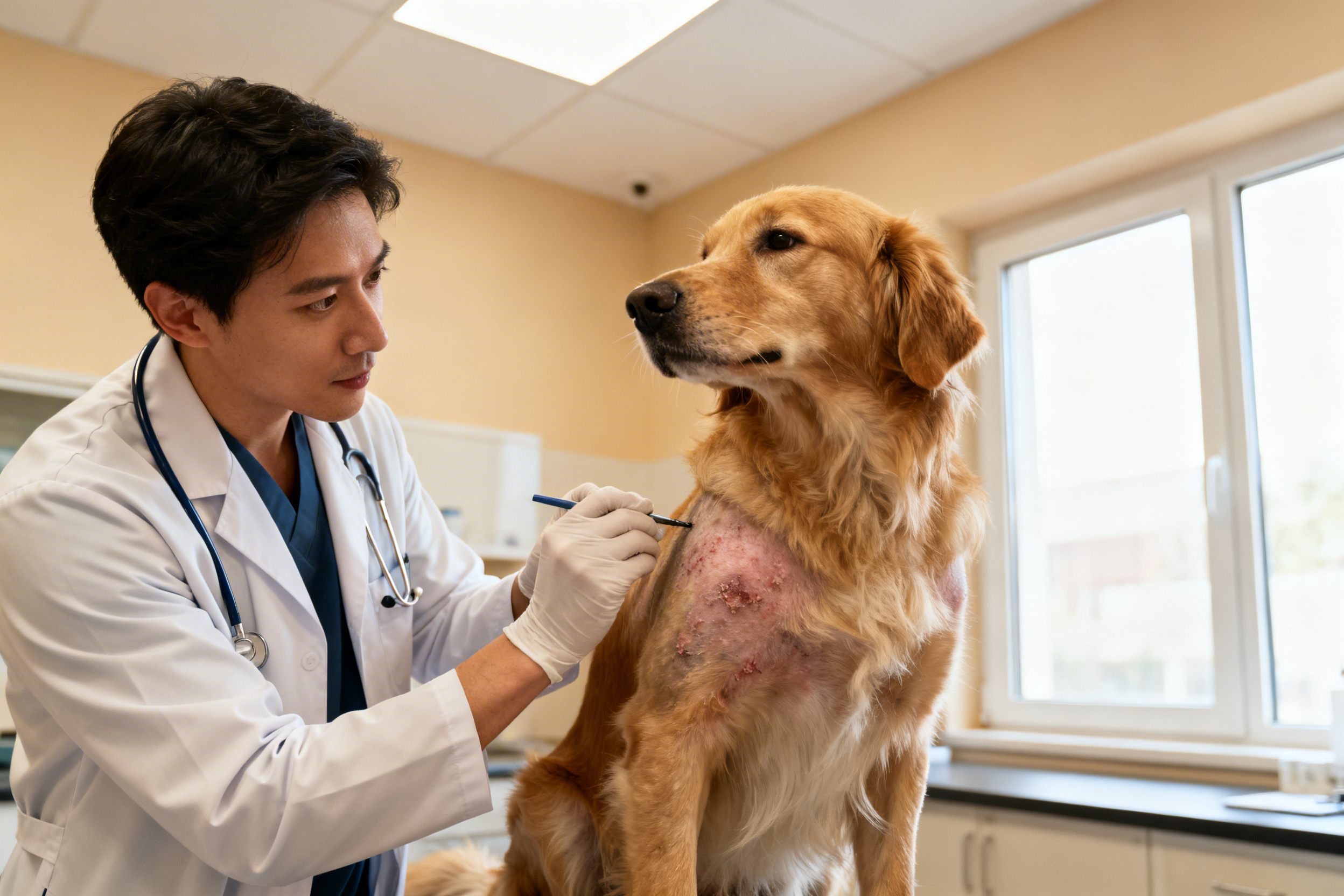
When Max started scratching his ears raw at 2 AM, Sarah knew something was wrong. Like millions of dog owners, she faced the frustrating reality of canine allergies—watching her beloved Golden Retriever suffer from relentless itching, red skin, and constant paw-licking. If you’re wondering how to treat allergies in dogs effectively without breaking the bank or watching your pup suffer, you’re not alone. This comprehensive guide covers everything from immediate relief strategies to long-term management solutions that actually work in 2026.
Understanding the Types of Dog Allergies
Before diving into treatments, it’s crucial to understand what you’re fighting. Canine allergies generally fall into three categories, each requiring different approaches for effective management.
Environmental Allergies (Atopy)
Just like humans, dogs react to pollen, mold, dust mites, and grass. These allergens enter through the skin or respiratory system, triggering histamine release. Seasonal patterns often emerge—spring and fall typically see spikes in veterinary visits for atopic dermatitis.
Food Sensitivities
Proteins like chicken, beef, dairy, and wheat top the list of canine food allergens. Unlike true allergies, food sensitivities involve delayed immune responses, making them tricky to diagnose. Symptoms often include chronic ear infections, gastrointestinal upset, and non-seasonal itching.
Flea Allergy Dermatitis
Even a single flea bite can trigger intense allergic reactions in sensitive dogs. The flea saliva contains proteins that cause severe itching, hair loss, and secondary skin infections. This represents the most common skin disease in dogs and the easiest to prevent.

How to Treat Allergies in Dogs at Home
Many mild to moderate allergy cases respond well to home management strategies. These approaches provide relief while you determine if veterinary intervention becomes necessary.
Immediate Itch Relief Techniques
Cool water baths using colloidal oatmeal shampoo offer instant soothing for inflamed skin. Aim for lukewarm—not hot—water, and avoid over-bathing, which strips natural oils. After bathing, apply coconut oil to dry patches; its lauric acid provides antimicrobial and moisturizing benefits.
Foot soaks become essential for dogs with pollen allergies. Simply rinsing paws after outdoor walks removes allergens before your dog can lick them off and ingest them. Keep hypoallergenic baby wipes by the door for quick cleanups during high-pollen days.
Dietary Modifications
Transitioning to a limited-ingredient diet helps eliminate potential triggers. Novel protein sources like duck, venison, or kangaroo paired with sweet potatoes often resolve food-related symptoms. The elimination diet process requires patience—plan for 8-12 weeks of strict dietary control before evaluating results.
Adding omega-3 fatty acids through fish oil supplements reduces systemic inflammation. Studies from veterinary dermatology journals consistently show that EPA and DHA supplementation improves skin barrier function and reduces inflammatory cytokines in allergic dogs.
Environmental Controls
HEPA air purifiers remove airborne allergens from your home environment. Wash dog beds weekly in hot water to kill dust mites, and switch to hypoallergenic laundry detergents free from fragrances and dyes. For outdoor allergies, walk your dog during times of day when pollen counts are lowest—typically early morning or after rain.

Medical Treatments: When Home Care Isn’t Enough
Sometimes recognizing dog allergy symptoms early leads to professional intervention before secondary infections develop. Severe or chronic cases require veterinary oversight.
Pharmaceutical Options
Apoquel (oclacitinib) and Cytopoint represent modern targeted therapies that block itch signals without the side effects of steroids. Apoquel works within four hours, making it ideal for acute flare-ups. Cytopoint, an injectable biological treatment, provides relief for four to eight weeks per dose.
Traditional antihistamines like Benadryl (diphenhydramine), Zyrtec (cetirizine), and Claritin (loratadine) help approximately 30% of dogs, though effectiveness varies significantly by individual. Never administer human medications without veterinary dosage guidance—toxicity risks exist, especially with combination cold medicines containing decongestants.
Immunotherapy (Allergy Shots)
For dogs with specific environmental allergies identified through intradermal skin testing or blood panels, allergen-specific immunotherapy offers the only potentially curative treatment. Over six to twelve months, increasing doses of allergens train the immune system to tolerate rather than react to triggers. Success rates hover around 70-75% for significant improvement.
Treating Secondary Infections
Chronic scratching inevitably leads to bacterial and yeast skin infections requiring antibiotic or antifungal therapy. Malassezia yeast overgrowth commonly accompanies allergies, presenting with greasy skin and distinctive “corn chip” odor. Your vet may prescribe oral medications, medicated shampoos containing chlorhexidine or miconazole, or topical sprays.
Long-Term Management and Prevention Strategies
Successfully managing canine allergies requires consistency. The goal shifts from cure to control, creating sustainable routines that minimize flare-ups.
Integrating Natural Supplements
Supporting your dog’s immune system from within provides foundational relief. ROROCA Allergy Chews offer a comprehensive approach to allergy management through their science-backed formula. These soft chews combine a 6-strain Probiotic Blend to support gut health—where 70% of the immune system resides—with Salmon Oil for anti-inflammatory omega fatty acids.
The addition of Licorice Root Extract provides natural corticosteroid-like effects without immunosuppression risks, while Curcuma Longa Extract (Turmeric) delivers potent antioxidant and anti-inflammatory benefits. Echinacea Extract rounds out the formula by modulating immune responses rather than simply suppressing them. Many pet parents report reduced scratching and improved coat quality within three to four weeks of consistent supplementation.
Skin Barrier Support
Allergic dogs possess defective skin barriers allowing allergens to penetrate easily. Prescription leave-on conditioners containing ceramides and phytosphingosine repair this barrier. Weekly applications reduce trans-epidermal water loss and allergen absorption.
Regular Monitoring
Keep an allergy diary tracking symptoms, seasonal patterns, and dietary changes. Photograph skin conditions weekly to track improvements or deterioration objectively. This documentation proves invaluable during veterinary consultations, helping identify triggers and treatment efficacy.
How to Choose the Right Treatment Plan for Your Dog
Selecting appropriate interventions depends on allergy severity, your dog’s age, and lifestyle factors. Puppies under six months rarely develop true environmental allergies—food sensitivities or parasites typically cause symptoms in younger dogs.
| Severity Level | Symptoms | Recommended Approach |
|---|---|---|
| Mild | Occasional scratching, slight redness | Environmental controls, omega-3 supplements, hypoallergenic dog food options |
| Moderate | Daily scratching, ear infections, hair loss | Vet consultation, antihistamines, medicated shampoos, immune support supplements |
| Severe | Constant scratching, open sores, behavioral changes | Immediate veterinary care, Apoquel/Cytopoint, antibiotics for infections, immunotherapy evaluation |
Remember that chronic skin conditions in dogs often require multi-modal therapy—combining several treatment types simultaneously for best results. Never discontinue prescribed medications abruptly, and always consult your veterinarian before adding new supplements to pharmaceutical regimens.
Frequently Asked Questions
Can I give my dog Benadryl for allergies?
Yes, Benadryl (diphenhydramine) is generally safe for dogs at 1 mg per pound of body weight, given 2-3 times daily. However, it only helps approximately 30% of dogs and causes drowsiness. Avoid combination products containing pseudoephedrine or acetaminophen, which are toxic to dogs. Always consult your veterinarian before starting any medication regimen.
How long does it take to see improvement when treating dog allergies?
Relief timelines vary by treatment type. Antihistamines work within hours, while immunotherapy requires 6-12 months for full effect. Dietary changes need 8-12 weeks before evaluation. Natural supplements like ROROCA Allergy Chews typically show results within 3-4 weeks of consistent daily use as ingredients accumulate in the system.
Are there completely natural ways to treat dog allergies?
Natural approaches include quercetin supplementation (nature’s Benadryl), aloe vera applications for hot spots, apple cider vinegar diluted rinses for yeast control, and rigorous environmental management. While effective for mild cases, moderate to severe allergies usually require integration of conventional and natural therapies for adequate quality of life.
When should I take my dog to the vet for allergies?
Seek immediate veterinary care if your dog develops facial swelling, difficulty breathing, or hives covering large body areas. Schedule appointments for persistent scratching lasting more than three days, hair loss, skin odor, ear infections, or if home treatments fail to provide relief within one week.
Can dog allergies be cured permanently?
Food allergies can be “cured” through strict avoidance of trigger ingredients. Environmental allergies cannot be cured, only managed. Immunotherapy offers the closest solution to permanent relief, with some dogs maintaining remission years after completing treatment protocols. Lifelong management typically remains necessary for atopic dogs.
What is the best treatment for seasonal allergies in dogs?
The most effective seasonal allergy treatment combines preemptive medication (starting 2-4 weeks before pollen season), frequent bathing to remove allergens from the coat, paw washing after outdoor exposure, and immune-modulating supplements. For severe seasonal cases, Cytopoint injections provide reliable relief without daily pills.
Conclusion
Learning how to treat allergies in dogs requires patience, observation, and often professional guidance. While the journey to relief feels overwhelming initially, today’s treatment options—from targeted biologics to natural immune support like ROROCA Allergy Chews—offer genuine solutions for suffering pups. Start with environmental controls and dietary optimization, escalate to veterinary interventions when necessary, and maintain consistent care routines. Your dog’s comfort depends on your persistence, but the reward of watching your best friend rest peacefully without scratching makes every effort worthwhile. Always partner with your veterinarian to create personalized treatment plans, and remember that managing allergies is a marathon, not a sprint.