

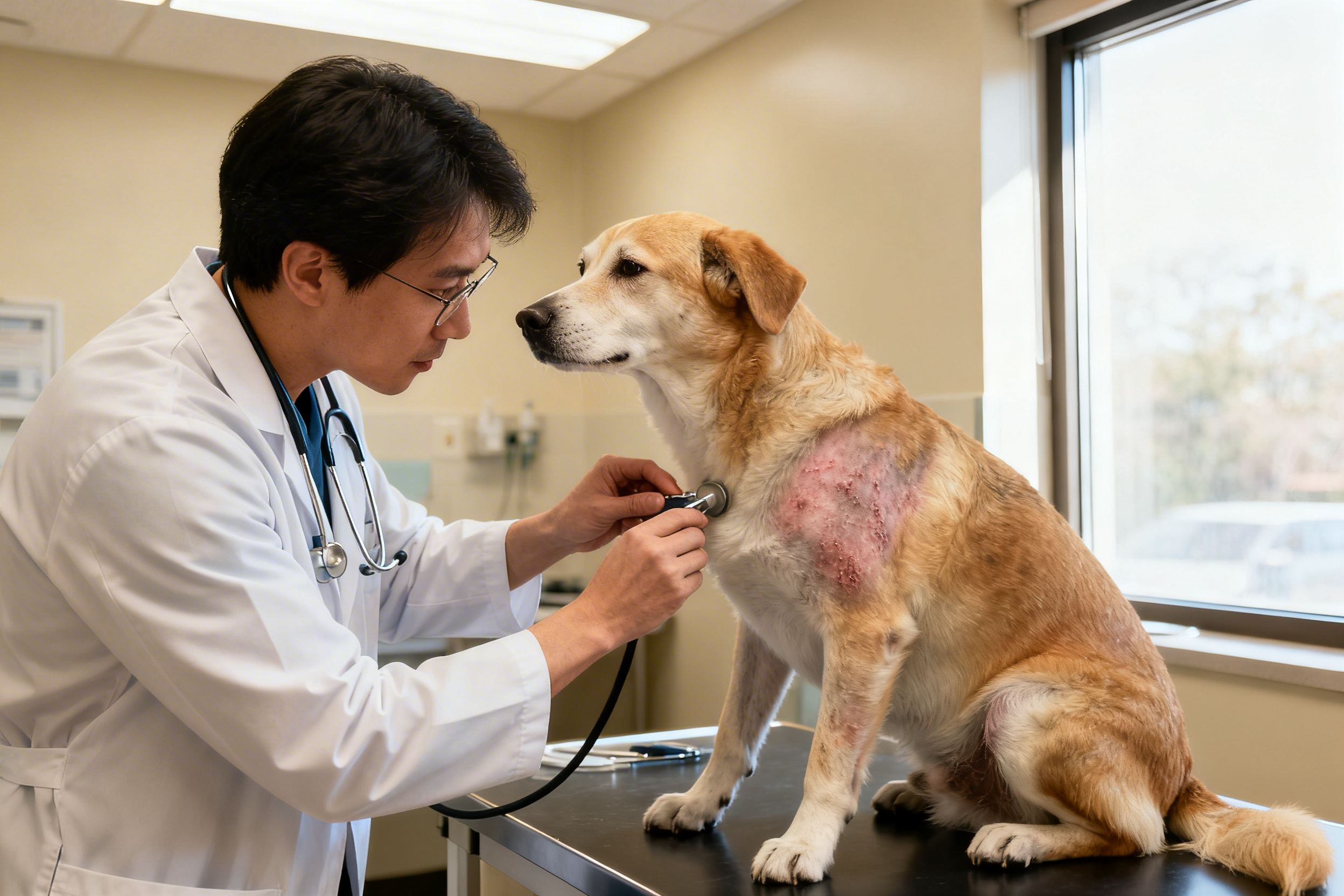
When Luna started losing patches of fur and obsessively licking her paws at 2 AM, I knew we weren’t dealing with simple dry skin. After three vet visits and an elimination diet that tested my patience, we discovered she was allergic to chicken and beef—two proteins found in nearly 80% of commercial dog foods. If you’re searching for what is the best dog food for dogs with allergies, you’re likely facing similar sleepless nights and overwhelming choices. This comprehensive guide cuts through the marketing noise to reveal evidence-based nutritional strategies that actually work for allergic dogs, from novel proteins to hydrolyzed formulas and strategic supplementation.
Understanding Food Allergies vs. Environmental Triggers
Before switching foods, it’s crucial to confirm you’re actually dealing with a dietary allergy. True dog food allergy testing reveals that only 10% of canine allergies are food-related, while the majority stem from environmental factors like pollen, dust mites, or flea saliva. However, food allergies tend to produce year-round symptoms that don’t wax and wane with seasons.
Food allergies occur when your dog’s immune system mistakenly identifies a protein—typically from beef, dairy, chicken, wheat, soy, or eggs—as a threat. This triggers an inflammatory response manifesting as chronic ear infections, gastrointestinal upset, or the telltale itchy skin that drives dogs (and their owners) to distraction. Unlike food intolerances, which affect digestion, allergies involve the immune system and require strict avoidance of trigger ingredients.
The gold standard for diagnosis remains the 8-12 week elimination diet using a novel protein or hydrolyzed formula, followed by a provocative challenge to confirm the allergen. This process requires veterinary supervision but provides definitive answers that blood or skin tests often miss.

What Is the Best Dog Food for Dogs with Allergies? Top Categories for 2026
Determining what is the best dog food for dogs with allergies depends on your pet’s specific triggers, age, and concurrent health conditions. The 2026 market offers three primary categories proven effective for allergic dogs:
1. Veterinary Prescription Hydrolyzed Diets
These formulas break proteins into molecules so small that the immune system cannot recognize them as allergens. Brands like Royal Canin Ultamino, Hill’s Prescription Diet z/d, and Purina Pro Plan Veterinary Diets HA remain the most reliable option for dogs with severe, multiple allergies. While expensive and requiring veterinary authorization, hydrolyzed diets eliminate guesswork about cross-contamination or hidden ingredients.
2. Novel Protein Limited Ingredient Diets (LIDs)
For dogs with identified single-protein allergies, limited ingredient dog food options featuring unconventional proteins offer excellent results. These formulas contain one protein source and minimal carbohydrates, reducing the chance of reactions. Look for proteins your dog has never consumed, as allergies develop after exposure.
3. Homemade Balanced Diets
While tempting, DIY allergy diets require board-certified veterinary nutritionist formulation to avoid nutrient deficiencies. If pursuing this route, use supplements specifically designed to support allergic dogs.
| Protein Source | Allergenicity | Best For |
|---|---|---|
| Beef | High (34% of food allergies) | Avoid if allergic |
| Dairy | High (17% of food allergies) | Avoid if allergic |
| Chicken | High (15% of food allergies) | Avoid if allergic |
| Wheat | Moderate (13% of food allergies) | Grain-sensitive dogs |
| Lamb | Moderate | Novel protein candidates |
| Salmon | Low-Moderate | Omega-3 rich diets |
| Kangaroo | Very Low | Severe multi-allergies |
| Insect (Black Soldier Fly) | Very Low | Sustainable novel protein |

Novel Protein Sources: Beyond the Basics
As conventional proteins like chicken and beef dominate commercial foods, allergic dogs increasingly require exotic alternatives. The following proteins represent the frontier of hypoallergenic nutrition in 2026:
Kangaroo remains the least allergenic mammalian protein available, with virtually no documented allergic reactions in dogs previously unexposed. Its lean profile and high bioavailability make it ideal for elimination diets, though cost and availability remain limiting factors.
Rabbit offers another highly digestible option, though some dogs allergic to poultry may cross-react. Always source from reputable manufacturers using 100% rabbit without chicken fat or natural flavoring additives.
Insect protein, specifically black soldier fly larvae, has emerged as a sustainable, hyper-allergenic novel protein. Rich in lauric acid and easily digestible, these formulas work for dogs who’ve failed traditional novel proteins.
Venison and bison work well for many dogs, but increasing use in “gourmet” treats means some dogs have already developed sensitivities. Always verify your dog has zero previous exposure before committing to an 8-week trial.
Hydrolyzed Protein Diets: When Novel Proteins Fail
For dogs with multiple protein allergies or those who’ve reacted to every novel protein available, hydrolyzed diets represent the nuclear option—in the best possible way. Through enzymatic hydrolysis, manufacturers break protein molecules into peptides and amino acids too small to trigger immune responses.
The 2026 formulations have improved significantly from earlier generations that dogs rejected due to palatability issues. Modern hydrolyzed foods use soy, chicken, or salmon as base proteins, but the hydrolysis process removes allergenic epitopes. This means a dog allergic to chicken can safely consume hydrolyzed chicken protein.
Studies from Tufts University Cummings School of Veterinary Medicine demonstrate that hydrolyzed diets resolve clinical signs in 80-90% of dogs with cutaneous adverse food reactions when strict compliance is maintained. The key is preventing dietary indiscretion—no treats, table scraps, or flavored medications during the trial period.
Limited Ingredient vs. Grain-Free: Making the Evidence-Based Choice
The grain-free trend has confused many pet parents seeking solutions for allergic dogs. While grain-free foods eliminate wheat, corn, and soy, they often substitute with legumes like peas and lentils, which can trigger sensitivities in their own right. More critically, the FDA continues investigating potential links between grain-free diets and dilated cardiomyopathy (DCM), particularly in breeds not typically predisposed to the condition.
For allergic dogs, limited ingredient diets often prove superior to grain-free options. LIDs focus on reducing the total number of ingredients—typically featuring one protein and one carbohydrate—rather than eliminating grains specifically. This approach addresses the actual mechanism of food allergies (protein reactions) while maintaining nutritional balance.
If your dog requires grain elimination, consider ancient grains like quinoa or millet rather than legume-heavy formulations. These provide fiber and nutrients without the common allergenic properties of wheat or the potential cardiac risks associated with pulse-heavy grain-free diets.
When transitioning between foods, implement a gradual 7-10 day switch to prevent gastrointestinal upset that might be mistaken for an allergic reaction. Mix 75% old food with 25% new for three days, then 50/50 for three days, followed by 25/75 before fully transitioning.
Supporting Dietary Changes with Targeted Supplementation
Even the best hypoallergenic food benefits from nutritional support that addresses the inflammatory cascade caused by allergies. While diet eliminates the trigger, supplements can repair the skin barrier and modulate immune overreactions.
Omega-3 fatty acids from marine sources reduce skin inflammation and improve barrier function. However, allergic dogs often require therapeutic doses (30-50mg EPA+DHA per kg body weight) exceeding what food alone provides.
Probiotics play an increasingly recognized role in allergy management. The gut-skin axis means that dysbiosis in the microbiome can exacerbate allergic dermatitis. Look for multi-strain formulations containing Lactobacillus and Bifidobacterium species.
For comprehensive support, consider adding ROROCA Allergy Chews to your dog’s regimen. These veterinary-formulated soft chews combine a potent 6-strain Probiotic Blend with Salmon Oil for omega-3 support. The addition of Licorice Root Extract provides natural corticosteroid-sparing anti-inflammatory effects, while Curcuma Longa Extract (Turmeric) and Echinacea Extract modulate immune responses and support skin healing. Unlike many supplements that contain hidden allergens like chicken flavoring, ROROCA uses clean, limited ingredients compatible with elimination diets.
Remember that supplements require 4-6 weeks to show full effects, so patience remains essential alongside dietary management.
Frequently Asked Questions About Hypoallergenic Dog Nutrition
How do I know if my dog needs hypoallergenic food rather than environmental allergy treatment?
Food allergies typically cause non-seasonal itching, recurrent ear infections, and gastrointestinal symptoms like loose stools or vomiting. If your dog’s symptoms persist year-round without improvement from antihistamines or flea control, or if they present with both skin and GI issues, a dietary elimination trial is warranted. Environmental allergies usually flare during specific seasons or respond partially to antihistamines.
What ingredients should I absolutely avoid in dog food for allergies?
Beyond your dog’s specific trigger proteins, avoid foods containing “meat by-products,” “animal digest,” or “natural flavoring,” as these vague terms often mask chicken or beef derivatives. Also watch for chicken fat in “lamb and rice” formulas—while most allergic dogs tolerate chicken fat (which contains minimal protein), severely allergic individuals may react. Corn, wheat, and soy serve as common fillers that trigger sensitivities in some dogs.
Is grain-free always better for dogs with allergies?
No. Only dogs with specific grain allergies benefit from grain-free diets. In fact, grains cause fewer allergic reactions than common proteins like beef or chicken. The 2026 veterinary consensus recommends grain-inclusive foods with wholesome grains (oats, barley, rice) over legume-heavy grain-free options unless a specific grain allergy is diagnosed.
How long does it take to see improvement after switching to hypoallergenic food?
Expect 8-12 weeks of strict compliance before evaluating results. While some dogs show improvement in 3-4 weeks, skin cells turn over slowly, and residual allergens must clear the system. Any cheating during this period—including non-hypoallergenic dog treats, dental chews, or flavored medications—invalidates the trial.
Can I make homemade dog food for allergies instead of buying commercial brands?
Homemade diets require formulation by a board-certified veterinary nutritionist to prevent calcium deficiencies, taurine deficiencies, or vitamin imbalances. While possible, DIY allergy diets often fail because owners unknowingly include allergenic ingredients or fail to balance nutrients. If pursuing homemade food, use a service like Balance IT or PetDiets.com for veterinary-formulated recipes specific to your dog’s allergies.
What is the best protein for dogs with severe multiple allergies?
Kangaroo, alligator, and insect protein (black soldier fly) show the lowest allergic potential because dogs have minimal previous exposure. However, for dogs who’ve exhausted all novel proteins, hydrolyzed protein diets remain the only reliable option, as they eliminate allergenic potential entirely through molecular breakdown.
Why is my dog still itching on hypoallergenic food?
Common culprits include cross-contamination (using the same scoop for old and new food), treats containing allergens, flavored medications or supplements, and environmental allergies masquerading as food allergies. Additionally, secondary yeast or bacterial infections require treatment alongside dietary management—food alone won’t resolve infected skin.
Finding Relief Through Nutritional Precision
Determining what is the best dog food for dogs with allergies requires patience, veterinary partnership, and strict adherence to elimination protocols. Whether you choose a prescription hydrolyzed diet, a novel protein LID, or carefully sourced homemade meals, consistency remains the determining factor between continued suffering and lasting relief.
Remember that diet represents just one pillar of allergy management. Supporting your dog’s skin barrier with appropriate supplements, treating secondary infections promptly, and avoiding environmental triggers creates the comprehensive approach necessary for success. Consider integrating ROROCA Allergy Chews into your management plan to provide the probiotic, anti-inflammatory, and immune-modulating support that even the best hypoallergenic foods cannot fully supply.
While the journey to an allergy-free life requires diligence, watching your dog sleep peacefully through the night—without scratching—makes every label-reading session and veterinary consultation worthwhile. Start your elimination trial today, and reclaim your dog’s comfort one meal at a time.