

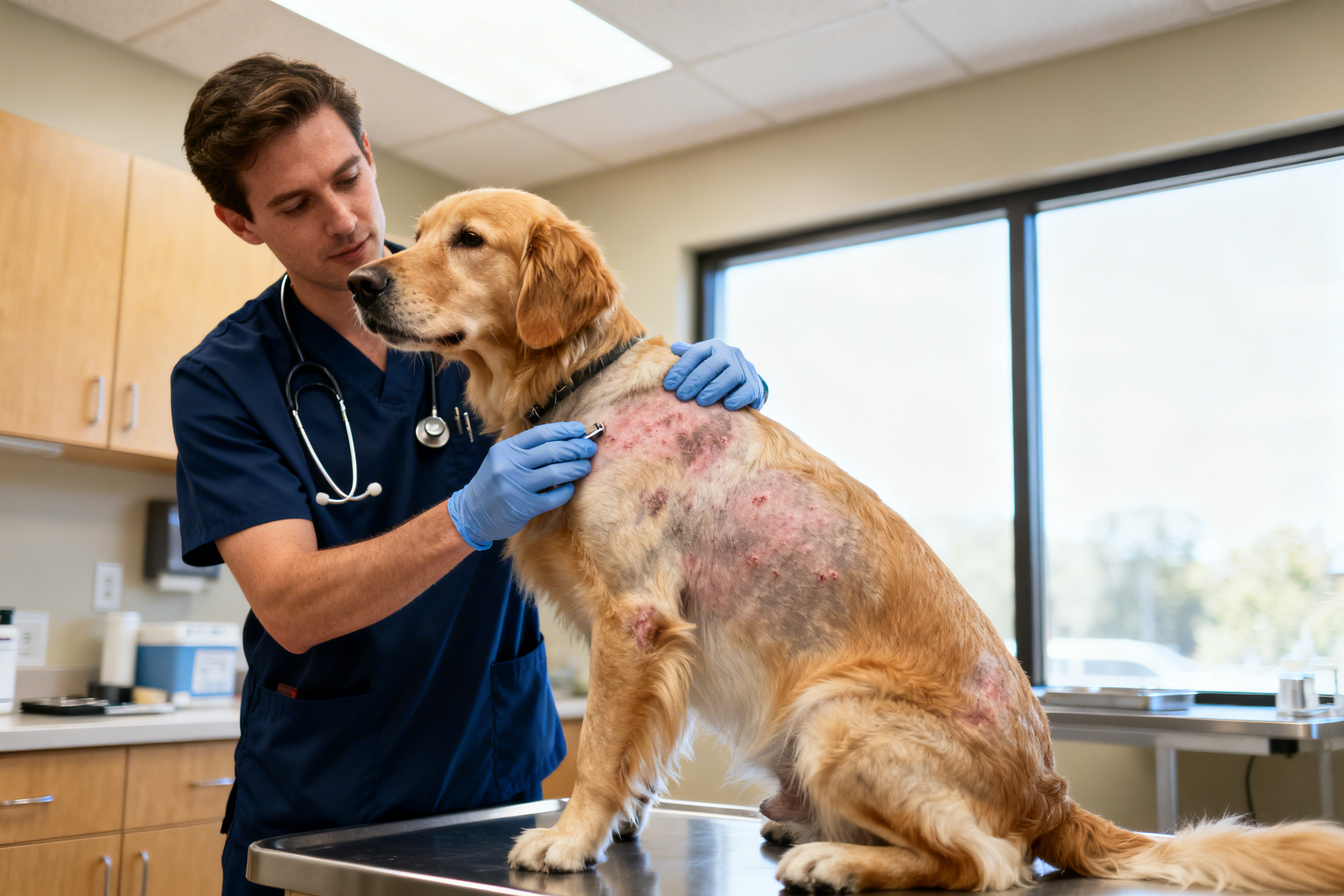
As a dog parent, watching your pup suffer through endless scratching, red eyes, or swollen paws is absolutely heartbreaking. You want relief for your furry friend—and you want it fast. When seasonal pollen strikes or a bee sting causes sudden swelling, you might find yourself wondering: can dogs take Benadryl for allergies?

The short answer is yes, but with critical caveats that every pet owner must understand before reaching for the medicine cabinet. While diphenhydramine (the active ingredient in Benadryl) is generally considered safe for canines, proper dosing, timing, and understanding when NOT to use it can mean the difference between helping your dog and causing harm.

In this comprehensive 2026 guide, we’ll explore everything you need to know about using antihistamines for your dog’s allergic reactions, including exact dosage guidelines, potential side effects, and natural alternatives that support long-term immune health.
Can Dogs Take Benadryl for Allergies? The Quick Answer
Yes, veterinarians commonly recommend Benadryl for mild to moderate allergic reactions in dogs, including symptoms like itching, hives, swelling, and redness. The standard dosage is typically 1 milligram per pound of body weight, given 2-3 times daily. However, this over-the-counter medication only masks symptoms temporarily and does not address underlying signs of allergic reactions in dogs.
Before administering any medication, consider these essential factors:
- Your dog’s current medications and health conditions
- The severity of the allergic reaction (emergency situations require immediate vet care)
- Whether your dog has glaucoma, high blood pressure, or cardiovascular disease (contraindications)
- The specific formulation (avoid combination products containing decongestants)
Understanding How Benadryl Works in Canines
Benadryl functions as an H1 receptor antagonist, blocking histamine—the chemical responsible for triggering those frustrating allergy symptoms like itching, sneezing, and inflammation. When your dog encounters an allergen (whether environmental, food-based, or insect-related), their immune system releases histamine, causing blood vessels to dilate and tissues to swell.
While effective for acute reactions, Benadryl has limitations. Studies suggest that antihistamines help only about 30% of dogs with atopic dermatitis, meaning many pets receive minimal relief from seasonal or chronic allergies. Additionally, the sedative effects, while sometimes beneficial for anxious dogs during storms or fireworks, can cause excessive drowsiness in sensitive animals.
It’s also worth noting that Benadryl works best for Type I hypersensitivity reactions (immediate responses like bee stings or vaccine reactions) rather than chronic skin conditions that develop over time.
Exact Benadryl Dosage Guidelines for Dogs
Getting the dosage right is crucial for your dog’s safety. The general rule of thumb approved by veterinary professionals is:
1 mg per pound of body weight, administered 2-3 times daily
Practical Dosage Chart
| Dog Weight | Liquid Benadryl (12.5 mg/5ml) | Tablet Benadryl (25 mg) |
|---|---|---|
| 10 lbs | 4 ml | ½ tablet |
| 20 lbs | 8 ml | 1 tablet |
| 30 lbs | 12 ml | 1 tablet |
| 40 lbs | 16 ml | 1.5 tablets |
| 50+ lbs | 20 ml | 2 tablets |
Always verify that you’re using plain diphenhydramine without added ingredients like acetaminophen or pseudoephedrine, which are toxic to dogs. Children’s liquid formulations often make dosing easier for small breeds, but check that they don’t contain xylitol—a sugar substitute deadly to canines.
When Benadryl Helps vs. When to Seek Alternatives
Benadryl excels in specific scenarios but falls short in others. Understanding these distinctions prevents wasted time and unnecessary discomfort for your pet.
Situations Where Benadryl Works Well
Acute allergic reactions to insect bites or stings respond quickly to antihistamines. If your dog develops hives after encountering poison ivy or experiences mild facial swelling from a vaccine, Benadryl can provide rapid relief within 30 minutes to an hour. Some veterinarians also recommend it for motion sickness during car rides, though newer medications often work better with fewer side effects.
When Benadryl Falls Short
Chronic atopic dermatitis, food allergies, and flea allergy dermatitis typically require more robust treatment protocols. If your dog suffers from persistent ear infections, hot spots, or year-round itching, Benadryl merely scratches the surface. These conditions demand addressing root causes through dietary changes, immune support, or prescription medications like Apoquel or Cytopoint.
For long-term management, many pet parents are turning to natural remedies for canine allergies that support the immune system rather than just suppressing histamine.
Natural Alternatives for Long-Term Allergy Management
While Benadryl serves as a useful tool for immediate relief, building your dog’s resilience against allergens requires a different approach. Supporting gut health, reducing inflammation, and balancing the immune system can decrease dependency on antihistamines over time.
ROROCA Allergy Chews offer a veterinarian-formulated solution designed specifically for canine immune support. Unlike temporary fixes, these chews target allergy symptoms at their source through a synergistic blend of ingredients:
The 6-strain Probiotic Blend supports the gut-skin axis, recognizing that 70% of your dog’s immune system resides in their digestive tract. Salmon Oil provides omega-3 fatty acids that naturally reduce skin inflammation and improve coat quality. Licorice Root Extract acts as a natural corticosteroid without the harsh side effects of pharmaceutical steroids, while Curcuma Longa Extract (Turmeric) offers powerful anti-inflammatory properties. Finally, Echinacea Extract helps modulate immune responses, preventing overreactions to harmless environmental triggers.
These chews work best as daily supplements for dogs with seasonal allergies or chronic skin sensitivities, potentially reducing the frequency with which you need to ask “can dogs take Benadryl for allergies” during flare-ups.
Potential Side Effects and Safety Concerns
Even safe medications carry risks. While Benadryl has a wide safety margin in dogs, adverse reactions can occur, particularly in certain breeds or health conditions.
Common Side Effects
The most frequent adverse reaction is excessive sedation or drowsiness, though some dogs experience the opposite effect—hyperexcitability and restlessness. Dry mouth, urinary retention, and diarrhea occur less commonly but warrant monitoring. Rarely, dogs may develop allergic reactions to the medication itself, presenting as increased itching or difficulty breathing.
Contraindications
Never give Benadryl to dogs with angle-closure glaucoma, as it can increase intraocular pressure. Dogs with cardiovascular disease, hyperthyroidism, or prostate enlargement should only receive antihistamines under direct veterinary supervision. Pregnant or nursing dogs also require professional guidance before administration.
If your dog takes other medications, especially sedatives, tranquilizers, or MAO inhibitors, drug interactions can amplify side effects. Always consult your vet about treating skin allergies in dogs when multiple health conditions exist.
Frequently Asked Questions
How much Benadryl can I give my dog?
The standard dosage is 1 mg per pound of body weight, given 2-3 times daily. For example, a 25-pound dog receives 25 mg per dose. Always use plain diphenhydramine without decongestants or pain relievers.
How long does Benadryl take to work in dogs?
Benadryl typically begins working within 30 minutes to one hour after administration. Effects last approximately 8 hours, which is why dosing is recommended two to three times daily for ongoing issues.
Can I give my dog Benadryl every day?
While generally safe for short-term daily use, long-term daily administration isn’t recommended without veterinary supervision. Chronic daily use can mask worsening conditions or lead to tolerance, reducing effectiveness over time. For daily allergy management, consider immune-supporting supplements instead.
What happens if I give my dog too much Benadryl?
Overdose symptoms include rapid heartbeat, dilated pupils, agitation, seizures, and extreme lethargy. If you suspect overdose, contact your veterinarian or pet poison control immediately. Never attempt to induce vomiting unless instructed by a professional.
Can puppies take Benadryl for allergies?
Veterinarians typically don’t recommend Benadryl for puppies under 12 weeks old. For older puppies, dosages must be calculated carefully based on exact weight. Puppies dehydrate faster if vomiting or diarrhea occurs, making professional guidance essential.
Is Benadryl or Zyrtec better for dogs?
Zyrtec (cetirizine) causes less drowsiness than Benadryl and requires only once-daily dosing, making it preferable for some dogs. However, Benadryl works faster for acute reactions. Neither treats the underlying allergy—both only manage symptoms.
Can I give my dog Benadryl for anxiety?
While Benadryl’s sedative effects can help mild anxiety during thunderstorms or fireworks, it’s not an anti-anxiety medication. For severe anxiety, consult your vet about prescription options or behavioral modification programs.
Conclusion
So, can dogs take Benadryl for allergies? Absolutely, but it should be one tool in your comprehensive pet care arsenal rather than the only solution. Use it wisely for acute reactions, always respecting proper dosages and watching for side effects. For chronic issues, combining occasional Benadryl use with daily immune support like ROROCA Allergy Chews—featuring probiotics, salmon oil, and botanical extracts—offers your dog the best chance at lasting comfort.
Remember, allergies indicate an immune system in overdrive. While antihistamines provide temporary relief, addressing gut health and inflammation through natural supplementation creates resilient, itch-free dogs who can enjoy every season without constant medication.
Always consult your veterinarian before starting any new treatment protocol, especially if your dog has existing health conditions or takes other medications. Your pup’s health and safety remain the top priority in every allergic episode.