

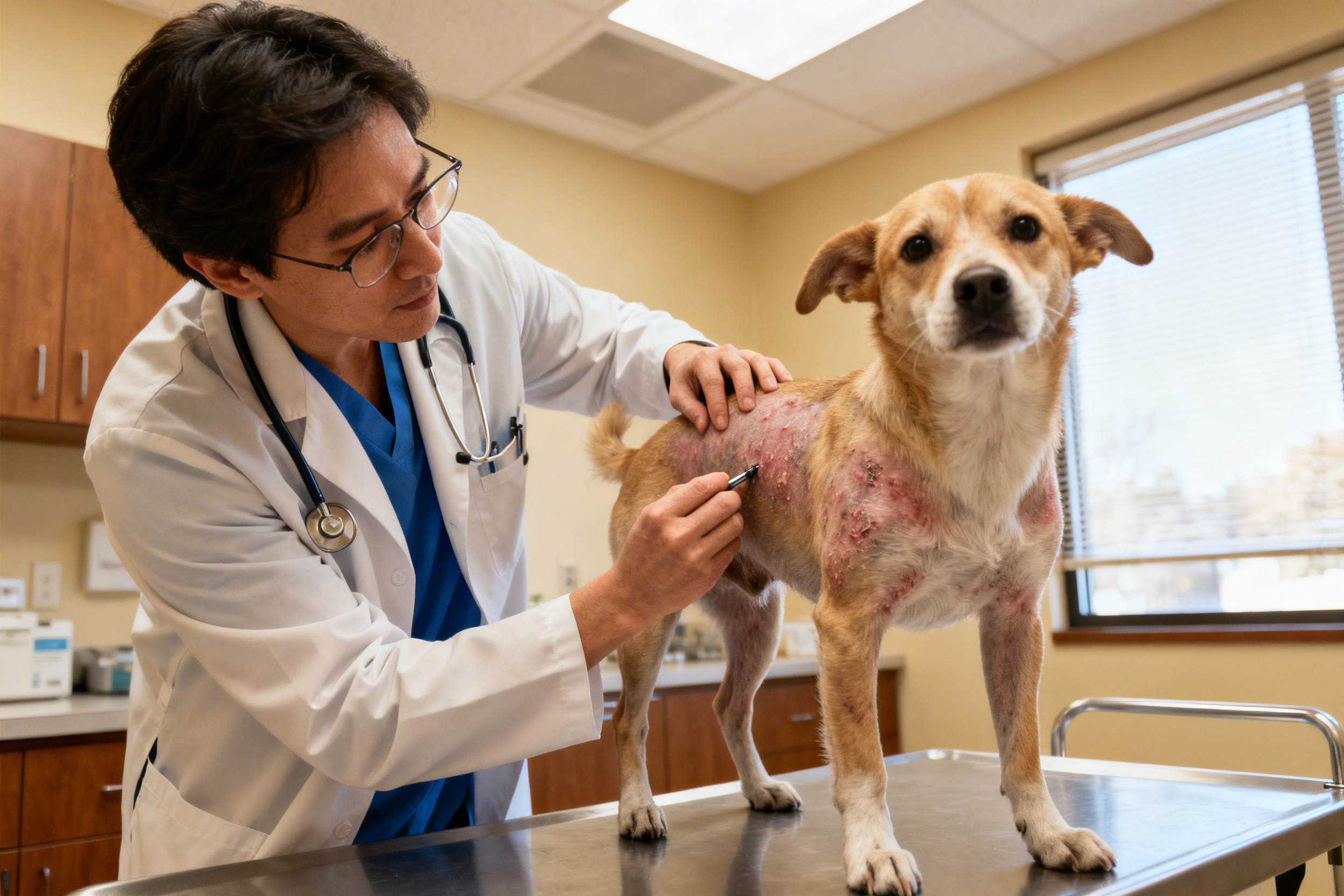
When Max started scratching relentlessly at 2 AM, his owner Sarah knew something was wrong. The constant paw-licking, red patches, and watery eyes weren’t just annoying habits—they were signs of allergic distress affecting millions of dogs annually. If you’re searching for how to relieve dog allergies effectively, you’re not alone. Canine allergic reactions rank among the top reasons for veterinary visits, causing everything from mild irritation to severe skin infections.

Understanding recognizing dog allergy symptoms early makes treatment more effective. This comprehensive guide covers evidence-based strategies to soothe your pup’s discomfort, from immediate itch relief to long-term immune support. Whether your dog suffers from seasonal pollen sensitivity or chronic food intolerances, these veterinarian-recommended approaches will help your furry friend find lasting comfort in 2026.
Understanding Canine Allergy Triggers
Before treating symptoms, identifying the root cause proves essential. Dog allergies typically fall into three categories: environmental, food-based, and flea-related. Environmental triggers include pollen, dust mites, mold spores, and grass. These seasonal offenders often cause intense itching, red skin, and ear infections during specific months.
Food allergies develop gradually, usually targeting proteins like chicken, beef, dairy, or wheat. Unlike environmental allergies, food sensitivities often present with gastrointestinal issues alongside skin problems. Flea allergy dermatitis represents the most common skin disease in dogs, where even a single bite triggers severe reactions.
Contact allergies occur when skin touches irritants like synthetic fabrics, cleaning chemicals, or certain plants. These localized reactions typically affect areas with thin fur, such as the belly or paws. Understanding your dog’s specific triggers helps determine natural remedies for dog allergies versus medical interventions.
How to Relieve Dog Allergies: Immediate Comfort Measures
When your dog won’t stop scratching, immediate relief becomes priority number one. Several safe, effective methods can reduce inflammation and break the itch-scratch cycle within hours.
Soothing Baths and Topical Treatments
Colloidal oatmeal baths provide instant relief for irritated skin. Grind plain, unflavored oatmeal into a fine powder and dissolve it in lukewarm water. Soak your dog for 10-15 minutes, focusing on red or inflamed areas. The oatmeal creates a protective barrier while reducing inflammation naturally.
Apple cider vinegar rinses help restore skin pH balance. Mix equal parts raw, unfiltered apple cider vinegar and water. Apply carefully, avoiding open wounds or raw spots. This solution kills yeast and bacteria while soothing minor irritations.
Chamomile tea compresses work wonders for hot spots and facial itching. Brew strong chamomile tea, cool completely, and apply with soft cloths. The natural compounds reduce swelling and provide cooling relief.
Paw Care and Hot Spot Management
Allergic dogs often obsessively lick their paws, creating secondary infections. Soak paws in Epsom salt solution twice daily to reduce swelling and remove allergens. Keep fur between paw pads trimmed to prevent debris accumulation.
For acute hot spots, carefully trim surrounding fur to allow air circulation. Clean the area with mild antiseptic solution and apply vet-approved hydrocortisone spray. Prevent licking with soft cones or inflatable collars while healing occurs.
Dietary Adjustments for Quick Relief
Temporarily switching to a limited ingredient diet helps identify food triggers while calming the immune system. Choose novel proteins like duck, venison, or salmon combined with sweet potato or peas. Eliminate all treats, table scraps, and flavored medications during elimination trials.
Building Immunity: How to Relieve Dog Allergies Long-Term
While immediate treatments address symptoms, lasting relief requires immune system support. Strengthening your dog’s natural defenses reduces reaction severity over time.
The Role of Probiotics and Omega-3s
Gut health directly impacts immune function. High-quality probiotic supplements restore beneficial bacteria, improving digestion and reducing inflammatory responses. Look for multi-strain formulas containing Lactobacillus and Bifidobacterium species.
Omega-3 fatty acids, particularly EPA and DHA from fish oil, act as natural anti-inflammatories. These essential fats improve skin barrier function, reducing allergen penetration. Salmon oil, sardine oil, and krill oil provide the most bioavailable forms.
Comprehensive Supplement Support
For pet parents seeking convenient, all-in-one solutions, ROROCA Allergy Chews combine science-backed ingredients specifically formulated for canine immune health. These veterinary-formulated soft chews feature a 6-strain Probiotic Blend supporting digestive balance and immune modulation.
The addition of Salmon Oil provides essential omega-3 fatty acids for skin barrier repair. Licorice Root Extract offers natural cortisol-like effects without the side effects of steroids, while Curcuma Longa Extract (Turmeric) delivers potent anti-inflammatory compounds. Echinacea Extract rounds out the formula by supporting healthy immune response regulation.
Administering these chews daily helps maintain consistent histamine levels and reduces seasonal flare-ups. Most dogs show improved comfort within 4-6 weeks of regular use, making them an excellent foundation for treating canine skin allergies holistically.
Immunotherapy Options
Allergy testing followed by customized immunotherapy represents the gold standard for environmental allergies. Veterinarians administer gradually increasing doses of specific allergens through injections or oral drops. This process retrains the immune system to tolerate triggers rather than overreact.
While immunotherapy requires 6-12 months for full effect, it offers the closest thing to a cure for chronic sufferers. Success rates exceed 70% when pet owners maintain consistent administration schedules.
Environmental Control Strategies
Reducing allergen exposure complements medical treatments significantly. Simple home modifications create safer spaces for sensitive dogs.
High-efficiency particulate air (HEPA) filters remove 99.97% of airborne allergens. Place units in rooms where your dog spends most time, particularly bedrooms. Change filters monthly during high pollen seasons.
Wash bedding weekly in hot water to kill dust mites. Choose hypoallergenic covers for pillows and mattresses. Vacuum carpets and upholstery twice weekly using HEPA-filtered vacuums. Hard flooring proves easier to keep allergen-free than carpeting.
Maintain indoor humidity between 30-50% to prevent mold growth while keeping skin hydrated. Bathe your dog every 1-2 weeks with hypoallergenic shampoo to remove pollen accumulation. Wipe paws with damp cloths after outdoor walks to prevent tracking allergens indoors.
Medical Treatments and When to Seek Help
While home care manages mild cases, certain situations require veterinary intervention. Schedule immediate appointments if you notice open sores, pus, fever, or hair loss indicating secondary infections.
Veterinarians may prescribe antihistamines like diphenhydramine or cetirizine for acute reactions. These medications block histamine receptors, reducing itching and swelling. Dosages vary by weight, requiring professional guidance.
Corticosteroids provide powerful anti-inflammatory effects for severe flare-ups. However, long-term steroid use causes side effects including increased thirst, weight gain, and immune suppression. Modern alternatives like Apoquel and Cytopoint offer targeted relief with fewer risks.
Apoquel works within 4 hours to stop itching by inhibiting specific cytokines. Cytopoint, administered via monthly injections, neutralizes IL-31—the primary itch signal in dogs. Both options suit dogs needing ongoing management beyond what natural methods provide.
Frequently Asked Questions
What are the fastest ways to relieve my dog’s allergy symptoms?
Cool baths with oatmeal or medicated shampoo provide immediate relief within hours. For facial itching, chilled cucumber slices reduce swelling. Oral antihistamines work within 30-60 minutes but consult your vet for proper dosing. Preventing scratching with protective clothing stops the itch-scratch cycle from worsening.
Can I give my dog Benadryl for allergies?
Yes, diphenhydramine (Benadryl) proves safe for most dogs at 1 mg per pound of body weight, given 2-3 times daily. However, some dogs experience paradoxical hyperactivity instead of drowsiness. Never use combination products containing decongestants or artificial sweeteners like xylitol, which proves toxic to dogs.
How long does it take for allergy supplements to work?
Omega-3 fatty acids require 4-6 weeks to build up in the system and show skin improvements. Probiotics need 2-4 weeks to balance gut flora and influence immune response. Combined formulas like ROROCA Allergy Chews typically show reduced scratching within 3-4 weeks, with optimal results appearing after 8-12 weeks of consistent use.
Are grain-free diets better for dogs with allergies?
Not necessarily. True grain allergies remain rare in dogs compared to protein sensitivities. Recent studies link grain-free diets to heart disease in certain breeds. Instead of eliminating grains, focus on novel protein sources your dog hasn’t consumed previously. Work with veterinary nutritionists to ensure balanced nutrition during elimination trials.
Can dog allergies go away on their own?
Environmental allergies typically worsen over time without intervention as the immune system becomes increasingly sensitized. Food allergies rarely resolve without dietary changes. However, puppies sometimes outgrow mild sensitivities as their immune systems mature. Consistent management prevents progression from mild irritation to chronic skin disease.
How do I know if my dog has seasonal allergies versus food allergies?
Seasonal allergies follow pollen calendars, flaring in spring and fall with accompanying sneezing and watery eyes. Food allergies cause year-round symptoms often including ear infections, gas, or loose stools. Food allergies typically affect ears, paws, and rear ends, while environmental allergies often impact the face, belly, and legs.
Conclusion
Finding effective methods for how to relieve dog allergies requires patience, consistency, and often a combination approach. Start by identifying triggers, then implement immediate soothing measures while building long-term immune resilience through nutrition and environmental control.
Remember that every dog responds differently to treatments. What works for one pup may not help another. Keep detailed journals tracking symptoms, treatments, and improvements. Consider integrating ROROCA Allergy Chews into your daily routine for comprehensive immune and skin support. Most importantly, partner with your veterinarian to create personalized protocols ensuring your beloved companion enjoys comfortable, itch-free days ahead.