

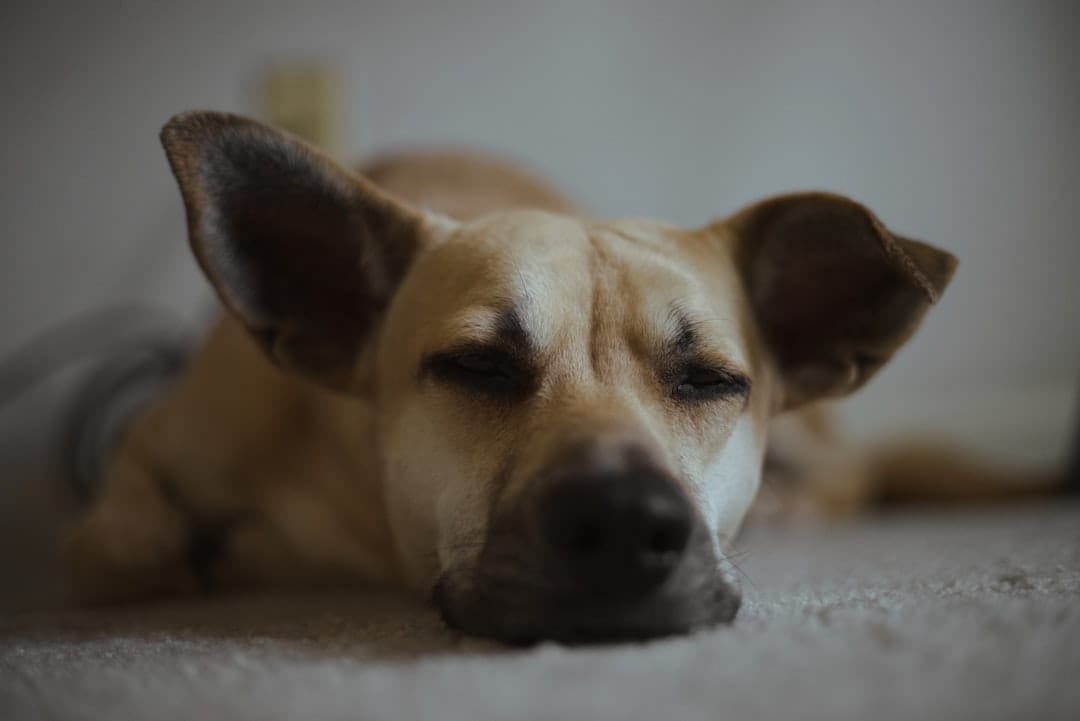
When Maya brought her nine-month-old Labrador retriever, Luna, to the veterinary clinic, she was at her wit’s end. The constant pacing, relentless mounting behaviors, and escape attempts during heat cycles had turned her sweet puppy into a whirlwind of anxiety. Like many pet parents, Maya wondered: does spaying calm a dog down enough to restore peace to her household? If you’re considering this procedure hoping for a more tranquil companion, you’re not alone. While spaying offers numerous health benefits, its impact on behavior isn’t as straightforward as many believe. In this comprehensive guide, we’ll explore the science behind canine behavior after spaying, separate fact from fiction, and help you understand exactly what changes you can realistically expect in 2026.

The Short Answer: Yes, But Only for Hormonally-Driven Behaviors
Does spaying calm a dog down? The honest answer depends entirely on what’s causing your dog’s hyperactivity. Spaying, or ovariohysterectomy, removes the ovaries and uterus, eliminating the hormonal fluctuations that drive mating-related behaviors. If your dog’s restlessness stems from heat cycles, roaming instincts, or hormone-fueled aggression, you’ll likely see significant calming effects within weeks to months after surgery.

However, if your dog’s energy stems from breed traits, insufficient exercise, anxiety disorders, or physical discomfort like chronic dog allergy symptoms, spaying won’t produce the zen-like transformation you’re hoping for. Understanding this distinction is crucial before making this permanent decision.
The Science Behind Hormones and Canine Behavior
To understand whether spaying will calm your specific dog, you need to grasp how reproductive hormones influence the canine brain. Estrogen and progesterone don’t just regulate fertility—they act as neurochemical modulators affecting mood, arousal levels, and territorial instincts.
How Estrogen Affects Your Dog’s Nervous System
Estrogen receptors exist throughout a dog’s brain, particularly in areas governing aggression and anxiety. When levels fluctuate during heat cycles, many dogs experience increased restlessness, vocalization, and escape behaviors. These aren’t “bad” behaviors—they’re biologically programmed mating strategies. By removing the ovaries, spaying eliminates these hormonal roller coasters, potentially reducing cycle-related stress.
The Heat Cycle Connection
Unspayed dogs typically experience heat twice yearly, lasting two to four weeks each time. During these periods, progesterone drops and estrogen surges, triggering instincts to seek mates. This manifests as pacing, whining, marking, and even attempts to break through windows or dig under fences. For dogs displaying these specific patterns, understanding dog heat cycle behavior helps distinguish normal reproductive instincts from general hyperactivity that requires different interventions.
Does Spaying Calm a Dog Down? Breaking Down the Evidence
Veterinary behaviorists generally agree that spaying reduces hormonally-influenced behaviors by 50-70% in most dogs, though individual results vary significantly based on age at surgery and learned habits. Dogs spayed before their first heat often show the most dramatic behavioral stability, as they never develop the ingrained patterns associated with reproductive cycling.
However, spaying isn’t a behavioral panacea. A 2026 review of veterinary behavioral studies indicates that while roaming and marking behaviors decrease consistently, fear-based anxiety and excitability unrelated to reproduction remain largely unchanged. This means your high-energy Border Collie won’t suddenly become a couch potato simply because she’s been spayed.
Specific Behaviors That Improve After Spaying
When asking “does spaying calm a dog down,” it’s helpful to examine specific behavioral categories. Many pet parents report improvements in these areas within two to six months post-surgery:
Roaming and Escape Attempts: The drive to seek mates diminishes significantly once hormonal surges stop. Dogs previously obsessed with bolting out doors or digging under fences often become more content staying within property boundaries.
Urine Marking: While marking can become a learned habit, the hormonal urge to broadcast reproductive availability decreases substantially after spaying. This is particularly noticeable in dogs who mark specifically during heat cycles.
Mounting Behaviors: Though mounting can indicate dominance or play, hormonally-driven mounting typically decreases after spaying. This reduction often makes multi-dog households more harmonious.
Heat-Related Restlessness: The pacing, whining, and inability to settle that characterizes proestrus and estrus phases disappears entirely, as these cycles no longer occur.
When Spaying Won’t Help: Allergies and Non-Hormonal Hyperactivity
Here’s where many well-meaning owners face disappointment. If your dog’s “hyperactivity” actually stems from physical discomfort, spaying provides no relief—and may temporarily increase stress during the recovery period.
The Allergy-Hyperactivity Connection
Chronic allergies create a cycle of itching, inflammation, and sleep disruption that mimics anxious hyperactivity. Dogs suffering from environmental or food allergies often pace, scratch incessantly, and seem unable to settle. Because spaying addresses reproductive hormones rather than immune responses, these dogs remain restless post-surgery unless the underlying allergies are treated.
If your dog shows signs of allergic discomfort—excessive scratching, paw licking, ear infections, or red skin—consider supporting their immune system before or alongside spaying. ROROCA Allergy Chews offer a comprehensive approach to calming allergy-related restlessness with their unique blend of soothing ingredients. The formula includes a Probiotic Blend (6-strain) to support gut health and immune balance, Salmon Oil rich in omega-3s to reduce skin inflammation, Licorice Root Extract for its natural cortisol-regulating properties, Curcuma Longa Extract (Turmeric) to combat systemic inflammation, and Echinacea Extract to modulate immune overreactions. While spaying handles hormonal chaos, these chews address the physical irritation that keeps allergic dogs awake and frantic.
Learned Behaviors Persist
Behaviors reinforced over months or years—jumping on guests, leash pulling, or destructive chewing—won’t vanish after surgery. These require training, environmental management, and potentially natural dog calming methods rather than surgical intervention.
Timeline: When Will You See Changes?
Patience proves essential when evaluating whether spaying calms your dog. Immediate post-surgical lethargy (lasting 7-10 days) results from anesthesia and pain medications, not behavioral modification. True personality changes emerge gradually as residual hormones clear the system.
Most veterinarians suggest evaluating behavioral changes at the three-month mark, when hormone levels have stabilized. However, dogs spayed after multiple heat cycles may require six months to show full behavioral adjustment, as they’ve developed habitual responses to hormonal fluctuations.
During recovery, maintain your dog’s routine while respecting physical limitations. Mental stimulation through puzzle toys helps prevent the boredom that creates destructive energy during restricted activity periods.
Alternatives to Consider Before Spaying
If you’re considering spaying primarily for behavioral calming, explore these alternatives first:
Behavioral Modification Training: Working with a certified trainer addresses excitability through impulse control exercises, often producing faster results than waiting for surgical hormonal changes.
Chemical Castration Implants: Temporary hormone suppression via Suprelorin implants allows you to preview how your dog might behave without estrogen before committing to permanent surgery.
Environmental Enrichment: Many “hyperactive” dogs actually suffer from insufficient physical exercise and mental stimulation. Increasing daily aerobic activity often reduces restlessness more effectively than surgery.
Medical Interventions: For dogs whose agitation stems from allergic reactions or skin conditions, addressing the physical trigger through supplements like ROROCA Allergy Chews or veterinary allergy protocols eliminates the discomfort driving the behavior.
Frequently Asked Questions
How long after spaying will my dog calm down?
Most owners notice reduced roaming and marking behaviors within 6-12 weeks as hormone levels drop. However, full behavioral stabilization may take 3-6 months, particularly for dogs spayed after multiple heat cycles. Immediate post-surgical calmness typically results from pain medication and recovery rest, not permanent personality changes.
Will spaying stop my dog from being aggressive?
Spaying reduces aggression specifically linked to resource guarding during false pregnancies or competition for mates. It does not address fear-based aggression, territorial aggression toward strangers, or predatory aggression. In fact, some studies suggest spaying may slightly increase certain anxiety-related aggression types, making professional behavioral assessment crucial before surgery.
Why does my dog seem more hyper after spaying?
Post-surgical hyperactivity often indicates pain, discomfort from the cone, or stress from restricted activity rather than true behavioral change. Some dogs also experience temporary thyroid fluctuations after spaying. If hyperactivity persists beyond the 14-day recovery window, consult your veterinarian to rule out complications or underlying medical issues like allergies causing restlessness.
Does spaying help with separation anxiety?
No. Separation anxiety stems from attachment issues and fear of abandonment, not reproductive hormones. While some dogs may appear slightly less frantic after spaying due to overall reduced arousal levels, the root cause of separation anxiety requires desensitization training and potentially anti-anxiety medications prescribed by a veterinarian.
Can allergies make my dog seem like she needs spaying to calm down?
Absolutely. Dogs with untreated allergies often display restless pacing, inability to settle, and obsessive licking or scratching that owners misinterpret as hyperactivity. Before pursuing spaying for behavioral reasons, rule out allergic dermatitis, food sensitivities, and external parasites. Treating the actual discomfort—sometimes with immune-supporting supplements like those containing Echinacea and Turmeric extracts—often resolves the apparent “hyperactivity” without surgery.
Is there a best age to spay for maximum calming benefits?
Veterinary consensus in 2026 suggests that spaying before the first heat cycle (typically around 6-9 months for most breeds) maximizes behavioral benefits regarding roaming and marking. However, recent research indicates waiting until after physical maturity (12-18 months) may benefit certain large breeds’ joint health. Discuss timing with your veterinarian based on your dog’s breed, size, and specific behavioral concerns.
Conclusion
So, does spaying calm a dog down? For hormonally-driven behaviors like heat-related restlessness, roaming, and mating urges, yes—spaying often provides significant relief within a few months. However, this surgical solution won’t transform your dog’s fundamental personality, address anxiety disorders, or relieve physical discomfort from allergies.
Before scheduling surgery, honestly assess whether your dog’s hyperactivity stems from reproductive hormones or other factors like insufficient exercise, anxiety, or allergic irritation. For dogs struggling with allergy-related restlessness, supporting their immune system with targeted nutrition may provide the calm you’re seeking. Whether you choose spaying, behavioral training, or allergy management with solutions like ROROCA Allergy Chews, understanding your dog’s specific needs ensures you choose the right path to a peaceful, happy companion. Always consult with your veterinarian to determine the best approach for your individual dog’s health and behavioral profile.