

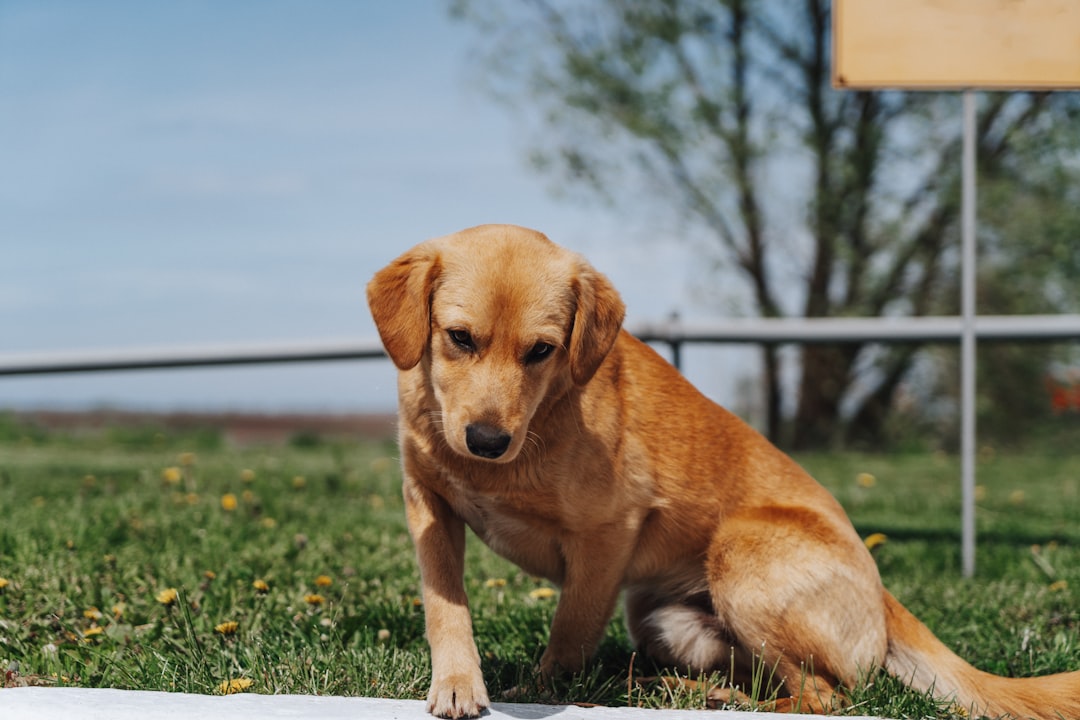
When Max started scratching frantically at 2 AM, his owner Sarah knew they were in for a long night. The constant paw-licking, the red patches appearing on his belly, and that desperate whine meant one thing: Max’s allergies had flared up again. If you’re searching for how to stop dog allergies immediately, you’re likely facing a similar sleepless night with your own furry family member.

While chronic allergies require long-term management strategies, there are immediate interventions that can provide relief within hours—not days. This comprehensive guide covers emergency relief techniques, fast-acting treatments, and when to seek veterinary care. Whether your dog is suffering from seasonal pollen, food sensitivities, or contact dermatitis, these evidence-based solutions will help you restore your pup’s comfort quickly and safely.
Recognizing When Immediate Action Is Necessary
Not all allergic reactions require emergency intervention, but knowing the difference between mild discomfort and a crisis saves lives. Signs of allergic reactions in dogs range from benign to severe, and your response should match the intensity of symptoms.
Emergency Symptoms Requiring Vet Care
Contact your emergency veterinarian immediately if your dog exhibits:
- Facial swelling, especially around the eyes or muzzle
- Difficulty breathing or wheezing
- Sudden collapse or extreme lethargy
- Vomiting accompanied by hives
- Pale gums indicating anaphylactic shock
These symptoms indicate an acute allergic reaction that can become life-threatening within minutes. For less severe but still urgent cases—intense itching, localized hot spots, or gastrointestinal distress—you can often provide immediate relief at home while monitoring for escalation.
How to Stop Dog Allergies Immediately: Emergency Relief Protocol
When your dog is miserable and you need results within hours, follow this structured approach to how to stop dog allergies immediately. These methods work synergistically to reduce inflammation, remove allergens from the coat and skin, and calm the immune response.
The Emergency Bath Protocol
Bathing remains the fastest way to remove environmental allergens clinging to your dog’s fur and skin. However, timing and technique matter significantly.
Use lukewarm water—never hot, as heat increases inflammation. Apply a hypoallergenic shampoo containing oatmeal or aloe vera, working it gently into the coat for five full minutes before rinsing. This duration allows active ingredients to penetrate the skin barrier. For dogs with treating canine atopic dermatitis, consider a medicated shampoo containing chlorhexidine or ketoconazole if secondary infections are present.
Rinse thoroughly, as soap residue exacerbates itching. Follow with a cool water rinse to constrict blood vessels and reduce swelling. Pat dry with a towel—don’t rub, which irritates sensitive skin.
Topical Cold Therapy
For localized reactions like swollen paws or inflamed patches, cold therapy provides immediate numbing and vasoconstriction. Wrap ice packs in a thin towel and apply to affected areas for 10-minute intervals. Alternatively, soak paws in cool water mixed with Epsom salts for 15 minutes to draw out irritants and reduce swelling.
This technique proves particularly effective for dogs suffering from contact allergies after walking through grass treated with pesticides or fertilizers.
Fast-Acting Antihistamines
Over-the-counter antihistamines offer rapid relief for acute allergic reactions, though they work best as preventive measures rather than cures for ongoing issues.
Diphenhydramine (Benadryl) remains the gold standard for immediate relief, with effects typically visible within 30 minutes. The standard veterinary dosage is 1 mg per pound of body weight, administered every 8-12 hours. However, some dogs metabolize antihistamines poorly, and certain formulations contain decongestants toxic to canines—always verify the ingredient list contains only diphenhydramine.
Cetirizine (Zyrtec) and loratadine (Claritin) provide alternatives for dogs experiencing sedation from Benadryl. These second-generation antihistamines cause less drowsiness while still blocking histamine receptors effectively.
Understanding the Root Cause for Faster Results
Treating symptoms without identifying triggers creates a cycle of recurring crises. To truly master how to stop dog allergies immediately and prevent future episodes, you must understand what provoked the reaction.
Environmental vs. Food Triggers
Environmental allergens—pollen, dust mites, mold spores—typically cause seasonal patterns and respond well to bathing and air filtration. These reactions often manifest as skin irritation, ear infections, and paw chewing.
Food allergies, conversely, produce gastrointestinal symptoms alongside skin issues. If your dog experiences vomiting or diarrhea concurrent with itching, eliminate the recent meal ingredients immediately. Common culprits include chicken, beef, dairy, wheat, and soy.
The Elimination Strategy
When food sensitivity is suspected, switch to a novel protein diet immediately—kangaroo, venison, or duck combined with sweet potato. Maintain this restricted diet for 12 weeks, introducing one ingredient at a time to identify the specific allergen. This method requires patience but eliminates the guesswork of managing symptoms repeatedly.
Immediate Solutions vs. Long-Term Management
While emergency interventions provide temporary relief, sustainable allergy management requires addressing immune system dysregulation. The following comparison illustrates when to use quick fixes versus investing in lasting solutions.
| Treatment Type | Onset of Relief | Duration | Best For |
|---|---|---|---|
| Antihistamines | 30-60 minutes | 8-12 hours | Acute flare-ups, seasonal allergies |
| Medicated Baths | Immediate | 24-48 hours | Contact allergens, hot spots |
| Corticosteroids | 2-4 hours | Days to weeks | Severe inflammatory reactions |
| Immune Supplements | 2-4 weeks | Ongoing | Chronic management, prevention |
| Prescription Apoquel | 4 hours | 24 hours | Atopic dermatitis, long-term control |
Prescription Options for Severe Cases
When over-the-counter methods fail, veterinarians can prescribe corticosteroids like prednisone for immediate, powerful anti-inflammatory effects. These medications work within hours but carry risks with long-term use, including immune suppression and organ damage. Reserve steroids for true emergencies and transition to safer alternatives like Apoquel (oclacitinib) or Cytopoint injections for ongoing management.
Building Immunity: The Long-Term Solution to Immediate Crises
The most effective way to stop needing emergency interventions is strengthening your dog’s immune system from within. Modern veterinary science emphasizes gut health as the foundation of allergic response regulation.
The Gut-Skin Connection
Approximately 70% of a dog’s immune system resides in the gastrointestinal tract. When gut flora becomes imbalanced—due to antibiotics, poor diet, or stress—inflammation spreads systemically, manifesting as skin allergies. Restoring microbial balance reduces the frequency and severity of allergic reactions, minimizing those 2 AM emergencies.
This is where targeted supplementation becomes essential. ROROCA Allergy Chews address the root cause of allergies through a comprehensive formula designed to modulate immune response and repair the skin barrier. Unlike antihistamines that merely mask symptoms, these chews contain a 6-Strain Probiotic Blend that recolonizes the gut with beneficial bacteria, reducing systemic inflammation at its source.
The addition of Salmon Oil provides omega-3 fatty acids that serve as natural anti-inflammatories, while Licorice Root Extract offers corticosteroid-like benefits without the side effects. Curcuma Longa Extract (Turmeric) inhibits the production of inflammatory cytokines, and Echinacea Extract balances immune function rather than simply stimulating it.
For dogs experiencing chronic allergies, incorporating ROROCA Allergy Chews into the daily routine creates a foundation of health that reduces the need for emergency interventions. While they don’t replace immediate relief methods during an acute crisis, they significantly decrease the frequency of such events.
Environmental Control for Immediate Relief
While you can’t eliminate pollen from the air, you can minimize your dog’s exposure during peak allergy seasons. High-efficiency air purifiers with HEPA filters remove 99.97% of airborne allergens, providing immediate relief for dogs with inhalant allergies.
Wipe your dog’s paws and coat with hypoallergenic wipes after outdoor excursions to remove pollen before it enters your home. For maintaining healthy dog skin, maintain indoor humidity between 30-50% to prevent dry skin that cracks and allows allergen penetration.
Wash bedding weekly in hot water to kill dust mites, and switch to hypoallergenic detergents free of fragrances and dyes. These environmental modifications work synergistically with medical interventions to provide comprehensive relief.
Frequently Asked Questions
How quickly can I stop my dog’s allergic reaction?
With proper intervention, you can reduce severe symptoms within 30 minutes to 2 hours. Antihistamines take effect in 30-60 minutes, while cold therapy provides immediate localized relief. However, complete resolution of skin inflammation typically requires 24-48 hours of consistent treatment.
Can I give my dog human allergy medicine for immediate relief?
Yes, but with strict precautions. Diphenhydramine (Benadryl), cetirizine (Zyrtec), and loratadine (Claritin) are generally safe for dogs when dosed correctly at 1 mg per pound of body weight. Never use combination products containing decongestants like pseudoephedrine, which is toxic to dogs. Always consult your veterinarian before administering human medications, especially if your dog takes other prescriptions.
Does bathing stop allergies immediately?
Bathing stops the progression of contact allergies immediately by removing the offending substance from the coat. However, it doesn’t stop the internal histamine response already underway. For best results, bathe your dog within 30 minutes of exposure to environmental allergens, using cool water and hypoallergenic shampoo.
What home remedy stops dog itching immediately?
A paste of baking soda and water applied to localized itchy patches provides immediate relief through its alkaline properties that neutralize irritants. Apple cider vinegar diluted 50/50 with water sprayed onto the coat (avoiding open wounds) also stops itching by restoring skin pH balance. For widespread itching, an oatmeal soak reduces inflammation within minutes.
Why is my dog suddenly allergic to everything?
Sudden onset of multiple allergies often indicates leaky gut syndrome, where intestinal permeability allows allergens to enter the bloodstream unchecked. This triggers a cascading immune response where the body begins reacting to previously tolerated substances. Immediate dietary intervention combined with probiotic supplementation can reverse this condition over time.
When should I skip home treatment and go straight to the vet?
Seek immediate veterinary care if your dog experiences facial swelling, difficulty breathing, or hives accompanied by vomiting—these indicate anaphylaxis. Additionally, if itching prevents sleep for more than 24 hours, or if skin develops open sores or foul odor suggesting infection, professional treatment becomes necessary.
Conclusion
Learning how to stop dog allergies immediately empowers you to provide comfort during your dog’s most uncomfortable moments. While emergency baths, antihistamines, and cold therapy offer rapid relief for acute flare-ups, sustainable management requires addressing the underlying immune imbalance.
By combining immediate intervention strategies with long-term solutions like ROROCA Allergy Chews—which support gut health through their proprietary probiotic blend and anti-inflammatory ingredients—you create a comprehensive defense against allergic reactions. Remember that chronic allergies warrant veterinary consultation to rule out secondary infections and develop a customized treatment plan.
Your dog depends on you to interpret their discomfort and act decisively. With the strategies outlined in this guide, you can transform those frantic, sleepless nights into peaceful rest for both you and your beloved companion.