

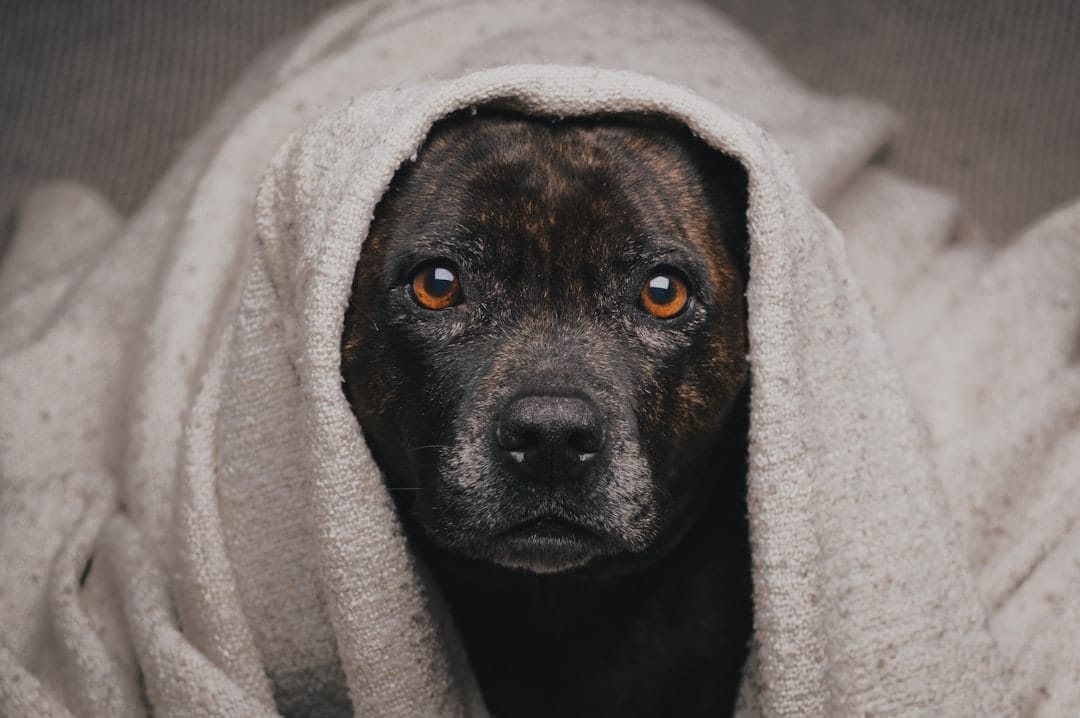
When the first rumble of thunder rolls across the horizon, does your confident companion transform into a trembling, terrified bundle of anxiety? As a dog parent, watching your pup pace, pant, and panic during a storm is absolutely heartbreaking. You’re not alone—many dogs experience some level of recognizing anxiety symptoms in dogs when faced with loud noises, with thunder ranking among the most common and intense triggers.

If you’re searching for effective strategies on how to calm a dog during thunder, you’ve come to the right place. Whether your furry friend suffers from mild uneasiness or full-blown storm phobia, this comprehensive 2026 guide will walk you through evidence-based techniques, from immediate calming interventions to long-term behavioral modifications. We’ll explore why dogs develop these fears, how to create a safe sanctuary in your home, and when professional help might be necessary. By understanding your dog’s unique needs and preparing in advance, you can transform stormy days from traumatic experiences into manageable moments.

Why Do Dogs Fear Thunder?
Before diving into solutions, understanding the root cause of your dog’s fear helps you address it more effectively. Thunderstorm phobia isn’t simply about the noise—it’s a multi-sensory assault on your dog’s nervous system.
The Science Behind Storm Anxiety
Dogs experience thunderstorms differently than humans. Their acute hearing detects thunder from miles away, often before we notice anything. Additionally, dogs may sense barometric pressure drops and static electricity buildup in their fur, creating uncomfortable sensations they can’t understand or escape. This combination of auditory, tactile, and atmospheric changes triggers a fight-or-flight response hardwired into their survival instincts.
Some dogs develop thunder phobia through negative experiences, while others seem genetically predisposed. Herding breeds and working dogs often show higher anxiety rates, though any dog can develop this fear. Once established, the phobia typically worsens over time without intervention, as each storm reinforces the fear response.
Recognizing Severe Anxiety Signs
While mild anxiety might manifest as whimpering or seeking attention, severe cases involve destructive behavior, house soiling, or escape attempts that result in injury. Dogs may scratch at walls, break through windows, or injure themselves trying to hide in tight spaces. Recognizing these desensitization training techniques early allows you to implement calming strategies before the phobia escalates to dangerous levels.
How to Calm a Dog During Thunder: Immediate Strategies
When dark clouds gather and you have limited time to prepare, these immediate interventions can help reduce your dog’s panic levels significantly.
Create a Storm Sanctuary
Designate a specific area in your home as a safe zone—ideally an interior room without windows, such as a bathroom or closet. The space should feel cave-like, as dogs naturally seek enclosed areas when frightened. Add familiar items like their favorite bed, toys, and clothing that smells like you. If possible, set this up before storm season begins so your dog associates the area with positive experiences.
Some dogs prefer bathtub safety during storms, possibly because the porcelain or fiberglass blocks static electricity. If your dog gravitates toward the bathroom, place towels and a bed there in advance. Never force your dog out of their chosen hiding spot, even if it seems inconvenient—this is their coping mechanism.
Sound Masking Techniques
White noise can significantly reduce the impact of thunder cracks. Use fans, air purifiers, or white noise machines set to high volume. Alternatively, classical music designed specifically for anxious dogs has shown promising results in clinical observations. The key is starting the sound before the storm arrives, creating a consistent audio environment that masks sudden thunder booms.
Physical Comfort Appropriately
The debate about whether to comfort a frightened dog has evolved. Current veterinary behaviorists agree that you won’t reinforce fear by offering comfort—you’re providing support during a genuine distress situation. However, avoid coddling or anxious behavior yourself, as dogs pick up on human emotional states. Stay calm, use a soothing tone, and offer physical contact if your dog seeks it. If they prefer to be alone, respect that space while remaining nearby.
How to Calm a Dog During Thunder Through Behavior Modification
While immediate fixes help in the moment, long-term solutions require systematic training approaches that change your dog’s emotional response to storms.
Counter-Conditioning Protocols
Counter-conditioning involves pairing the scary stimulus (thunder sounds) with something your dog loves, creating a positive association. Start by playing thunderstorm recordings at extremely low volumes while offering high-value treats, favorite games, or meal times. Gradually increase the volume over weeks or months, always staying below your dog’s fear threshold. If they show anxiety, you’ve progressed too quickly.
This process requires consistency and patience. Many pet parents see significant improvement after three to six months of regular practice. The goal isn’t to eliminate awareness of thunder but to transform it into a predictor of good things happening.
Desensitization Training
Desensitization differs slightly from counter-conditioning in that it focuses on reducing the emotional response through controlled, gradual exposure without necessarily adding rewards. Working with a certified veterinary behaviorist provides the best outcomes, as they can create customized protocols based on your dog’s specific triggers and severity level. Some dogs respond to natural calming supplements for dogs combined with these behavioral techniques.
Calming Aids and Environmental Tools
Modern pet care offers numerous tools designed specifically for anxiety management. Understanding which options suit your dog requires some experimentation.
Pressure Therapy Garments
ThunderShirts and similar pressure wraps apply gentle, constant pressure to your dog’s torso, similar to swaddling an infant. This pressure releases calming hormones and provides proprioceptive feedback that helps ground anxious dogs. For best results, put the garment on your dog before the storm starts, as putting it on during peak anxiety may increase stress. Many dogs show improvement within minutes of wearing these wraps.
Pheromone Diffusers and Collars
Synthetic pheromones mimic the calming chemicals mother dogs release while nursing. Diffusers plugged into wall outlets provide continuous coverage in your dog’s favorite room, while collars offer portable protection. These work best as adjunct therapies rather than standalone solutions, particularly for mild to moderate anxiety cases.
Creating a Static-Free Environment
Since static electricity contributes to storm discomfort, running a humidifier during dry seasons helps reduce charge buildup in your dog’s coat. Some pet parents report success with anti-static dryer sheets lightly rubbed over the dog’s fur (using pet-safe, unscented varieties only), though consult your vet before trying this method.
Nutritional Support and Overall Wellness
While behavioral interventions remain primary treatments for thunder phobia, supporting your dog’s physical health creates a foundation for emotional resilience. Dogs experiencing chronic inflammation, digestive issues, or immune system imbalances may have lowered thresholds for stress tolerance.
Emerging research on the gut-brain axis suggests that digestive health significantly impacts mood and anxiety levels. Dogs with healthy microbiomes often handle environmental stressors better than those with gut dysbiosis. Additionally, chronic allergic conditions can keep your dog in a state of physiological stress, making them more reactive to thunder triggers.
This is where comprehensive immune support becomes relevant to anxiety management. ROROCA Allergy Chews offer a blend of ingredients that support overall wellness while addressing underlying inflammatory conditions. These chews contain a Probiotic Blend (6-strain) that promotes healthy gut flora, potentially supporting the gut-brain connection that influences stress responses. The Salmon Oil provides omega-3 fatty acids known for reducing systemic inflammation and supporting cognitive function.
Additionally, Licorice Root Extract and Curcuma Longa Extract (Turmeric) offer natural anti-inflammatory properties that help maintain comfort and mobility, while Echinacea Extract supports immune function. While ROROCA Allergy Chews won’t eliminate thunder phobia overnight, dogs free from itchy skin discomfort or digestive upset are better equipped to handle environmental stressors. Consider these chews as part of a holistic approach that includes behavioral training and environmental management.
When to Consult Your Veterinarian
Some cases of thunder phobia require pharmaceutical intervention alongside behavioral modification. If your dog exhibits severe panic responses—injuring themselves, destroying property, or experiencing prolonged stress that lasts hours after the storm passes—schedule a veterinary consultation.
Your vet may prescribe short-acting anti-anxiety medications for use during predicted storms, or daily medications for dogs with generalized anxiety. Never use human anti-anxiety drugs without veterinary guidance, as dosages and reactions differ significantly between species. Additionally, rule out medical conditions like hypothyroidism or chronic pain that can exacerbate anxiety symptoms.
Frequently Asked Questions
Can I give my dog Benadryl for thunder anxiety?
While some veterinarians suggest diphenhydramine (Benadryl) for mild sedation, it primarily causes drowsiness rather than true anxiety reduction. Many dogs remain frightened while simply being too sleepy to react, which doesn’t address the underlying fear. Always consult your vet for appropriate dosage and consider whether prescription anti-anxiety medications might be more effective for severe phobias.
Why did my dog suddenly develop thunder phobia at age five?
Thunder phobia can develop at any age, often triggered by a particularly intense storm, changes in hearing sensitivity as dogs age, or pain conditions that lower stress thresholds. Sometimes what appears sudden has actually been building gradually. Senior dogs may develop cognitive dysfunction syndrome (similar to dementia) that increases anxiety responses to familiar stimuli.
Should I let my dog sleep with me during storms?
If your dog seeks your bed for comfort and it doesn’t disrupt your sleep or create safety issues, allowing this can provide reassurance. However, if your dog thrashes, scratches, or becomes aggressive when frightened, bedroom access might be dangerous. Crate-trained dogs often prefer their secure crates during storms.
Do thunder shirts work for all dogs?
Pressure wraps help approximately 60-70% of anxious dogs, though effectiveness varies. They work best for mild to moderate anxiety and when introduced gradually before storm season. Some dogs require combination therapy with the wrap plus medication or behavior modification for optimal results.
How long does storm anxiety last after the thunder stops?
Many dogs remain hyper-vigilant for hours after storms pass, anticipating additional thunder. This “anticipatory anxiety” can actually be more stressful than the storm itself. Creating consistent post-storm routines helps dogs understand the danger has passed.
Can puppies outgrow thunder phobia?
Without intervention, thunder phobia typically worsens rather than improves. However, puppies who experience storms paired with positive outcomes (treats, play) may never develop fear. Early socialization that includes exposure to various noises at positive associations can prevent phobia development.
Conclusion
Learning how to calm a dog during thunder requires patience, preparation, and often a multi-modal approach. By combining immediate environmental modifications, long-term behavioral training, and health support, you can significantly reduce your dog’s storm-related distress. Remember that every dog responds differently, so remain flexible in your approach.
Start by creating that safe sanctuary today, before the next storm hits. Consider supporting your dog’s overall wellness with quality supplements like ROROCA Allergy Chews to ensure they’re physically comfortable and immunologically balanced. Most importantly, consult with your veterinarian if your dog’s anxiety seems overwhelming—modern veterinary medicine offers solutions that can restore peace to your stormy days. With consistent effort and the right strategies, you can help your best friend weather any storm with confidence.