

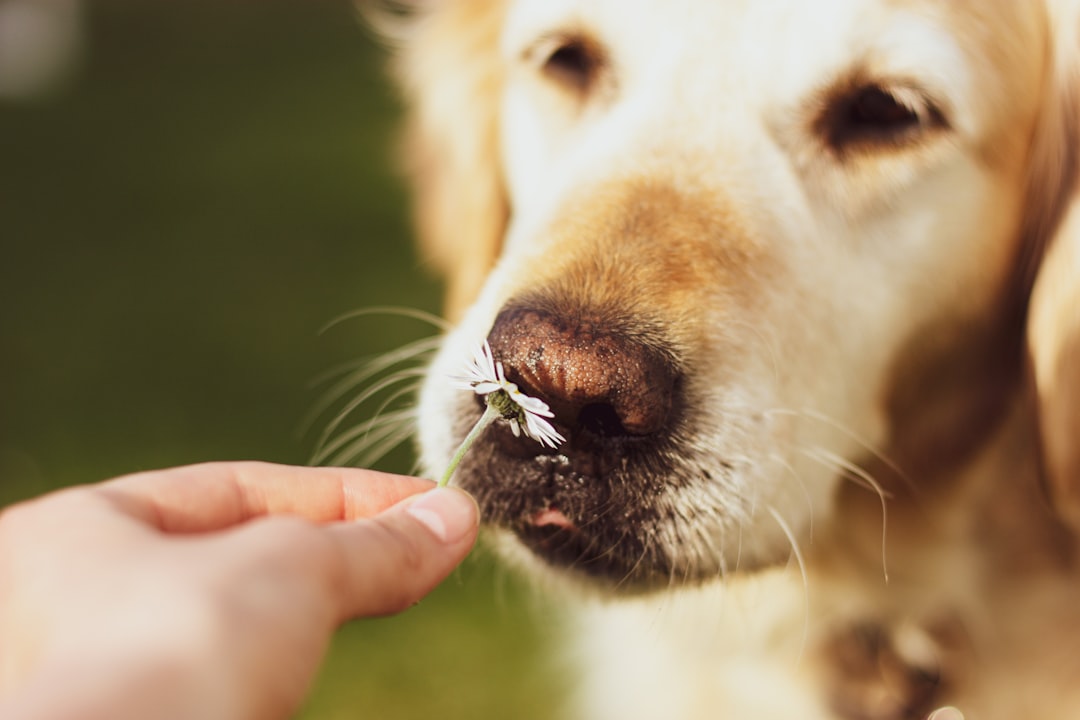
As a dog parent, watching your pup suffer is heartbreaking. When Max started scratching himself raw last spring, I spent sleepless nights listening to him chew his paws until they bled. If you’re searching for how to treat a dog’s allergies, you’re likely experiencing that same helpless frustration. The good news? You don’t have to watch your furry friend suffer indefinitely. This comprehensive guide walks you through evidence-based treatments, from immediate symptom relief to long-term management strategies that actually work. Whether your dog battles seasonal pollen, food sensitivities, or environmental triggers, understanding recognizing dog allergy symptoms early can transform their quality of life—and yours.
Understanding the Canine Allergy Spectrum
Before diving into treatments, you need to identify what you’re fighting. Dog allergies fall into three primary categories, each requiring different therapeutic approaches. Environmental allergens like pollen, dust mites, and mold spores trigger atopic dermatitis in approximately 10-15% of the canine population. Food allergies, while less common than owners suspect, typically involve proteins like beef, chicken, dairy, or wheat. Finally, flea allergy dermatitis represents the most frequent allergic skin disease in dogs—even a single flea bite can send sensitive dogs into a scratching frenzy.
The immune system mistakenly identifies harmless substances as threats, releasing histamines that cause inflammation, itching, and discomfort. This immune dysregulation means treatment often requires a multi-pronged approach targeting both the symptoms and the underlying immune response. Recent veterinary immunology research emphasizes that early intervention prevents the “itch-scratch cycle” from causing secondary skin infections, which complicate treatment and increase veterinary costs significantly.
Decoding the Symptoms
Unlike humans who sneeze and get watery eyes, dogs primarily manifest allergies through their skin. Persistent scratching, face rubbing, paw licking, and recurrent ear infections serve as red flags. Some dogs develop hot spots—moist, painful skin lesions—while others experience hair loss or skin thickening in chronic cases. Gastrointestinal symptoms like vomiting or diarrhea accompany food allergies in approximately 30% of affected dogs.

How to Treat a Dog’s Allergies: Medical Interventions
When home remedies prove insufficient, veterinary medicine offers several powerful tools. The key lies in matching the treatment intensity to the severity of symptoms while minimizing long-term side effects.
Pharmaceutical Options
Apoquel (oclacitinib) and Cytopoint represent modern breakthroughs in allergy management. Apoquel works within four hours to block itch signals at the source, providing relief for environmental allergies without the steroid-related side effects that plagued older treatments. Cytopoint, administered as a monthly injection by your veterinarian, uses monoclonal antibody technology to neutralize itch signals for four to eight weeks—ideal for dogs who resist daily pills.
Corticosteroids like prednisone remain effective for acute flare-ups but require careful management due to potential side effects including increased thirst, weight gain, and immune suppression. Your veterinarian might prescribe them for short-term crisis management while establishing longer-term solutions. Antihistamines such as Benadryl (diphenhydramine) or Zyrtec (cetirizine) help approximately 30% of dogs, though they prove less effective for canines than humans. Always consult your vet for proper dosing, as the therapeutic window varies significantly by weight and individual sensitivity.
Immunotherapy: The Long Game
For dogs with identifiable environmental allergies, allergen-specific immunotherapy (ASIT) offers the closest thing to a cure. This treatment involves administering gradually increasing concentrations of specific allergens via injection or oral drops over six to twelve months. While requiring patience, immunotherapy reduces symptoms in 60-80% of atopic dogs and can decrease dependence on other medications. Your veterinarian will conduct intradermal skin testing or serum testing to create a customized allergen cocktail targeting your dog’s specific sensitivities.

Nutritional Support and Natural Remedies
Diet plays a crucial role in managing allergic inflammation. Omega-3 fatty acids derived from fish oil reduce skin inflammation by competing with pro-inflammatory omega-6 fatty acids. Studies indicate that high-dose omega-3 supplementation (approximately 180mg EPA per 10 pounds of body weight) improves skin barrier function and reduces itching within four to six weeks.
Novel protein diets or hydrolyzed protein formulas eliminate common dietary triggers, allowing the gut to heal and the immune system to reset. When selecting hypoallergenic diet options, avoid foods containing fillers, artificial preservatives, and common allergens. Limited ingredient diets featuring single protein sources like duck, venison, or kangaroo paired with uncommon carbohydrates such as sweet potato or tapioca often provide relief for food-sensitive dogs.
Targeted Supplementation
Quality supplements support the immune system and skin health from within. ROROCA Allergy Chews offer a comprehensive approach combining a 6-strain Probiotic Blend to support gut health (where 70% of the immune system resides), Salmon Oil for anti-inflammatory omega-3s, and botanical extracts including Licorice Root Extract (nature’s cortisol balancer), Curcuma Longa Extract (Turmeric) for powerful anti-inflammatory action, and Echinacea Extract to modulate immune response. These ingredients work synergistically to reduce histamine release and strengthen the skin barrier without the sedating effects of antihistamines.
Quercetin, often called “nature’s Benadryl,” provides antihistamine effects without drowsiness. This flavonoid stabilizes mast cells, preventing them from releasing histamine during allergic reactions. When combined with bromelain (an enzyme from pineapples) to enhance absorption, quercetin offers significant relief for many dogs during high-pollen seasons.
Environmental Management Strategies
Reducing allergen exposure complements medical treatments. High-efficiency particulate air (HEPA) filters capture airborne pollen, dust mites, and mold spores, creating safe zones within your home. Wash your dog’s bedding weekly in hot water (130°F minimum) to eliminate dust mites, and vacuum carpets and upholstery using HEPA-filtered equipment twice weekly.
Paw hygiene proves particularly important for dogs with environmental allergies. Pollen and grass allergens accumulate on foot pads, triggering irritation when dogs lick their paws. Establishing a wipe-down routine using unscented baby wipes or medicated pads after outdoor excursions removes allergens before they penetrate the skin. For dogs with severe grass allergies, booties provide physical barriers during walks, though many dogs require gradual acclimation to wearing them.
Bathing Protocols
Therapeutic bathing removes allergens from the coat while soothing irritated skin. However, over-bathing strips natural oils, exacerbating dryness and itching. The optimal frequency depends on severity: dogs in active flare-ups benefit from twice-weekly baths using medicated shampoos containing chlorhexidine, ketoconazole, or oatmeal, while maintenance bathing might occur monthly.
Always use lukewarm water and hypoallergenic, fragrance-free shampoos formulated for canine pH levels. Leave lathered shampoo on the coat for 10-15 minutes before rinsing thoroughly to allow active ingredients to penetrate. Follow with a veterinarian-recommended conditioner to restore lipid barriers and prevent moisture loss.
How to Treat a Dog’s Allergies: Building a Long-Term Action Plan
Sustainable allergy management requires consistency and observation. Start by maintaining an allergy diary documenting symptoms, environmental conditions, dietary changes, and medication responses. This data helps identify patterns and triggers while enabling your veterinarian to adjust protocols effectively.
Seasonal allergy sufferers benefit from preemptive treatment. Begin antihistamines or supplements two weeks before historically problematic seasons to stabilize mast cells before pollen counts spike. For year-round sufferers, rotating between different treatment modalities prevents tolerance buildup and reduces the risk of side effects from any single medication.
Addressing Secondary Infections
Chronic scratching damages skin integrity, allowing bacteria (typically Staphylococcus) and yeast (Malassezia) to colonize. These infections intensify itching, creating a vicious cycle requiring antibiotic or antifungal treatment alongside allergy management. If you notice pustules, crusting, or a distinct odor, schedule a veterinary examination immediately. Treating chronic skin conditions in dogs promptly prevents progression to deep pyoderma, which requires extensive antibiotic courses.
Regular grooming maintains coat health and allows early detection of skin changes. Professional groomers trained in handling sensitive skin can apply therapeutic treatments and identify hot spots before they escalate. However, avoid harsh chemicals and perfumes that might trigger reactions in sensitive individuals.
Frequently Asked Questions
What is the fastest way to relieve my dog’s allergy symptoms?
For immediate relief, veterinary options like Apoquel work within four hours, while Cytopoint injections provide relief within one day. At home, cool water baths with colloidal oatmeal offer temporary soothing, and applying damp cloths to inflamed areas reduces heat and inflammation. However, these provide short-term comfort rather than addressing underlying causes.
Can I give my dog Benadryl for allergies?
Yes, but with veterinary guidance. The standard dosage is 1mg per pound of body weight, given two to three times daily. Benadryl causes drowsiness in some dogs and proves ineffective for others—approximately 70% of dogs show minimal response. Never use combination products containing decongestants or artificial sweeteners like xylitol, which proves toxic to dogs.
How long does it take for allergy supplements to work?
Natural supplements require patience. Omega-3 fatty acids typically show results within four to six weeks of consistent daily administration. Probiotic supplements like ROROCA Allergy Chews may improve gut-related immune responses within two to four weeks, though skin improvements often take six to eight weeks. For optimal results, maintain supplementation for at least three months before evaluating effectiveness.
Are there home remedies for dog allergies that actually work?
Several evidence-based home remedies provide adjunctive support. Apple cider vinegar rinses (diluted 50/50 with water) restore skin pH and discourage yeast growth. Coconut oil applied topically offers antimicrobial and moisturizing benefits, while adding small amounts to food provides medium-chain fatty acids that support skin health. However, these complement rather than replace veterinary treatment for moderate to severe cases.
Should I bathe my dog more or less often during allergy season?
Increase bathing frequency during high-allergen periods, but use gentle, moisturizing products. Dogs with environmental allergies benefit from weekly baths using hypoallergenic or medicated shampoos to remove pollen accumulation. Always follow with conditioner and ensure complete drying, as moist environments encourage bacterial growth. Dogs with dry skin conditions may require less frequent bathing with emphasis on moisturizing treatments.
Can dog allergies be cured completely?
True cures remain rare except in flea allergy cases (through rigorous parasite control) and specific food allergies (via strict dietary avoidance). Environmental allergies typically require lifelong management, though immunotherapy can induce remission in some dogs. The goal shifts from cure to control—maintaining comfort and preventing secondary complications through consistent management strategies.
When should I see a veterinarian rather than treating at home?
Seek immediate veterinary care if your dog develops open sores, significant hair loss, ear discharge, or behavioral changes like lethargy or appetite loss. If over-the-counter remedies fail to provide relief within 48-72 hours, or if symptoms recur within weeks of resolution, professional intervention becomes necessary to prevent chronic skin changes and infections.
Conclusion
Learning how to treat a dog’s allergies effectively requires patience, consistency, and often a combination of medical and natural interventions. While the journey to relief involves trial and error, the reward of watching your dog sleep peacefully through the night without scratching makes every effort worthwhile. Start with environmental controls and nutritional support including quality supplements like ROROCA Allergy Chews, consult your veterinarian for pharmaceutical options when necessary, and maintain realistic expectations about long-term management.
Remember that every dog responds differently to treatments. What works for a Labrador with pollen allergies differs from a French Bulldog with food sensitivities. By staying observant, working closely with your veterinary team, and addressing symptoms early, you can significantly improve your dog’s comfort and quality of life. Don’t let allergies define your dog’s existence—take action today and give your best friend the itch-free life they deserve.