

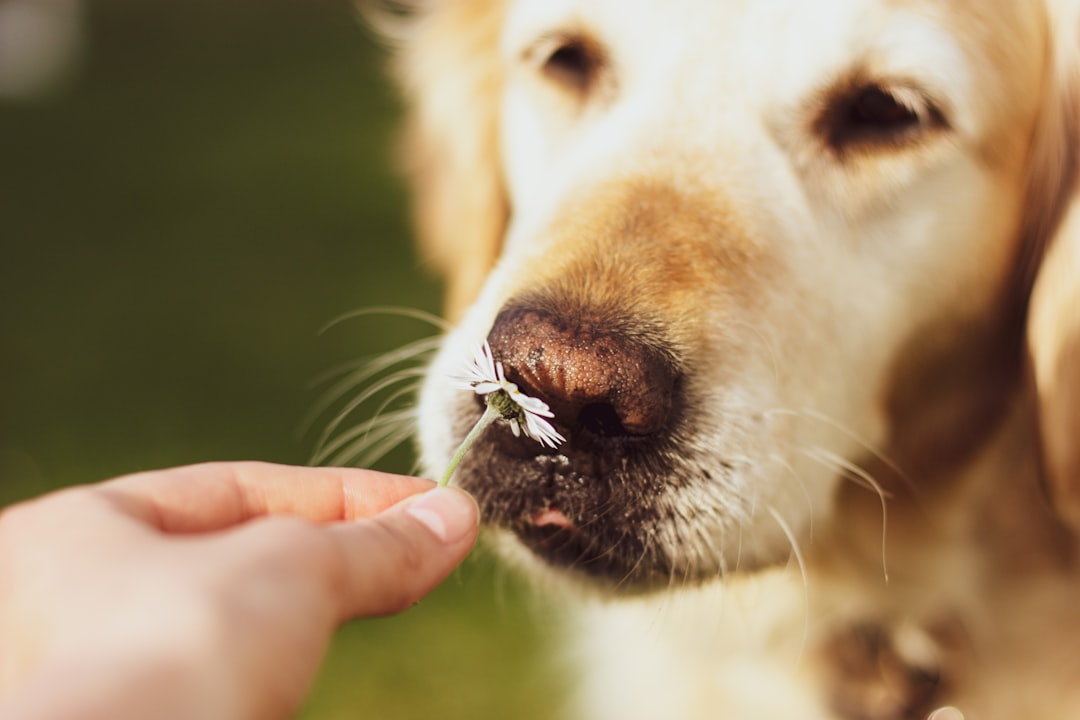
When Max started incessantly scratching his ears at 2 AM, Sarah knew something was wrong. Like millions of dog owners, she found herself wondering what allergy medicine can dogs take to relieve their pet’s suffering without causing harm. If your furry companion is constantly itching, licking their paws, or dealing with red, irritated skin, you’re likely searching for the same answers.

Canine allergies affect dogs of all breeds and ages, manifesting as skin irritation, digestive issues, or respiratory distress. While your medicine cabinet might seem like a quick fix, not all human medications are safe for canine consumption. This comprehensive guide explores veterinarian-approved allergy medications, proper dosages, and natural alternatives that can help your pup find relief in 2026.

Understanding Canine Allergies Before Choosing Medication
Before diving into specific treatments, it’s crucial to understand what you’re treating. Dog allergies typically fall into three categories: environmental (pollen, dust mites, mold), flea allergies, and food sensitivities. Each type triggers an immune response that releases histamines, causing those frustrating symptoms that keep you and your dog awake at night.
Recognizing the recognizing dog allergy symptoms early can prevent secondary infections caused by excessive scratching. Common indicators include persistent itching, red or inflamed skin, chronic ear infections, watery eyes, and sneezing. Once you’ve identified these signs, selecting the appropriate medication becomes much easier.
What Allergy Medicine Can Dogs Take? Over-the-Counter Options
Many veterinarians approve specific human antihistamines for canine use, but dosage and formulation matter significantly. Never administer medication without consulting your vet, especially if your dog takes other prescriptions or has underlying health conditions.
Benadryl (Diphenhydramine)
Benadryl remains the most commonly recommended antihistamine for dogs. It works by blocking histamine receptors, reducing itching, swelling, and allergic reactions. The standard dosage is typically 1 milligram per pound of body weight, given 2-3 times daily. However, always verify the formulation contains only diphenhydramine—combination products with decongestants like pseudoephedrine are toxic to dogs.
While generally safe, Benadryl can cause drowsiness, dry mouth, or urinary retention. It’s most effective for acute allergic reactions rather than chronic conditions.
Zyrtec (Cetirizine)
Cetirizine offers a non-drowsy alternative that many vets recommend for environmental allergies. Dogs typically receive 0.5 milligrams per pound once daily. Zyrtec works well for atopic dermatitis and causes fewer sedation side effects than first-generation antihistamines.
Claritin (Loratadine)
Loratadine provides 24-hour relief with minimal sedation. The general guideline suggests 0.2 milligrams per pound daily. Avoid Claritin-D, which contains pseudoephedrine and can cause severe cardiac issues in dogs.
What Allergy Medicine Can Dogs Take? Prescription Solutions
When over-the-counter options fail to provide adequate relief, your veterinarian may recommend prescription medications designed specifically for canine allergies.
Apoquel (Oclacitinib)
Apoquel revolutionized allergy treatment by targeting specific cytokines involved in the itch response. Unlike steroids, it doesn’t cause increased thirst, appetite, or immune suppression. Most dogs experience relief within 4-24 hours. However, long-term use requires monitoring for increased infection risk.
Cytopoint (Lokivetmab)
Cytopoint represents a biological therapy—a monoclonal antibody that neutralizes the protein sending itch signals to your dog’s brain. Administered via injection every 4-8 weeks by your veterinarian, it offers consistent relief without daily pill administration. It’s particularly effective for dogs who don’t respond well to oral medications.
Corticosteroids
Prednisone and other steroids provide powerful anti-inflammatory effects for severe allergic reactions. While effective for short-term flare-ups, long-term steroid use carries risks including diabetes, immune suppression, and organ damage. Vets typically reserve these for breakthrough symptoms or emergency situations.
Natural Alternatives and Supplemental Support
For pet parents seeking gentle, long-term support or wishing to reduce pharmaceutical dependence, natural remedies for dog allergies offer promising results. These options work best as preventive measures or complementary therapies alongside traditional medications.
ROROCA Allergy Chews provide a veterinarian-formulated blend designed to support your dog’s immune system and reduce inflammatory responses. These soft chews contain a Probiotic Blend featuring 6 strains of beneficial bacteria to promote gut health—where 70% of the immune system resides. Combined with Salmon Oil for omega-3 fatty acids, Licorice Root Extract for its natural cortisol-like effects, Curcuma Longa Extract (Turmeric) for powerful anti-inflammatory properties, and Echinacea Extract to modulate immune function, these ingredients work synergistically without the drowsiness associated with some antihistamines.
Regular supplementation with these natural compounds can reduce the frequency and severity of allergic flare-ups, potentially lowering the needed dosage of prescription medications over time.
Dosage Guidelines and Safety Considerations
Accurate dosing proves critical when administering any medication to dogs. Factors including weight, age, breed, and overall health status influence safe dosage ranges. Puppies under 12 weeks, pregnant or nursing dogs, and seniors with kidney or liver disease require specialized veterinary guidance.
Always start with the lowest effective dose and monitor for adverse reactions. Common side effects to watch for include vomiting, diarrhea, lethargy, or behavioral changes. If your dog experiences difficulty breathing, facial swelling, or collapse, seek emergency veterinary care immediately—these signs indicate anaphylaxis or severe drug reaction.
Never combine multiple antihistamines without veterinary approval, and avoid giving dogs any medication containing xylitol, acetaminophen, or pseudoephedrine, as these are toxic even in small amounts.
When to See a Veterinarian
While mild seasonal allergies often respond well to over-the-counter treatments, certain situations demand professional intervention. Schedule a veterinary appointment if your dog experiences treating itchy skin in dogs that leads to open wounds, hair loss, or skin infections. Additionally, persistent digestive symptoms, chronic ear infections, or allergies that persist year-round may indicate food sensitivities requiring dietary modification rather than medication alone.
Your vet may recommend allergy testing to identify specific triggers, allowing you to minimize exposure rather than merely treating symptoms. In some cases, immunotherapy (allergy shots) provides the only long-term solution for severely allergic dogs.
Frequently Asked Questions
Can I give my dog human allergy medicine?
Yes, but only specific types and under veterinary guidance. Benadryl, Zyrtec, and Claritin are generally safe for dogs when dosed correctly, but formulations must not contain decongestants like pseudoephedrine or artificial sweeteners like xylitol. Always check with your vet before administering any human medication.
How much Benadryl can I give my dog?
The standard dosage is 1 milligram per pound of body weight, given 2-3 times daily. For example, a 25-pound dog would receive 25 milligrams. Use children’s liquid formulations for precise dosing in small dogs, ensuring no additional active ingredients are present.
Is Zyrtec or Claritin better for dogs?
Both are effective second-generation antihistamines with minimal sedation. Zyrtec often works better for skin allergies and atopic dermatitis, while Claritin may be preferred for respiratory symptoms. Individual response varies—some dogs respond better to one than the other, so your vet may suggest trying both to determine efficacy.
What are the side effects of allergy medicine in dogs?
Common side effects include drowsiness (especially with Benadryl), dry mouth, mild gastrointestinal upset, and hyperactivity in some dogs. Prescription medications like Apoquel may increase susceptibility to infections. Discontinue use and contact your vet if you notice vomiting, diarrhea, difficulty breathing, or unusual lethargy.
Can puppies take allergy medicine?
Puppies under 12 weeks should not receive antihistamines unless specifically directed by a veterinarian. Their developing liver and kidneys process medications differently than adult dogs. For young puppies showing allergy symptoms, veterinary examination is crucial to rule out parasitic infections or other underlying conditions.
How long does it take for allergy medicine to work in dogs?
Antihistamines like Benadryl typically show effects within 30 minutes to 2 hours, while Zyrtec and Claritin may take several hours to reach full effectiveness. Prescription options like Apoquel work within 4-24 hours, and Cytopoint begins relieving itch within 24 hours. Natural supplements usually require 2-4 weeks of consistent use to show significant improvement.
Conclusion
Finding the right allergy solution for your dog requires patience, careful observation, and veterinary partnership. Whether you choose over-the-counter antihistamines for seasonal flare-ups, prescription medications for chronic conditions, or natural alternatives like ROROCA Allergy Chews to support immune health, the goal remains the same: helping your companion live comfortably without constant itching or discomfort.
Remember that allergy management is often multifaceted, combining medication with environmental control, dietary adjustments, and regular grooming. By understanding what allergy medicine can dogs take safely, you’re empowered to make informed decisions that keep your furry family member healthy and happy throughout 2026 and beyond. Always consult your veterinarian before starting any new treatment regimen, and monitor your dog closely for the relief they deserve.