

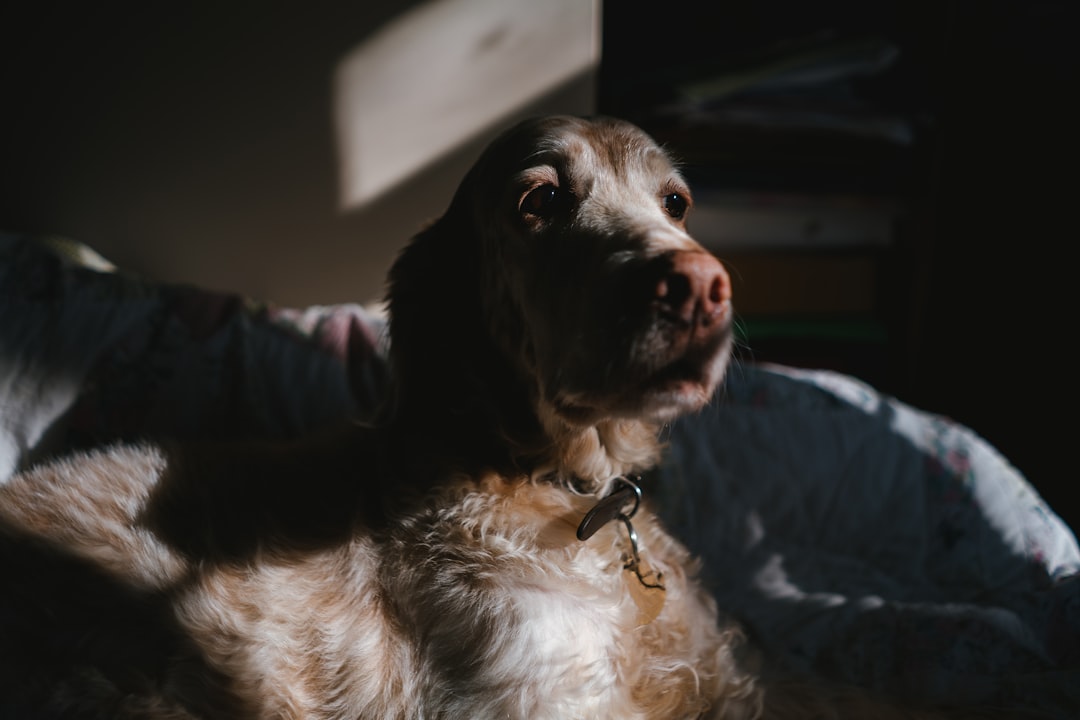
How to Calm a Dog With Dementia at Night: 2026 Guide
When Sarah first noticed her 14-year-old Labrador, Jake, standing in the kitchen corner at 3 AM, staring blankly at the refrigerator, she assumed he needed to go outside. But after weeks of nightly pacing, whining, and getting trapped behind furniture, she realized something deeper was happening. Like many pet parents facing canine cognitive dysfunction, Sarah was witnessing sundowning syndrome—the increased confusion and anxiety that strikes aging dogs as daylight fades.

If you’re reading this at midnight while your senior dog circles the living room or barks at invisible threats, you’re not alone. Learning how to calm a dog with dementia at night has become essential for millions of families caring for geriatric pets. Canine Cognitive Dysfunction (CCD) affects approximately 28% of dogs aged 11-12, jumping to over 60% in dogs over 15, with nighttime restlessness being one of the most distressing symptoms for both pets and their people.

This comprehensive guide explores evidence-based strategies to ease sundowning symptoms, modify your home environment, and establish routines that help your confused companion rest easier. From strategic lighting to therapeutic pressure and targeted nutrition, we’ll cover everything you need to transform chaotic nights into peaceful ones.
Understanding Canine Cognitive Dysfunction and Sundowning
Canine Cognitive Dysfunction represents a neurodegenerative condition similar to Alzheimer’s disease in humans. As dogs age, protein deposits called beta-amyloid plaques accumulate in their brains, disrupting normal cellular communication. This neurological decline affects memory, spatial awareness, and sleep-wake cycles.
Sundowning, or sundowners syndrome, refers to the increased agitation, confusion, and restlessness that occurs during the evening and nighttime hours. While researchers haven’t identified a single cause, several factors contribute to this phenomenon:
Circadian Rhythm Disruption: Aging dogs often experience altered melatonin production and cortisol patterns. Their internal clocks become unreliable, causing them to mistake midnight for morning and leading to nighttime activity spikes.
Sensory Decline: Diminished vision and hearing amplify anxiety when darkness falls. Dogs that could navigate confidently during daylight may become disoriented in shadows, triggering panic responses.
Neurotransmitter Changes: Reduced dopamine and serotonin levels affect mood regulation and sleep quality. These chemical shifts often manifest as nighttime vocalization, pacing, or inappropriate elimination.
Understanding these biological mechanisms helps explain why traditional training methods often fail with demented dogs—they’re not being stubborn; they’re experiencing genuine neurological distress that requires compassionate management rather than correction.
How to Calm a Dog With Dementia at Night: Immediate Interventions
When your dog enters a sundowning episode, immediate calming techniques can prevent escalation. These strategies focus on reducing sensory overload while providing physical and emotional security.
Pressure Therapy and Comfort Wrapping
Applying gentle, consistent pressure mimics the soothing sensation of being held. Consider investing in an anxiety wrap or thunder shirt specifically designed for dogs. These garments apply distributed pressure across the torso, triggering the release of calming hormones.
If you don’t have a commercial wrap, use a tightly fitted t-shirt or ace bandage (ensuring it’s not too tight). Wrap your dog’s chest and back firmly but comfortably, avoiding the neck and front legs. Many pet parents report that consistent pressure helps reduce pacing and vocalization within 15-20 minutes.
Strategic Physical Contact
Touch can be powerful, but technique matters. Use long, slow strokes along the spine rather than rapid patting. Focus on areas where dogs naturally groom each other—the base of the tail, behind the ears, and along the shoulders. Maintain contact until you feel your dog’s breathing slow and muscles relax.
Avoid restraining your dog if they’re determined to pace. Forcing them to stay still often increases panic. Instead, walk with them, guiding them away from dangerous areas like stairs while allowing the movement to burn off anxious energy.
Environmental Anchoring
Dogs with dementia often experience “spatial drift,” forgetting where they are even in familiar homes. Create “anchor points” using familiar scents. Place unwashed clothing bearing your scent in their bed. Use pheromone diffusers (Adaptil or similar) near sleeping areas—these synthetic calming pheromones signal safety to canine brains.
Playing classical music or specialized dog-calming tracks at low volumes can mask startling nighttime noises. Research indicates that classical compositions, particularly those with slow tempos around 50-60 beats per minute, can reduce heart rate and cortisol levels in anxious dogs.
Environmental Modifications for Dementia-Related Night Wandering
Transforming your home into a dementia-friendly sanctuary requires anticipating confusion before it happens. These modifications reduce hazards while providing clear navigation cues.
Illumination Strategies
Contrary to instinct, complete darkness often increases anxiety in dogs with cognitive decline. Install motion-activated night lights along baseboards and near water bowls. Use blue-spectrum LED lights rather than harsh white bulbs—blue light is easier for aging eyes to process and may help regulate circadian rhythms.
Avoid creating stark shadows, which can appear as obstacles or threats to impaired vision. Indirect lighting that bounces off ceilings creates ambient glow without glare. Consider battery-operated tap lights at floor level to illuminate pathways to the door if your dog still signals potty needs.
Creating Safe Navigation Paths
Remove obstacles that could trap or confuse your dog. Block access to stairs using baby gates to prevent falls. Place non-slip rugs or yoga mats along common routes to provide traction and tactile feedback. Dogs with dementia rely heavily on proprioception—feeling where their feet are—so textured surfaces help them map their environment.
Use contrasting colors to define spaces. If your flooring is dark, use light-colored rugs near food and water stations. This visual contrast helps dogs with declining vision locate resources. Place circular beds rather than rectangular ones—dogs with dementia often get “stuck” in corners of rectangular beds, unable to figure out how to turn around.
Temperature and Comfort Optimization
Aging dogs, particularly those with cognitive dysfunction, struggle with thermoregulation. Maintain bedroom temperatures between 68-72°F (20-22°C). Consider heated orthopedic beds for arthritic seniors—the warmth soothes aching joints while the elevated sides provide physical boundaries that create security.
White noise machines can mask environmental sounds that might trigger barking episodes. Set them to natural sounds like rainfall or heartbeat rhythms rather than mechanical white noise, which some dogs find unsettling.
Nutritional Support and Holistic Care
While no supplement reverses dementia, certain nutritional interventions support brain health and reduce inflammation that exacerbates cognitive symptoms.
Brain-Healthy Fatty Acids
Omega-3 fatty acids, particularly DHA and EPA, support neuronal membrane health. High-quality fish oils show promise in slowing cognitive decline when administered early. Look for supplements specifically formulated for senior dogs with cognitive support.
Anti-Inflammatory Botanicals
Chronic inflammation accelerates brain aging. While managing your dog’s primary dementia symptoms, supporting their overall inflammatory response can improve comfort levels. This is particularly relevant if your senior dog suffers from concurrent allergies or skin conditions that cause additional nighttime discomfort.
Comprehensive supplements like ROROCA Allergy Chews contain ingredients that support overall senior wellness beyond allergy relief. The Salmon Oil provides essential omega-3 fatty acids crucial for cognitive function and cellular membrane health. Curcuma Longa Extract (Turmeric) offers potent anti-inflammatory properties that may benefit aging joints and potentially support brain health through reduced systemic inflammation.
The six-strain Probiotic Blend in these chews supports gut health through the gut-brain axis—an increasingly researched connection showing that digestive health influences neurological function. Licorice Root Extract provides adaptogenic support for stressed systems, while Echinacea Extract bolsters immune function in aging dogs whose defenses may be compromised.
While primarily formulated for allergy management, maintaining physical comfort through reduced inflammation and optimal nutrition creates a foundation for better sleep. When your dog isn’t distracted by itchy skin or digestive upset, they can focus remaining cognitive resources on resting rather than pacing.
Dietary Timing
Feed your dog’s main meal in the morning rather than evening. Digestion requires energy and can increase restlessness if occurring close to bedtime. Offer a small, carbohydrate-rich snack (like sweet potato) before bed—this can increase serotonin production, promoting sleepiness.
Ensure free access to water until two hours before bedtime to minimize nighttime accidents while preventing dehydration-related anxiety. For dogs with frequent nighttime elimination needs, consult your veterinarian about timed water schedules that balance hydration with sleep continuity.
Establishing Predictable Bedtime Rituals
Dogs with dementia rely heavily on routine as their cognitive maps fade. Creating consistent, multi-sensory bedtime rituals signals that it’s time to settle.
Begin your wind-down routine 30-45 minutes before desired sleep time. Start with gentle physical activity—a slow walk around the yard or house—to allow final elimination and mild fatigue. Follow with a calming massage session, focusing on neck and shoulder muscles.
Implement a “goodnight” cue—perhaps a specific phrase, gentle bell sound, or treat ritual—that consistently precedes settling. Use this cue only when it’s truly time to sleep, not during daytime naps, to preserve its association with extended rest.
Maintain the same sleeping location every night. While it might be tempting to move your dog to different rooms depending on household activity, consistency anchors their spatial memory. If your dog sleeps in a crate, ensure it’s positioned where they can see family members—isolation increases anxiety in cognitively impaired dogs.
For dogs that wake confused during the night, resist the urge to turn on bright lights or engage in play. Use minimal lighting and speak in low, monotone voices. Guide them back to bed using the same route each time, reinforcing the path through repetition.
Medical Interventions and When to Seek Help
While environmental management helps many dogs, some require pharmaceutical support. Consult your veterinarian if your dog’s nighttime behaviors pose safety risks or if non-medical interventions prove insufficient after two weeks of consistent application.
Veterinary options may include:
Melatonin: This natural hormone regulates sleep-wake cycles. Many veterinarians recommend 1-3mg given 30 minutes before bedtime for dogs with sundowning. Always consult your vet for appropriate dosing based on your dog’s size and health status.
Anxiolytic Medications: Drugs like trazodone or gabapentin can reduce anxiety without heavy sedation. These are particularly useful for dogs that panic rather than simply pace.
Selegiline (Anipryl): The only FDA-approved medication for canine cognitive dysfunction, selegiline works by increasing dopamine levels in the brain. It requires several weeks to show effects but can significantly improve sleep patterns in some dogs.
Pain Management: Often, what appears as dementia-related restlessness actually stems from undiagnosed arthritis or discomfort. Senior dogs should have biannual wellness checks to assess pain levels that might contribute to nighttime activity.
Keep a sleep diary documenting your dog’s nighttime behaviors, frequency of episodes, and response to interventions. This data helps veterinarians adjust treatment plans effectively.
Frequently Asked Questions
How long do sundowning episodes typically last?
Most nighttime episodes last between 30 minutes to two hours, though this varies by individual dog and disease progression. Early-stage CCD might produce brief confusion periods, while advanced cases can result in nearly constant nighttime activity. Consistent routine implementation often reduces episode duration within 2-3 weeks.
Is pacing at night always a sign of dementia?
No, nighttime pacing can indicate pain, gastrointestinal distress, or environmental discomfort. Senior dogs with undiagnosed arthritis often pace to find comfortable positions. Rule out physical causes with a veterinary examination before attributing behavior solely to cognitive decline. Comprehensive senior wellness exams should include bloodwork and urinalysis to eliminate metabolic causes.
Can I give my dog human sleep aids like melatonin?
While melatonin is generally considered safe for dogs, never administer human sleep medications (diphenhydramine, benzodiazepines, or prescription sleep aids) without explicit veterinary guidance. Many human sleep aids contain xylitol or other ingredients toxic to dogs. If considering melatonin, choose formulations without artificial sweeteners and verify dosing with your veterinarian based on your dog’s weight.
Should I let my dog with dementia sleep in my bed?
This depends on your dog’s specific symptoms and your sleep quality. For dogs that simply need proximity, co-sleeping can reduce anxiety. However, dogs that wander, circle excessively, or have incontinence issues may disrupt sleep for both parties. Consider placing their bed adjacent to yours or using a bedside bassinet-style pet bed that allows touching without full integration.
Do night lights actually help, or do they create more shadows?
Properly positioned night lights help significantly more than they hinder. The key is placement height and brightness. Position lights low to the ground (outlet level or below) to illuminate pathways without casting long shadows. Avoid placing lights behind objects that create silhouettes. Motion-activated options prevent constant light exposure that might disrupt human sleep while providing navigation aid when your dog moves.
Can dietary changes reverse dementia symptoms?
No diet reverses established dementia, but therapeutic diets rich in antioxidants, medium-chain triglycerides (MCTs), and omega-3 fatty acids may slow progression and improve cognitive function in early stages. prescription diets like Hill’s Prescription Diet b/d or Purina Pro Plan NeuroCare contain specific nutrient profiles supporting brain health. These work best when initiated early in the disease process rather than during advanced stages.
When is it time to consider euthanasia for a dog with dementia?
This deeply personal decision depends on quality of life assessments. Consider euthanasia when your dog experiences more confusion than clarity, when safety risks become unmanageable (falls, getting lost, aggression), or when anxiety is constant and unrelievable despite medical intervention. The “bad days outnumbering good days” guideline applies, though dementia requires evaluating moment-to-moment quality of life rather than physical pain alone.
Conclusion
Learning how to calm a dog with dementia at night requires patience, environmental adaptation, and often a combination of behavioral and medical interventions. While canine cognitive dysfunction presents heartbreaking challenges, implementing strategic lighting, consistent routines, pressure therapy, and appropriate supplements can significantly improve nighttime peace for both you and your senior companion.
Remember that caring for a dog with dementia is a marathon, not a sprint. Celebrate small victories—a full night’s sleep, a calm evening, a moment of recognition. Supporting your dog through cognitive decline honors the lifetime of loyalty they’ve given you.
Begin by implementing one or two environmental changes this week, gradually building a comprehensive support system. Consult your veterinarian about sleep disorders in aging dogs to rule out complicating factors, and consider whether anti-inflammatory support through quality supplements like ROROCA Allergy Chews might benefit your senior dog’s overall comfort. With compassion and consistency, you can help your confused companion navigate their twilight years with dignity and as much peace as possible.