

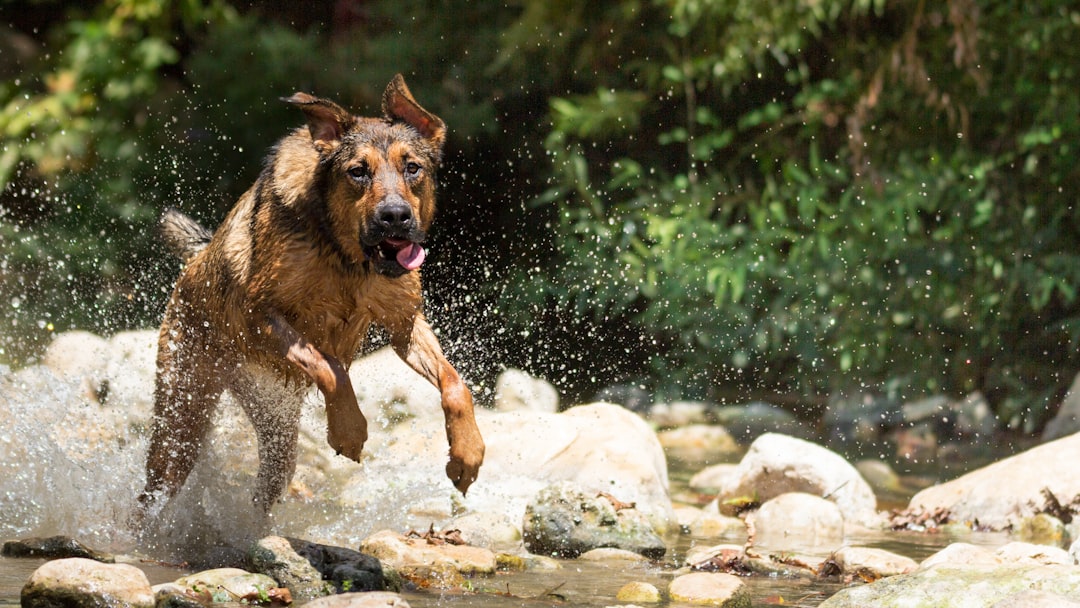
When Max started launching himself off the sofa at midnight for the third consecutive night, his owner Sarah realized this wasn’t just puppy enthusiasm—it was full-blown hyperactivity. If you’re searching for how to calm a hyperactive dog without resorting to sedatives or frustration, you’re not alone. Millions of pet parents struggle with dogs who seem to have an endless supply of nervous energy, unable to settle even after long walks.
Hyperactivity in dogs often stems from underlying triggers that go beyond simple boredom. From dietary sensitivities to insufficient mental stimulation, understanding the root cause is essential before you can help your furry friend find their zen. In this comprehensive guide, we’ll explore evidence-based techniques to soothe your restless pup, including the often-overlooked connection between dog allergy symptoms and hyperactive behavior.
Understanding the Difference: Hyperactivity vs. High Energy
Before diving into solutions, it’s crucial to distinguish between a naturally energetic dog and one experiencing true hyperactivity. High-energy breeds like Border Collies or Jack Russell Terriers require substantial exercise—that’s normal. However, hyperactivity manifests as an inability to settle, obsessive behaviors, destructive tendencies when under-stimulated, and constant pacing or whining despite adequate physical activity.
True hyperactivity, sometimes called canine ADHD, involves a dog that cannot focus, jumps excessively at small stimuli, and remains in a state of physiological arousal for extended periods. This state isn’t just tiring for you—it’s stressful for your dog’s cardiovascular system and mental health.
Signs Your Dog Needs Calming Intervention
Watch for these indicators that your dog’s energy levels have shifted from healthy to problematic:
- Inability to settle even after 30+ minutes of quiet time
- Destructive chewing that continues past the puppy stage
- Excessive jumping on guests that doesn’t respond to basic training
- Pacing patterns or repetitive spinning behaviors
- Difficulty sleeping through the night despite adequate daytime exercise

How to Calm a Hyperactive Dog: Immediate Techniques
When your dog is in the middle of a hyperactive episode, you need strategies that work within minutes, not weeks. These techniques focus on physiological calming—actually lowering heart rate and cortisol levels.
Pressure Therapy and Touch
Deep pressure stimulation works wonders for overstimulated dogs. Wrap your arms firmly (but gently) around your dog’s torso or use a commercially available anxiety wrap. The consistent pressure releases oxytocin, the same hormone that helps human infants calm when swaddled. Massage the base of the ears and along the spine using slow, deliberate strokes—fast petting actually increases arousal.
Environmental Modification
Create a “zen zone” in your home using the concept of sensory reduction. Dim the lights, eliminate background television noise, and introduce white noise or classical music specifically composed for dogs (research shows reggae and soft rock also lower canine heart rates). This sensory diet gives your dog’s nervous system a much-needed break from processing stimuli.
The Captured Calmness Method
Rather than trying to correct hyperactive behavior, catch your dog during a micro-moment of stillness. When they pause their pacing or stop jumping, immediately mark the behavior with a soft “yes” and deliver a high-value treat. This positive reinforcement dog training approach teaches your dog that relaxation—not action—earns rewards. Over time, these moments of calmness expand naturally.

Long-Term Strategies for Sustainable Calmness
While immediate techniques help in the moment, lasting change requires lifestyle adjustments that address the root causes of hyperactivity.
Mental Exercise Over Physical Exhaustion
Many hyperactive dogs are actually physically over-exercised and mentally under-stimulated. A dog that runs for two hours but never uses their brain returns home physically tired but mentally wired. Replace thirty minutes of fetch with:
- Nosework games hiding treats around the house
- Interactive puzzle feeders that require problem-solving
- Training sessions teaching new tricks (cognitive fatigue settles dogs faster than physical fatigue)
- Slow sniffing walks where the dog leads, using their primary sense organ
Structured Routine and Predictability
Dogs thrive on predictability. Hyperactivity often spikes when dogs don’t know what to expect next. Establish consistent daily rituals—wake times, feeding times, exercise windows, and bedtime. When your dog trusts that their needs will be met at regular intervals, the anxious vigilance that fuels hyperactivity diminishes.
The Hidden Connection: Could Allergies Be Causing Hyperactivity?
Here’s a factor many veterinarians and trainers miss: undiagnosed allergies can manifest as hyperactive behavior. When dogs experience chronic itching, digestive discomfort, or inflammation from environmental dog allergies, they cannot settle physically. The constant sensation of skin crawling or gut pain creates a state of restless movement—they’re trying to escape their own discomfort.
How Allergic Discomfort Mimics Hyperactivity
Dogs with allergies often display:
- Excessive licking or chewing at paws (often mistaken for OCD)
- Inability to sleep deeply due to itching
- Restless repositioning seeking comfortable spots
- Irritability that looks like overexcitement
Addressing the Root Cause
If you suspect your dog’s hyperactivity might have an allergic component, addressing their immune health can dramatically improve their ability to relax. ROROCA Allergy Chews offer a comprehensive approach to calming allergic responses that drive restless behavior. These veterinarian-formulated soft chews contain a powerful Probiotic Blend (6-strain) that supports the gut-skin axis, reducing systemic inflammation that keeps dogs uncomfortable.
The addition of Salmon Oil provides omega-3 fatty acids that naturally modulate inflammatory responses, while Licorice Root Extract offers gentle cortisol support without the harsh side effects of steroids. The Curcuma Longa Extract (Turmeric) acts as a potent anti-inflammatory, and Echinacea Extract balances the immune system so it doesn’t overreact to environmental triggers. When your dog isn’t fighting constant allergic discomfort, their nervous system can finally switch from survival mode to rest mode.
Dietary Interventions for Hyperactive Dogs
What your dog eats directly influences neurotransmitter production and energy levels. High-carbohydrate diets create blood sugar spikes followed by crashes that mimic manic behavior. Consider transitioning to a high-protein, low-glycemic diet rich in tryptophan-containing foods like turkey, eggs, and fish.
Natural Calming Supplements
Beyond allergy support, specific nutrients help regulate canine anxiety:
- L-theanine: An amino acid found in green tea that promotes alpha wave production in the brain
- Valerian root: A herbal sedative that works on GABA receptors
- CBD oil: Full-spectrum hemp oil can reduce anxiety-driven hyperactivity (consult your vet for dosing)
- Magnesium: Often deficient in processed diets, this mineral acts as nature’s muscle relaxant
Always introduce supplements gradually and monitor for individual sensitivities.
When to Seek Professional Help
While most hyperactivity responds to environmental and dietary changes, some cases require medical intervention. If your dog’s hyperactivity includes self-harm, extreme aggression during episodes, or complete inability to sleep for 24+ hours, consult a veterinary behaviorist. These professionals can determine if pharmaceutical support is needed alongside behavioral modification.
Additionally, rule out medical causes like hyperthyroidism, neurological disorders, or chronic pain. A dog in pain often appears “hyper” because they cannot get comfortable—constantly shifting positions and pacing.
Frequently Asked Questions
How do I know if my dog is hyperactive or just needs more exercise?
True hyperactivity persists even after adequate physical exertion. If your dog runs for an hour and still cannot settle within 30 minutes of returning home, you’re likely dealing with hyperactivity rather than high energy. High-energy dogs tire; hyperactive dogs remain in a state of arousal.
Can food allergies really cause hyperactivity in dogs?
Yes. Food allergies create systemic inflammation and discomfort that prevent dogs from settling. The constant physical irritation acts as background noise for their nervous system, keeping them in a state of restless vigilance. Addressing dog food allergy signs often resolves accompanying behavioral hyperactivity.
What is the fastest way to calm a hyper dog down right now?
The quickest method combines physical pressure (wrapping your dog in a weighted blanket or anxiety wrap), removing all stimuli (taking them to a dark, quiet room), and offering a long-lasting chew item. The act of chewing releases calming endorphins and provides a physical outlet for nervous energy.
Should I crate my hyperactive dog to calm them down?
Crating works only if the crate has been established as a safe, positive space beforehand. Forcing a hyperactive dog into a crate can increase panic. Instead, use the crate as a voluntary “den” with the door open, filled with comforting items. Never use the crate as punishment for hyperactive behavior.
How long does it take to see improvement in a hyperactive dog?
With consistent implementation of calming techniques and addressing underlying allergies, most owners see noticeable improvement within 2-4 weeks. However, true behavioral change requires 3-6 months of consistent routine establishment. Dogs with chronic anxiety may require ongoing management rather than a complete “cure.”
Are calming treats safe for daily use?
Natural calming treats containing ingredients like L-theanine, chamomile, or the probiotic and anti-inflammatory blend found in ROROCA Allergy Chews are generally safe for daily use. However, treats containing sedatives or strong herbs should be reserved for specific stressful events. Always check with your veterinarian before starting any daily supplement regimen.
Conclusion
Learning how to calm a hyperactive dog requires patience, consistency, and a holistic approach that addresses both mind and body. By combining immediate calming techniques, structured mental exercise, and investigating potential underlying causes like allergies, you can help your dog transition from frantic to peaceful.
Remember that hyperactivity is often a symptom rather than the disease itself. Whether your dog needs more cognitive challenges, a dietary adjustment, or immune support through products like ROROCA Allergy Chews to address allergic discomfort, the path to calmness starts with understanding. Your hyperactive dog isn’t giving you a hard time—they’re having a hard time. With the strategies outlined above, you can both look forward to quieter evenings and deeper rest.