

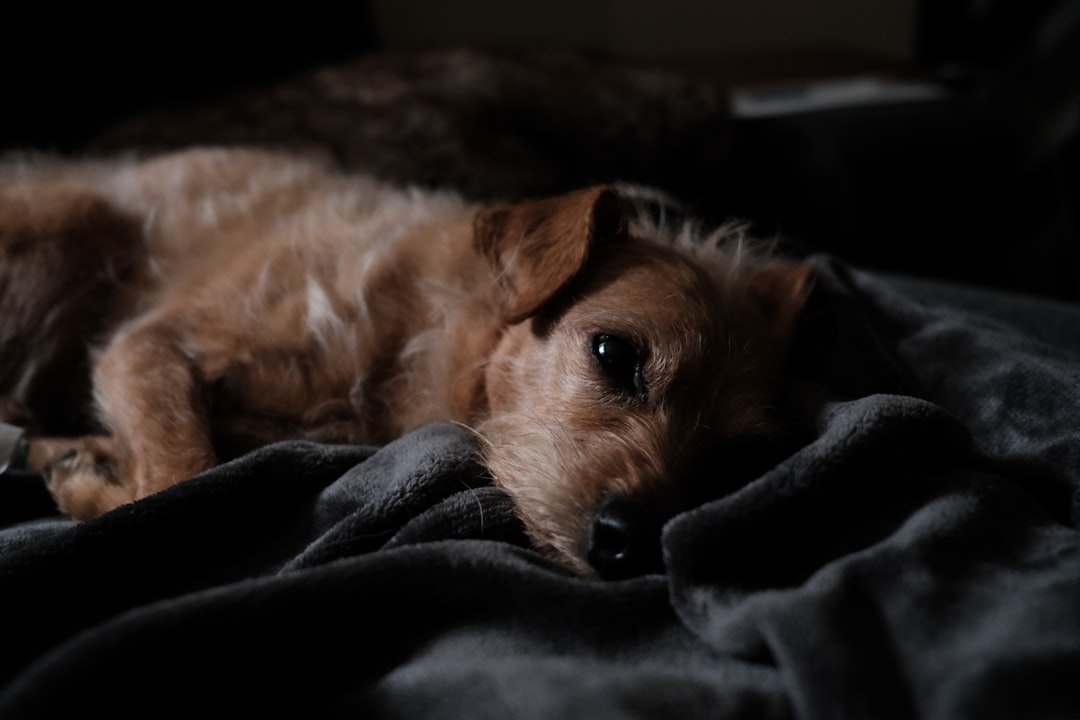
As a dog parent, there’s nothing more heartbreaking than watching your furry family member pace, pant, and scratch while the rest of the house sleeps. If you’ve found yourself searching for how to calm a restless dog at night, you’re likely running on caffeine and concern, wondering why your once-sound sleeper has become a midnight marathoner. While many factors can disrupt canine sleep, an often-overlooked culprit hiding in plain sight is allergies. Environmental triggers, food sensitivities, and seasonal irritants don’t just cause daytime scratching—they create a cascade of discomfort that peaks when your dog should be dreaming. This 2026 guide explores the surprising connection between allergic reactions and nighttime anxiety, offering evidence-based solutions to restore peace to your evenings.

Understanding Canine Restlessness: Normal vs. Concerning Behavior
Before diving into solutions, it’s essential to recognize what constitutes problematic restlessness. Dogs naturally adjust their sleep cycles to household rhythms, often waking briefly during the night to reposition or respond to sounds. However, persistent pacing, whimpering, excessive licking, or frantic scratching indicates underlying distress that requires intervention.

Behavioral restlessness typically stems from insufficient daytime exercise, cognitive dysfunction in senior dogs, or separation anxiety. Physical restlessness, conversely, arises from pain, gastrointestinal upset, or—critically for our discussion—signs your dog has seasonal allergies that manifest as skin irritation, ear inflammation, or respiratory congestion. Distinguishing between these categories determines whether you need training modifications or medical support.
Allergy-induced restlessness carries distinct signatures. You might notice your dog intensifies scratching when lying down, shakes their head against the bedding, or exhibits “the midnight crazies”—sudden bursts of rolling, rubbing, and pawing at their face. These behaviors suggest histamine release and inflammatory responses that make settling impossible.
The Hidden Connection: How Allergies Destroy Sleep Quality
When exploring how to calm a restless dog at night, understanding the physiological mechanisms linking allergies to insomnia proves crucial. Allergic reactions trigger complex immune cascades that don’t conveniently pause after sunset.
The Itch-Scratch Cycle Intensifies After Dark
During daylight hours, distractions like walks, play, and household activity provide temporary relief from pruritus (itching). At night, when external stimuli diminish, your dog’s nervous system amplifies sensory input. That slight tingling sensation on their paws becomes an unbearable burning. The natural allergy relief options for dogs you implement must address this neurological hypersensitivity, not merely the skin surface.
Additionally, cortisol levels—natural anti-inflammatory hormones—drop during evening hours in both humans and canines. This circadian rhythm means allergic inflammation peaks precisely when your dog attempts to sleep, transforming minor irritations into overwhelming urges to scratch, chew, or rub against furniture.
Respiratory Allergies and Nocturnal Breathing Difficulties
While skin allergies dominate discussions, airborne allergens like pollen, dust mites, and mold spores cause significant nighttime distress. When dogs lie down, post-nasal drip increases, creating throat irritation that triggers coughing, swallowing, and position changes. Nasal congestion forces mouth breathing, which dries oral tissues and creates anxiety-producing discomfort.
Secondary Infections Create Compound Discomfort
Allergies compromise skin barriers, inviting yeast and bacterial colonization. These recurring skin infections in allergic dogs generate warmth, pain, and odor that intensify when the dog is stationary. Ear infections—common allergic sequela—cause balance issues and pressure changes when the head rests on the floor, forcing dogs to constantly adjust positions or remain standing.
Immediate Relief: How to Calm a Restless Dog at Night Tonight
While long-term allergy management offers permanent solutions, these immediate interventions can help both of you survive until morning:
- Cooling Therapy: Apply wrapped ice packs or cool, damp cloths to inflamed paws, groins, or armpits for five-minute intervals. The cold constricts blood vessels, temporarily reducing histamine activity and soothing hot spots.
- Elevation for Breathing: If respiratory allergies suspect, prop your dog’s bed at a 15-degree angle using foam wedges or folded blankets. This position reduces post-nasal drip and eases chest congestion.
- Humidifier Placement: Position a cool-mist humidifier near your dog’s sleeping area to moisturize nasal passages and reduce airborne allergen concentration. Clean daily to prevent mold growth.
- Distraction Through Frozen Treats: Offer a frozen, allergy-friendly stuffed Kong or lick mat. The repetitive licking motion releases endorphins that counteract histamine-induced anxiety while providing cooling relief for irritated gums and tongues.
- Gentle Acupressure: Apply light pressure to the base of the skull (GB20 point) and between the shoulder blades for two minutes. This stimulates the parasympathetic nervous system, promoting relaxation without medication.
- Protective Garments: Dress your dog in a lightweight, breathable bodysuit or t-shirt to prevent scratching access while providing gentle compression that calms anxious nervous systems.
Long-Term Solutions: Addressing Allergic Root Causes
Sustainable resolution requires reducing your dog’s overall allergic burden. Environmental modifications include HEPA filtration, weekly hot-water laundering of bedding, and wiping paws with hypoallergenic wipes after outdoor exposure. Dietary shifts toward novel protein or hydrolyzed diets eliminate food-based triggers that amplify environmental sensitivities.
Targeted Nutritional Support
One option gaining attention from integrative veterinarians involves supporting immune modulation through specific nutritional compounds. ROROCA Allergy Chews represent a formulation designed to address the inflammatory cascade underlying nighttime restlessness. These soft chews deliver a proprietary Probiotic Blend featuring six distinct strains—including Lactobacillus and Bifidobacterium species—that support gut barrier integrity, where approximately 70% of canine immune function originates.
The inclusion of Salmon Oil provides omega-3 fatty acids (EPA and DHA) that reduce cytokine production responsible for skin inflammation and itching. Licorice Root Extract offers glycyrrhizin compounds with cortisol-like soothing properties that calm irritated mucous membranes and skin without suppressing adrenal function. Curcuma Longa Extract (Turmeric) contributes curcuminoids that inhibit NF-kB inflammatory pathways, while Echinacea Extract balances T-cell responses to prevent immune overreaction to harmless allergens.
Unlike sedatives that merely mask symptoms through chemical drowsiness, this combination addresses the threshold at which allergic reactions trigger restlessness. Most owners report improved sleep patterns within three to four weeks of consistent supplementation as histamine responses normalize and skin barriers repair.
When to Seek Veterinary Intervention
While home management succeeds for mild cases, certain scenarios demand professional care. If your dog’s restlessness accompanies facial swelling, difficulty breathing, or hives, seek emergency veterinary attention immediately—these indicate anaphylaxis requiring epinephrine.
Chronic nighttime distress warranting diagnostic workup includes persistent scratching causing excoriations, ear infections recurring monthly, or behavioral changes lasting beyond two weeks. Your veterinarian may recommend intradermal allergy testing, serum IgE testing, or therapeutic trials of prescription medications like Apoquel or Cytopoint alongside natural allergy relief options for dogs for comprehensive management.
Frequently Asked Questions
Can allergies really prevent my dog from sleeping through the night?
Absolutely. Allergies cause physical discomfort that intensifies when distractions decrease and inflammatory hormones fluctuate during evening hours. The combination of itching, congestion, and secondary infections creates genuine suffering that makes sleep impossible without intervention.
How do I distinguish between anxiety and allergy-related restlessness?
Anxiety-based restlessness typically involves pacing near doors, attention-seeking behaviors, or destructive tendencies focused on exit points. Allergy-related restlessness centers on self-directed behaviors—scratching specific body areas, head shaking, rubbing face on carpets, or licking paws obsessively. Allergic dogs often appear exhausted but unable to settle, whereas anxious dogs remain hypervigilant.
Why does my dog only scratch at night?
Circadian rhythms cause cortisol (natural anti-inflammatory) levels to drop at night, allowing histamine activity to peak. Additionally, environmental allergens like dust mites concentrate in bedding materials, and the lack of daytime distractions allows your dog to focus entirely on physical sensations.
Is Benadryl safe for calming my allergic dog at night?
While diphenhydramine (Benadryl) provides short-term relief for acute allergic reactions, it isn’t recommended as a sleep aid without veterinary guidance. Dosage varies significantly by weight, and some dogs experience paradoxical hyperactivity. Long-term use masks underlying conditions requiring treatment. Always consult your veterinarian before administering antihistamines, especially if your dog takes other medications.
How long before allergy supplements improve my dog’s sleep?
Immune modulation requires patience. Probiotic and botanical formulations typically show preliminary results—reduced scratching frequency and intensity—within 14 to 21 days, with optimal sleep improvement manifesting after 6 to 8 weeks of consistent administration. This timeline allows for gut microbiome shifts and cellular inflammation reduction.
Can changing my dog’s dinner time help with nighttime restlessness?
Strategic feeding can help. For dogs with food allergies, eliminating late-night treats containing common triggers (chicken, beef, wheat) prevents inflammatory peaks during sleep. Conversely, dogs with empty-stomach nausea may benefit from a small bedtime snack. For environmental allergies, feeding earlier allows any post-meal histamine response to subside before bedtime.
Conclusion
Learning how to calm a restless dog at night requires looking beyond simple behavioral fixes to address the physiological discomforts keeping your companion awake. When allergies drive midnight distress, temporary soothing measures provide relief while immune-supporting strategies offer lasting solutions. By combining environmental controls, appropriate veterinary care, and targeted nutritional support like ROROCA Allergy Chews with their comprehensive blend of probiotics, Salmon Oil, Licorice Root Extract, Curcuma Longa Extract (Turmeric), and Echinacea Extract, you address the root inflammatory processes stealing your dog’s rest. Peaceful nights return when we listen to what our dogs’ bodies are telling us—and respond with patience, science, and compassion. Sweet dreams await you both.