

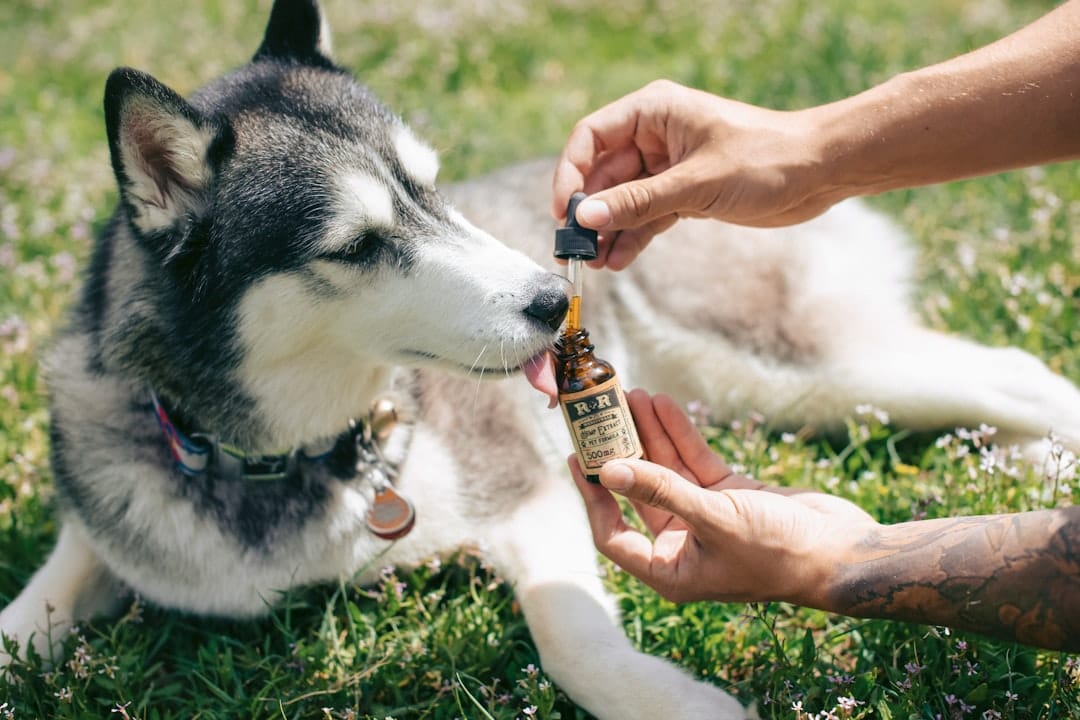
How Much Honey to Give Dog for Allergies: The Complete 2026 Dosage Guide
Published: January 2026 | Reading Time: 10 minutes
Is your dog keeping you up at night with constant scratching, paw licking, or sneezing fits that seem to worsen with the changing seasons? You’re not alone. As environmental allergens like pollen, grass, and dust become increasingly prevalent, more pet parents are turning to natural solutions to ease their furry friends’ discomfort. Among the most popular home remedies is raw honey, but the question remains: how much honey to give dog for allergies without causing digestive upset or sugar-related issues?
While honey has been used for centuries in human allergy management through the theory of immunotherapy, applying this approach to canines requires careful consideration of dosage, honey type, and your dog’s overall health profile. This comprehensive guide will walk you through exactly how to safely administer honey to your allergic dog, what results to realistically expect, and when to combine natural remedies with veterinary-grade solutions for optimal relief.

The Quick Answer: Honey Dosage for Dogs
Before diving into the science and specifics, here’s what you need to know immediately about how much honey to give dog for allergies. The general rule of thumb is approximately 1 teaspoon per 20 pounds of body weight, administered once daily during allergy season.
Specifically:
- Small dogs (under 20 lbs): ½ teaspoon daily
- Medium dogs (20-60 lbs): 1 teaspoon daily
- Large dogs (60+ lbs): 1-2 teaspoons daily
Always start with half the recommended dose for the first three days to monitor for any gastrointestinal sensitivity. Raw, local honey is preferred over processed varieties because it contains trace amounts of local pollen that may help desensitize your dog’s immune system over time.

The Science Behind Honey and Canine Allergies
Understanding common dog allergy symptoms helps explain why honey might offer relief. When your dog suffers from environmental allergies, their immune system overreacts to harmless substances like pollen, treating them as dangerous invaders. This triggers histamine release, causing itching, inflammation, and respiratory distress.
How Local Honey Works for Allergies
The theory behind using honey for allergies stems from immunotherapy principles. Raw honey collected from local hives contains small amounts of the same pollen causing your dog’s allergic reactions. By introducing these micro-doses into your dog’s system regularly, you may help their immune system build tolerance gradually, reducing the severity of allergic responses over time.
However, it’s important to note that scientific studies specifically examining honey’s effectiveness for canine allergies remain limited. Most evidence is anecdotal or extrapolated from human studies. While some dogs show remarkable improvement after 4-6 weeks of consistent honey administration, others may experience minimal benefit, particularly if their allergies stem from food sources rather than environmental triggers.
Nutritional Benefits Beyond Allergy Relief
Beyond potential immunotherapy effects, honey offers legitimate nutritional support for allergic dogs. Raw honey contains:
- Natural enzymes that support digestive health
- Antioxidants that reduce inflammation
- Trace minerals including zinc and selenium
- Natural antibacterial properties that can help with secondary skin infections from excessive scratching
Detailed Guide: How Much Honey to Give Dog for Allergies by Weight
Getting the dosage right is crucial for safety and effectiveness. Too little honey won’t provide potential immunotherapy benefits, while too much can cause weight gain, dental issues, or blood sugar spikes.
Weight-Based Dosage Chart
| Dog Weight | Starting Dose (Week 1) | Maintenance Dose | Maximum Daily Amount |
|---|---|---|---|
| 5-10 lbs | ¼ teaspoon | ½ teaspoon | ½ teaspoon |
| 11-20 lbs | ½ teaspoon | ½ teaspoon | 1 teaspoon |
| 21-40 lbs | ½ teaspoon | 1 teaspoon | 1.5 teaspoons |
| 41-60 lbs | 1 teaspoon | 1 teaspoon | 2 teaspoons |
| 61-80 lbs | 1 teaspoon | 1.5 teaspoons | 1 tablespoon |
| 80+ lbs | 1.5 teaspoons | 2 teaspoons | 1 tablespoon |
Administration Methods
Getting your dog to accept honey is usually easy given its natural sweetness, but here are the most effective delivery methods:
Direct Oral Administration: Let your dog lick the honey directly from a spoon or your finger. This allows the honey to coat the throat, potentially providing soothing relief for dogs with allergy-related throat irritation.
Mixed with Food: Stir the honey into your dog’s regular kibble or wet food. The food’s warmth helps spread the honey evenly, ensuring your dog consumes the full dose.
Frozen Treats: For hot weather or dogs who enjoy frozen treats, mix honey with plain yogurt and freeze in silicone molds. This method is particularly soothing for dogs with inflamed, itchy skin.
Timing and Frequency
For seasonal allergies, begin administering honey 4-6 weeks before allergy season starts in your region. This pre-loading period allows time for potential immune system modulation. Continue daily administration throughout the season, then gradually reduce frequency as symptoms subside.
For year-round allergies, maintain consistent daily dosing but consider implementing “honey breaks”—one week off every three months—to prevent sugar tolerance buildup and dental concerns.
Choosing the Right Honey for Your Allergic Dog
Not all honey is created equal when it comes to allergy management. The processing method and geographic origin significantly impact potential benefits.
Raw vs. Processed Honey
Raw honey is unpasteurized and unfiltered, maintaining its natural enzyme content, pollen particles, and propolis. These components are essential for the immunotherapy theory to work. Processed or pasteurized honey has been heated to high temperatures, destroying beneficial enzymes and potentially removing pollen particles that could help with desensitization.
Always choose raw, unfiltered honey. Look for cloudy appearance and potential crystallization—these are signs of minimal processing.
Local vs. Commercial Honey
Local honey harvested within 50 miles of your home contains the specific pollen varieties affecting your dog. While Manuka and other specialty honeys offer antibacterial benefits, they won’t provide the localized immunotherapy effects needed for seasonal allergy management for dogs.
Visit farmers markets, local apiaries, or natural food stores to find honey produced in your specific region. Ask beekeepers about their hive locations and the dominant floral sources to ensure the honey matches your local allergen profile.
Honey to Avoid
Never give dogs honey containing xylitol, an artificial sweetener sometimes found in “sugar-free” or “low-calorie” honey products. Xylitol is extremely toxic to dogs and can cause rapid insulin release, hypoglycemia, and liver failure. Always verify that you’re purchasing pure, natural honey without additives.
Safety Considerations and When to Avoid Honey
While honey is generally safe for adult dogs, certain health conditions make it inappropriate or dangerous.
Age Restrictions
Puppies under 12 months should not receive honey. Their immune systems are still developing, and honey can contain botulism spores that adult dogs’ digestive systems handle easily but puppies cannot. Wait until your dog reaches one year of age before introducing honey as an allergy treatment.
Medical Contraindications
Consult your veterinarian before giving honey to dogs with:
- Diabetes or insulin resistance (honey causes blood sugar spikes)
- Obesity (high caloric content—1 teaspoon contains approximately 21 calories)
- Pancreatitis history
- Dental disease (sticky sugar promotes tooth decay)
- Immunocompromised conditions
Monitoring for Adverse Reactions
While rare, some dogs may show sensitivity to honey. Discontinue use immediately if you observe vomiting, diarrhea, excessive gas, or increased itching within 24 hours of administration. These symptoms indicate your dog may have sensitivity to bee products or specific pollen types in the honey.
When Honey Isn’t Enough: Comprehensive Allergy Management
While understanding how much honey to give dog for allergies provides a foundation for natural care, many dogs require multifaceted approaches to find genuine relief. Environmental allergies often demand internal immune support combined with external soothing.
For dogs who don’t respond to honey alone, or for pet parents seeking more predictable results, veterinary-formulated allergy supplements offer targeted support. ROROCA Allergy Chews provide a scientifically balanced alternative that addresses allergic responses through multiple pathways simultaneously.
Unlike single-ingredient remedies, these chews combine a 6-strain Probiotic Blend to support gut health—where 70% of the immune system resides—with Salmon Oil for omega-3 fatty acids that reduce inflammatory responses. The formula also includes Licorice Root Extract, which acts as a natural corticosteroid alternative to soothe itchy skin without the side effects of pharmaceutical steroids.
Additional botanical ingredients like Curcuma Longa Extract (Turmeric) provide powerful anti-inflammatory benefits, while Echinacea Extract modulates immune function, helping prevent the overreactions that cause allergy symptoms. This comprehensive approach often succeeds where single remedies like honey fall short, particularly for dogs with moderate to severe allergic reactions.
Many pet parents find success combining small amounts of local honey (half the standard dose) with veterinarian-recommended supplements, creating a synergistic effect that supports the immune system from multiple angles while minimizing sugar intake.
Frequently Asked Questions About Honey and Dog Allergies
How long does it take to see results when giving honey for allergies?
Most dogs require 4-8 weeks of consistent daily administration before showing noticeable improvement. Unlike antihistamines that work within hours, honey relies on gradual immune system desensitization. Some dogs show reduced symptoms within 3 weeks, while others may need a full allergy season to demonstrate benefits. If no improvement occurs after 8 weeks, honey may not be effective for your dog’s specific allergen profile.
Can I give my dog honey every day?
Yes, adult dogs can receive honey daily during allergy season provided they maintain a healthy weight and don’t have diabetes. However, implement “honey holidays” of 3-5 days off every month to prevent dental issues and sugar dependency. Always account for honey’s calories (21 per teaspoon) by slightly reducing regular food portions if your dog is prone to weight gain.
Is Manuka honey better than local honey for dog allergies?
For allergy-specific relief, local raw honey typically outperforms Manuka honey. While Manuka offers superior antibacterial and wound-healing properties (beneficial for hot spots), it doesn’t contain the local pollen necessary for immunotherapy-based allergy relief. Use Manuka for topical skin applications, but stick with local honey for oral allergy management.
What if my dog is allergic to bees? Can they still have honey?
Dogs allergic to bee stings can usually consume honey safely because honey contains no bee venom proteins. Bee venom allergies involve an immune response to specific proteins injected during stings, whereas honey consists of flower nectar and pollen. However, introduce honey extremely slowly (¼ teaspoon for large dogs) and monitor for any unusual reactions, as rare cross-reactivities can occur.
Can honey cure my dog’s allergies completely?
No, honey is not a cure for allergies but rather a management tool that may reduce symptom severity for some dogs. True allergies involve complex immune system mechanisms that honey alone cannot permanently reset. Think of honey as one component of a broader management strategy that might include dietary changes, supplements, environmental controls, and in some cases, prescription medications.
How should I store honey for my dog?
Store raw honey in a cool, dark pantry in a tightly sealed glass container. Refrigeration causes crystallization, making honey difficult to measure and administer. If crystallization occurs naturally over time, place the container in warm (not boiling) water to restore liquidity. Never microwave honey, as this destroys beneficial enzymes and can create hot spots that burn your dog’s mouth.
Conclusion: Finding Relief for Your Allergic Dog
Understanding how much honey to give dog for allergies opens the door to a gentle, natural approach that works well for many mild to moderate cases. Remember the golden rule: 1 teaspoon per 20 pounds of body weight, starting with half doses to ensure tolerance. Choose raw, local honey for maximum potential benefits, and maintain realistic expectations about timeline—natural remedies require patience.
However, honey represents just one tool in the allergy management toolkit. For dogs struggling with persistent symptoms despite natural interventions, combining dietary approaches with scientifically formulated supplements like ROROCA Allergy Chews often provides the comprehensive support necessary for lasting comfort. Always consult your veterinarian before starting new supplements, especially if your dog takes other medications or has underlying health conditions.
With consistent care, the right dosage, and appropriate complementary treatments, your dog can enjoy relief from seasonal scratching and return to the happy, comfortable companion you love.
Additional Resources
For more information on managing your dog’s allergies naturally, explore our guides on natural remedies for dog allergies and seasonal prevention strategies.
Disclaimer: This article is for informational purposes only and does not constitute veterinary advice. Always consult with your veterinarian before introducing new foods or supplements, especially if your dog has pre-existing health conditions.