

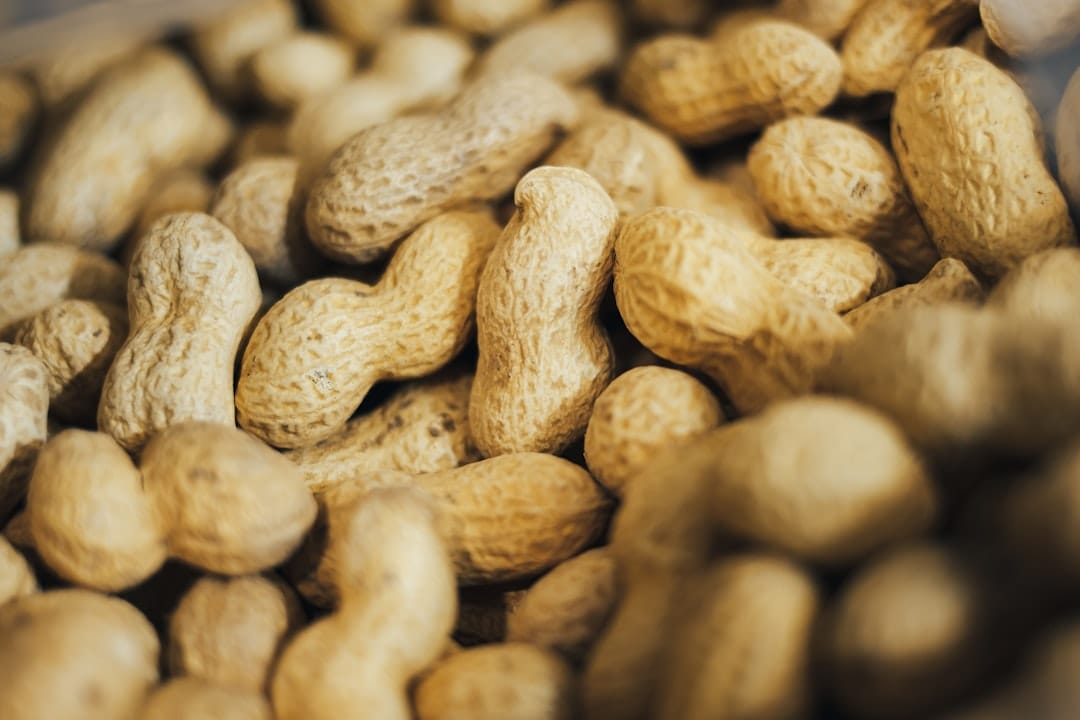
When Max, my three-year-old Labrador, started incessantly scratching his muzzle and developed bright red hives after his afternoon Kong session, I never suspected the culprit was his beloved peanut butter filling. Like many devoted pet parents, I assumed peanuts were a safe, protein-rich treat for dogs—until our emergency vet visit revealed a startling truth. If you’ve found yourself wondering can dogs have peanut allergies, you’re not alone. While canine peanut allergies remain relatively uncommon compared to proteins like chicken or beef, they do occur and can trigger reactions ranging from mild irritation to severe anaphylaxis.
This comprehensive guide explores everything you need to know about peanut allergies in dogs, from identifying symptoms to finding safe alternatives that won’t compromise your pup’s health.
Can Dogs Have Peanut Allergies? The Direct Answer
Yes, dogs can develop peanut allergies, though they are considered uncommon compared to other canine food sensitivities. Unlike humans, where peanut allergies affect approximately 1-2% of the population, veterinary dermatologists estimate that legume allergies—including peanuts—represent a smaller percentage of adverse food reactions in canines. However, when these allergies do occur, they require immediate dietary modification and vigilant management.
The confusion often stems from the fact that many dogs tolerate peanuts without issue, leading owners to assume universal safety. Yet individual immune responses vary dramatically. Some dogs process peanut proteins without consequence, while others mount aggressive immune defenses that manifest through skin inflammation, gastrointestinal distress, or respiratory complications.
It’s crucial to distinguish between a true peanut allergy and simple food intolerance. Allergies involve the immune system producing immunoglobulin E (IgE) antibodies against specific proteins, whereas intolerances typically reflect digestive limitations without immune mediation. Both conditions warrant attention, but true allergies carry the risk of escalating reactions with repeated exposure.

The Science Behind Canine Peanut Allergies
Understanding whether can dogs have peanut allergies requires examining how canine immune systems interact with legume proteins. Peanuts, technically classified as legumes rather than true tree nuts, contain proteins including Ara h 1, Ara h 2, and Ara h 3. While these compounds rarely trigger reactions in canines, sensitization can develop through repeated exposure or genetic predisposition.
When a sensitive dog ingests peanut proteins, their immune system mistakenly identifies these molecules as threats. This triggers mast cell degranulation, releasing histamine and inflammatory cytokines throughout the body. The resulting cascade produces the itching, swelling, and discomfort characteristic of allergic reactions.
Genetic Predisposition and Risk Factors
Certain breeds demonstrate higher susceptibility to food allergies generally, though specific peanut allergy predispositions remain understudied. Breeds including Golden Retrievers, German Shepherds, Bulldogs, and Cocker Spaniels frequently appear in allergy clinics for various food sensitivities. Dogs with existing atopic dermatitis or environmental allergies face compounded risks, as their immune systems already operate in a heightened state of reactivity.
Age also plays a significant role. While puppies can develop allergies, many cases emerge between ages two and six, after repeated dietary exposure has primed the immune system. Interestingly, dogs with leaky gut syndrome or recent antibiotic courses may show temporary sensitivities that resolve with intestinal healing, distinguishing them from permanent allergic conditions.

Recognizing Peanut Allergy Symptoms in Dogs
Identifying a peanut allergy requires vigilant observation of clinical signs, which typically manifest within minutes to hours of ingestion. Unlike gradual environmental allergies, food reactions often appear dramatically and acutely.
Dermatological Indicators
Skin reactions represent the most common manifestation of canine food allergies. Watch for intense pruritus (itching) particularly affecting the face, paws, ears, and groin area. Dogs may paw at their muzzles, rub their faces against furniture, or develop erythema (redness) around the lips where contact occurred. Chronic ear infections, hot spots, and secondary bacterial infections frequently accompany undiagnosed food allergies as dogs scratch compromised skin barriers.
Gastrointestinal Distress
Digestive symptoms range from subtle to severe. Acute vomiting within thirty minutes of consumption suggests immediate hypersensitivity, while delayed diarrhea may indicate slower inflammatory processes. Some dogs exhibit excessive flatulence, borborygmi (audible stomach gurgling), or greasy stools indicating malabsorption. Weight loss and poor coat quality often develop in chronic cases where owners unknowingly continue feeding allergenic foods.
Respiratory and Systemic Warning Signs
Though less common, respiratory symptoms require urgent intervention. Difficulty breathing, wheezing, or swelling of the throat and tongue indicate potential anaphylaxis—a life-threatening emergency demanding immediate veterinary care. Systemic signs include lethargy, fever, and collapse in severe reactions.
If you notice these dog food allergy symptoms consistently appearing after treat time, discontinue peanut products immediately and consult your veterinarian.
The Peanut Butter Dilemma: Why This Treat Poses Risks
While whole peanuts present obvious choking hazards, processed peanut butter introduces unique concerns beyond simple can dogs have peanut allergies questions. Modern commercial peanut butters often contain additives that compound health risks for sensitive dogs.
The Xylitol Toxicity Threat
Perhaps more dangerous than the peanuts themselves, the artificial sweetener xylitol appears increasingly in “natural” and reduced-sugar peanut butters. This compound triggers massive insulin release in dogs, causing hypoglycemia, liver failure, and potentially death within hours. Always verify ingredient labels meticulously, choosing products containing solely peanuts and perhaps salt—never sugar substitutes.
Processing and Aflatoxins
Stored peanuts sometimes harbor aflatoxins, carcinogenic molds that survive processing. While commercial products undergo testing, dogs consuming large quantities of peanut butter face cumulative exposure risks. Additionally, the high fat content in peanut butter can trigger pancreatitis in predisposed breeds, creating symptoms that mimic or accompany allergic reactions.
For owners seeking hypoallergenic treat alternatives, consider single-ingredient dehydrated sweet potato chews, freeze-dried liver, or specialized limited-ingredient biscuits formulated for sensitive systems.
Diagnosing Peanut Allergies: Elimination and Testing
Confirming whether your dog suffers specifically from peanut allergies requires methodical investigation, as symptoms overlap with countless other conditions including environmental allergies, parasitic infections, and alternative food sensitivities.
The Gold Standard: Elimination Diet Trials
Veterinary dermatologists consider elimination diet trials the definitive diagnostic tool. This process involves feeding a novel protein and carbohydrate source—typically hydrolyzed or prescription diets—for eight to twelve weeks while strictly excluding all other foods, treats, and flavored medications. If symptoms resolve, single-ingredient challenges reintroduce suspected allergens individually. A reaction upon peanut reintroduction confirms the diagnosis.
Success demands absolute compliance. Even small breaches—stealing a dropped cracker, licking an empty peanut butter jar—compromise results and extend the trial period. Family members, dog walkers, and neighbors must understand the dietary restrictions completely.
Veterinary Testing Limitations
While intradermal skin testing and serum IgE blood tests help identify environmental allergens, their reliability for food allergies remains controversial. False positives occur frequently, and these tests cannot reliably distinguish between peanut sensitivity and tolerance. However, they prove valuable for ruling out concurrent environmental triggers that might complicate the clinical picture.
Managing Peanut Allergies: Long-Term Care Strategies
Once confirmed, managing canine peanut allergies centers on strict avoidance while supporting overall immune health. Unlike some environmental allergies where immunotherapy offers cures, food allergies require permanent dietary modification.
Reading Labels Vigilantly
Peanuts hide in unexpected products, including some commercial dog foods, biscuits, and flavored medications. Manufacturers may list peanuts as “groundnuts,” “goober peas,” or within “natural flavor” blends. Cross-contamination during manufacturing poses risks for highly sensitive dogs, necessitating dedicated allergen-free production facilities for critical cases.
Supporting the Allergic Dog
Beyond elimination, supporting your dog’s immune system helps mitigate inflammatory responses to unavoidable environmental triggers. Many veterinary nutritionists recommend omega-3 fatty acid supplementation to modulate immune function and reduce skin inflammation. Additionally, novel formulations like ROROCA Allergy Chews provide comprehensive support through their Probiotic Blend featuring six distinct strains that promote gut barrier integrity, combined with Salmon Oil for anti-inflammatory omega-3s. The inclusion of Licorice Root Extract offers natural cortisol-mimicking compounds that soothe irritated tissues, while Curcuma Longa Extract (Turmeric) and Echinacea Extract provide antioxidant and immune-modulating benefits that complement strict dietary management.
Always discuss supplement integration with your veterinarian, particularly if your dog takes medications or has concurrent health conditions.
Emergency Preparedness
Dogs with histories of anaphylactic reactions should carry epinephrine auto-injectors prescribed by veterinarians. Owners must recognize escalating symptoms—rapid swelling, difficulty breathing, pale gums—and administer injections immediately while transporting to emergency facilities.
Safe Alternatives to Peanuts for Dogs
Eliminating peanuts doesn’t mean denying your dog tasty enrichment. Numerous alternatives provide similar textural satisfaction and nutritional benefits without the allergic risks.
Pumpkin seed butter offers comparable consistency to peanut butter with lower allergenic potential, plus added zinc and magnesium. Soaked and blended cashews (in moderation due to fat content) create safe Kong stuffers for dogs without tree nut sensitivities. For training rewards, small pieces of cooked turkey, freeze-dried minnows, or dehydrated banana chips provide high-value motivation.
When exploring can dogs eat peanut butter safely, remember that individual tolerance varies. Some dogs handle peanuts without issue, while others react to trace amounts. Never experiment with potential allergens without veterinary supervision and emergency medications readily available.
Frequently Asked Questions About Dogs and Peanut Allergies
How quickly do peanut allergy symptoms appear in dogs?
Symptoms typically manifest within 30 minutes to 2 hours after ingestion. Immediate reactions (Type I hypersensitivity) cause hives, facial swelling, and vomiting within minutes. Delayed responses may present as diarrhea or skin flare-ups 24-48 hours later, making identification challenging without detailed food journaling.
Can dogs develop peanut allergies later in life?
Yes. While many allergies develop during early adulthood, dogs can develop sensitivities to peanuts at any age after repeated exposure. Adult-onset allergies often prove more severe than those developing during puppyhood, possibly due to cumulative immune system priming.
Is peanut oil safe for dogs with peanut allergies?
Highly refined peanut oils typically contain minimal protein and may not trigger reactions in mildly allergic dogs. However, cold-pressed or expeller-pressed oils retain more allergenic proteins and should be avoided. Given the availability of safer alternatives (olive oil, coconut oil), avoiding peanut oil entirely eliminates unnecessary risk.
Can peanut allergies cause ear infections in dogs?
Chronic ear infections (otitis externa) frequently accompany undiagnosed food allergies, including peanut sensitivities. Inflammation in the ear canals creates ideal environments for yeast and bacterial overgrowth. If your dog suffers recurring ear infections despite cleanings, consider can dogs have peanut allergies as a potential underlying cause requiring dietary investigation.
What’s the difference between peanut and tree nut allergies in dogs?
Botanically, peanuts are legumes (related to peas and lentils), while tree nuts (almonds, walnuts, cashews) are seeds of drupes. Cross-reactivity between peanuts and tree nuts occurs in some dogs but not others. A dog allergic to peanuts may tolerate almonds perfectly, though veterinary guidance should govern any introductions.
Are there hypoallergenic peanut butters for dogs?
No truly hypoallergenic peanut butter exists, as the allergenic proteins remain intrinsic to the legume. However, some companies produce “peanut-free” nut butters using sunflower seeds or watermelon seeds that mimic texture without allergenic risks. Always introduce these alternatives gradually to monitor for individual sensitivities.
Conclusion: Keeping Your Pup Safe
Understanding can dogs have peanut allergies empowers you to make informed decisions about your pet’s diet and recognize emergency situations before they escalate. While relatively rare, these allergies demand respect and preparation. If you suspect your dog reacts to peanuts, initiate an elimination trial under veterinary supervision rather than attempting home diagnoses.
Remember that managing food allergies extends beyond simple avoidance—it requires building resilient health through proper nutrition, immune support, and vigilant monitoring. Whether you choose specialized diets or supplemental support like ROROCA Allergy Chews to maintain your dog’s comfort, prioritize professional guidance to navigate this complex condition safely. Your attentiveness today ensures your loyal companion enjoys many more years of itch-free, happy tail wags.