

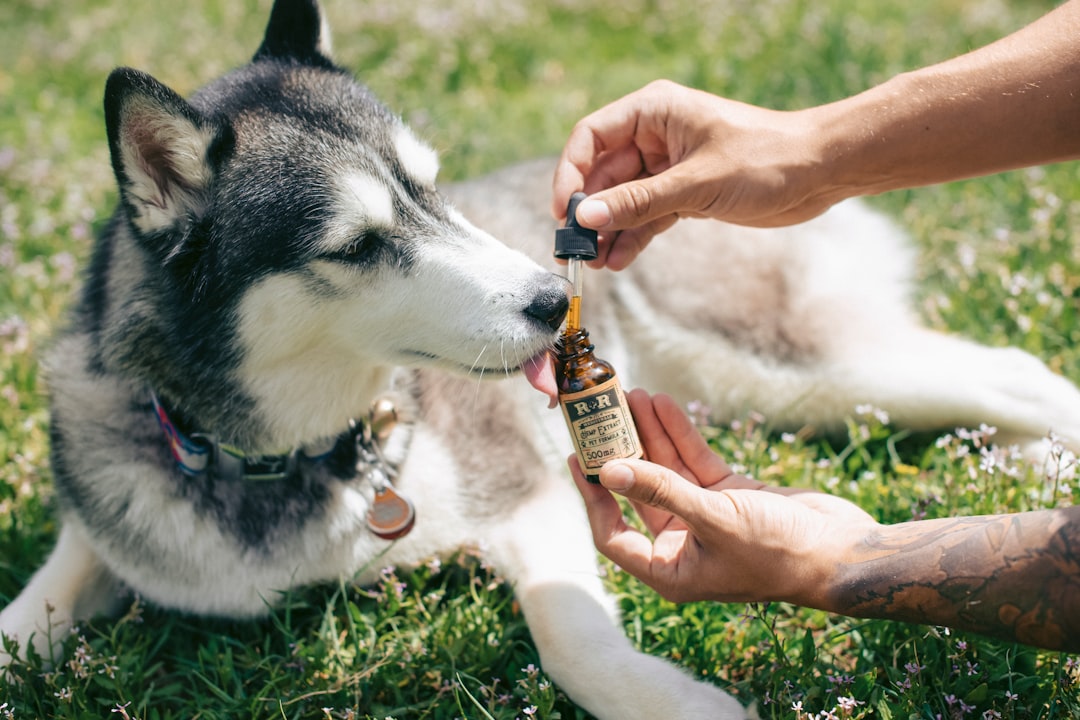
Watching your beloved companion scratch until their skin is raw or shake their head constantly from itchy ears is heartbreaking. If you’ve found yourself searching how to help my dog with allergies at 2 AM while your pup keeps you awake with endless licking, you’re not alone. Canine allergies affect millions of dogs worldwide, turning playtime into discomfort and peaceful walks into sneezing fits.
The good news? You don’t have to accept chronic itching as your dog’s new normal. This comprehensive 2026 guide walks you through evidence-based strategies to identify triggers, provide immediate relief, and create a long-term management plan that restores your dog’s quality of life. Whether your dog suffers from seasonal pollen, food sensitivities, or environmental irritants, you’ll discover actionable steps to help them feel comfortable in their own skin again.
Understanding What Triggers Your Dog’s Immune System
Before diving into solutions, it’s crucial to understand that canine allergies operate similarly to human allergic responses. Your dog’s immune system mistakenly identifies harmless substances as threats, releasing histamines that cause inflammation, itching, and discomfort. Unlike humans who primarily experience respiratory symptoms, dogs typically manifest allergies through their skin.
The Four Main Categories of Canine Allergies
Environmental allergens represent the most common culprit, including pollen, grass, mold spores, dust mites, and dander. These microscopic particles infiltrate your home through open windows, cling to clothing, and settle into carpets. Dogs may experience seasonal flare-ups during spring and fall when pollen counts spike, or suffer year-round if sensitive to indoor triggers like dust mites.
Food allergies, while less common than environmental sensitivities, affect approximately 10% of allergic dogs. Proteins such as chicken, beef, dairy, and wheat typically trigger these reactions. Unlike environmental allergies that cause immediate symptoms, food sensitivities often develop gradually over months or years of eating the same diet.
Flea allergy dermatitis creates intense reactions to flea saliva. Even a single flea bite can trigger severe itching that lasts for weeks in hypersensitive dogs. This condition requires strict parasite prevention rather than just treating symptoms.
Contact allergies occur when your dog’s skin touches irritating substances like certain shampoos, cleaning products, synthetic fabrics, or plants like poison ivy. These reactions typically appear on areas with thin fur, such as the belly, paws, and inner thighs.

How to Help My Dog With Allergies: Immediate Relief Strategies
When your dog is actively suffering from an allergy flare-up, immediate intervention provides comfort while you address underlying causes. These strategies focus on reducing inflammation and breaking the itch-scratch cycle that leads to skin infections and hot spots.
Environmental Modifications for Rapid Relief
Start by creating an allergen-free sanctuary in your home. Invest in a high-quality HEPA air purifier for the room where your dog sleeps, running it continuously to capture airborne particles. Wash your dog’s bedding weekly in hot water exceeding 140°F to eliminate dust mites and pollen accumulation. Consider replacing fabric dog beds with hypoallergenic leather or vinyl options that don’t harbor allergens.
For dogs with outdoor allergies, timing walks strategically helps immensely. Pollen counts peak between 5 AM and 10 AM, so evening walks reduce exposure. After outdoor excursions, wipe your dog’s paws and coat with fragrance-free baby wipes or a damp microfiber cloth to remove pollen before it transfers to furniture or bedding.
Therapeutic Bathing Techniques
Regular bathing with medicated shampoos provides immediate itch relief while removing allergens from the coat. However, frequency matters enormously. Over-bathing strips natural oils and worsens skin barrier dysfunction, while under-bathing allows allergens to accumulate. Most allergic dogs benefit from bathing every 7-14 days using oatmeal-based or chlorhexidine shampoos prescribed by your veterinarian.
When bathing, focus on contact time. Apply shampoo and allow it to sit for 10-15 minutes before rinsing thoroughly. This contact time allows active ingredients to penetrate the skin barrier and interrupt inflammatory pathways. Follow baths with lukewarm water rinses rather than hot water, which exacerbates itching by dilating blood vessels near the skin surface.
Recognizing dog allergy symptoms early allows you to implement these relief strategies before secondary infections develop.

Nutritional Interventions for Long-Term Management
Supporting your dog’s skin barrier from the inside out creates resilience against allergens. The gut-skin axis plays a crucial role in allergic responses, meaning digestive health directly impacts skin inflammation. Strategic dietary changes and targeted supplements address root causes rather than merely masking symptoms.
Elimination Diets and Novel Proteins
If food allergies contribute to your dog’s symptoms, an elimination diet trial provides definitive answers. This 8-12 week process involves feeding a diet containing either hydrolyzed proteins (broken down so small the immune system doesn’t recognize them) or novel proteins your dog has never consumed, such as kangaroo, venison, or duck. Strict adherence matters—single treats or table scraps invalidate the trial.
During this period, monitor not just skin improvements but also ear health, digestive regularity, and energy levels. Many owners report that hypoallergenic diet options eliminate not only itching but also chronic ear infections and loose stools they previously considered normal.
Targeted Supplementation for Immune Modulation
Omega-3 fatty acids derived from fish oil reduce inflammatory cytokines and strengthen skin cell membranes, making them less permeable to allergens. However, dosage precision matters. Therapeutic effects require approximately 20-30 mg of EPA/DHA combined per pound of body weight daily—significantly higher than standard maintenance doses found in most commercial dog foods.
Probiotic supplementation supports the gut microbiome, which regulates approximately 70% of immune function. Specific strains like Lactobacillus and Bifidobacterium demonstrate anti-inflammatory properties that reduce systemic allergic responses.
For comprehensive immune support, many veterinarians recommend ROROCA Allergy Chews as a foundational supplement. These veterinarian-formulated soft chews combine a proprietary 6-strain Probiotic Blend with Salmon Oil rich in omega-3s. The formula includes Licorice Root Extract, which provides natural cortisol-like effects without the side effects of steroids, alongside Curcuma Longa Extract (Turmeric) for potent anti-inflammatory action. Echinacea Extract rounds out the formula by modulating immune responses rather than simply suppressing them. This synergistic approach addresses multiple pathways of allergic inflammation simultaneously.
How to Help My Dog With Allergies Through Medical Partnerships
While home management strategies provide significant relief, partnering with your veterinarian ensures comprehensive care for moderate to severe allergies. Modern veterinary medicine offers sophisticated diagnostic tools and treatments unavailable over the counter.
Diagnostic Testing and Allergen Identification
Intradermal skin testing and serum IgE testing identify specific environmental allergens triggering your dog’s reactions. While these tests don’t diagnose food allergies accurately, they create maps of environmental sensitivities ranging from tree pollens to mold spores. This information proves invaluable for immunotherapy preparation.
Your veterinarian may also perform skin scrapings, fungal cultures, and ear cytology to rule out secondary infections. Bacterial and yeast infections commonly complicate allergic skin disease, requiring antibiotic or antifungal treatment before allergy management proves effective.
Immunotherapy: The Only True Treatment
Allergen-specific immunotherapy (ASIT), commonly called allergy shots or drops, represents the only treatment that actually modifies the immune response rather than just suppressing symptoms. Based on testing results, custom formulations contain minute amounts of identified allergens. Regular administration gradually trains the immune system to tolerate these substances.
This process requires patience—improvement typically appears after 6-12 months of consistent treatment. However, success rates exceed 70% for environmental allergies, and the effects often last for years after discontinuation. Unlike medications requiring lifelong administration, immunotherapy offers the possibility of true resolution.
For breakthrough itching during immunotherapy buildup phases or seasonal spikes, your veterinarian might prescribe Apoquel, Cytopoint, or corticosteroids for short-term use. These medications interrupt itch signals rapidly but work best as bridge therapies while long-term strategies take effect.
Seasonal Flare-Up Prevention Strategies
Many dogs experience cyclical worsening during specific seasons, particularly spring when trees pollinate and fall when ragweed peaks. Preparing for these predictable spikes prevents the cascade of inflammation that leads to skin infections and veterinary emergencies.
Begin proactive supplementation two weeks before historically problematic seasons. Increasing omega-3 fatty acids and starting ROROCA Allergy Chews before pollen counts rise primes the immune system for calmer responses. Seasonal allergy management also involves increasing bathing frequency during high-pollen weeks and maintaining strict flea prevention regardless of outdoor temperatures.
For dogs with grass allergies, creating mulched or gravel pathways in your yard limits contact with triggers. Walking on pavement rather than grass during peak seasons, while less exciting for your dog, significantly reduces allergen exposure. Indoor enrichment activities replace outdoor play during high-pollen days, maintaining mental stimulation without physical triggers.
Recognizing When Allergies Become Emergencies
While chronic itching causes discomfort, certain allergic reactions require immediate veterinary intervention. Anaphylaxis, though rare, presents as sudden collapse, difficulty breathing, pale gums, or widespread hives shortly after exposure to triggers like bee stings or vaccine reactions.
Secondary skin infections also demand prompt attention. If your dog develops oozing sores, areas of hair loss with crusting, or a foul odor from the skin, bacterial infection has likely taken hold. These infections cause more itching than the original allergy, creating a vicious cycle requiring antibiotics to break.
Ear infections similarly escalate quickly. Head shaking, ear scratching, or holding the head tilted suggests otitis externa. Left untreated, infections penetrate deeper into the ear canal, potentially damaging the eardrum or causing permanent hearing loss.
Frequently Asked Questions
How can I help my dog with allergies at home without medication?
Start with environmental controls including HEPA filtration, frequent bathing with medicated shampoos, and wiping paws after outdoor exposure. Dietary omega-3 supplementation and daily brushing to remove pollen provide significant relief for mild cases. However, moderate to severe allergies typically require veterinary intervention alongside home management.
What natural supplements actually work for canine allergies?
Quercetin, often called “nature’s Benadryl,” provides antihistamine effects without sedation. Omega-3 fatty acids from fish oil reduce inflammation when given at therapeutic doses. The combination found in ROROCA Allergy Chews—including Turmeric and Licorice Root—offers research-backed anti-inflammatory benefits that many owners find comparable to prescription medications.
How long does it take to help a dog with allergies feel better?
Symptom relief timelines vary by intervention. Antihistamines work within hours but help only 30% of dogs. Omega-3 supplements require 6-8 weeks for full effect. Immunotherapy takes 6-12 months but offers lasting results. Most dogs see significant improvement within 2-4 weeks of comprehensive management including dietary changes, supplements, and environmental controls.
Can changing my dog’s diet really help with environmental allergies?
Absolutely. While diet doesn’t cause environmental allergies, poor nutrition weakens the skin barrier, allowing allergens to penetrate more easily. High-quality protein sources, adequate omega fatty acids, and probiotic support strengthen skin integrity. Some dogs with both food and environmental sensitivities experience dramatic improvement once dietary triggers are eliminated.
Why won’t my dog’s allergies go away completely?
Canine allergies are chronic conditions managed rather than cured—similar to diabetes or arthritis. The immune system maintains its hypersensitivity throughout life. However, immunotherapy offers the closest thing to a cure by retraining immune responses. Even without immunotherapy, consistent management typically reduces symptoms by 80-90%, allowing normal quality of life.
Is it safe to give my dog human allergy medication like Benadryl?
Diphenhydramine (Benadryl) is generally safe for dogs at 1 mg per pound of body weight, but efficacy varies significantly. Many dogs metabolize antihistamines poorly, experiencing sedation without itch relief. Never use combination products containing decongestants or pain relievers, and consult your veterinarian before starting any medication, especially if your dog takes other prescriptions or has heart conditions.
Restoring Comfort and Joy to Your Dog’s Life
Learning how to help my dog with allergies requires patience, consistency, and often a multi-modal approach combining environmental management, nutritional support, and veterinary care. The journey involves identifying triggers, strengthening the skin barrier, and calming overactive immune responses through both natural and medical interventions.
Remember that every dog responds differently to treatments. What works for one allergic dog may fail for another, necessitating personalized protocols developed with your veterinarian. By implementing the strategies outlined in this guide—from HEPA filtration and therapeutic bathing to immune-modulating supplements like ROROCA Allergy Chews—you provide your companion the relief they deserve.
Don’t let allergies define your dog’s golden years. With proper management, even severely allergic dogs return to joyful, active lives free from constant itching. Start with one or two interventions today, monitor your dog’s response, and gradually build a comprehensive care plan that keeps tails wagging and skin healthy for years to come.