

How to Calm a Reactive Dog: Complete 2026 Guide
Watching your beloved companion lunge, bark, or tremble at the sight of another dog breaks your heart. You know they’re not “bad”—they’re overwhelmed. If you’re searching for how to calm a reactive dog, you may be surprised to learn that the solution isn’t always just behavioral training. Sometimes, the root cause lies in physical discomfort that puts your pup on high alert.

Reactivity in dogs manifests as an overreaction to specific triggers like other dogs, strangers, or loud noises. While training plays a crucial role, emerging research in veterinary behavioral medicine suggests that underlying health issues—particularly allergies—can significantly contribute to anxious, reactive behaviors. This comprehensive guide explores both immediate calming techniques and the often-overlooked connection between physical wellness and emotional stability.

Understanding Canine Reactivity
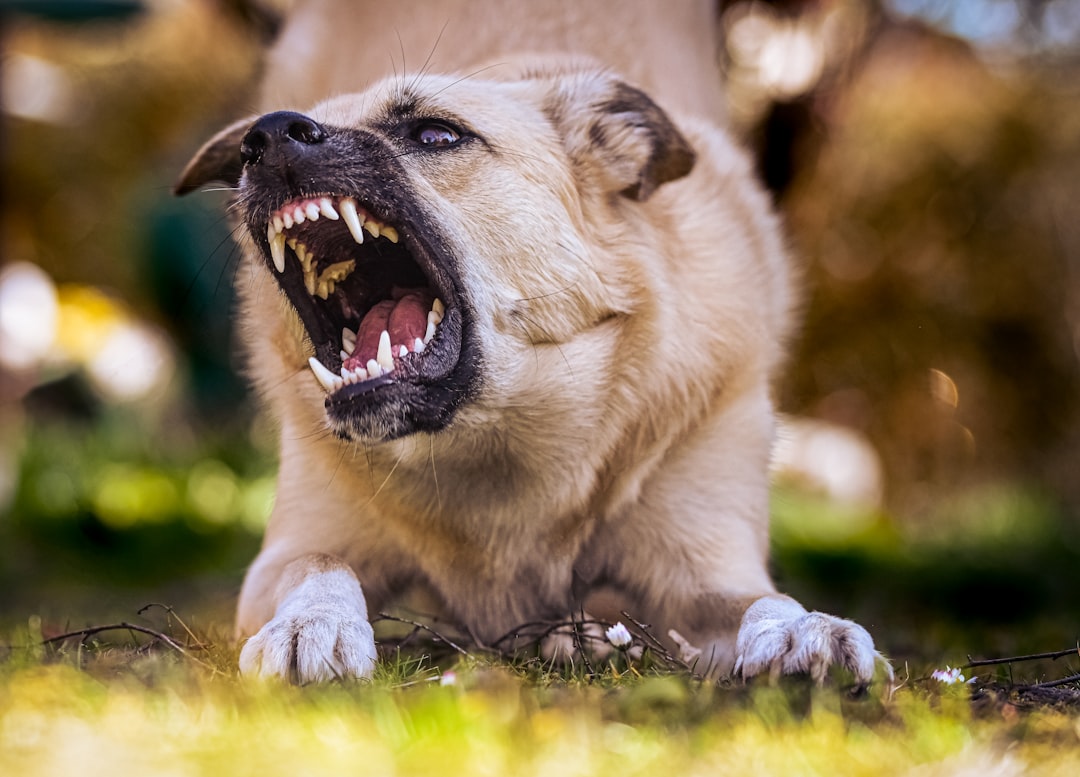
Before addressing solutions, it’s essential to understand what reactivity actually means. A reactive dog isn’t necessarily aggressive; rather, they display exaggerated responses to stimuli that wouldn’t bother most dogs. These responses stem from fear, frustration, or overstimulation, often resulting in barking, lunging, growling, or cowering.
The Allergy-Behavior Connection
Many owners don’t realize that chronic allergies can create a state of physiological stress that mimics or exacerbates anxiety. When a dog suffers from untreated environmental or food allergies, their body releases inflammatory chemicals like histamines. This constant physical irritation puts them in a heightened state of arousal, making them quicker to react to external triggers. If your dog shows common dog allergy symptoms alongside behavioral issues, addressing the underlying inflammation may significantly improve their emotional regulation.
Recognizing Triggers vs. Health Issues
Distinguishing between purely behavioral reactivity and health-influenced behavior requires careful observation. Dogs with allergy-related reactivity often display additional physical signs: excessive scratching, red paws, ear infections, or digestive upset. They may seem “on edge” even in quiet environments, suggesting their nervous system is already compromised by physical discomfort.
How to Calm a Reactive Dog: Immediate Management Techniques
While long-term solutions address root causes, you need strategies for today’s walk or tomorrow’s vet visit. These techniques focus on management—keeping your dog below their threshold while you work on underlying issues.
The Emergency U-Turn
When you spot a trigger approaching, calmly execute a U-turn before your dog notices. Don’t wait until they’re already staring, stiffening, or growling. Turn gracefully, use a happy voice, and move in the opposite direction. This prevents rehearsal of reactive behavior and keeps your dog’s stress hormones from flooding their system.
Scatter Feeding for Disengagement
Carry high-value treats in a treat pouch. The moment you notice your dog noticing a trigger—but before they react—say “Find it!” and scatter several treats on the ground. This engages their seeking system (a calming neural pathway) and creates positive associations with the trigger’s presence.
Creating Buffer Zones
Distance is your best friend. Cross the street, step behind parked cars, or use visual barriers like hedges. Most reactive dogs have a “threshold distance” where they can notice triggers without losing control. Learning to advocate for your dog’s space prevents meltdowns and builds trust.
Addressing Root Causes: When Allergies Drive Reactivity
If your dog’s reactivity seems sudden, intense, or accompanied by physical symptoms, consider whether allergies are fueling the fire. The gut-brain axis in dogs means that digestive inflammation directly impacts anxiety levels. When the immune system constantly battles allergens, cortisol levels remain elevated, creating a dog who literally cannot calm down.
The Inflammation-Anxiety Cycle
Chronic allergic inflammation affects neurotransmitter production, particularly serotonin and GABA, which regulate mood. Dogs with untreated allergies often sleep poorly due to itching, further compromising their emotional resilience. Addressing natural dog calming methods without addressing potential allergies treats the symptom while ignoring the disease.
Supporting Your Dog’s Immune System
A balanced approach to calming reactive dogs includes supporting physical wellness alongside behavioral training. Many pet parents find success with targeted nutritional support that addresses allergic inflammation. ROROCA Allergy Chews offer a comprehensive formula designed to soothe allergic responses that may contribute to behavioral issues. These chews contain a proprietary Probiotic Blend featuring six specific strains to support gut health and immune regulation, alongside Salmon Oil for its anti-inflammatory omega-3 fatty acids.
Additionally, the formula includes Licorice Root Extract, which provides natural cortisol support to help regulate stress responses, Curcuma Longa Extract (Turmeric) for powerful anti-inflammatory benefits, and Echinacea Extract to modulate immune overreactions. By addressing the physical discomfort that keeps your dog’s nervous system on high alert, you create a foundation where behavioral training can actually succeed.
Long-Term Training Strategies
Once you’ve ruled out or addressed medical contributors, structured training helps rewrite your dog’s emotional responses to triggers.
Counter-Conditioning Protocols
This technique changes your dog’s emotional association with triggers. At a safe distance where your dog notices the trigger but doesn’t react, feed high-value treats. The trigger predicts good things, gradually transforming fear into anticipation. Consistency matters—practice daily in short sessions of five minutes or less.
Behavior Adjustment Training (BAT)
Developed by Grisha Stewart, BAT allows dogs to learn from natural consequences. Using a long line in a secure area, you set up scenarios where your dog can approach triggers at their own pace, then retreat when they feel slightly uncomfortable. This builds confidence and teaches dogs they have control over their environment.
Calming Signals and Communication
Learn to read your dog’s subtle stress signals: lip licking, yawning, shaking off, or excessive sniffing. These “whispers” precede the “shout” of barking and lunging. When you notice these signs, increase distance immediately. Respecting these communications teaches your dog you have their back, reducing overall anxiety.
Environmental Management for Reactive Dogs
Your home environment significantly impacts a reactive dog’s baseline stress level. Creating a calm sanctuary helps them recover from stressful exposures.
Provide a designated safe space—whether a crate, corner, or separate room—where your dog isn’t disturbed. Use white noise machines to mask outdoor triggers like passing dogs or delivery trucks. Consider pheromone diffusers that mimic calming maternal signals. For dogs with suspected allergies, hypoallergenic bedding and regular washing of fabrics reduces nighttime itching that disrupts restorative sleep.
Exercise requirements vary by individual, but most reactive dogs benefit from sniffing activities rather than high-arousal fetch games. Nosework and scent games engage the parasympathetic nervous system, naturally lowering heart rate and stress hormones. A physically tired dog isn’t necessarily a calm dog; a mentally satisfied dog is.
When to Seek Professional Help
While this guide provides starting points, some cases require professional intervention. Consult a veterinary behaviorist if your dog’s reactivity involves biting, if management techniques fail consistently, or if you suspect medical causes. when to see a vet for dog behavior issues isn’t always obvious, but sudden onset reactivity or reactivity accompanied by physical symptoms always warrants medical evaluation.
Certified trainers using force-free methods can coach you through BAT or counter-conditioning protocols, providing real-time feedback crucial for success. Avoid trainers advocating prong collars, shock collars, or alpha rolls—these suppress symptoms without addressing causes and often worsen anxiety long-term.
Frequently Asked Questions
Can allergies really make my dog reactive?
Yes. Chronic allergic inflammation keeps cortisol levels elevated and disrupts neurotransmitter balance. Dogs experiencing constant itching, digestive upset, or ear discomfort exist in a state of physiological stress that lowers their threshold for reactivity. Many owners report significant behavioral improvements after addressing underlying allergies.
How long does it take to calm a reactive dog?
Timeline varies based on severity, duration of the behavior, and consistency of training. Most owners see initial management improvements within two weeks, but emotional rehabilitation typically takes six months to two years of consistent work. Addressing potential allergies may accelerate progress by removing physical irritants.
What’s the difference between aggression and reactivity?
Reactivity is an emotional response—usually fear or frustration—manifesting as barking, lunging, or growling. Aggression involves intent to harm. Many reactive dogs display defensive behaviors designed to increase distance from scary things, not to attack. However, unaddressed reactivity can escalate, which is why early intervention matters.
Are certain breeds more prone to reactivity?
While any dog can become reactive, herding breeds and guardian breeds often show genetic predispositions toward environmental sensitivity. However, breeding practices, lack of early socialization, and undiagnosed health issues play larger roles than breed alone. Individual temperament varies widely within breeds.
Can I train a reactive dog without medication?
Many reactive dogs improve significantly with behavior modification and management alone. However, severe cases may benefit from anti-anxiety medications prescribed by veterinarians, which lower stress levels enough for learning to occur. Supplements containing ingredients like those in ROROCA Allergy Chews—particularly the six-strain probiotic blend and anti-inflammatory compounds—offer natural support that may reduce the need for pharmaceuticals.
How do I know if my dog’s reactivity is allergy-related?
Look for concurrent physical symptoms: chronic ear infections, paw licking, coat changes, or digestive issues. Seasonal patterns in reactivity may coincide with pollen seasons. If your dog seems generally “uncomfortable in their skin” or reactive even in low-stimulation environments, request allergy testing from your veterinarian.
Conclusion
Learning how to calm a reactive dog requires patience, consistency, and a holistic view of your pet’s wellbeing. While behavioral training forms the foundation of rehabilitation, don’t overlook the profound impact physical health—particularly allergies—has on emotional stability. By combining immediate management techniques, addressing potential allergic inflammation with targeted support like ROROCA Allergy Chews, and implementing long-term training protocols, you give your dog the best chance at a calmer, happier life.
Remember, reactivity isn’t a character flaw; it’s a cry for help. Whether that help comes in the form of distance from triggers, medical support for allergies, or professional training guidance, your dog is counting on you to interpret their needs. Start with a veterinary checkup to rule out physical causes, then commit to the journey of helping your best friend feel safe in their world.