

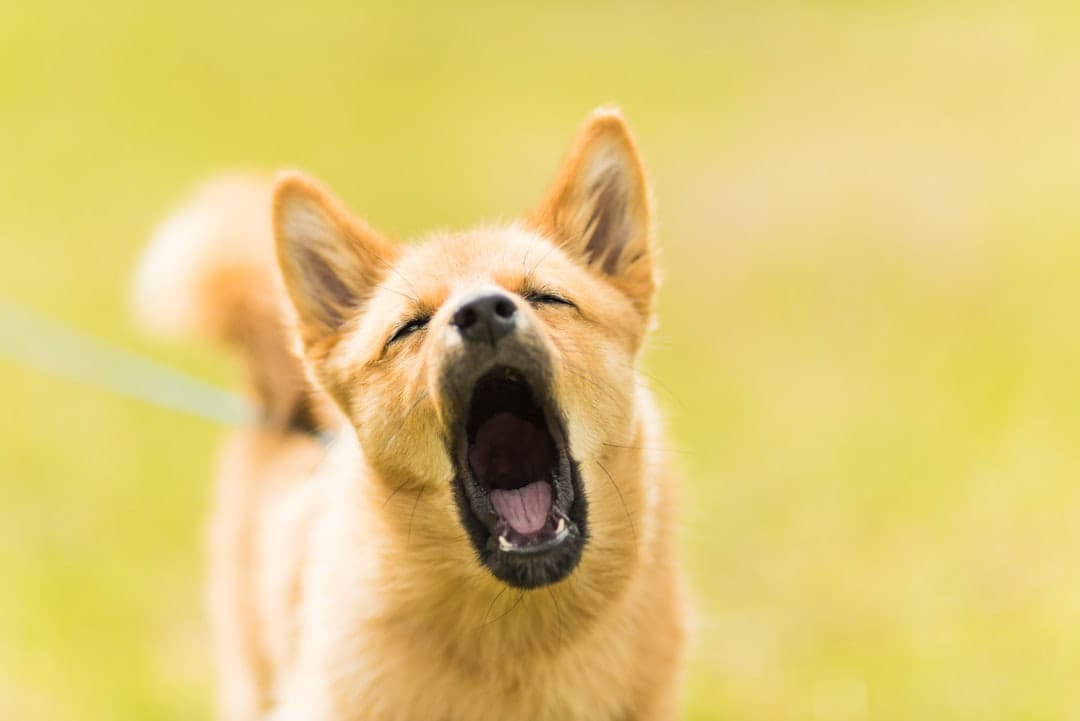
As a dog parent, watching your pup tremble during a thunderstorm, pace restlessly through the night, or panic at the sound of fireworks is genuinely heartbreaking. You want to help them feel safe, but when they’re in the grip of anxiety, it can feel impossible to reach them. If you’ve found yourself wondering how do you get a dog to calm down effectively without resorting to harsh methods, you’re not alone—and there are science-backed solutions that can help.
This comprehensive guide explores proven techniques ranging from immediate interventions for acute stress to long-term behavioral modifications. We’ll also examine how underlying health issues like allergies can contribute to restlessness and what you can do to address the root causes of your dog’s anxiety.
Understanding Why Dogs Become Anxious
Before addressing how do you get a dog to calm down, it’s essential to understand what’s triggering their stress response. Canine anxiety manifests differently than human anxiety, often showing up as destructive chewing, excessive barking, pacing, or even aggression.
Common Triggers for Canine Stress
Dogs experience anxiety for various reasons. Signs of anxiety in dogs often appear during specific scenarios: separation from owners, loud noises like thunderstorms or fireworks, unfamiliar environments, or encounters with strangers. Some dogs have genetic predispositions toward nervousness, particularly working breeds that don’t receive adequate mental stimulation.
Physical discomfort can also masquerade as anxiety. Dogs suffering from chronic itching, skin irritation, or digestive upset caused by allergies may appear restless, unable to settle, or hyperactive. Their inability to communicate their discomfort leads to pacing, whining, and destructive behaviors that look like anxiety but are actually symptoms of allergic distress.
The Allergy-Anxiety Connection
Recent veterinary observations suggest that dogs with untreated allergies often display heightened stress behaviors. When a dog is constantly itchy, uncomfortable, or experiencing gastrointestinal distress from food sensitivities, their nervous system remains in a heightened state of arousal. Addressing these underlying health issues is often the first step in helping them achieve true calm.

How Do You Get a Dog to Calm Down During High-Stress Events
When your dog is panicking during a thunderstorm or fireworks display, you need immediate interventions. These techniques focus on physiological calming rather than training, as an anxious dog cannot learn new behaviors until their nervous system regulates.
Pressure Therapy and Comfort Tools
Applying gentle, consistent pressure can activate the parasympathetic nervous system, similar to swaddling an infant. Thundershirts or anxiety wraps work by distributing pressure across the dog’s torso, which many dogs find immediately soothing. You can also create this effect by wrapping your dog snugly (but not tightly) in a soft blanket.
Ensure your dog has access to a safe space—a crate covered with blankets, an interior room without windows, or a closet where external stimuli are minimized. Play white noise or calming music specifically composed for dogs, which research suggests can lower heart rates significantly.
Physical Touch Techniques
Long, slow strokes along the spine or gentle ear massages can help release tension. Focus on natural calming methods for dogs like TTouch, which uses circular finger movements to reduce anxiety. Avoid hugging or restraining your dog, as this can increase their feeling of being trapped.

Environmental Modifications for Long-Term Calm
Creating a calming environment extends beyond crisis moments. Your home setup significantly impacts your dog’s baseline stress levels.
Sensory Enrichment and Reduction
While dogs need mental stimulation, overstimulation creates chronic stress. Rotate toys weekly to maintain interest without overwhelming them. Use puzzle feeders instead of bowls to engage their foraging instincts, which naturally promotes a calm, focused state.
Reduce visual triggers that cause barrier frustration. If your dog barks at passing pedestrians through windows, use frosted window film or close blinds during high-traffic times. Create a consistent daily routine, as predictability helps anxious dogs feel secure.
Sleep Hygiene for Dogs
Just like humans, dogs need quality sleep for emotional regulation. Ensure your dog has a designated sleeping area away from household traffic. If allergies cause nighttime itching and restlessness, addressing the allergic reaction becomes crucial for sleep quality.
Behavioral Training Strategies
Training builds confidence and provides mental outlets for anxious energy. These methods require consistency but create lasting change.
Desensitization and Counterconditioning
For phobias like fear of thunderstorms or strangers, gradual exposure combined with positive associations works best. Start with recorded thunder sounds at very low volumes while feeding high-value treats, slowly increasing volume over weeks. Never force interaction during training; let your dog retreat if overwhelmed.
Teach a “settle” cue by rewarding your dog for lying down quietly on a mat. Start in low-distraction environments before practicing in progressively challenging situations.
Physical Exercise and Mental Exhaustion
A tired dog is typically a calm dog, but the type of exercise matters. Thirty minutes of sniffing on a decompression walk provides more mental fatigue than an hour of ball-chasing, which can actually increase arousal. Incorporate nose work games, which naturally lower heart rate and promote relaxation.
How Do You Get a Dog to Calm Down Through Nutrition and Supplements
Diet plays a crucial role in behavioral health. Nutritional imbalances and inflammatory responses can exacerbate anxiety symptoms.
Addressing Allergic Inflammation
Chronic allergies create systemic inflammation that affects mood and behavior. Dogs suffering from environmental or food allergies often appear hypervigilant and restless due to constant physical discomfort. Supporting their immune system can reduce this background stress.
ROROCA Allergy Chews offer a comprehensive approach to calming allergic reactions that may contribute to restlessness. These chews contain a proprietary 6-strain Probiotic Blend that supports gut health—where much of the immune system resides—along with Salmon Oil rich in omega-3 fatty acids to reduce inflammatory responses. The formula includes Licorice Root Extract, which provides natural anti-inflammatory benefits, Curcuma Longa Extract (Turmeric) for additional immune modulation, and Echinacea Extract to strengthen overall immune function. By addressing the root cause of allergic itching and discomfort, many owners find their dogs naturally settle into calmer states.
Calming Supplements
Beyond allergy management, specific calming supplements containing L-theanine, casein peptides, or valerian root can help. Always consult your veterinarian before starting supplements, especially if your dog takes other medications.
When to Seek Professional Help
While home management helps many dogs, severe anxiety requires professional intervention. Consult a veterinary behaviorist if your dog exhibits self-harm, extreme aggression when frightened, or complete inability to function during stressful events.
Medical interventions, including anti-anxiety medications, can provide the chemical balance necessary for training to succeed. These aren’t sedatives but rather medications that help normalize brain chemistry, allowing your dog to learn new coping mechanisms.
Frequently Asked Questions
How do you get a dog to calm down quickly during a thunderstorm?
Move your dog to an interior room away from windows, apply gentle pressure with an anxiety wrap or Thundershirt, and play white noise to mask thunder sounds. Offer a frozen treat stuffed in a Kong to create a positive association and distract from the noise. Avoid coddling or panicking yourself, as dogs pick up on human anxiety.
Can food allergies make a dog hyperactive or anxious?
Yes, food allergies and intolerances can cause behaviors that mimic or exacerbate anxiety. When dogs experience gastrointestinal discomfort, skin itching, or ear infections from allergies, they often pace, whine, or appear unable to settle. Addressing dog allergy symptoms through elimination diets or immune support supplements often results in calmer behavior.
Why won’t my dog calm down at night?
Nocturnal restlessness often stems from insufficient daytime exercise, environmental allergens causing nighttime itching, or cognitive dysfunction in senior dogs. Ensure your dog receives adequate physical and mental stimulation during the day, and consider whether allergies might be causing discomfort when lying down.
Are calming treats safe for daily use?
Most over-the-counter calming treats containing natural ingredients like chamomile, passionflower, or L-theanine are safe for daily use, but always check with your veterinarian first. If your dog’s anxiety is severe enough to require daily intervention, underlying medical causes like allergies or thyroid issues should be ruled out.
How do you get a dog to calm down around strangers?
Never force interactions. Instead, allow your dog to observe strangers from a distance where they remain under threshold (not barking or lunging). Reward calm behavior with high-value treats. Teach visitors to ignore your dog until the dog approaches them voluntarily, reducing social pressure.
Is panting always a sign of anxiety?
While panting often indicates stress, dogs also pant when overheated, excited, or in pain. Context matters: if your dog pants in cool, quiet environments without recent exercise, anxiety or physical discomfort (including allergic reactions) may be the cause.