

The quest to understand how to treat dog allergies has evolved far beyond a simple pill or shot. Modern veterinary science reveals that allergies are a complex, systemic condition, not just a skin-deep issue. The most effective approach is no longer just about suppressing symptoms—it’s about calming the overactive immune response, repairing the body’s natural barriers, and building long-term resilience. This guide moves past temporary fixes to outline a modern, multi-target strategy for lasting comfort.
The Modern Treatment Triad: A New Framework
Forget the single-solution mindset. Successfully learning how to treat dog allergies requires a three-pillar strategy that works in concert:
- Symptom & Inflammation Control (For immediate relief)
- Barrier Repair (Skin & Gut, for medium-term healing)
- Immune System Rebalancing (For long-term resilience)
Neglecting any one pillar often leads to relapse. Let’s explore the tools within each.
Pillar 1: Controlling Symptoms & Quelling Inflammation
This pillar addresses the urgent need to stop the itch-scratch cycle and calm flare-ups.
-
Veterinary-Prescribed Pharmaceuticals:
- Apoquel & Cytopoint: These modern medications target specific immune pathways (JAK enzymes and IL-31 cytokine) to rapidly inhibit itch and inflammation. They are powerful tools for breaking severe cycles but are typically used as part of a broader plan.
- Steroids: Effective for short-term, severe reactions but carry significant side effects with long-term use.
-
Natural Anti-Inflammatories: These offer a supportive or alternative path with fewer side effects.
- Omega-3 Fatty Acids (e.g., from Salmon Oil): Potent, natural inflammation-modulators that help quiet the immune response at a cellular level.
- Botanical Extracts: Ingredients like Licorice root extract (a natural corticosteroid mimic) and Curcuma longa extract (curcumin) interfere with inflammatory pathways (like COX-2) to soothe discomfort from within.
Pillar 2: Repairing the Body’s Defensive Barriers
A “leaky” skin or gut barrier allows allergens to penetrate easily, triggering reactions. Repair is crucial.
-
The Skin Barrier: Strengthen it with topical and internal support.
- External: Regular bathing with soothing shampoos (colloidal oatmeal) and leave-in moisturizers containing ceramides.
- Internal: Salmon Oil provides essential fats that are incorporated into the skin layer, improving its integrity and reducing moisture loss.
-
The Gut Barrier: Over 70% of the immune system resides here. A healthy gut is non-negotiable.
- Probiotics: A targeted Probiotic Blend (especially a multi-strain mixture) helps restore a healthy gut microbiome, which is crucial for proper immune function and a strong intestinal lining.
- Prebiotics & Supports: Apple cider vinegar can support a healthy gut environment, while enzymes like Bromelain aid in thoroughly digesting proteins, reducing the chance of large, irritating particles triggering a response.
Pillar 3: Rebalancing the Overactive Immune System
This is the cornerstone of long-term change. The goal is to teach the immune system not to overreact.
- Immunotherapy: The “gold standard” for environmental allergies. It involves exposing the dog to tiny, increasing amounts of identified allergens (via shots or oral drops) to build tolerance. It’s a long-term commitment but can be transformative.
-
Nutraceutical Immune Modulators: Daily supplements can provide gentle, ongoing support to a dysregulated immune system.
- Echinacea extract and Astragalus P.E. are known in herbal medicine for their immune-modulating properties, helping to balance and support a healthier response.
- Vitamin C acts as a natural antioxidant and can help moderate histamine release.
- A comprehensive formula that combines these with anti-inflammatory and gut-supporting ingredients takes a comprehensive approach to not only alleviate symptoms but strengthen your dog’s resistance over time.
Implementing Your Treatment Protocol: A Phased Approach how to treat dog allergies
Knowing the tools is one thing; applying them effectively is another. Here is a strategic way to combine these pillars.
Phase 1: Crisis Management (Weeks 1-2)
- Goal: Stop severe itching and break the cycle. Consult your vet, who may prescribe a short-course medication for immediate relief.
- Concurrently: Begin a high-potency natural anti-inflammatory and start environmental controls (frequent washing of bedding, using HEPA filters).
Phase 2: Repair & Rebuild (Month 1-3)
- Goal: Repair barriers and begin immune support. Taper off short-term meds under vet guidance.
- Focus: Introduce a consistent daily regimen featuring gut-health probiotics, skin-barrier supporting oils (like Salmon Oil), and immune-balancing botanicals. This powerful blend of natural ingredients works synergistically during this critical healing phase.
Phase 3: Long-Term Management & Resilience (Ongoing)
- Goal: Maintain stability and prevent future flares.
- Focus: Continue with daily foundational support (like a comprehensive soft chew). Consider allergen-specific immunotherapy if recommended. Maintain environmental controls and a high-quality diet. This consistent care is key to maintaining comfort throughout the allergy season and beyond.
Why a Comprehensive, Natural Formula Fits the Modern Model
In navigating how to treat dog allergies, many pet parents seek a daily foundation that supports all three pillars without the side effects of constant medication. This is where a scientifically-formulated supplement shines.
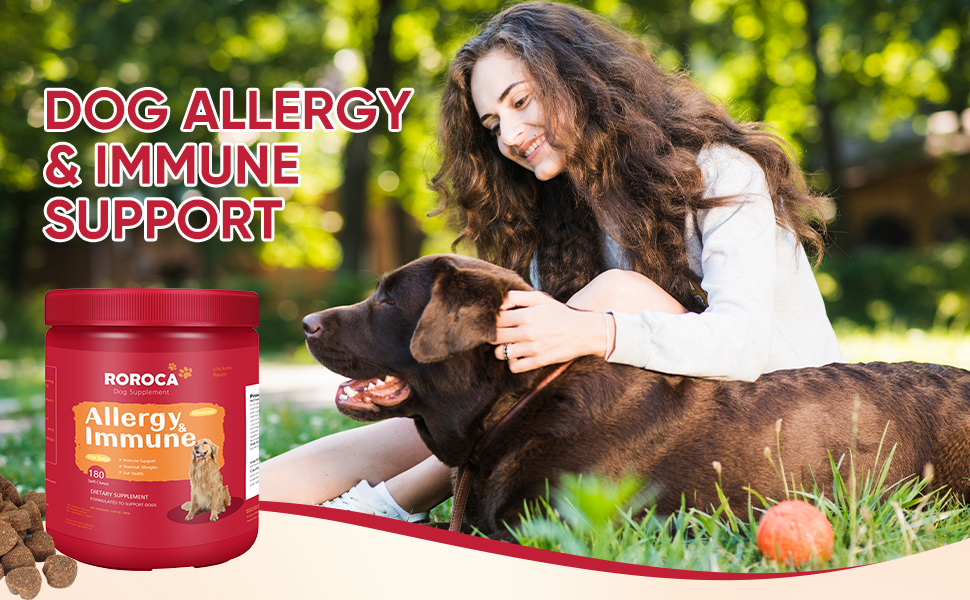
A product like ROROCA’s Allergy Relief Soft Chews is designed as a reliable solution for this modern approach. By combining:
- Inflammation Control (Salmon Oil, Licorice, Turmeric)
- Barrier & Gut Health (6-Strain Probiotic Blend, Apple Cider Vinegar)
- Immune Rebalancing (Echinacea, Astragalus, Vitamin C)
It functions as a multi-targeted daily support system. This enhanced immunity and resistance strategy aligns perfectly with the goal of not just managing the next flare-up, but of building a healthier, less reactive dog over time.
Final Verdict: Treatment is a Journey, Not a Destination
Understanding how to treat dog allergies effectively means abandoning the search for a magic bullet. It requires a partnership with your veterinarian and a commitment to a layered strategy. By intelligently combining medical interventions for acute needs with daily, systemic support for barrier health and immune balance, you can offer your dog more than just temporary relief—you can offer them a path to lasting comfort and a happier, more active life, regardless of the season. Begin by getting a proper veterinary diagnosis, then build your dog’s personalized, multi-pillar treatment plan.