

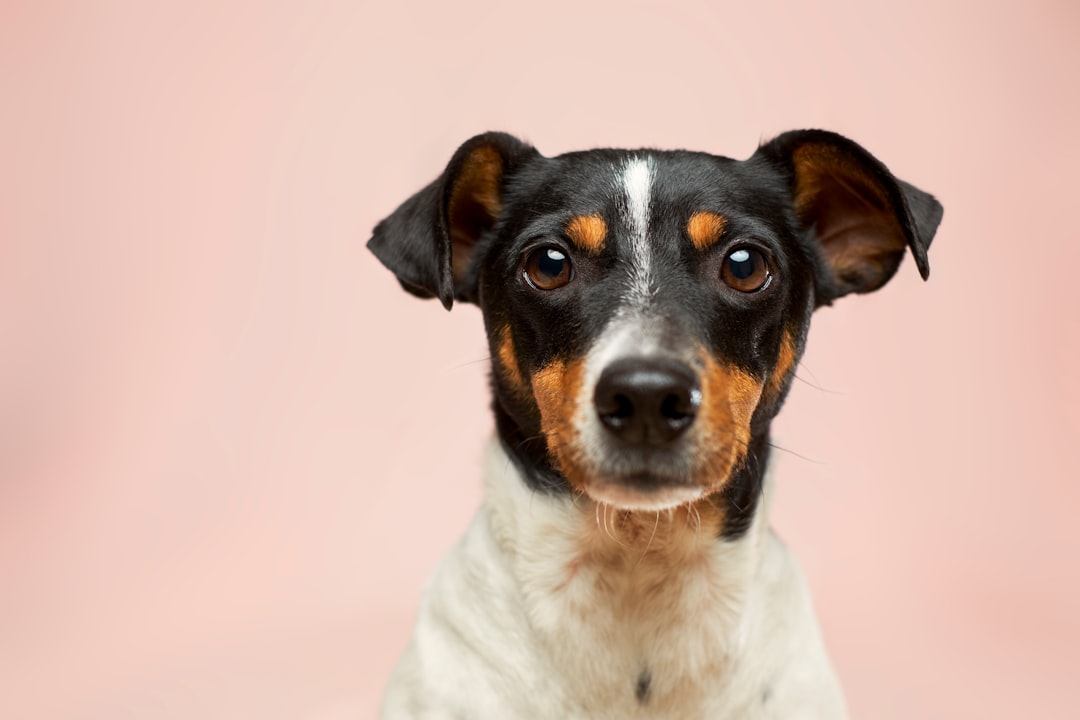
Seeing your beloved companion constantly scratching, licking, or shaking their head can be heart-wrenching. As a dog owner, you want nothing more than to provide relief and restore their comfort. If you are searching for information on how to treat allergies in dogs, you are not alone. Canine allergies are one of the most common health issues veterinarians encounter, affecting pets of all breeds and ages.
Allergies can stem from various sources, including food, environmental factors, or flea bites. Understanding the root cause is the first step toward effective management. In this comprehensive guide, we will explore the signs of allergic reactions, discuss veterinary treatments, and highlight natural solutions that support your dog’s overall wellness. We will also introduce how supplements like ROROCA Allergy Relief Soft Chews can play a vital role in a holistic care plan.
Our goal is to empower you with reliable, expert-backed information to help your dog feel better. Always remember that while home remedies and supplements are helpful, consulting your veterinarian is crucial for diagnosing severe conditions. Let’s dive into how you can manage and treat your dog’s allergies effectively.
Understanding Common Types of Dog Allergies
Before determining how to treat allergies in dogs, it is essential to identify what type of allergy your pet is experiencing. Allergies occur when the immune system overreacts to a substance that is typically harmless. There are three primary categories of allergies in dogs:
1. Environmental Allergies (Atopic Dermatitis)
Environmental allergies are perhaps the most common cause of chronic itching in dogs. These reactions are triggered by airborne substances such as pollen, mold spores, dust mites, or grass. Unlike humans who may sneeze, dogs primarily exhibit skin symptoms. You might notice your dog rubbing their face on carpets, chewing their paws, or experiencing redness in the ear canal. These symptoms often fluctuate with the seasons, worsening during spring or fall when pollen counts are high.
2. Food Allergies
Food allergies occur when a dog’s immune system reacts to a specific protein or ingredient in their diet. Common culprits include beef, dairy, chicken, wheat, and soy. Symptoms of food allergies often include gastrointestinal issues like vomiting or diarrhea, alongside skin problems such as chronic ear infections or itchy skin around the rear end. Diagnosing food allergies typically requires an elimination diet supervised by a vet.
3. Flea Allergy Dermatitis
Some dogs are highly sensitive to flea saliva. Even a single flea bite can trigger an intense allergic reaction, causing severe itching and hair loss, particularly around the tail base and hind legs. Consistent flea prevention is the only way to manage this type of allergy effectively. If you suspect fleas, check your dog’s coat regularly and maintain a clean living environment.
For more detailed information on identifying these issues, you can review our guide on common dog allergy symptoms to better understand what to look for in your pet’s behavior.
How to Treat Allergies in Dogs Naturally
Many pet owners prefer to start with natural remedies before turning to pharmaceutical interventions. Natural treatments focus on strengthening the dog’s immune system and reducing inflammation without harsh side effects. Here are several proven strategies on how to treat allergies in dogs using holistic methods:
Dietary Adjustments
What your dog eats plays a significant role in their immune health. A high-quality diet rich in omega fatty acids can help maintain skin barrier function. Incorporating foods with natural anti-inflammatory properties can reduce itching and redness. However, dietary changes should be made gradually to avoid upsetting your dog’s stomach.
Regular Grooming and Bathing
Bathing your dog with hypoallergenic or oatmeal-based shampoos can wash away allergens trapped in their fur. This is particularly helpful for environmental allergies. Regular brushing also removes pollen and dust before it can irritate the skin. Ensure you dry your dog thoroughly after baths, as moisture can lead to yeast infections which complicate allergy symptoms.
Supplements for Immune Support
Supplements are a powerful tool for managing chronic allergies. They work internally to modulate the immune response and support gut health, which is closely linked to immunity. This is where ROROCA Allergy Relief Soft Chews become an excellent addition to your dog’s routine.
ROROCA Allergy Chews are formulated with a specialized blend of ingredients designed to soothe irritation and support overall wellness. Key ingredients include:
- Probiotic Blend (6-strain): A healthy gut is the foundation of a strong immune system. This 6-strain probiotic blend helps balance gut flora, which can reduce hypersensitivity reactions.
- Salmon Oil: Rich in Omega-3 fatty acids, salmon oil supports skin health and reduces inflammation associated with allergic reactions.
- Licorice Root Extract: Known for its natural soothing properties, licorice root helps calm irritated skin and supports respiratory health.
- Curcuma Longa Extract (Turmeric): Turmeric is a potent anti-inflammatory agent that can help reduce swelling and discomfort caused by allergies.
- Echinacea Extract: Often used to support immune function, Echinacea helps the body defend against environmental stressors.
With a generous 180-count value pack, ROROCA Allergy Relief Soft Chews provide long-term support for your pet. These soft chews are easy to administer and palatable, making them a stress-free treat for your dog. For more ideas on integrating supplements, check out our resources on natural remedies for dogs.
Medical Treatments vs. Natural Supplements
When learning how to treat allergies in dogs, it is important to understand the difference between medical interventions and natural supplements. Both have their place depending on the severity of the condition.
Veterinary Medical Treatments
For acute or severe allergic reactions, veterinarians may prescribe antihistamines, corticosteroids, or immunotherapy shots. Antihistamines can block the reaction temporarily, while steroids reduce severe inflammation quickly. However, long-term use of steroids can have side effects such as increased thirst, hunger, or immune suppression. Immunotherapy involves customizing vaccines based on specific allergens identified through testing.
The Role of Natural Supplements
Natural supplements like ROROCA Allergy Chews are best used for maintenance and mild to moderate symptoms. They do not replace emergency veterinary care but offer a sustainable way to manage daily discomfort. The combination of probiotics and herbal extracts works synergistically to support the body’s natural defenses rather than suppressing symptoms alone. Many owners find that combining vet advice with high-quality supplements yields the best long-term results.
Preventing Future Allergic Reactions
Prevention is always better than cure. While you cannot change your dog’s genetic predisposition to allergies, you can minimize their exposure to triggers. Here are practical steps to reduce allergy flare-ups:
- Wipe Paws After Walks: Pollen and grass particles stick to paw pads. Wiping them down with a damp cloth after outdoor activities prevents allergens from being brought inside.
- Wash Bedding Frequently: Dust mites accumulate in dog beds. Washing bedding weekly in hot water reduces allergen load.
- Use Air Purifiers: Keeping indoor air clean can significantly reduce airborne allergens like dust and mold spores.
- Consistent Flea Prevention: Use vet-recommended flea preventatives year-round to avoid flea allergy dermatitis.
- Regular Vet Check-ups: Routine visits ensure that any underlying issues are caught early before they become severe.
By maintaining a clean environment and supporting your dog’s immune system with quality nutrition and supplements, you can significantly reduce the frequency and intensity of allergic reactions.
Frequently Asked Questions
What are the first signs of allergies in dogs?
The most common early signs include excessive scratching, licking of paws, rubbing the face against furniture, and red or inflamed skin. Recurrent ear infections are also a strong indicator of underlying allergies.
Can I give my dog human allergy medicine?
You should never give your dog human medication without consulting a veterinarian. Some human drugs are toxic to dogs, and dosages vary significantly based on weight and health status. Always seek professional advice.
How long does it take for allergy chews to work?
Natural supplements often require consistent use to build up effectiveness. While some dogs show improvement within a few weeks, others may take a month or more to exhibit significant changes. Consistency is key.
Are food allergies common in dogs?
Food allergies account for a smaller percentage of canine allergies compared to environmental ones. However, they do occur and usually require an elimination diet to diagnose accurately.
What ingredients should I look for in allergy supplements?
Look for ingredients with anti-inflammatory and immune-supporting properties. Key components include Omega-3s (Salmon Oil), probiotics for gut health, and herbal extracts like Turmeric, Licorice Root, and Echinacea.
When should I see a vet for my dog’s allergies?
If your dog’s itching is causing hair loss, open sores, or signs of infection, see a vet immediately. Also, consult a professional if home remedies do not provide relief after a few weeks.
Is ROROCA Allergy Chews suitable for all dogs?
ROROCA Allergy Relief Soft Chews are designed for general canine wellness, but you should always check the ingredient list for specific sensitivities your dog may have. Consult your vet before starting any new supplement regimen.
Conclusion
Managing canine allergies requires patience, observation, and a multi-faceted approach. By understanding the types of allergies and implementing both environmental controls and dietary support, you can significantly improve your dog’s quality of life. Knowing how to treat allergies in dogs involves combining veterinary advice with consistent home care.
Supplements like ROROCA Allergy Relief Soft Chews offer a convenient and natural way to support your dog’s immune system and skin health. With key ingredients like the 6-strain Probiotic Blend, Salmon Oil, and Turmeric, these chews provide the nutritional support needed to combat inflammation naturally. Remember to visit the ROROCA homepage to learn more about our wellness products.
Your dog deserves to live comfortably without constant itching. With the right care plan and trusted products, you can help them feel like themselves again. Always prioritize your pet’s health by consulting your veterinarian for personalized advice tailored to their specific needs.