

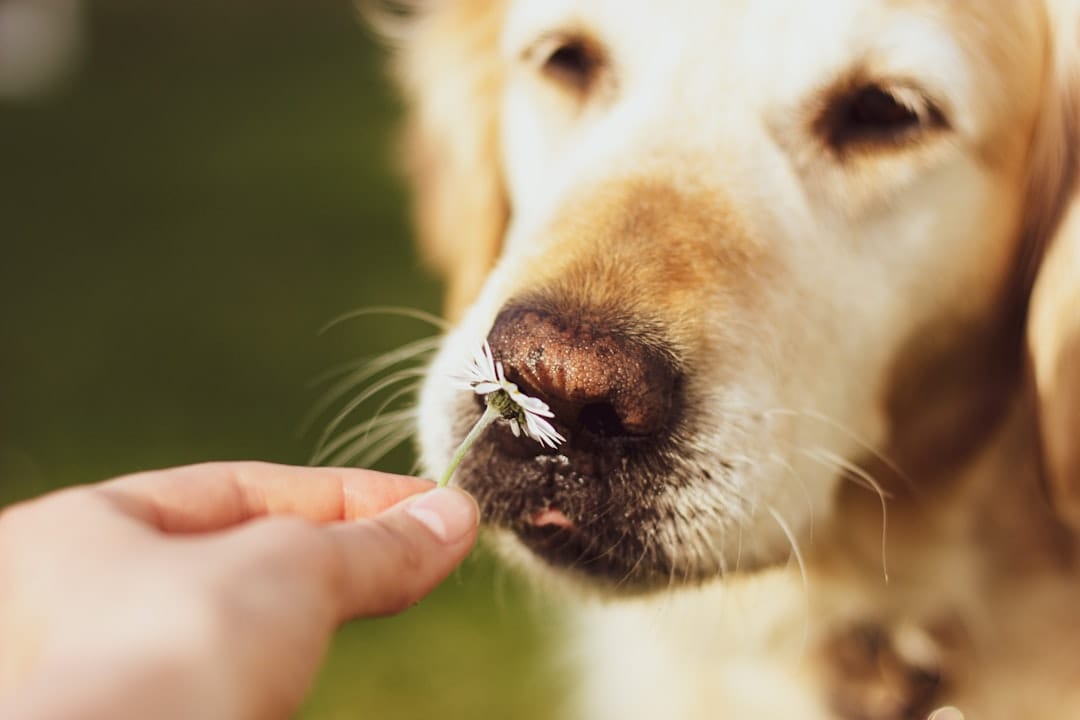
What Can You Give a Dog for Allergies? A Complete Guide to Relief
Seeing your beloved dog scratch, chew, or lick incessantly is heartbreakingly stressful for any pet parent. When seasonal changes hit or a new food causes a reaction, the immediate question on every owner’s mind is: what can you give a dog for allergies to provide fast, safe relief? Allergies are one of the most common health issues veterinarians treat, affecting dogs of all breeds and ages. While the itching might seem minor, untreated allergies can lead to serious skin infections and chronic discomfort.
In this comprehensive guide, we will explore verified solutions ranging from veterinary-prescribed medications to natural supplements. We will discuss how to identify triggers, safe over-the-counter options, and how specific ingredients like probiotics and botanical extracts can support your dog’s immune system. Our goal is to provide you with trustworthy, expert information to help you make informed decisions about your pet’s wellness journey.
Understanding Canine Allergies and Their Triggers
Before determining what can you give a dog for allergies, it is crucial to understand what is causing the reaction. Canine allergies occur when the immune system overreacts to a substance that is typically harmless. This hypersensitivity leads to inflammation, itching, and other uncomfortable symptoms. Identifying the root cause is the first step toward effective management.
Environmental Allergies (Atopic Dermatitis)
Environmental allergies are perhaps the most common type seen in dogs. These reactions are triggered by airborne substances such as pollen, mold spores, dust mites, or grass. Unlike humans who often sneeze, dogs primarily exhibit skin symptoms. You might notice redness between the toes, inflamed ears, or constant scratching around the face and belly. These symptoms often fluctuate with the seasons, worsening during spring or fall when pollen counts are high. Managing environmental allergies often requires a combination of avoiding triggers and supporting the skin barrier.
Food Allergies and Sensitivities
Food allergies develop when a dog’s immune system reacts to a specific protein or ingredient in their diet. Common culprits include beef, dairy, chicken, wheat, and soy. Unlike immediate poisoning, food allergies usually manifest as chronic skin issues or gastrointestinal problems like vomiting and diarrhea. Diagnosing a food allergy typically requires an elimination diet supervised by a veterinarian. Once identified, switching to a hypoallergenic diet is the primary treatment.
Flea Allergy Dermatitis
Some dogs are highly sensitive to flea saliva. Even a single flea bite can trigger an intense allergic reaction known as Flea Allergy Dermatitis (FAD). This condition causes severe itching, hair loss, and hot spots, particularly around the tail base. Consistent flea prevention is the only way to manage this type of allergy. If you suspect fleas, consult your vet for safe preventative measures suitable for your dog’s weight and age.
For more detailed information on identifying these issues, you can read about common dog allergy symptoms to better understand what your pet is experiencing.
What Can You Give a Dog for Allergies? Medical and OTC Options
When searching for what can you give a dog for allergies, you will encounter various medical interventions. It is vital to remember that human medications can be toxic to dogs. Always consult your veterinarian before administering any new drug.
Antihistamines
Veterinarians sometimes recommend antihistamines like diphenhydramine (Benadryl) for mild allergic reactions. These medications block histamine receptors, reducing itching and swelling. However, dosages vary significantly based on weight and health status. Some dogs may experience drowsiness, while others might become hyperactive. Never give medication containing decongestants or alcohol, as these can be dangerous.
Corticosteroids
For severe inflammation, vets may prescribe corticosteroids such as prednisone. These are powerful anti-inflammatory drugs that provide rapid relief. However, long-term use can lead to side effects like increased thirst, urination, and appetite. Steroids are typically used for short-term management during acute flare-ups rather than as a lifelong solution.
Immunotherapy
Allergy shots or sublingual immunotherapy involve exposing the dog to tiny amounts of the allergen to build tolerance over time. This is a long-term strategy often used for environmental allergies that do not respond to other treatments. It requires testing to identify specific allergens and a commitment to a regular treatment schedule.
Natural Solutions and Supplements for Long-Term Wellness
Many pet owners prefer natural approaches to manage chronic conditions. Natural supplements focus on strengthening the immune system and reducing inflammation from the inside out. This is often where the question of what can you give a dog for allergies finds a sustainable answer.
The Role of Omega-3 Fatty Acids
Omega-3 fatty acids are essential for maintaining healthy skin and coat. They possess natural anti-inflammatory properties that can soothe irritated skin. Salmon oil is a potent source of EPA and DHA, which help reduce the body’s inflammatory response to allergens. Regular supplementation can improve skin barrier function, making it harder for allergens to penetrate.
Botanical Extracts for Immune Support
Certain plant extracts have been used for centuries to support immune health. Licorice root extract is known for its soothing properties and can help modulate the immune response. Similarly, Echinacea extract is often used to support the body’s natural defenses. Curcuma Longa Extract, commonly known as turmeric, contains curcumin, a compound renowned for its powerful anti-inflammatory effects. Combining these botanicals can provide a holistic approach to allergy management.
Gut Health and Probiotics
Emerging research suggests a strong link between gut health and the immune system. A significant portion of the immune system resides in the gut. Therefore, maintaining a healthy microbiome is critical for managing allergies. Probiotics introduce beneficial bacteria that help balance the gut flora, potentially reducing hypersensitivity reactions. A robust gut barrier prevents toxins and allergens from entering the bloodstream.
ROROCA Allergy Relief Soft Chews
For owners seeking a comprehensive natural solution, ROROCA Allergy Relief Soft Chews offer a targeted formula designed to support dogs struggling with allergies. These soft chews combine several key ingredients to address inflammation and immune health simultaneously.
The formula features a Probiotic Blend (6-strain) to support digestive health and immune function. It includes Salmon Oil for essential omega fatty acids that nourish the skin. To combat inflammation, the chews contain Licorice Root Extract and Curcuma Longa Extract (Turmeric), which work synergistically to soothe irritation. Additionally, Echinacea Extract is included to bolster overall immune resilience. With a 180 count value pack, these soft chews provide a convenient way to integrate daily wellness support into your dog’s routine. You can learn more about ROROCA and our commitment to pet wellness.
Integrating supplements like these alongside a healthy diet can reduce reliance on pharmaceuticals over time. However, consistency is key. Natural remedies often take a few weeks to show full effects as they work to build up the body’s defenses rather than just masking symptoms.
When to Consult a Veterinarian
While home remedies and supplements are valuable, there are times when professional intervention is necessary. If your dog exhibits severe symptoms such as difficulty breathing, swelling of the face, or extensive hair loss with open sores, seek immediate veterinary care. Chronic scratching can lead to secondary bacterial or yeast infections that require prescription antibiotics.
Additionally, if you are unsure what can you give a dog for allergies safely, a vet can perform skin scrapings or blood tests to pinpoint exact triggers. They can also rule out other conditions like mange or hormonal imbalances that mimic allergy symptoms. Regular check-ups ensure that your management plan remains effective as your dog ages.
For more tips on maintaining your pet’s health, explore our guide on natural dog remedies for holistic care strategies.
Frequently Asked Questions
What is the fastest way to relieve dog allergy itching?
The fastest relief often comes from veterinary-prescribed medications like steroids or antihistamines. However, for immediate soothing, cool baths with oatmeal shampoo can calm the skin temporarily. Long-term relief requires addressing the underlying immune response.
Can I give my dog human allergy medication?
Some human medications like diphenhydramine are safe for dogs in specific doses, but others are toxic. Never administer human medication without explicit dosage instructions from your veterinarian to avoid accidental poisoning.
How do probiotics help with dog allergies?
Probiotics support gut health, which is linked to immune regulation. A healthy gut microbiome can reduce the severity of allergic reactions by preventing leaky gut syndrome and balancing immune responses.
Are natural supplements better than medication?
Natural supplements focus on long-term immune support and inflammation reduction with fewer side effects. Medication is often better for acute, severe flare-ups. A combination of both, under vet guidance, is often the best approach.
How long does it take for allergy chews to work?
Natural supplements typically require consistent use for 4 to 6 weeks to show noticeable improvements. Ingredients like turmeric and probiotics need time to build up in the system and modulate the immune response.
What ingredients should I look for in allergy supplements?
Look for Omega-3s (Salmon Oil), anti-inflammatory botanicals (Turmeric, Licorice Root), immune supporters (Echinacea), and gut health promoters (Probiotics). These ingredients address multiple pathways of allergic reactions.
Can diet changes cure dog allergies?
Diet changes can cure food allergies specifically. For environmental allergies, diet plays a supportive role by strengthening the skin barrier and immune system, but it may not eliminate the allergy entirely.
Conclusion
Managing canine allergies is a journey that requires patience, observation, and the right support. Knowing what can you give a dog for allergies empowers you to reduce your pet’s discomfort and improve their quality of life. From veterinary medications to natural supplements, there are many pathways to relief. Incorporating ingredients like probiotics, salmon oil, and turmeric can provide sustainable support for your dog’s immune system.
Products like ROROCA Allergy Relief Soft Chews offer a convenient way to deliver these beneficial ingredients daily. Remember, every dog is unique, and what works for one may not work for another. Always partner with your veterinarian to create a tailored plan. With the right care and attention, your dog can live a happy, itch-free life. Visit our contact page if you have questions about our wellness products.