
Your cart is currently empty!
Can You Give Dogs Allergy Pills? Safe Options & Tips

·
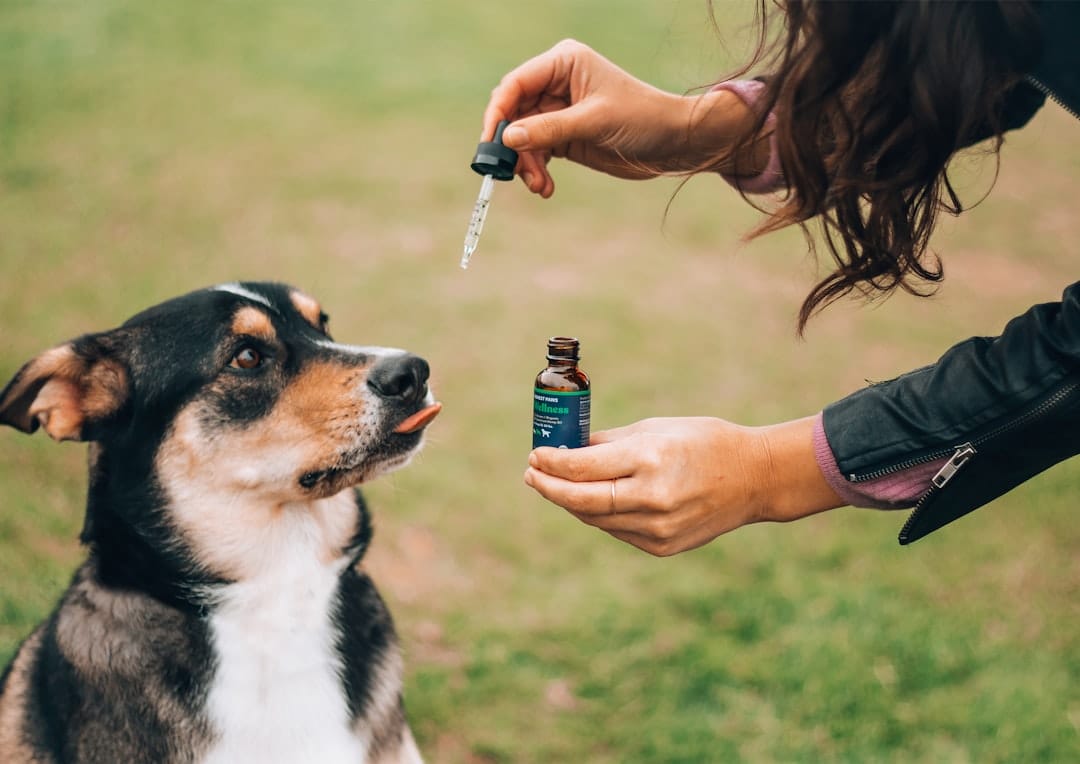
Can You Give Dogs Allergy Pills? Safe Options & Tips
Every dog owner knows the heartbreak of seeing their furry friend uncomfortable. Whether it is constant scratching, red skin, or watery eyes, allergies can significantly impact your dog’s quality of life. When symptoms flare up, many pet parents immediately wonder: can you give dogs allergy pills meant for humans? It is a common question, but the answer requires careful consideration of safety, dosage, and underlying causes.
In this comprehensive guide, we will explore the safety of over-the-counter medications, the risks involved, and effective natural alternatives that support long-term wellness. We will also discuss how supplements like ROROCA Allergy Relief Soft Chews can provide gentle support without the harsh side effects of some pharmaceuticals. Our goal is to help you make informed decisions that prioritize your dog’s health and comfort.
Safety First: Can You Give Dogs Allergy Pills?
The question “can you give dogs allergy pills” is one of the most searched queries by concerned pet owners. While some human medications are occasionally prescribed by veterinarians for dogs, administering them without professional guidance can be dangerous. Dogs metabolize medications differently than humans, and what is safe for you could be toxic to your pet.
Human Medications vs. Veterinary Prescriptions
Certain antihistamines, such as diphenhydramine (Benadryl), are sometimes used in veterinary medicine. However, the dosage is strictly weight-dependent and varies based on the dog’s health history. Other common human allergy pills contain decongestants or pain relievers like acetaminophen or ibuprofen, which are highly toxic to dogs. Even a small amount can lead to kidney failure, liver damage, or neurological issues.
Veterinary-prescribed allergy medications are formulated specifically for canine physiology. These may include Apoquel, Cytopoint, or steroid treatments. While effective, these prescription options often come with potential side effects such as increased thirst, appetite changes, or immune suppression. Long-term use should always be monitored by a professional.
Risks of Over-the-Counter Drugs
Giving over-the-counter (OTC) pills without consulting a vet poses several risks:
- Incorrect Dosage: Human pills are dosed for adult humans, not dogs ranging from 5 to 100 pounds.
- Hidden Ingredients: Many OTC pills contain xylitol, chocolate flavoring, or other additives that are poisonous to dogs.
- Masking Symptoms: Pills may stop the itching temporarily but do not address the root cause of the allergy.
- Drug Interactions: If your dog is on other medications, OTC allergy pills can cause harmful interactions.
Before reaching for the medicine cabinet, it is crucial to understand that managing allergies often requires a holistic approach rather than just symptom suppression.
Natural Alternatives When Considering Can You Give Dogs Allergy Pills
If you are hesitant about pharmaceuticals or looking for a complementary approach, natural supplements offer a promising path. Many owners asking can you give dogs allergy pills are actually seeking relief for their pet without harsh chemicals. Natural solutions focus on supporting the immune system and reducing inflammation from the inside out.
The Role of Supplements in Allergy Management
Allergies in dogs are often linked to immune system overreactions and gut health issues. A healthy gut microbiome plays a critical role in regulating immune responses. When the gut is balanced, the body is less likely to overreact to environmental triggers like pollen, dust, or certain foods. This is where targeted supplementation becomes valuable.
Unlike pills that block histamine receptors temporarily, natural chews work to build resilience over time. They provide the nutrients your dog’s body needs to manage inflammation and support skin barrier function. This approach aligns with the growing trend of preventive pet care.
Key Ingredients to Look For
When selecting a natural solution, ingredient quality matters. You want products that combine immune support with anti-inflammatory properties. This is where ROROCA Allergy Relief Soft Chews stand out as a comprehensive option for pet wellness.
ROROCA Allergy Relief Soft Chews are formulated with a powerful blend of natural ingredients designed to support dogs dealing with seasonal and environmental irritants. Here are the key components that make them effective:
- Probiotic Blend (6-strain): A robust probiotic profile supports gut health, which is directly linked to immune function. A healthy digestive system helps reduce the body’s inflammatory response to allergens.
- Salmon Oil: Rich in Omega-3 fatty acids, salmon oil promotes healthy skin and a shiny coat. It helps soothe dry, itchy skin associated with allergic reactions.
- Licorice Root Extract: Known for its natural anti-inflammatory properties, licorice root helps calm irritated tissues and supports respiratory health.
- Curcuma Longa Extract (Turmeric): Turmeric contains curcumin, a potent antioxidant that helps reduce inflammation and supports joint and skin health.
- Echinacea Extract: Often used to support the immune system, echinacea helps the body defend against environmental stressors.
With a 180-count value pack, ROROCA ensures you have enough supply for consistent daily use, which is key for natural supplements to show results. These soft chews are easy to administer, making them a stress-free alternative to forcing pills down your dog’s throat.
Recognizing the Need for Relief
Knowing when to intervene is just as important as knowing what to give. Allergies can manifest in various ways, and early intervention can prevent secondary infections caused by excessive scratching or licking.
Common Signs of Canine Allergies
Dogs cannot tell us when they feel itchy, so observation is key. Look for these behavioral and physical changes:
- Excessive scratching, licking, or chewing at paws and skin
- Red, inflamed skin or hot spots
- Recurring ear infections
- Watery eyes or runny nose
- Sneezing or coughing
- Hair loss or thinning coat
If you notice these signs, it may be time to explore relief options. For a deeper understanding of what to look for, you can read more about common dog allergy symptoms to ensure you are addressing the right issue. Identifying the trigger—whether it is food, flea bites, or environmental factors—will help you choose the best management strategy.
Seasonal vs. Year-Round Allergies
Some dogs only suffer during specific times of the year, such as spring when pollen counts are high. Others may have year-round sensitivities to dust mites or household cleaners. Understanding the pattern helps you decide whether to use seasonal support or a daily wellness routine. Products like ROROCA Allergy Relief Soft Chews are suitable for both scenarios, providing consistent support regardless of the season.
When to Consult a Veterinarian
While natural supplements and OTC knowledge are helpful, there are times when professional intervention is necessary. If your dog shows signs of severe distress, difficulty breathing, or swelling of the face, seek emergency veterinary care immediately. These could be signs of anaphylaxis, a life-threatening allergic reaction.
Building a Wellness Plan
For chronic allergy sufferers, a wellness plan is essential. This might include regular bathing with hypoallergenic shampoos, dietary changes, and consistent supplementation. Working with your vet ensures that you are not missing underlying conditions like hypothyroidism or skin infections that mimic allergy symptoms.
At ROROCA, we believe in empowering pet owners with knowledge and quality products. To learn more about our commitment to pet health, you can explore the ROROCA pet wellness mission. We strive to provide transparent information so you can feel confident in your choices. If you have specific questions about our products or how they might fit into your dog’s routine, feel free to contact our support team for guidance.
Frequently Asked Questions
Can you give dogs allergy pills like Benadryl?
Some veterinarians may recommend diphenhydramine (Benadryl) for dogs, but only at specific dosages. Never give human medication without consulting your vet first, as ingredients vary widely.
What is the safest way to treat dog allergies?
The safest approach often involves a combination of avoiding triggers, maintaining skin health, and using natural supplements. Products with anti-inflammatory ingredients like turmeric and salmon oil are gentle options.
How long does it take for natural allergy chews to work?
Natural supplements typically work cumulatively. While some dogs show improvement within a few weeks, consistent daily use for 4-6 weeks is recommended for optimal results.
Are there side effects to natural allergy supplements?
Natural supplements generally have fewer side effects than pharmaceuticals. However, some dogs may experience mild digestive changes when introducing probiotics. Start with a half dose to assess tolerance.
Can allergies in dogs go away on their own?
Allergies are usually chronic conditions that can be managed but not cured. Consistent care helps minimize symptoms and improve your dog’s quality of life.
What ingredients should I avoid in dog allergy meds?
Avoid medications containing xylitol, acetaminophen, ibuprofen, or decongestants like pseudoephedrine, as these can be toxic to dogs.
Is ROROCA Allergy Relief Soft Chews suitable for all dogs?
ROROCA Allergy Relief Soft Chews are designed for most adult dogs. However, always check the ingredient list for specific sensitivities and consult your vet for puppies or dogs with serious health conditions.
Conclusion
So, can you give dogs allergy pills? While some human medications are used under veterinary supervision, they carry risks and often only mask symptoms. A holistic approach focusing on immune support and inflammation reduction is often safer for long-term management. Natural solutions like ROROCA Allergy Relief Soft Chews offer a gentle way to support your dog’s comfort with key ingredients like a 6-strain probiotic blend, salmon oil, and turmeric.
By prioritizing gut health and using high-quality supplements, you can help your dog thrive despite environmental triggers. Always monitor your pet’s response and maintain open communication with your veterinarian. With the right care plan, your dog can enjoy a happy, itch-free life. Explore ROROCA today to find the natural support your furry friend deserves.
Leave a Reply