

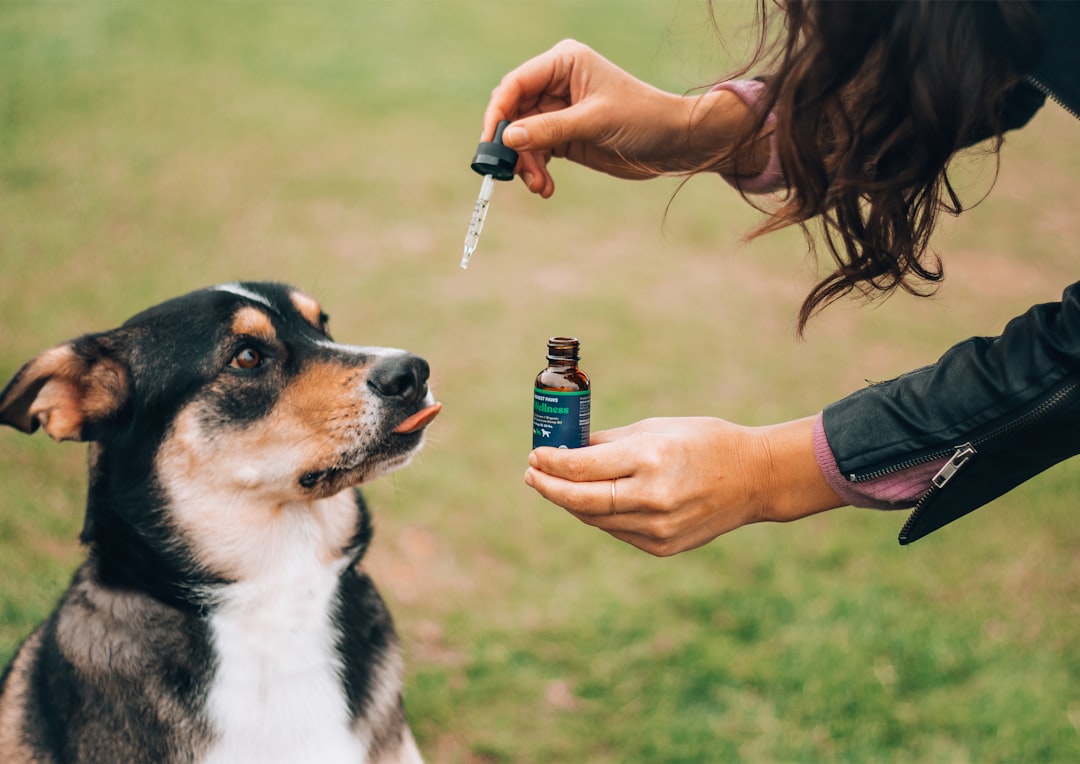
What Allergy Medicine Can Dogs Take? A Complete Safety Guide
Seeing your beloved dog scratch, lick, or chew at their skin constantly is heartbreaking for any pet parent. You want immediate relief for their discomfort, but navigating the world of canine medications can be confusing and overwhelming. Many owners find themselves searching online for answers to a critical question: what allergy medicine can dogs take safely at home?
Allergies in dogs are increasingly common, affecting pets of all breeds and ages. From seasonal environmental triggers to food sensitivities, the causes vary widely, and so do the treatment options. While some over-the-counter human medications can be used under veterinary guidance, natural supplements often provide a safer, long-term solution for managing symptoms without harsh side effects.
In this comprehensive guide, we will explore the various types of allergy medicines available for dogs, the safety considerations you must know, and how natural alternatives like ROROCA pet wellness solutions can support your dog’s immune health. We prioritize your dog’s safety and well-being, ensuring you have the factual information needed to make informed decisions alongside your veterinarian.
Understanding Common Dog Allergies
Before determining what allergy medicine can dogs take, it is essential to understand what is causing the reaction. Allergies occur when a dog’s immune system overreacts to a substance that is typically harmless. This overreaction leads to inflammation, itching, and discomfort.
Environmental Allergies (Atopic Dermatitis)
Environmental allergies are among the most common issues dogs face. These are often seasonal and triggered by elements in the air or on the ground. Common triggers include:
- Pollen from trees, grasses, and weeds
- Dust mites and mold spores
- Dander from other animals
- Chemicals in cleaning products or lawn treatments
Dogs with environmental allergies often exhibit symptoms like paw licking, red skin, ear infections, and recurrent scratching. These symptoms can persist year-round or flare up during specific seasons.
Food Allergies and Sensitivities
Food allergies involve an immune response to specific ingredients in your dog’s diet. Common culprits include beef, dairy, chicken, wheat, and soy. Unlike environmental allergies, food allergies are not seasonal and may cause gastrointestinal issues alongside skin problems. Symptoms often include chronic ear infections, hot spots, and digestive upset.
Flea Allergy Dermatitis
Some dogs are highly sensitive to flea saliva. Even a single flea bite can trigger an intense allergic reaction, leading to severe itching and hair loss. Preventative flea control is the primary treatment, but soothing the skin during a flare-up is also necessary.
What Allergy Medicine Can Dogs Take? Medical Options
When symptoms become severe, medication may be necessary to provide relief. However, not all human medications are safe for dogs, and dosages vary significantly based on weight and health status. Always consult your veterinarian before administering any new medication.
Antihistamines
Antihistamines are commonly used to block the effects of histamine, a chemical released during an allergic reaction. They can help reduce itching and mild inflammation.
- Diphenhydramine (Benadryl): Often used for dogs, but dosage must be precise. It can cause drowsiness.
- Cetirizine (Zyrtec): Sometimes recommended for longer-lasting relief without as much sedation.
- Loratadine (Claritin): Another option that may be prescribed by vets for seasonal allergies.
While effective for some, antihistamines do not work for every dog. They are generally best for mild cases and may lose effectiveness over time.
Corticosteroids
For severe inflammation and itching, veterinarians may prescribe corticosteroids like prednisone. These drugs are powerful and work quickly to suppress the immune response. However, long-term use can lead to significant side effects, including increased thirst, urination, appetite, and potential liver issues. They are typically used for short-term flare-ups rather than daily maintenance.
Prescription Medications
Newer prescription options, such as Apoquel or Cytopoint injections, target specific pathways in the immune system to stop itching. These are highly effective but require a veterinary prescription and ongoing monitoring. They can be costly for long-term management, leading many owners to seek complementary natural solutions.
Natural Alternatives and Supplements
For many pet parents, managing allergies involves a holistic approach that supports the dog’s overall health rather than just suppressing symptoms. Natural supplements can play a crucial role in maintaining skin health and immune function without the side effects associated with pharmaceuticals.
The Role of Gut Health in Allergies
Recent research suggests a strong link between gut health and the immune system. A balanced gut microbiome helps regulate immune responses, potentially reducing the severity of allergic reactions. This is where probiotics become essential.
Supplements containing a Probiotic Blend (6-strain) can help populate the gut with beneficial bacteria. This supports digestion and strengthens the immune system’s ability to handle allergens appropriately. A healthy gut barrier prevents toxins and allergens from leaking into the bloodstream, which can trigger inflammation.
Anti-Inflammatory Ingredients
Reducing inflammation is key to relieving itching and skin irritation. Several natural ingredients are known for their anti-inflammatory properties:
- Salmon Oil: Rich in Omega-3 fatty acids, salmon oil supports skin hydration and reduces inflammation from within. It promotes a shiny coat and healthy skin barrier.
- Licorice Root Extract: Traditionally used to soothe irritation, licorice root has natural compounds that mimic steroids without the harsh side effects. It helps calm inflamed skin.
- Curcuma Longa Extract (Turmeric): Turmeric contains curcumin, a potent antioxidant and anti-inflammatory agent. It supports joint health and reduces systemic inflammation.
- Echinacea Extract: Known for immune support, Echinacea helps the body fight off infections that might complicate allergic skin conditions.
ROROCA Allergy Relief Soft Chews
Finding a supplement that combines these powerful ingredients can simplify your dog’s wellness routine. ROROCA Allergy Relief Soft Chews are formulated specifically to address the root causes of discomfort associated with allergies.
Each chew delivers a synergistic blend of the ingredients mentioned above. The 180-count value pack ensures you have a consistent supply for daily maintenance, which is critical for seeing results with natural supplements. Unlike medications that mask symptoms, ROROCA focuses on supporting the body’s natural defenses.
The soft chew format makes administration easy, even for picky eaters. By incorporating a daily chew into your routine, you provide ongoing support for gut health and immune function. If you are looking for learn more about our brand commitment to quality, we prioritize safe, verifiable ingredients in every batch.
Safety Considerations When Choosing Medicine
When deciding what allergy medicine can dogs take, safety must be your top priority. Dogs metabolize drugs differently than humans, and some substances that are safe for us can be toxic to them.
Avoid These Human Medications
Never give your dog medication without verifying its safety. Some common human drugs are dangerous for canines:
- Ibuprofen and Naproxen: These NSAIDs can cause stomach ulcers and kidney failure in dogs.
- Acetaminophen (Tylenol): Can be fatal to dogs, causing liver damage and red blood cell destruction.
- Decongestants: Often found in cold medicines, these can cause dangerous spikes in blood pressure.
Monitoring for Side Effects
Whether you choose pharmaceutical options or natural supplements, monitor your dog closely. Watch for changes in appetite, energy levels, or digestive habits. If you notice vomiting, diarrhea, or lethargy, discontinue use and contact your vet immediately.
When to See a Veterinarian
While home management is effective for mild cases, certain situations require professional intervention. You should schedule an appointment if:
- Your dog’s skin is bleeding or oozing.
- There is a foul odor coming from the ears or skin.
- Your dog is losing hair in patches.
- Over-the-counter solutions are not providing relief after two weeks.
- Your dog seems lethargic or stops eating.
A veterinarian can perform allergy testing to identify specific triggers. This allows for a more targeted treatment plan, potentially including immunotherapy (allergy shots). For ongoing support between vet visits, maintaining a routine with high-quality supplements is beneficial. If you have questions about specific products, you can contact us for questions regarding our ingredient sourcing and safety standards.
Frequently Asked Questions
What allergy medicine can dogs take safely at home?
Common options include antihistamines like Benadryl (Diphenhydramine) under vet guidance. However, natural supplements containing probiotics, salmon oil, and turmeric are safer for long-term daily use without sedation.
Can I give my dog human allergy medicine?
Some human medicines are safe in specific doses, but many are toxic. Never administer human medication without consulting a veterinarian to confirm the correct dosage and safety for your dog’s specific health profile.
How long does it take for dog allergy supplements to work?
Natural supplements typically require consistency. You may see improvements in skin condition and itching within 2 to 4 weeks, as ingredients like Omega-3s and probiotics need time to build up in the system.
Are there side effects to natural allergy chews?
Natural chews generally have fewer side effects than pharmaceuticals. However, some dogs may experience mild digestive upset when first introducing probiotics. Start with a half dose to assess tolerance.
What ingredients should I look for in dog allergy relief?
Look for anti-inflammatory ingredients like Turmeric (Curcuma Longa), Licorice Root, and Salmon Oil. A probiotic blend is also crucial for supporting immune health and gut balance.
Can allergies in dogs go away on their own?
Allergies are typically chronic conditions that require management. While symptoms may fluctuate with seasons, the underlying sensitivity usually remains. Consistent management helps keep symptoms under control.
Is ROROCA Allergy Relief suitable for all dog breeds?
Yes, natural supplements like ROROCA Allergy Relief Soft Chews are generally suitable for all breeds. However, dosage may vary based on weight, so always follow the feeding guidelines on the package.
Conclusion
Managing your dog’s allergies requires patience, observation, and the right tools. Knowing what allergy medicine can dogs take empowers you to choose solutions that prioritize safety and long-term health. While pharmaceuticals have their place for acute flare-ups, natural supplements offer a sustainable way to support your dog’s immune system and skin health daily.
Ingredients like the 6-strain Probiotic Blend, Salmon Oil, and Licorice Root Extract found in ROROCA Allergy Relief Soft Chews provide comprehensive support without harsh side effects. The 180-count pack ensures you can maintain a consistent routine, which is vital for success.
Always partner with your veterinarian to create the best care plan for your pet. With the right combination of medical advice and natural wellness support, you can help your dog live a comfortable, itch-free life. Explore our range of wellness products to find the perfect fit for your furry friend’s needs.