

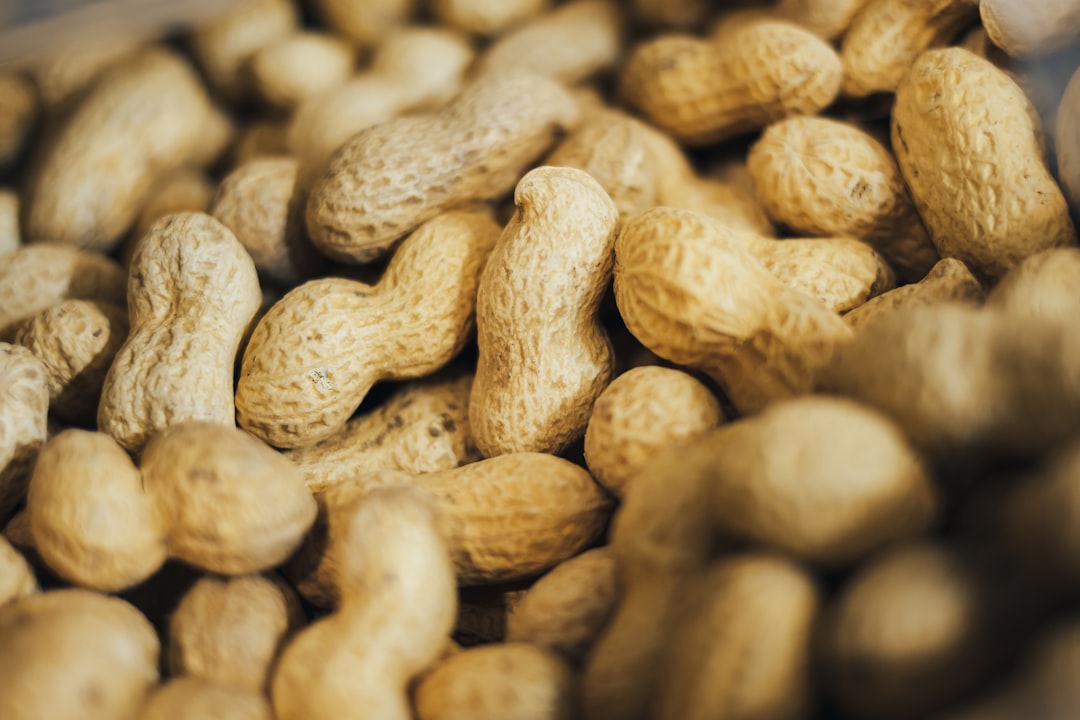
Can Dogs Have Peanut Allergies? A Complete Guide for Owners
As a dog owner, you want to share the best treats with your furry friend. Peanuts are a popular snack for humans, but many pet parents find themselves asking: can dogs have peanut allergies? While peanuts are not toxic to dogs in the same way chocolate or grapes are, they can still pose significant health risks for certain pups. Understanding the difference between a simple intolerance and a true allergic reaction is crucial for your dog’s long-term wellness.
This guide explores the realities of peanut sensitivity, how to identify symptoms, and ways to support your dog’s immune system naturally. Whether you are noticing itching after a treat or simply want to be proactive, knowing the facts helps you make safer choices. We will also discuss how natural supplements, such as ROROCA Allergy Relief Soft Chews, can play a role in managing environmental and dietary sensitivities.
Understanding Can Dogs Have Peanut Allergies
The question “can dogs have peanut allergies” is more common than you might think. While dogs are carnivores by classification, their digestive systems have adapted to handle various foods, including some plant-based proteins. However, just like humans, dogs can develop immune responses to specific proteins found in peanuts. An allergy occurs when the immune system mistakenly identifies a harmless substance as a threat, triggering an inflammatory response.
It is important to distinguish between an allergy and other issues related to peanuts. Peanuts are high in fat, which can lead to pancreatitis if consumed in large quantities. Additionally, salted or flavored peanuts often contain ingredients like onion or garlic powder, which are toxic to dogs. Even plain peanuts can be a choking hazard or cause gastrointestinal blockage if swallowed whole. Therefore, even if your dog does not have an allergy, moderation is key.
True peanut allergies are less common than environmental allergies, such as reactions to pollen or dust mites. However, food allergies in dogs can develop at any age. Some dogs may tolerate peanuts for years before suddenly developing a sensitivity. This unpredictability is why monitoring your dog’s reaction to new treats is essential. If you suspect an issue, eliminating the suspect food and observing changes is the first step in diagnosis.
The Role of the Immune System
When a dog with a peanut allergy consumes the nut, their immune system produces antibodies called Immunoglobulin E (IgE). These antibodies trigger the release of histamines and other chemicals that cause inflammation. This process is similar to how human allergies work. The severity of the reaction can vary widely, from mild itching to severe anaphylaxis, though the latter is rare in dogs compared to humans. Understanding this biological process helps owners recognize why symptom management often focuses on reducing inflammation and supporting immune health.
Recognizing the Signs of Peanut Allergy
Identifying an allergy early can prevent discomfort and more serious health complications. If you are wondering about specific signs, you should look for patterns that occur after your dog consumes a particular treat. Common indicators often overlap with other conditions, which is why veterinary consultation is recommended for a proper diagnosis. You can learn more about common dog allergy symptoms to compare what you are seeing at home.
The symptoms of a peanut allergy typically manifest in three main areas: skin, digestive, and respiratory systems. Not every dog will show all symptoms, and some may only exhibit one. Keeping a journal of what your dog eats and any subsequent reactions can be incredibly helpful for your vet.
- Skin Issues: This is the most common sign. Look for excessive scratching, licking of paws, redness, hives, or hot spots. Chronic ear infections can also be a sign of underlying allergies.
- Digestive Upset: Vomiting, diarrhea, or frequent gas shortly after eating peanuts suggests the body is rejecting the food.
- Respiratory Problems: While less common with food allergies, some dogs may experience wheezing, coughing, or difficulty breathing.
Intolerance vs. Allergy
It is also vital to distinguish between an allergy and an intolerance. An intolerance usually affects the digestive system without involving the immune system. For example, a dog might get an upset stomach from the high fat content in peanuts rather than the protein itself. An allergy, however, involves the immune system and can affect multiple body systems. Both conditions require dietary changes, but allergies may require more comprehensive immune support.
Managing Allergies Naturally with ROROCA
Once you have identified that your dog may have sensitivities, managing their comfort becomes the priority. While avoiding the allergen is the primary solution, supporting your dog’s overall immune health can help reduce the severity of reactions to environmental triggers and improve gut health. This is where high-quality supplements come into play. Many owners are turning to natural dog allergy remedies to support their pets without relying solely on pharmaceuticals.
One effective option for supporting your dog’s wellness is ROROCA Allergy Relief Soft Chews. Designed with a focus on natural ingredients, these chews aim to provide comfort and support for dogs dealing with seasonal irritants and dietary sensitivities. The formulation is backed by a commitment to quality and transparency, ensuring you know exactly what your pet is consuming.
Key Ingredients for Immune Support
The effectiveness of any supplement lies in its ingredients. ROROCA Allergy Relief Soft Chews feature a powerful blend of natural components known for their supportive properties. Here is a breakdown of the key ingredients and how they benefit your dog:
- Probiotic Blend (6-strain): A significant portion of the immune system resides in the gut. This 6-strain probiotic blend helps maintain a healthy balance of gut bacteria, which is essential for proper immune function and digestion. A healthy gut can better manage inflammatory responses.
- Salmon Oil: Rich in Omega-3 fatty acids, salmon oil is well-known for promoting healthy skin and a shiny coat. It also possesses natural anti-inflammatory properties that can soothe itchy skin associated with allergies.
- Licorice Root Extract: This herb has been used traditionally to support respiratory health and reduce inflammation. It can help soothe the throat and digestive tract.
- Curcuma Longa Extract (Turmeric): Turmeric contains curcumin, a compound with strong antioxidant and anti-inflammatory effects. It supports joint health and helps modulate the immune system.
- Echinacea Extract: Often used to support immune defense, Echinacea can help the body resist external stressors and maintain overall wellness.
Why Choose Soft Chews?
Administering supplements can sometimes be a challenge. ROROCA Allergy Relief Soft Chews come in a convenient 180-count value pack, ensuring you have a steady supply for consistent care. The soft chew format is palatable for most dogs, making it easier to incorporate into their daily routine without stress. Consistency is key when managing allergies, and a product your dog enjoys makes adherence much simpler.
Remember, while supplements like ROROCA can provide significant support, they are part of a broader wellness strategy. Always introduce new supplements gradually and monitor your dog’s response. If your dog exhibits severe symptoms such as difficulty breathing or swelling of the face, seek immediate veterinary care. Supplements are designed for maintenance and support, not as emergency medication for acute anaphylactic reactions.
Frequently Asked Questions
Can dogs have peanut allergies?
Yes, dogs can develop allergies to peanuts, although it is less common than allergies to beef or dairy. Symptoms include itching, digestive upset, and skin irritation.
Are peanuts toxic to dogs?
Plain, unsalted peanuts are not toxic, but they are high in fat and can cause pancreatitis. Salted or flavored peanuts often contain toxic ingredients like onion or garlic.
How do I know if my dog is allergic to peanuts?
Look for symptoms like scratching, vomiting, or diarrhea after consumption. An elimination diet supervised by a vet is the best way to confirm a food allergy.
Can ROROCA Allergy Chews help with peanut allergies?
ROROCA Allergy Relief Soft Chews support overall immune health and reduce inflammation, which can help manage symptoms associated with various allergies, but avoidance of the allergen is still necessary.
What are safe alternatives to peanuts?
Carrots, blueberries, and apple slices are generally safe treat alternatives. Always check with your vet before introducing new foods.
How long does it take for allergy chews to work?
Results vary by dog. Some owners notice improvements in skin and coat health within a few weeks of consistent use, as ingredients like probiotics and salmon oil build up in the system.
Is turmeric safe for dogs?
Yes, turmeric (Curcuma Longa Extract) is safe for dogs in appropriate amounts and is known for its anti-inflammatory benefits, as found in ROROCA chews.
Conclusion
So, can dogs have peanut allergies? The answer is yes, and being aware of the signs can save your pup from unnecessary discomfort. While peanuts are not inherently toxic, the risks of allergy, high fat content, and added seasonings make them a treat best given with caution or avoided entirely. Prioritizing your dog’s diet and monitoring their reactions is the best way to ensure their safety.
Supporting your dog’s immune system is a proactive way to manage overall wellness. Products like ROROCA Allergy Relief Soft Chews offer a natural approach to supporting skin health and immune function through ingredients like the 6-strain Probiotic Blend, Salmon Oil, and Turmeric. By combining allergen avoidance with proper nutritional support, you can help your dog live a happier, healthier life. Always consult your veterinarian for serious conditions, and consider trusted solutions from a trusted pet wellness brand like ROROCA for daily care.