

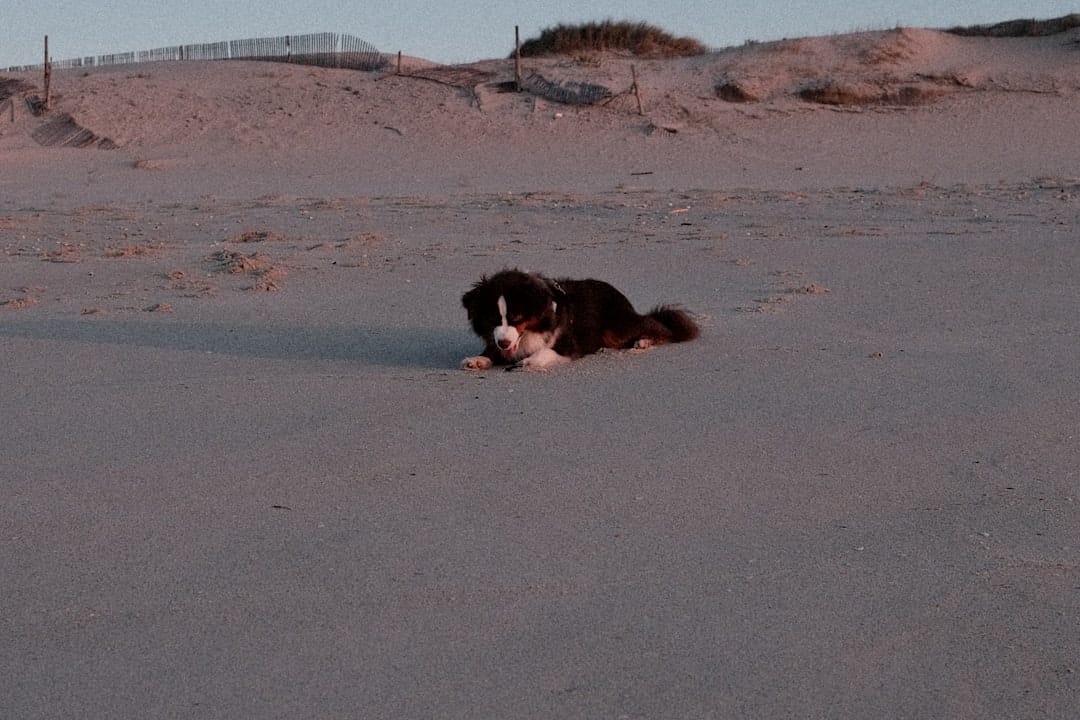
It’s 2 AM and you’re jolted awake by the sound of heavy breathing. Your Golden Retriever, Max, is sprawled on the bedroom floor, chest heaving, tongue lolling out in rapid, shallow breaths. He’s not hot. He hasn’t been running. Yet he pants like he’s just finished a marathon in July. If this scenario feels familiar, you’re witnessing one of the most distressing symptoms of allergic discomfort in dogs.
Panting isn’t always about temperature or exercise. For dogs suffering from dog allergy symptoms, that persistent open-mouth breathing often signals inflammation, skin irritation, or anxiety triggered by chronic itching. Learning how to calm a panting dog requires understanding whether you’re dealing with a temporary stress response or a deeper issue requiring immune support.
Why Your Dog Won’t Stop Panting
Dogs pant. It’s natural. They lack sweat glands over most of their bodies, so evaporative cooling through the tongue and mouth regulates their temperature. But when the air conditioning is blasting and your pup hasn’t moved from their bed in hours, that heavy breathing tells a different story.
Chronic panting in allergic dogs typically stems from three interconnected issues:
Physical Discomfort: When environmental allergens like pollen, dust mites, or mold spores contact your dog’s skin, they trigger histamine release. This creates that maddening itch that sends dogs into scratching frenzies. The physical exertion of constant scratching, combined with skin inflammation, elevates heart rate and respiration.
Stress and Anxiety: Imagine wearing a wool sweater that’s two sizes too small while mosquitoes buzz around you constantly. That’s essentially what allergic dogs experience. The unrelenting sensation of itchy skin creates a low-grade stress response, keeping cortisol levels elevated and breathing patterns irregular.
Secondary Infections: Allergic dogs often develop hot spots or yeast infections from excessive licking. These painful areas generate heat and inflammation, causing localized temperature increases that trigger compensatory panting.
Immediate Techniques: How to Calm a Panting Dog Right Now
When your dog is in the middle of a panting episode, you need immediate tools to break the cycle. These methods work best when used consistently alongside long-term allergy management.
Create a Cool, Calm Environment
Lower the thermostat a few degrees. Allergic inflammation generates heat, and a cooler room helps reduce that internal feverish feeling. Place a fan nearby—but not directly on your dog—to improve air circulation without creating a draft that might carry more allergens.
Dampen a clean cloth with cool (not cold) water and gently press it against your dog’s paw pads and inner ears. These areas have blood vessels close to the surface, making them efficient cooling points. Avoid ice water or ice packs, which can constrict blood vessels and actually trap heat inside the body.
Pressure Therapy and Gentle Touch
Many allergic dogs respond positively to gentle, steady pressure over their chest and shoulders. This technique, similar to swaddling an infant, activates the parasympathetic nervous system—the “rest and digest” response that counteracts stress panting.
Sit with your dog and place one hand on their chest, feeling the rise and fall of their breathing. Don’t pet frantically; instead, apply consistent, gentle pressure while breathing slowly yourself. Dogs often synchronize their breathing patterns with their trusted humans, so modeling slow, deep breaths can literally guide them into a calmer state.
Distraction Through Mental Engagement
Sometimes breaking the panting cycle requires redirecting your dog’s focus away from their physical discomfort. A frozen Kong filled with bland pumpkin puree (not the pie filling) serves dual purposes: the licking action releases calming endorphins, and the cool treat soothes inflamed gums and throats irritated by airborne allergens.
Snuffle mats work wonders here too. Scatter a few low-allergen treats in the fabric strips and let your dog’s foraging instincts take over. The mental work of sniffing and searching lowers heart rate naturally, often stopping stress panting within minutes.
The Root Cause Connection: Allergies and Respiratory Stress
Here’s where we need to talk about the elephant in the room. If you’re constantly searching for how to calm a panting dog at 3 AM, you’re treating symptoms while the underlying condition wreaks havoc on your pet’s immune system.
Environmental allergies in dogs create a cascade of inflammatory responses. When your dog inhales pollen or dust mites, their immune system mistakes these harmless particles for threats. Mast cells release histamine and other inflammatory compounds, causing blood vessels to dilate and tissues to swell. This systemic inflammation doesn’t just affect the skin—it impacts every organ system, including respiratory function.
Dogs with atopic dermatitis (the technical term for environmental allergies) often develop secondary sensitivities. Their compromised skin barrier allows more allergens to penetrate, creating a vicious cycle of inflammation, itching, and stress. That panting you hear? It’s your dog’s body working overtime trying to manage internal chaos.
Breaking the Inflammation Cycle Naturally
Traditional veterinary approaches often rely on steroids or antihistamines to suppress symptoms. While effective short-term, these don’t address the gut-immune connection that’s driving the allergic response. Recent veterinary research emphasizes the role of microbiome health in modulating allergic reactions.
This is where targeted nutritional support becomes crucial. I’ve seen remarkable improvements in chronic panters when their owners address immune regulation through natural supplements. ROROCA Allergy Relief Soft Chews offer a particularly effective approach for dogs caught in the allergy-panting cycle.
What sets these apart is the thoughtful combination of anti-inflammatory botanicals and immune-modulating probiotics. The Curcuma Longa Extract (Turmeric) acts as a powerful natural anti-inflammatory, helping to quiet the systemic inflammation that keeps allergic dogs in a state of physical stress. Combined with Licorice Root Extract, which soothes mucous membranes and supports adrenal function during allergic flare-ups, these ingredients target the root discomfort driving that rapid breathing.
The six-strain probiotic blend deserves special mention. Since approximately 70% of a dog’s immune cells reside in their gut, repopulating beneficial bacteria helps retrain the immune system to stop overreacting to environmental triggers. The 180-count container provides a six-month supply for most dogs, making consistent long-term support affordable compared to monthly vet visits for steroid shots.
Unlike some natural allergy supplements for dogs that focus solely on symptom masking, this formulation includes Salmon Oil rich in omega-3 fatty acids. These essential fats support skin barrier repair, reducing the amount of allergens that can penetrate the dermis and trigger that inflammatory cascade in the first place.
When Panting Indicates Emergency
While allergic discomfort causes chronic low-grade panting, certain breathing patterns demand immediate veterinary attention. Learn to distinguish between “allergy panting” and respiratory distress.
Seek emergency care if you notice:
- Gums turning pale blue or bright brick red instead of healthy pink
- Belly moving excessively with each breath (using abdominal muscles to breathe)
- Noisy breathing, wheezing, or sounds like pulling air through a straw
- Panting accompanied by drooling, vomiting, or collapse
- Reluctance to lie down combined with extended neck positioning
These signs indicate anaphylaxis, heat stroke, or cardiac issues—not simple allergic discomfort. When in doubt, call your emergency vet. It’s always better to rule out serious conditions than to assume it’s “just allergies.”
Prevention: Stopping the Panting Before It Starts
The most effective strategy for how to calm a panting dog is preventing the physiological triggers that cause it. Environmental management combined with immune support creates the best defense against those middle-of-the-night breathing episodes.
Start with your home environment. HEPA air purifiers in rooms where your dog sleeps remove airborne allergens before they can trigger reactions. Wash bedding weekly in hot water with fragrance-free detergent—those “fresh linen” scents often contain phthalates that irritate sensitive respiratory systems.
Wipe your dog’s paws and coat with a damp microfiber cloth after outdoor excursions. This simple habit removes pollen particles that would otherwise be ingested during grooming or absorbed through the skin. Pay special attention to the groin area and between toes, where allergens love to hide.
Consider timing walks for early morning or late evening when pollen counts drop. Avoid fields with flowering grasses, and stick to paved paths during high-allergy seasons. If your dog is reactive to dust mites, invest in allergen-proof covers for their bed and yours if they sleep with you.
Diet plays a supporting role. While environmental allergies differ from food allergies, feeding a low-inflammatory diet reduces the overall allergic load on your dog’s system. Avoid high-glycemic carbohydrates that spike insulin and promote inflammatory cytokines. Instead, focus on novel proteins and omega-rich foods that support cellular health.
Frequently Asked Questions
Why does my dog pant at night but not during the day?
Nocturnal panting often indicates cumulative daily allergen exposure reaching a tipping point. Throughout the day, your dog accumulates pollen and dust on their coat. When they settle down to sleep, body temperature naturally rises slightly, and the immune system shifts into repair mode—both of which can trigger inflammatory responses. The horizontal position while sleeping also allows nasal passages to drain differently, potentially causing post-nasal drip that irritates airways. Consider evening wipe-downs and ensuring their sleeping area is the coolest room in the house.
Can allergies really cause heavy breathing in dogs?
Absolutely. While we associate allergies with skin symptoms, systemic allergic reactions affect the entire body. Inflammatory mediators like histamine can cause slight swelling of nasal passages and throat tissues, making breathing feel more laborious. Additionally, the anxiety and discomfort of chronic itching elevates heart rate, which naturally increases respiratory rate. Some dogs also pant excessively because they’re overheating from infected hot spots or because steroid medications prescribed for allergies cause panting as a side effect.
How long should it take to calm a panting dog?
With immediate calming techniques like cooling and pressure therapy, you should see breathing rate decrease within 10-15 minutes. If panting persists beyond 30 minutes despite environmental cooling and comfort measures, contact your veterinarian. For chronic allergy-related panting, expect 4-6 weeks of consistent immune support and environmental management before noticing significant improvement in nighttime breathing patterns. Every dog responds differently based on the severity of their allergies and overall health status.
Is panting a sign of pain or just allergies?
Panting can indicate both. Allergy-related panting typically accompanies other signs like scratching, licking paws, or red skin. Pain-related panting often appears suddenly, may involve trembling, and usually correlates with movement or touching specific body areas. Allergic dogs might pant while lying still but stop when distracted by treats or toys. Dogs in pain rarely stop panting for distractions and may show guarding behaviors. If you’re unsure whether your dog’s panting stems from skin discomfort or deeper pain, schedule a veterinary examination to rule out joint issues or internal problems.
Should I use a fan or air conditioning for a panting dog?
Air conditioning works better than fans for allergic dogs because it filters and dehumidifies air. High humidity exacerbates skin infections and makes breathing feel heavier. If using a fan, ensure it’s not kicking up dust from the floor—position it to circulate air without creating a dust storm. Clean fan blades weekly; they collect enormous amounts of dust and allergens that blow directly onto your dog when operating. Never point fans directly at your dog’s face, as this can dry out nasal passages and worsen irritation.
Can I give my dog Benadryl to stop allergy panting?
While diphenhydramine (Benadryl) is sometimes used for allergic reactions, it’s not always effective for chronic environmental allergies in dogs, and it can actually cause excitement or rapid heart rate in some individuals—which worsens panting. Dosage must be calculated precisely by your veterinarian based on weight, and it shouldn’t be used long-term without medical supervision. Natural approaches targeting inflammation reduction often prove safer and more effective for chronic cases than antihistamines, which merely block histamine receptors without addressing the immune dysregulation causing the reactions.
Final Thoughts
Learning how to calm a panting dog requires patience and a multi-faceted approach. Those heavy breathing episodes at midnight aren’t just annoying—they’re your dog’s cry for help against an immune system gone haywire. By combining immediate cooling techniques with long-term immune support, you can break the cycle of inflammation and anxiety keeping your pet awake.
Remember that panting is communication. Your dog isn’t choosing to keep you awake; they’re struggling against physical discomfort that makes rest impossible. Addressing the root cause through environmental management and targeted supplements like ROROCA Allergy Relief Soft Chews often proves more effective than simply treating symptoms as they appear.
Start tonight. Lower the thermostat, dampen that cloth, and consider whether your dog’s immune system needs the support of natural anti-inflammatories and probiotics. Peaceful nights—with quiet, easy breathing—are possible for allergic dogs. They just need the right combination of immediate relief and long-term healing.
📖 Related Reading
- Dog Allergy Symptoms: Complete Guide
- Dog Skin Allergy Treatment Options
- Dog Food Allergies: Symptoms & Solutions