

Benadryl for Dogs: Dosage, Safety & Vet Guidelines
When your dog starts scratching uncontrollably or develops swollen hives after a bee sting, you may wonder if the same antihistamine in your medicine cabinet could provide relief. Benadryl for dogs is one of the most commonly discussed over-the-counter medications among pet owners, but understanding the proper dosage, safety protocols, and potential risks is essential before administering this drug to your canine companion. This comprehensive guide explores everything you need to know about using diphenhydramine safely in dogs, including when it helps, when it harms, and how veterinary guidance ensures your pet receives appropriate care.

Understanding Benadryl and Its Use in Canines
Benadryl is the brand name for diphenhydramine, an antihistamine that blocks H-1 receptors in the body. In humans, it treats allergies, cold symptoms, and insomnia. For dogs, veterinarians occasionally recommend this medication to manage mild allergic reactions, though it serves as a temporary solution rather than a cure for underlying conditions.
It is important to note that while Benadryl is generally considered safe for dogs when administered correctly, it is not FDA-approved for veterinary use. This means that dosing guidelines come from clinical experience and veterinary consensus rather than formal pharmaceutical testing for canine patients. Always consult your veterinarian before giving any human medication to your pet, as individual health factors can significantly affect safety.
Appropriate Uses for Benadryl in Dogs
Veterinarians may suggest Benadryl for dogs in specific situations where histamine release causes discomfort or danger. Understanding these appropriate applications helps pet owners recognize when this medication might help versus when emergency veterinary care is necessary.
Mild Allergic Reactions
The most common use for Benadryl in dogs involves managing mild environmental allergies, insect bites, or vaccine reactions. Symptoms such as localized swelling, hives, or mild itching may respond to antihistamine treatment. However, severe allergic reactions involving difficulty breathing, widespread facial swelling, or collapse require immediate emergency veterinary intervention and cannot be safely managed at home with oral antihistamines.
Motion Sickness and Anxiety
Some veterinarians recommend Benadryl for dogs who experience motion sickness during car travel because the medication causes drowsiness. Similarly, mild anxiety during thunderstorms or fireworks may occasionally be managed with this drug, though prescription anti-anxiety medications typically prove more effective and safer for behavioral issues. The sedative effect varies significantly between individual dogs, making unpredictable reactions a concern.
Benadryl Dosage for Dogs
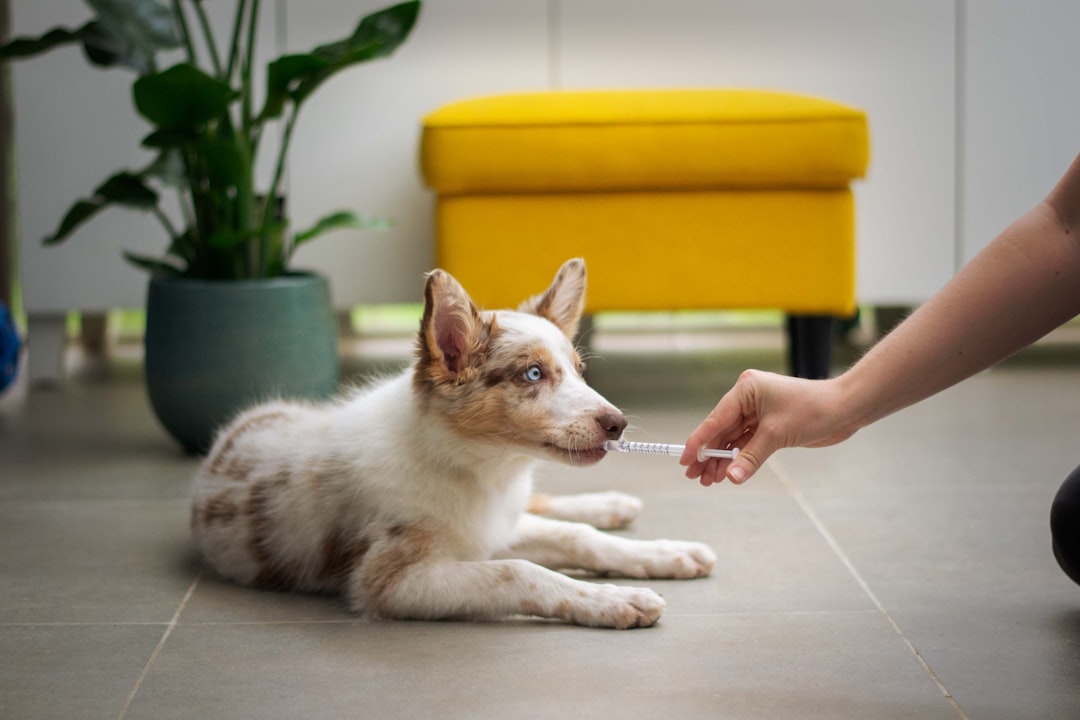
Determining the correct Benadryl dosage for dogs requires careful calculation based on body weight and individual health factors. The standard veterinary recommendation suggests administering 1 milligram of diphenhydramine per pound of body weight, given two to three times daily depending on symptom severity.
For practical application:
- Small dogs (under 25 pounds): Typically receive 12.5mg doses
- Medium dogs (25-50 pounds): Usually require 25mg doses
- Large dogs (50+ pounds): Often need 50mg doses
Always verify the formulation contains only diphenhydramine, as combination products containing decongestants like pseudoephedrine are toxic to dogs. The medication comes in 25mg tablets or liquid formulations, though liquid versions may contain alcohol or xylitol, both of which are dangerous for canines. Stick to plain diphenhydramine tablets when possible, and never use time-release capsules, as dogs cannot digest these properly.
Administer the medication with food to reduce stomach upset, and maintain consistent timing if giving multiple doses per day. Never exceed the recommended frequency without veterinary approval, as accumulation can lead to toxicity.
Safety Considerations and Side Effects
While generally safe when dosed correctly, Benadryl for dogs carries potential side effects that require monitoring. The most common adverse reactions include excessive drowsiness, dry mouth, urinary retention, and hyperexcitability in some dogs who experience paradoxical reactions opposite to the expected sedative effect.
More serious concerns involve drug interactions. Dogs taking monoamine oxidase inhibitors (MAOIs), certain antifungal medications, or other central nervous system depressants should not receive Benadryl without veterinary clearance. Additionally, dogs with pre-existing conditions such as glaucoma, cardiovascular disease, high blood pressure, or prostate enlargement face increased risks when taking antihistamines.
Pregnant or nursing dogs should avoid Benadryl unless specifically directed by a veterinarian, as effects on fetal development and milk production remain unclear. Similarly, elderly dogs and puppies under six months require modified dosing protocols or alternative treatments due to metabolic differences.
When to Avoid Benadryl
Certain situations absolutely contraindicate the use of Benadryl for dogs. Never attempt home treatment when your dog shows signs of anaphylaxis, including pale gums, rapid heartbeat, vomiting, diarrhea, or collapse. These symptoms indicate a life-threatening emergency requiring immediate epinephrine administration and professional stabilization.
Chronic skin conditions or persistent allergies also warrant veterinary evaluation rather than repeated Benadryl administration. Continuous use of antihistamines without diagnosing underlying causes such as food allergies, flea infestations, or hormonal imbalances merely masks symptoms while allowing the root problem to worsen. Additionally, some dogs metabolize drugs poorly due to the MDR1 gene mutation common in herding breeds, making standard doses potentially toxic.
Natural Alternatives for Long-Term Allergy Management
For dogs suffering from chronic seasonal allergies or environmental sensitivities, many pet owners are turning to natural supplements rather than relying solely on antihistamines. While Benadryl works effectively for acute allergic reactions, long-term management often requires supporting the immune system and skin barrier function.
Products like ROROCA Allergy Chews offer a veterinary-formulated alternative containing omega-3 fatty acids, quercetin, and colostrum to help reduce itching and inflammation without sedative side effects. These soft chews support immune balance and coat health when incorporated into a comprehensive allergy management plan. Unlike Benadryl, which provides temporary symptomatic relief, natural supplements address underlying inflammatory processes that contribute to chronic scratching and discomfort.
Other natural strategies include regular bathing with hypoallergenic shampoos, high-quality fish oil supplementation, and environmental control measures such as air purifiers and frequent washing of pet bedding. Combining these approaches often reduces the frequency of antihistamine dependence while improving overall skin health.

Frequently Asked Questions
How quickly does Benadryl work in dogs?
Benadryl typically begins working within 30 minutes of administration, with peak effects occurring around one to two hours post-dosing. If you do not notice improvement in allergic symptoms within this timeframe, contact your veterinarian rather than giving additional doses.
Can I give my dog Benadryl every day?
While technically possible under veterinary supervision, daily Benadryl administration is not recommended for chronic conditions without determining the underlying cause. Long-term use may mask progressive diseases and lead to tolerance, requiring higher doses for the same effect.
What should I do if my dog eats too much Benadryl?
Overdose symptoms include extreme agitation, dilated pupils, rapid heartbeat, seizures, or unconsciousness. If you suspect your dog consumed excessive amounts, contact your veterinarian or pet poison control immediately. Bring the medication packaging to facilitate rapid treatment decisions.
Is children’s Benadryl safe for dogs?
Children’s formulations may contain xylitol, an artificial sweetener extremely toxic to dogs even in small amounts. Only use plain diphenhydramine products specifically verified to contain no xylitol, alcohol, or additional active ingredients. When in doubt, choose adult tablets and break them appropriately for accurate dosing.
Can Benadryl help with hot spots?
While Benadryl may reduce itching associated with hot spots (acute moist dermatitis), it does not treat the underlying bacterial infection or self-trauma cycle. Hot spots require cleaning, topical treatment, and sometimes antibiotics. Relying solely on antihistamines allows these painful lesions to worsen.
Are there breeds that should never take Benadryl?
Herding breeds including Collies, Australian Shepherds, and Shetland Sheepdogs may carry the MDR1 gene mutation affecting drug metabolism. While Benadryl is generally considered safer than other drugs for these breeds, they still require conservative dosing and veterinary oversight.
Conclusion
Benadryl for dogs serves as a useful tool for managing mild, acute allergic reactions when administered correctly under veterinary guidance. However, it remains a temporary solution rather than a treatment for chronic conditions. By understanding proper dosages, recognizing contraindications, and exploring comprehensive management strategies including quality supplements like ROROCA Allergy Chews, pet owners can help their dogs achieve lasting comfort and health. Always prioritize professional veterinary consultation before administering human medications, and maintain vigilance regarding your dog’s individual response to any new treatment.