
Your cart is currently empty!
Can Dogs Develop Allergies? Signs & Solutions

·
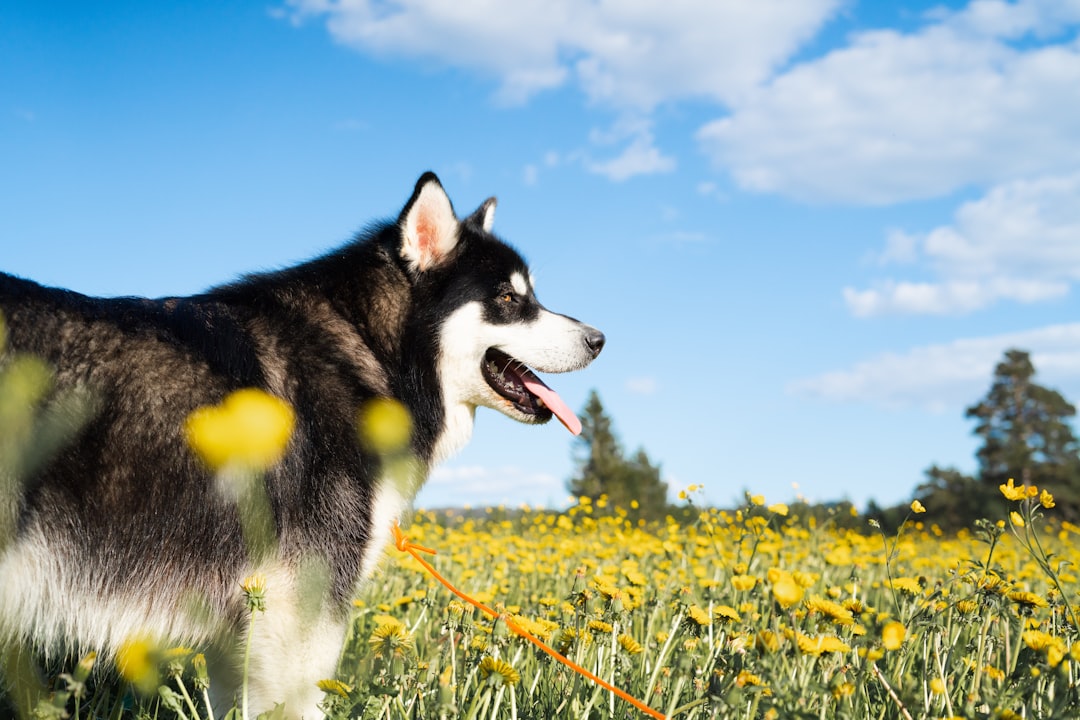
Can Dogs Develop Allergies? A Complete Guide for Owners
As a devoted dog owner, nothing is more concerning than seeing your furry friend uncomfortable. You might find yourself searching online, asking the critical question: can dogs develop allergies? The short answer is yes, absolutely. Just like humans, dogs are susceptible to a wide range of allergens that can trigger immune responses, leading to itching, digestive issues, and general discomfort.
Understanding canine allergies is the first step toward providing relief. Whether it is seasonal pollen, specific food ingredients, or environmental irritants, allergies can manifest at any age. This comprehensive guide will explore how allergies develop in dogs, the symptoms to watch for, and effective management strategies, including natural solutions like ROROCA Allergy Relief Soft Chews that support your dog’s overall wellness.
If you suspect your pup is suffering, you are not alone. Many owners navigate this challenge every day. By recognizing the signs early and implementing a supportive care routine, you can help your dog live a happier, healthier life. Let us dive into the details of canine allergies and how you can manage them effectively.
Understanding the Question: Can Dogs Develop Allergies?
When owners ask, can dogs develop allergies, they are often wondering if their pet’s sudden itching or stomach upset is an allergic reaction. Allergies occur when a dog’s immune system overreacts to a substance that is typically harmless. This substance, known as an allergen, triggers an inflammatory response designed to fight off what the body perceives as a threat.
How the Canine Immune System Works
A healthy immune system protects dogs from viruses, bacteria, and parasites. However, in allergic dogs, the system misidentifies benign substances as dangerous. Common allergens include proteins in food, pollen from trees and grass, dust mites, mold spores, and even certain fabrics. When exposed, the immune system releases histamines and other chemicals that cause the symptoms associated with allergies.
It is important to note that allergies can develop at any stage of a dog’s life. While some dogs show signs as puppies, others may not develop sensitivities until they are seniors. Genetics play a significant role, with certain breeds being more predisposed to allergic conditions than others. If you are unsure about your dog’s specific risk factors, reviewing a comprehensive guide to dog allergy symptoms can help you identify potential issues early.
When Immune Responses Go Awry
The severity of an allergic reaction varies from dog to dog. Some may experience mild seasonal itching, while others suffer from chronic skin infections or gastrointestinal distress. The key is consistency. If your dog exhibits symptoms repeatedly after exposure to certain environments or foods, it is likely an allergy rather than a one-time irritation. Monitoring these patterns is crucial for diagnosis and management.
Common Signs That Answer “Can Dogs Develop Allergies?”
Identifying allergies early can prevent secondary infections and improve your dog’s quality of life. The symptoms often overlap with other conditions, which is why veterinary consultation is essential. However, there are common indicators that suggest an allergic response is occurring.
Skin and Coat Issues
The most prevalent sign of allergies in dogs is dermatological. You might notice:
- Excessive Scratching and Chewing: Dogs often focus on their paws, ears, belly, or base of the tail.
- Redness and Inflammation: Skin may appear irritated, hot to the touch, or rash-like.
- Recurrent Ear Infections: Yeast and bacteria thrive in allergic ears, leading to odor and discharge.
- Hair Loss: Constant licking and scratching can lead to thinning coat or bald spots.
These symptoms indicate that the skin barrier is compromised. Supporting skin health from the inside out is often more effective than topical treatments alone.
Digestive Troubles
Food allergies or sensitivities often manifest in the gut. If you are wondering can dogs develop allergies to their kibble, look for these signs:
- Chronic diarrhea or loose stools
- Frequent vomiting
- Excessive gas
- Changes in appetite
Gut health is intimately linked to immune function. A balanced microbiome can help regulate the immune response, reducing the severity of allergic reactions.
Respiratory Symptoms
Although less common than skin issues, some dogs experience respiratory allergies similar to hay fever in humans. Symptoms include sneezing, coughing, watery eyes, and nasal discharge. These are often seasonal and linked to environmental allergens like pollen or mold.
Managing Allergies Naturally
Once you have identified that your dog is struggling with allergies, the next step is management. While prescription medications have their place, many owners prefer to start with natural approaches to support their dog’s body without harsh side effects. This includes dietary changes, environmental controls, and targeted supplementation.
Dietary Adjustments
For food sensitivities, an elimination diet supervised by a veterinarian is the gold standard. This involves feeding a novel protein source for several weeks to see if symptoms resolve. Additionally, ensuring your dog receives high-quality nutrition rich in omega fatty acids can support skin barrier function. Avoiding fillers and artificial additives can also reduce the overall inflammatory load on your dog’s system.
The Role of Supplements
Supplements can bridge the gap between diet and optimal health. They provide concentrated nutrients that support the immune system and reduce inflammation. This is where ROROCA Allergy Relief Soft Chews become a valuable part of your dog’s wellness routine.
ROROCA Allergy Relief Soft Chews are formulated to address the root causes of discomfort naturally. Each chew is packed with a synergistic blend of ingredients designed to support immune health and soothe inflammation. Here is how the key ingredients work:
- Probiotic Blend (6-strain): A healthy gut is the foundation of a strong immune system. This 6-strain probiotic blend helps balance gut flora, which can reduce hypersensitivity reactions and improve digestion.
- Salmon Oil: Rich in Omega-3 fatty acids, salmon oil supports skin hydration and reduces inflammatory responses in the body. It helps maintain a shiny coat and healthy skin.
- Licorice Root Extract: Known for its soothing properties, licorice root helps calm irritated tissues and supports the adrenal system during stress responses.
- Curcuma Longa Extract (Turmeric): Turmeric is a powerful natural anti-inflammatory. It helps reduce swelling and discomfort associated with allergic reactions.
- Echinacea Extract: Often used to support immune function, Echinacea helps the body defend against environmental stressors.
With a 180-count value pack, ROROCA Allergy Relief Soft Chews offer a convenient and cost-effective way to provide daily support. The soft chew format ensures even picky eaters will enjoy their daily dose of wellness. Incorporating these chews into your routine can complement other management strategies, providing holistic relief for your pup.
For more information on holistic care, you might explore our natural dog remedies section to find additional ways to support your pet’s health.
Environmental Controls
Reducing exposure to allergens is also critical. Regular bathing with hypoallergenic shampoos can remove pollen from the coat. Washing bedding frequently in hot water kills dust mites. Using air purifiers in the home can reduce airborne irritants. Combining these environmental changes with internal support creates a comprehensive defense against allergies.
Frequently Asked Questions
Can dogs develop allergies later in life?
Yes, dogs can develop allergies at any age. While many show signs before age three, senior dogs can also develop new sensitivities due to changes in their immune system or prolonged exposure to allergens.
What are the most common food allergens for dogs?
The most common food allergens include beef, dairy, chicken, wheat, eggs, corn, and soy. Protein sources are typically the culprit rather than grains, though grain sensitivities do exist.
How do I know if my dog has seasonal allergies?
Seasonal allergies often present as itching that worsens during specific times of the year, such as spring or fall. You may also notice watery eyes or sneezing during high pollen counts.
Are natural supplements safe for long-term use?
Generally, yes. Natural supplements like ROROCA Allergy Relief Soft Chews are designed for daily use. However, always consult your veterinarian before starting any new supplement regimen, especially if your dog is on other medications.
Can allergies cause ear infections in dogs?
Absolutely. Allergies cause inflammation in the ear canal, creating a warm, moist environment where yeast and bacteria thrive. Recurrent ear infections are a hallmark sign of underlying allergies.
How long does it take for allergy chews to work?
Results vary by dog. Some owners notice improvements in scratching within a few weeks, while others may need to use the product for a month or more to see significant changes in skin and coat health.
Should I stop my dog’s medication if I use supplements?
No. Do not stop prescribed medications without veterinary advice. Supplements are intended to support overall health and may allow for reduced medication over time, but this must be managed by a professional.
Conclusion
So, can dogs develop allergies? Yes, and it is a common challenge that many pet owners face. Recognizing the signs early—whether it is scratching, digestive issues, or respiratory symptoms—allows you to take action before the condition worsens. Management involves a combination of environmental control, dietary care, and immune support.
Natural solutions play a vital role in maintaining your dog’s comfort. Products like ROROCA Allergy Relief Soft Chews offer a targeted approach with ingredients like the 6-strain Probiotic Blend, Salmon Oil, and Turmeric to support gut health and reduce inflammation. With the 180-count pack, you can ensure consistent care for your furry friend.
Remember, every dog is unique. What works for one may need adjustment for another. Always partner with your veterinarian to create the best plan for your pet. By staying informed and proactive, you can help your dog thrive despite allergies. For more trusted advice, visit our pet wellness homepage to explore additional resources.
Leave a Reply