

Dog Skin Allergy Treatment: Vet-Approved Solutions
Watching your beloved companion scratch, bite, and lick their skin raw is heartbreaking for any pet parent. Dog skin allergies affect millions of canines worldwide, causing discomfort, secondary infections, and diminished quality of life. Fortunately, modern veterinary medicine offers multiple effective approaches to manage these conditions. This comprehensive guide explores proven dog skin allergy treatment strategies that veterinary professionals recommend, helping you restore your pet’s comfort and skin health.

Understanding Canine Skin Allergies
Canine atopic dermatitis, commonly known as skin allergies, occurs when your dog’s immune system overreacts to environmental substances. Unlike food allergies that affect the digestive system, skin allergies manifest externally through inflammation, itching, and irritation. The three primary categories include flea allergy dermatitis, environmental allergies (atopy), and contact allergies.
Environmental triggers such as pollen, dust mites, mold spores, and grass are the most common culprits. These allergens penetrate the skin barrier, prompting an immune response that releases histamines and inflammatory chemicals. Certain breeds, including Golden Retrievers, Bulldogs, and German Shepherds, demonstrate higher genetic predisposition to developing these hypersensitivities.
Common Symptoms of Dog Skin Allergies
Recognizing the early signs of allergic reactions enables prompt intervention and prevents progression to severe skin damage. Pet owners should monitor for these indicators:
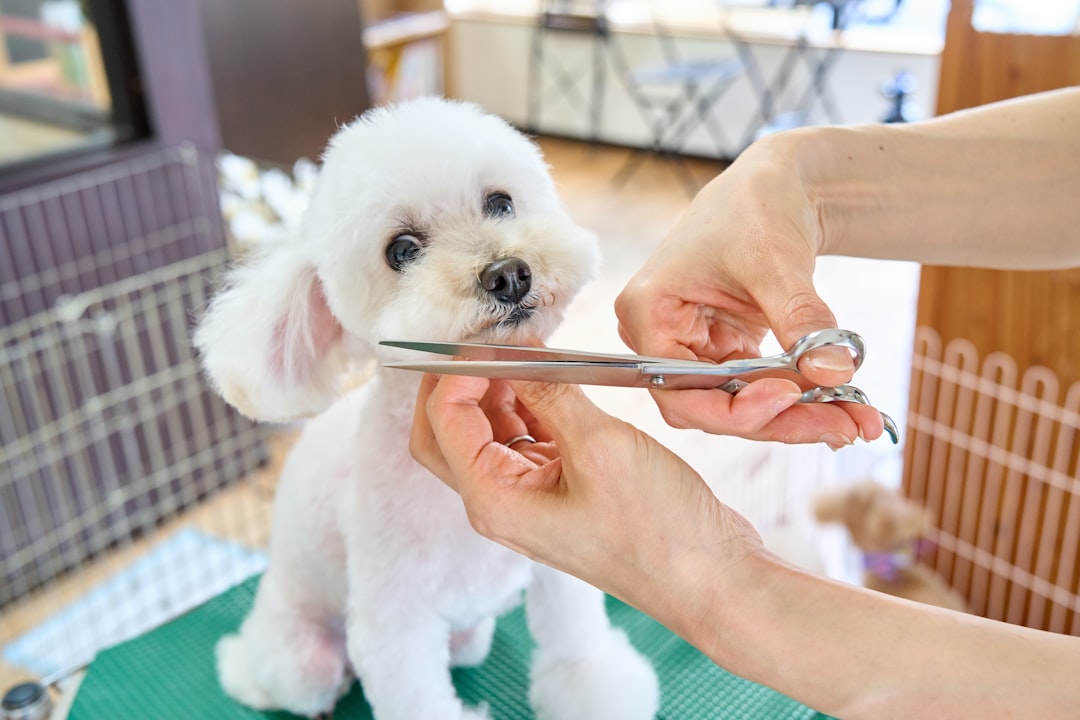
- Persistent scratching, licking, or chewing at paws, groin, or armpits
- Red, inflamed skin patches and hot spots
- Chronic ear infections with odor and discharge
- Hair loss and thinning coat quality
- Skin thickening and darkening in chronic cases
- Secondary bacterial or yeast infections
- Excessive shedding and dandruff
Symptoms typically worsen seasonally for environmental allergies, though year-round discomfort suggests indoor allergens or food sensitivities requiring different diagnostic approaches.
Vet-Approved Dog Skin Allergy Treatment Options
Effective management requires a multimodal approach combining immediate relief with long-term immune regulation. Your veterinarian will customize treatment based on severity, underlying cause, and your dog’s medical history.
Topical Therapies and Medicated Shampoos
Medicated baths provide immediate soothing relief while removing allergens from the coat. Veterinary formulations containing chlorhexidine, ketoconazole, or oatmeal reduce inflammation and combat secondary infections. For localized flare-ups, corticosteroid creams or tacrolimus ointment decrease inflammation without systemic side effects.
Regular bathing every 1-2 weeks with hypoallergenic or medicated shampoo removes pollen and dust accumulation, significantly reducing allergen load on the skin. Always follow veterinary guidance regarding bathing frequency, as excessive washing can strip natural oils and compromise the skin barrier.
Prescription Oral Medications
For moderate to severe cases, systemic medications control the immune response effectively. Apoquel (oclacitinib) and Cytopoint offer targeted relief by blocking itch signals without the side effects associated with traditional steroids. These modern treatments provide rapid comfort within 4-24 hours and are safe for long-term administration under veterinary supervision.
Corticosteroids like prednisone remain effective for acute flare-ups but require careful monitoring due to potential side effects including increased thirst, appetite changes, and immune suppression. Your veterinarian will prescribe the lowest effective dose for the shortest duration necessary.
Natural Supplements and Nutritional Support
Supporting skin health from within strengthens the immune system and reduces inflammatory responses. Omega-3 fatty acids derived from fish oil demonstrate proven anti-inflammatory properties that improve skin barrier function and reduce itching intensity. High-quality probiotics restore gut health, which directly influences immune regulation and allergic responses.
Many pet owners incorporate ROROCA Allergy Chews as part of their comprehensive management strategy. These veterinarian-formulated supplements contain essential fatty acids, colostrum, and herbal ingredients designed to support normal immune function and maintain healthy skin. When combined with conventional treatments, natural supplements like ROROCA Allergy Chews may help reduce the frequency and severity of allergic flare-ups while promoting coat health.
Always consult your veterinarian before adding supplements to ensure compatibility with prescription medications and appropriate dosing for your dog’s weight and condition.
Allergen-Specific Immunotherapy (ASIT)
For dogs with identified environmental allergies, immunotherapy represents the only treatment that modifies the immune system rather than merely suppressing symptoms. Following intradermal skin testing or serum allergy testing, customized vaccines containing minute amounts of specific allergens are administered via injection or oral drops.
This gradual desensitization process typically requires 6-12 months before noticeable improvement occurs, but approximately 70-75% of dogs respond positively. Immunotherapy offers the potential for lasting relief without daily medication, making it ideal for young dogs expected to suffer lifelong allergies.
Home Care Strategies for Allergy Management
Complementing veterinary treatments with environmental modifications enhances your dog’s comfort and reduces medication dependency:
- Implement weekly washing of bedding in hot water to eliminate dust mites
- Use HEPA air purifiers to reduce airborne pollen and dander
- Wipe your dog’s paws and coat with damp cloths after outdoor exposure
- Maintain consistent flea prevention year-round, as flea bites trigger severe reactions in allergic dogs
- Switch to hypoallergenic laundry detergents for pet bedding
- Consider dietary trials with novel protein or hydrolyzed diets if food allergies are suspected
Humidity control between 30-50% prevents mold growth while keeping skin from drying excessively. Regular grooming removes trapped allergens and allows early detection of skin changes before they progress to infections.
When to See Your Veterinarian
While mild itching occasionally resolves with bathing, professional evaluation becomes essential when symptoms persist beyond 48 hours or escalate rapidly. Seek immediate veterinary attention if you observe:
- Open wounds, bleeding, or pus-filled lesions
- Significant behavioral changes including lethargy or appetite loss
- Facial swelling or difficulty breathing (potential anaphylaxis)
- Odor emanating from skin or ears indicating infection
- Symptoms that interfere with sleep or normal activities
Chronic allergies require ongoing management rather than one-time cures. Establishing a relationship with a board-certified veterinary dermatologist ensures access to advanced diagnostics and cutting-edge treatments for refractory cases.
Frequently Asked Questions About Dog Skin Allergy Treatment
How long does it take for dog skin allergy treatment to work?
Treatment timelines vary by method. Antihistamines typically require 2-4 weeks to evaluate effectiveness. Prescription medications like Apoquel provide relief within 4-24 hours, while Cytopoint injections work for 4-8 weeks. Immunotherapy requires 6-12 months for significant improvement. Natural supplements generally show benefits after 4-6 weeks of consistent use.
Can I use human allergy medications for my dog?
Never administer human medications without veterinary approval. While some antihistamines like diphenhydramine are safe in correct dosages, others cause toxic reactions. Dosage calculations must account for your dog’s weight and health status. Always consult your veterinarian before giving any over-the-counter medications.
Are there permanent cures for dog skin allergies?
Currently, no permanent cure exists for atopic dermatitis. However, immunotherapy offers the closest solution by retraining the immune system to tolerate allergens. Most dogs require lifelong management combining medications, supplements like ROROCA Allergy Chews, and environmental control, though symptoms often become well-controlled with proper care.
Why do my dog’s allergies get worse at night?
Nocturnal worsening typically results from cumulative allergen exposure throughout the day or increased exposure to dust mites in bedding. Consider changing air filters, washing bedding more frequently, or administering evening doses of medication to provide overnight relief.
Can diet alone cure my dog’s skin allergies?
True food allergies affect only 10-15% of allergic dogs. While elimination diets resolve symptoms in these cases, environmental allergies require additional interventions. However, high-quality diets rich in omega fatty acids support skin health and may reduce the severity of allergic responses when combined with other treatments.
How much does professional dog skin allergy treatment cost?
Costs vary widely based on severity and treatment choice. Initial diagnostics including skin scrapings, cultures, and allergy testing range from $200-$1,000. Monthly medications may cost $30-$200, while immunotherapy represents a higher upfront investment ($800-$1,500) with lower ongoing maintenance costs. Supplements and special diets add $20-$100 monthly depending on product selection.
Conclusion
Managing canine skin allergies requires patience, consistency, and professional guidance. The most effective dog skin allergy treatment plans combine immediate symptom relief with long-term immune support and environmental modification. Whether your dog needs prescription medications, immunotherapy, or supportive supplements like ROROCA Allergy Chews, working closely with your veterinarian ensures the best possible outcome.
Remember that every dog responds differently to treatments, and finding the optimal combination may require adjustments over time. With modern veterinary advances and comprehensive care strategies, most allergic dogs achieve comfortable, happy lives despite their sensitivities. Schedule a dermatology consultation today to develop your personalized treatment plan and give your companion the relief they deserve.