
Your cart is currently empty!

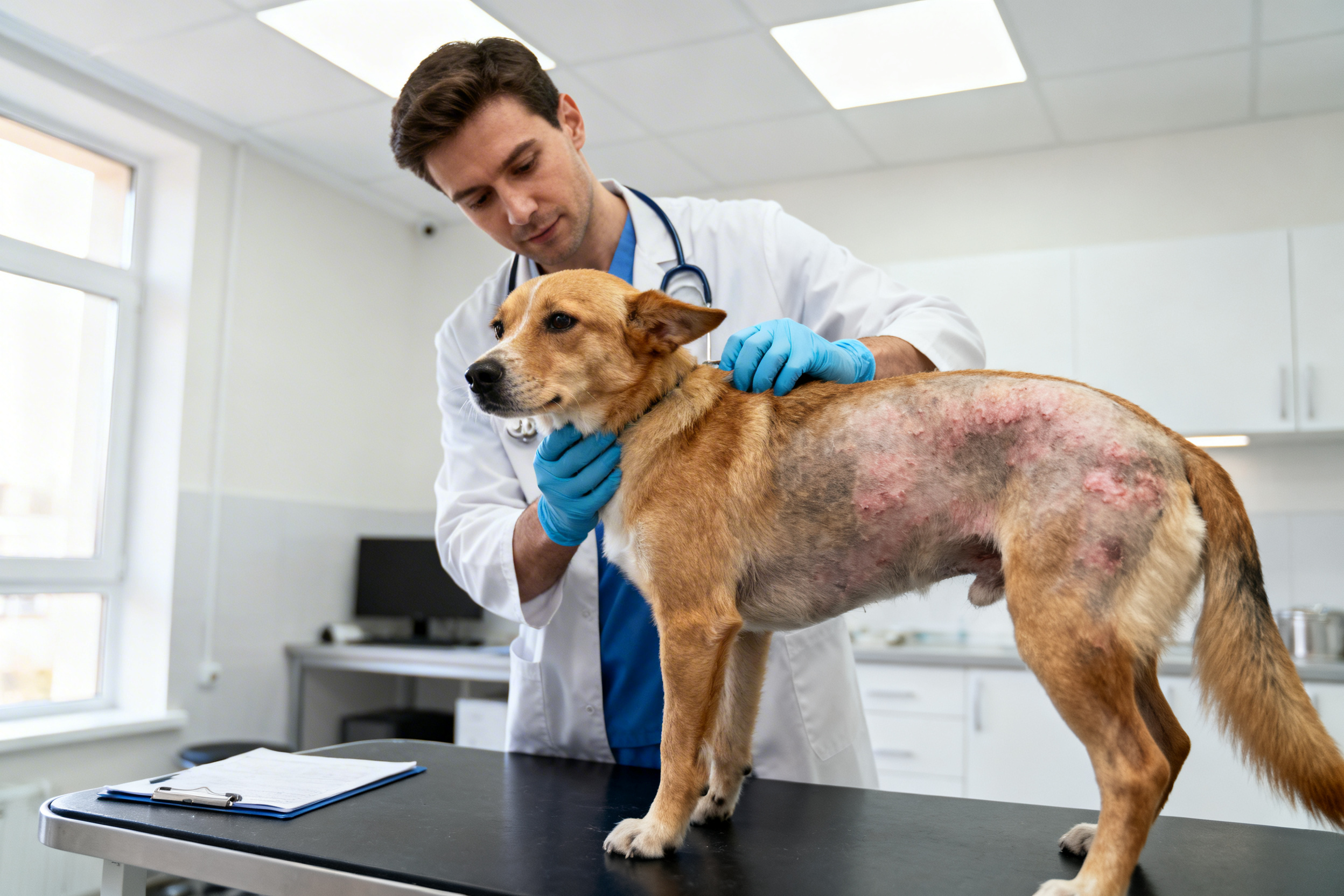
As a dog parent, watching your pup suffer is heartbreaking. The constant scratching, red paws, and watery eyes don’t just keep you up at night—they signal that your furry friend needs help. If you’re searching for how do you treat dog allergies effectively, you’re not alone. Environmental triggers, food sensitivities, and flea bites affect millions of dogs annually, turning playful companions into uncomfortable, restless pets.

This comprehensive guide walks you through veterinary treatments, natural remedies, and prevention strategies that actually work. Whether your dog suffers from seasonal pollen allergies or chronic food sensitivities, you’ll discover evidence-based solutions to restore their comfort and quality of life.


Understanding What You’re Treating: Types of Dog Allergies
Before diving into treatments, you need to identify what type of allergy affects your dog. Different allergens require different approaches, and misdiagnosis leads to wasted time and continued suffering.
Environmental Allergens (Atopy)
Atopic dermatitis affects 10-15% of the canine population, making it the most common allergic skin disease in dogs. These reactions occur when your dog’s immune system overreacts to everyday substances like pollen, mold spores, dust mites, and grass. Symptoms typically appear between ages 6 months and 3 years, starting with seasonal patterns that may progress to year-round issues.
Dogs with environmental allergies often display specific patterns: chewing at paws, rubbing their face on furniture, and developing recurrent ear infections. Unlike food allergies, these symptoms flare during specific seasons or after outdoor exposure.
Food Allergies and Intolerances
While less common than environmental allergies, adverse food reactions affect approximately 1-2% of dogs. The primary culprits include beef, dairy, chicken, wheat, and lamb. Unlike immediate anaphylactic reactions seen in humans, canine food allergies manifest as chronic skin inflammation, gastrointestinal upset, or both.
Diagnosing food allergies requires strict elimination diets lasting 8-12 weeks, followed by systematic food challenges. This process demands patience but remains the only definitive method for identifying dietary triggers.
Flea Allergy Dermatitis (FAD)
Even a single flea bite can trigger intense reactions in sensitive dogs. FAD occurs when dogs develop hypersensitivity to proteins in flea saliva, causing severe itching and skin lesions concentrated at the tail base, thighs, and groin. Prevention proves easier than treatment, making year-round flea control essential for allergic dogs.
How Do You Treat Dog Allergies: Veterinary Approaches
Veterinary medicine offers several evidence-based treatments depending on severity, allergen type, and your dog’s medical history. Modern approaches focus on interrupting the itch cycle while addressing underlying immune dysfunction.
Prescription Medications
Today’s veterinary pharmacology provides targeted relief without the side effects associated with older steroid treatments. Apoquel (oclacitinib) works within 4-24 hours to block itch signals at the source, making it ideal for acute flare-ups. For long-term management, Cytopoint offers monthly injections that neutralize the primary itch protein for 4-8 weeks.
Corticosteroids like prednisone remain effective for severe cases but require careful monitoring due to potential side effects including increased thirst, weight gain, and immune suppression. Your veterinarian will weigh risks against benefits, typically reserving steroids for short-term crisis management.
Allergen-Specific Immunotherapy (ASIT)
Considered the gold standard for environmental allergies, immunotherapy works similarly to human allergy shots. After intradermal skin testing or serum testing identifies specific allergens, your dog receives gradually increasing doses of these substances to desensitize their immune system.
This treatment requires commitment—improvement typically appears after 6-12 months of consistent injections or oral drops. However, ASIT addresses the root cause rather than just masking symptoms, potentially reducing or eliminating the need for other medications long-term.
Medicated Baths and Topical Treatments
Medicated shampoos containing chlorhexidine, ketoconazole, or oatmeal provide immediate physical relief by removing allergens from the coat and soothing inflamed skin. For localized hot spots, mousse applications containing hydrocortisone or antibiotics target specific areas without systemic drug exposure.
Weekly bathing during high-allergen seasons significantly reduces symptoms for many dogs. The key lies in using lukewarm water and veterinary-formulated products that maintain skin barrier function rather than stripping natural oils.
Natural Remedies and Nutritional Support
While severe allergies require veterinary intervention, many dog owners successfully manage mild to moderate symptoms through natural approaches and dietary optimization. These strategies work best as complementary treatments or preventive measures.
Targeted Nutritional Supplementation
Supporting your dog’s immune system from within can significantly reduce allergic responses. Dogs showing early signs of allergies often benefit from supplements that modulate immune function and reduce inflammation.
ROROCA Allergy Chews offer a comprehensive approach combining six scientifically-backed ingredients. The proprietary Probiotic Blend (6-strain) supports gut health, where 70% of immune function originates. Salmon Oil provides omega-3 fatty acids that naturally reduce skin inflammation, while Licorice Root Extract acts as a gentle corticosteroid alternative. Curcuma Longa Extract (Turmeric) delivers powerful anti-inflammatory compounds, and Echinacea Extract supports balanced immune responses without overstimulation.
These soft chews integrate easily into daily routines, offering a palatable alternative to pills for picky eaters. Many owners report reduced scratching and improved coat quality within 3-4 weeks of consistent use.
Environmental Control Strategies
Minimizing allergen exposure reduces the burden on your dog’s immune system. For dust mite allergies, wash bedding weekly in hot water (above 130°F) and use HEPA air purifiers in main living areas. Pollen-sensitive dogs benefit from paw wiping after outdoor walks and limiting exposure during peak pollen counts (typically 5-10 AM and on windy days).
Humidity control proves crucial for mold-sensitive dogs. Maintain indoor humidity between 30-50% using dehumidifiers, and regularly clean air conditioning filters that trap spores.
Physical Barriers and Skin Protection
Protective clothing like lightweight shirts or bodysuits prevent direct contact with grasses and pollens during walks. For paw allergies, dog boots eliminate contact with lawn chemicals and irritants, though some dogs require gradual acclimation to wearing them.
Regular paw soaks using diluted apple cider vinegar (1 tablespoon per cup of water) help remove allergens and restore skin pH balance. Always dry paws thoroughly afterward to prevent moisture-related infections.
Dietary Interventions for Food Allergies
When food triggers hypoallergenic diet recommendations become essential rather than optional. Successfully managing food allergies requires strict adherence to elimination protocols.
The Elimination Diet Trial
This diagnostic process involves feeding a novel protein and carbohydrate source—ingredients your dog has never consumed—for 8-12 weeks. Common options include kangaroo, rabbit, or venison paired with sweet potato or pea starch. During this period, absolutely no treats, table scraps, or flavored medications can cross your dog’s lips.
If symptoms resolve during the trial, you’ll reintroduce original ingredients one at a time to identify specific triggers. This methodical approach prevents unnecessary lifelong dietary restrictions while pinpointing exact allergens.
Hydrolyzed Protein Diets
For dogs with extensive food sensitivities or owners unable to conduct rigorous elimination trials, hydrolyzed protein diets offer an alternative. These prescription foods break proteins into molecules too small for the immune system to recognize, preventing allergic reactions while providing complete nutrition.
Prevention: Stopping the Itch Before It Starts
Prevention strategies reduce the frequency and severity of allergic flare-ups. Start by establishing a regular grooming schedule that includes weekly baths with hypoallergenic shampoo during allergy seasons. Brush your dog daily to remove pollen and environmental debris from the coat.
Maintain strict flea prevention year-round, even if you don’t see fleas. Modern oral and topical preventatives kill fleas before they can bite, essential for FAD-prone dogs. Vacuum carpets and wash pet bedding weekly to reduce dust mite populations.
Consider best allergy medications for dogs as preventive tools during known high-risk periods. Starting antihistamines or supplements two weeks before allergy season often prevents symptom escalation.
Frequently Asked Questions About Treating Dog Allergies
Can I treat my dog’s allergies at home without a vet?
Mild, seasonal allergies sometimes respond to over-the-counter antihistamines and environmental management, but you should always consult a veterinarian first. Self-treating risks masking symptoms of serious conditions like mange or skin infections that require different interventions.
How long does it take for allergy treatments to work?
Relief timelines vary by treatment type. Antihistamines work within hours but offer limited effectiveness in dogs. Prescription medications like Apoquel provide relief within 4-24 hours. Natural supplements typically require 3-6 weeks for noticeable improvement. Immunotherapy takes 6-12 months to show full benefits but offers the longest-lasting results.
Are there side effects to allergy medications for dogs?
Long-term steroid use can cause weight gain, increased thirst, and immune suppression. Newer drugs like Apoquel carry minimal side effects for most dogs but require periodic blood monitoring. Always report vomiting, lethargy, or behavioral changes to your veterinarian immediately.
What’s the difference between seasonal and food allergy treatments?
Seasonal environmental allergies respond well to antihistamines, immunotherapy, and topical treatments during flare periods. Food allergies require permanent dietary modification—there’s no medication that allows continued consumption of trigger foods. Treatment failure often indicates misdiagnosis of the allergy type.
Can I give my dog human antihistamines like Benadryl?
Veterinarians sometimes recommend diphenhydramine (Benadryl) at 1 mg per pound of body weight, but this only helps 10-30% of dogs and causes drowsiness. Never administer without veterinary approval, especially if your dog takes other medications or has heart conditions.
How do I know if my dog needs prescription medication versus natural remedies?
Consider prescription intervention if your dog experiences hair loss, skin infections, sleep disruption from itching, or quality-of-life impairment. Natural remedies work best for mild symptoms or as adjuncts to prescription treatments. When in doubt, start with a veterinary consultation to assess severity.
Conclusion
Learning how do you treat dog allergies effectively requires patience, observation, and often a combination approach. Whether you opt for veterinary immunotherapy, prescription medications, or natural solutions like ROROCA Allergy Chews, consistency remains key to success.
Start by identifying your dog’s specific allergy type, implement environmental controls, and work closely with your veterinarian to develop a personalized treatment plan. With proper management, even severely allergic dogs can enjoy comfortable, happy lives free from constant itching and discomfort.
Don’t let allergies diminish your bond with your furry companion. Take action today to restore their comfort and protect their long-term health.
Leave a Reply