
Your cart is currently empty!

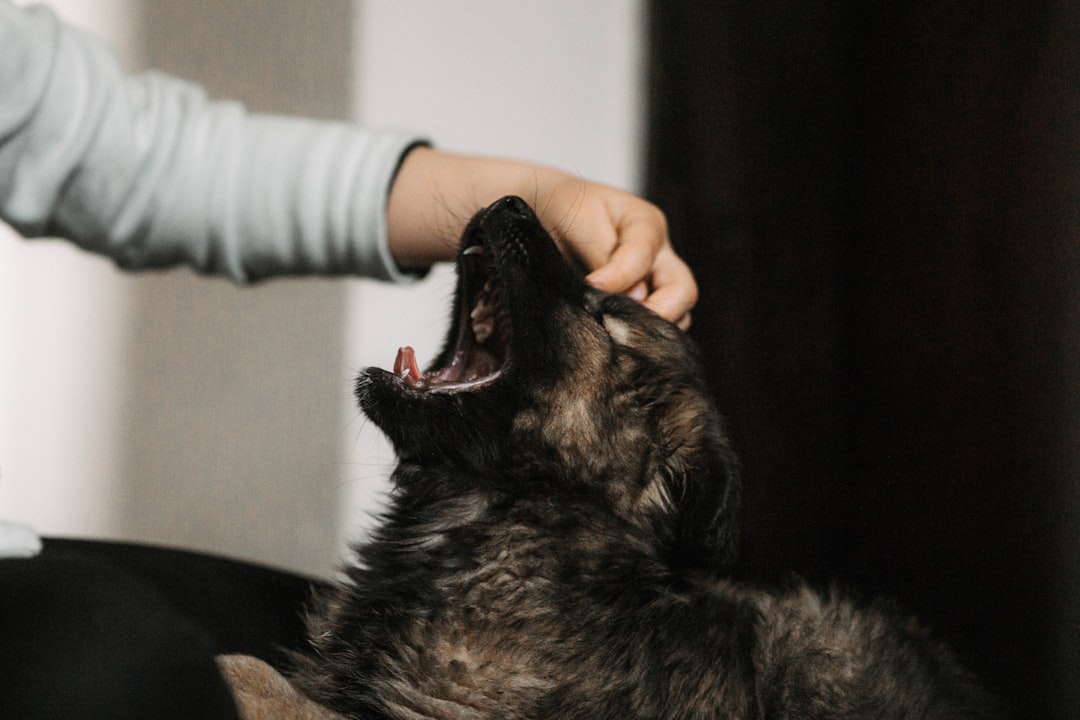
When Max started pacing relentlessly at 2 AM, his owner Sarah realized that knowing how to calm a dog down wasn’t just a nice-to-have skill—it was essential for their survival. Whether your pup is bouncing off the walls during thunderstorms, scratching incessantly from allergic discomfort, or simply too excited to listen during training, an overstimulated dog creates stress for the entire household.
Learning effective calming techniques helps strengthen your bond while ensuring your furry friend feels safe and secure. This comprehensive guide covers immediate interventions, long-term behavioral strategies, and often-overlooked medical causes like allergies that might be driving your dog’s restlessness. By understanding the root causes and implementing science-backed solutions, you’ll create a peaceful environment where both you and your dog can thrive.
Understanding Why Dogs Struggle to Relax
Before diving into specific techniques for how to calm a dog down, it’s crucial to understand what’s triggering the hyperactivity or anxiety. Dogs don’t usually act out without reason—there’s always an underlying cause that needs addressing.
Common Triggers for Canine Hyperactivity
Dogs experience overstimulation from various sources. Environmental factors like thunderstorms, fireworks, or unfamiliar guests can trigger acute anxiety. Physical needs also play a significant role; dogs with excess energy from insufficient exercise often display destructive behaviors or persistent pacing. Additionally, cognitive decline in senior dogs frequently manifests as restlessness and disorientation, particularly during evening hours.
Separation anxiety affects nearly 20% of dogs nationwide, causing distress when owners leave the home. This condition often results in excessive barking, inappropriate elimination, or attempts to escape. Recognizing signs of anxiety in dogs early allows for quicker intervention and prevents the behavior from becoming entrenched.
The Allergy Connection: When Discomfort Drives Restlessness
One frequently overlooked cause of canine hyperactivity is allergic discomfort. When dogs suffer from environmental or food allergies, the constant itching, skin irritation, and digestive upset create physical distress that manifests as inability to settle. These dogs might spin in circles, chew their paws obsessively, or pace because they cannot get comfortable in their own skin.
Chronic inflammation from allergic reactions also affects mood regulation. Just as humans feel irritable when experiencing allergic symptoms, dogs become edgy and reactive. Addressing underlying allergic conditions often results in dramatic behavioral improvements, transforming a restless, anxious dog into a calm companion.
Immediate Techniques for How to Calm a Dog Down
When your dog is in the middle of a panic attack or hyperactive episode, you need interventions that work within minutes. These strategies focus on physiological regulation through sensory input and environmental modification.
Physical Calming Methods
Deep pressure therapy works wonders for anxious dogs. Wrapping your dog in a snug blanket or using a specially designed anxiety wrap applies gentle, constant pressure that releases calming hormones. This technique mimics the comfort of being held and can reduce heart rate within minutes.
Gentle massage also proves effective when learning how to calm a dog down quickly. Start with slow, circular motions along the shoulders and neck, avoiding areas where your dog seems sensitive. The key is maintaining slow, rhythmic movements rather than energetic patting, which might further stimulate your pet.
For dogs experiencing acute panic, the “ThunderStorm” technique helps: place one hand on their chest and another over their hindquarters, applying gentle, steady pressure while speaking in low, slow tones. This full-body contact grounds them in the present moment rather than their anxious thoughts.
Environmental Adjustments
Creating a sanctuary space provides dogs with a predictable safe zone during stressful events. Choose a quiet interior room away from windows, add familiar bedding with your scent, and use white noise machines to mask startling sounds. Many dogs benefit from crate training when the crate becomes associated with positive experiences rather than punishment.
Pheromone diffusers releasing synthetic versions of calming canine chemicals can reduce anxiety levels significantly. These plug-in devices work continuously to create an atmosphere of safety. Similarly, playing specifically composed dog relaxation music—often featuring classical arrangements with slower tempos—helps regulate breathing patterns and promote rest.
Dimming lights during evening hyperactivity signals to your dog’s circadian rhythm that it’s time to wind down. Just as bright screens affect human sleep patterns, excessive artificial lighting can disrupt canine relaxation cycles.
Long-Term Strategies for Lasting Calm
While immediate interventions provide temporary relief, sustainable calm requires consistent training and lifestyle adjustments. These approaches address the root causes rather than just managing symptoms.
Behavioral Training Approaches
Teaching a reliable “settle” command gives you ongoing control over excitable behavior. Start training when your dog is already somewhat relaxed, rewarding them for lying down quietly. Gradually extend the duration required before treats appear, building impulse control over weeks of consistent practice.
Mental stimulation often proves more tiring than physical exercise alone. Puzzle feeders, snuffle mats, and training games exhaust the brain, leaving dogs content to nap afterward. A tired brain creates a calm body—this principle explains why working dogs often behave more calmly than pets with purely physical exercise routines.
Desensitization protocols help dogs overcome specific phobias like fear of car rides or grooming. By exposing your dog to trigger stimuli at extremely low intensities while pairing with high-value rewards, you gradually rebuild their emotional response. This process requires patience but creates permanent behavioral change.
Addressing Health Issues That Prevent Relaxation
Chronic health conditions frequently masquerade as behavioral problems. Thyroid imbalances, chronic pain from arthritis, and undiagnosed allergies create physical discomfort that prevents settling. If your dog suddenly becomes restless after previously calm behavior, schedule a veterinary examination to rule out medical causes.
For dogs experiencing restlessness due to allergic inflammation, dietary interventions provide significant relief. Many pet parents discover that addressing dog allergy symptoms naturally through targeted supplementation helps their dogs finally relax. ROROCA Allergy Chews offer a comprehensive approach to allergic discomfort with their unique blend of Probiotic Blend (6-strain), Salmon Oil, Licorice Root Extract, Curcuma Longa Extract (Turmeric), and Echinacea Extract.
These ingredients work synergistically to reduce the inflammatory response that keeps dogs awake and uncomfortable. The probiotic blend supports gut health—where much of the immune system resides—while Salmon Oil provides omega-3 fatty acids that naturally combat skin inflammation. Turmeric and Licorice Root Extract offer natural anti-inflammatory properties that help soothe irritated skin, allowing your dog to rest without constant scratching or chewing.
Integrating these allergy chews into your dog’s routine addresses the physical discomfort driving their restlessness, creating a foundation for the behavioral calming techniques to work effectively.
Exercise and Routine Optimization
Consistent daily routines provide predictability that reduces anxiety. Dogs thrive on knowing when walks, meals, and rest times occur. Establishing a structured day prevents the uncertainty that fuels hypervigilance and excitability.
The timing and type of exercise matter significantly. High-intensity activities right before bed can leave dogs physiologically aroused and unable to sleep. Instead, schedule vigorous play for morning or afternoon, reserving evenings for calm walks and gentle interaction. This mirrors natural canine rhythms where hunting occurred during cooler hours and rest followed.
Natural Calming Remedies and Supplements
Beyond addressing allergies, several natural calming remedies for dogs support relaxation without sedating your pet. These options work best as part of a comprehensive approach including environmental management and training.
L-theanine, an amino acid found in green tea, promotes alpha wave production in the brain, creating a state of relaxed alertness. When combined with tryptophan—the precursor to serotonin—these supplements help regulate mood without causing drowsiness. Look for formulations specifically designed for canine metabolism rather than human supplements.
CBD products derived from hemp show promise for anxiety management, though quality varies dramatically between manufacturers. If choosing this route, select products with third-party testing and start with extremely low doses, monitoring for any adverse reactions.
Adaptogenic herbs like ashwagandha help regulate cortisol levels in chronically stressed dogs. These work gradually over several weeks, making them ideal for dogs with generalized anxiety rather than acute panic situations.
When Professional Help Becomes Necessary
Sometimes DIY approaches prove insufficient for severe anxiety or compulsive behaviors. Recognizing when to seek professional intervention prevents prolonged suffering for both dogs and owners.
Consult your veterinarian if calming techniques show no improvement after consistent application for four weeks. They can prescribe anti-anxiety medications that provide relief while behavioral modification training takes effect. These medications don’t sedate your dog but rather reduce the panic response enough for learning to occur.
Certified veterinary behaviorists offer specialized expertise for complex cases involving aggression or severe phobias. These professionals develop customized behavior modification protocols and can identify subtle medical factors contributing to restlessness that general practitioners might miss.
Professional dog trainers specializing in positive reinforcement methods teach you how to maintain calm energy yourself—since dogs mirror their owners’ emotional states. If you’re anxious about your dog’s behavior, they sense that tension, creating a feedback loop of stress.
Frequently Asked Questions
How do I calm down a dog during fireworks immediately?
Create a soundproof sanctuary in an interior room, use white noise or calming music, and apply gentle pressure through wrapping or holding. Avoid coddling anxious behavior—instead, reward calm moments with treats. Keep curtains closed to block flashing lights, and ensure your dog has identification in case they bolt.
Can allergies really make my dog hyperactive?
Yes, absolutely. When dogs experience allergic itching or digestive discomfort, they cannot settle physically. The inflammation from allergic reactions also affects neurotransmitter function, creating irritability. Many dogs diagnosed with behavioral issues actually suffer from undiagnosed allergies causing their restlessness.
How long does it take for calming supplements to work?
Fast-acting supplements like L-theanine show effects within 30-90 minutes, making them suitable for predictable stressors like vet visits. Long-term calming support from probiotics and omega fatty acids requires 4-6 weeks of consistent use to show full benefits for allergic or anxious dogs.
Is it okay to comfort my dog when they’re scared?
Contrary to old myths, comforting your dog does not reinforce fear. Fear is an emotional state, not a behavior chosen for attention. Providing calm, physical reassurance helps your dog regulate their nervous system. However, maintain relaxed body language yourself—if you’re tense, your dog will remain alert.
Why won’t my dog settle down at night?
Nocturnal restlessness often indicates insufficient mental stimulation during the day, undiagnosed pain (particularly in senior dogs), or environmental allergies that worsen at night when histamine levels naturally rise. Review your dog’s exercise routine and consider whether skin irritation or joint discomfort prevents comfortable sleeping positions.
What’s the fastest way to calm down a dog?
The quickest method combines physical pressure (wrapping or holding), removing stimuli causing the excitement, and offering a long-lasting chew toy. Chewing naturally lowers heart rate and releases calming endorphins. For immediate relief, this physical outlet often works faster than verbal reassurance alone.
Conclusion
Mastering how to calm a dog down requires understanding that restlessness stems from physical, emotional, or environmental factors—or often a combination of all three. By implementing immediate calming techniques during crises while building long-term routines that support relaxation, you create lasting change in your dog’s behavior.
Remember that underlying health issues, particularly allergies causing chronic discomfort, frequently masquerade as anxiety or hyperactivity. Addressing these root causes through proper nutrition and targeted supplements like ROROCA Allergy Chews often provides the foundation necessary for behavioral training to succeed. When your dog feels physically comfortable and secure in their environment, learning to relax becomes natural rather than forced.
With patience, consistency, and the right combination of techniques tailored to your individual dog’s needs, peaceful coexistence isn’t just possible—it’s inevitable. Start with one or two strategies from this guide, monitor your dog’s response, and adjust your approach as you learn what works best for your unique companion.
Leave a Reply