
Your cart is currently empty!
How to Calm Down a Hyper Dog: 7 Expert Strategies for 2026

·
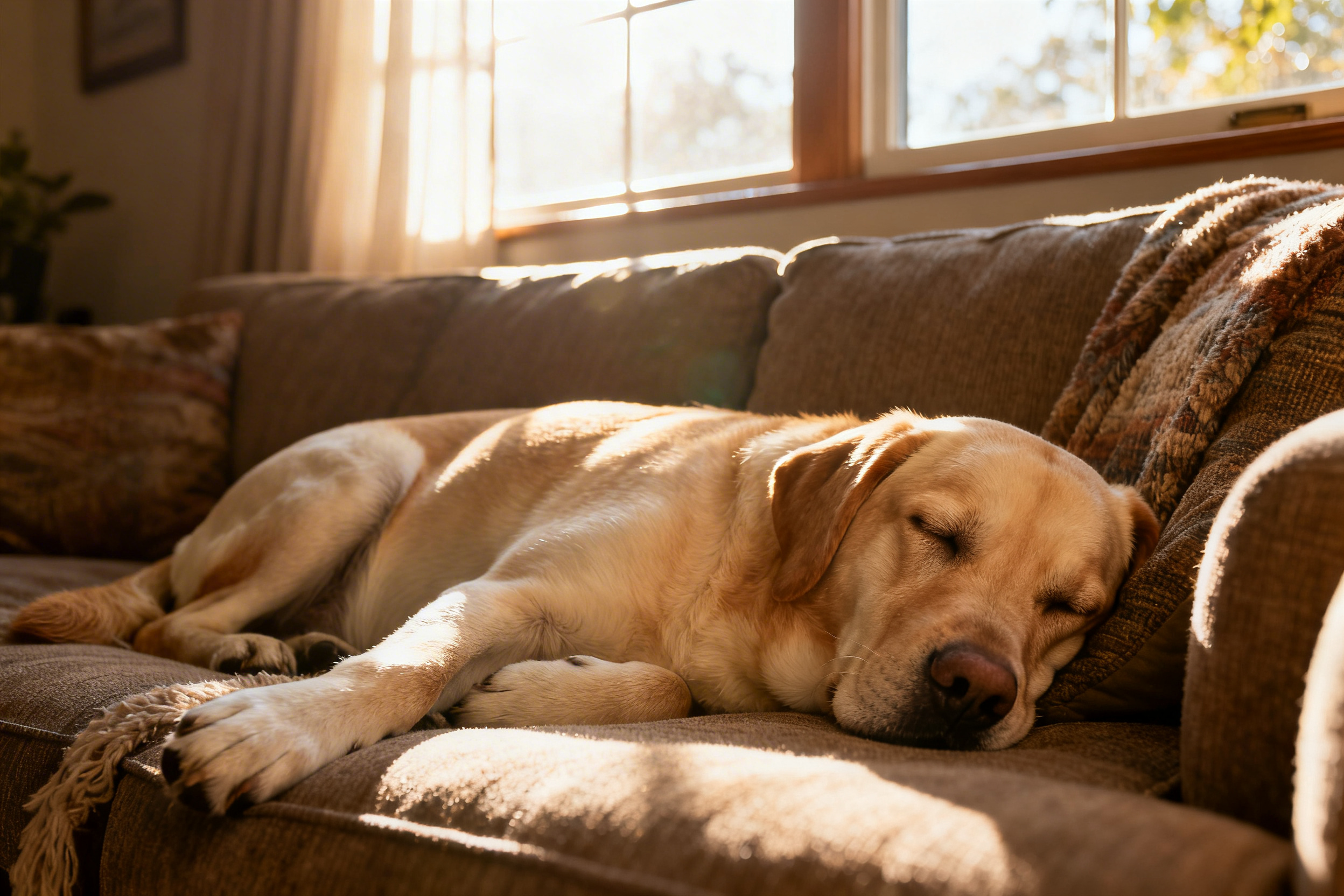
When Max started ricocheting off the living room furniture at 10 PM for the third night in a row, Sarah realized her usual evening routine wasn’t working. Like countless dog owners searching for how to calm down a hyper dog, she had tried the standard advice—long walks, fetch sessions, and chew toys—yet her two-year-old Border Collie remained in a state of perpetual motion, unable to settle even when the household was ready for sleep.
The reality is that canine hyperactivity stems from multiple sources, and effective calming requires a multifaceted approach. Whether you’re dealing with a puppy experiencing evening zoomies or an adult dog with chronic over-arousal, understanding the root causes transforms frustration into actionable solutions. This comprehensive guide explores evidence-based strategies to help your furry friend find their inner peace, from physical outlets and mental enrichment to addressing underlying health conditions like allergies that may be driving restless behavior.
Understanding the Root Causes of Canine Hyperactivity
Before implementing calming techniques, it’s crucial to distinguish between normal high energy and problematic hyperactivity. High-energy dog breeds like Australian Shepherds, Jack Russell Terriers, and Belgian Malinois naturally require more stimulation than laid-back breeds. However, when a dog cannot settle even after adequate exercise, the issue often extends beyond simple energy surplus.
Physical discomfort ranks among the most overlooked triggers for restless behavior. Dogs experiencing skin irritation, digestive upset, or allergic reactions often pace, scratch, or exhibit nervous energy because they cannot get comfortable. Similarly, anxiety—whether from separation distress, noise phobias, or environmental changes—manifests as hyperactive behavior as the dog attempts to cope with internal stress.
Age plays a significant factor in energy management. Adolescent dogs between six months and two years frequently experience intensity spikes due to hormonal changes and developing impulse control. Senior dogs showing newfound hyperactivity may actually be experiencing cognitive dysfunction or pain that prevents restful sleep.
The Exercise Paradox: Quality Over Quantity
Contrary to popular belief, simply extending walk duration rarely solves chronic hyperactivity. Many owners inadvertently create canine athletes who require increasingly extreme exercise to feel satisfied. Instead, focus on exercise that challenges both body and brain.
Structured aerobic activities like swimming, bikejoring, or agility training burn energy more effectively than leisurely strolls. These activities engage multiple muscle groups and require focus, providing the dual benefit of physical fatigue and mental engagement. Aim for 20-30 minutes of high-intensity exercise rather than two hours of low-impact walking.
Anaerobic burst exercises prove particularly effective for high-energy breeds. Flirt pole sessions, sprint games, or fetch with directional changes allow dogs to express natural prey drive in controlled bursts. These activities mimic the natural hunting cycle of chase-catch-rest, helping regulate arousal levels more effectively than steady-state cardio alone.
However, timing matters significantly. Exercise immediately before bedtime can leave some dogs physiologically aroused for hours. Schedule vigorous activity at least three hours before you want your dog to settle, allowing their cortisol levels to decrease naturally.
Mental Stimulation: The Missing Piece
Physical exhaustion without mental engagement often creates a “tired but wired” dog who cannot settle. Mental stimulation games for dogs frequently prove more effective than additional walking for achieving calm behavior.
Scent work offers exceptional calming benefits because sniffing naturally lowers heart rate and blood pressure. Hide treats around your home or yard, teaching your dog to use their nose methodically. Start with obvious locations, gradually increasing difficulty as your dog develops search skills. Fifteen minutes of nose work often equals an hour of physical exercise in terms of fatigue.
Enrichment feeding replaces traditional bowl meals with puzzle feeders, frozen Kongs, or snuffle mats. These tools extend mealtime from two minutes to twenty, forcing dogs to problem-solve and work for their nutrition. The licking and chewing actions involved also trigger parasympathetic nervous system responses, promoting relaxation.
Training sessions focused on impulse control build emotional regulation skills. Teach “place” or “settle” commands using positive reinforcement, rewarding relaxed body posture rather than just compliance. Mat training, where the dog learns that a specific blanket or bed represents relaxation time, creates a portable calm cue you can use anywhere.
When Allergies Create Restlessness
One frequently overlooked source of hyperactivity lies in allergic reactions. Dogs suffering from environmental or food allergies experience chronic discomfort—itchy skin, irritated ears, or digestive distress—that prevents restful relaxation. Rather than settling into sleep, these dogs pace, scratch, or engage in repetitive behaviors seeking relief from internal irritation.
The immune response triggered by allergies also elevates inflammatory markers throughout the body, potentially affecting brain chemistry and stress responses. Addressing underlying allergic conditions often results in dramatic behavioral improvements as the dog finally achieves physical comfort.
For dogs exhibiting allergy symptoms alongside hyperactive tendencies, immune support supplements can provide relief. ROROCA Allergy Chews offer a comprehensive approach to soothing allergic discomfort that may be driving restless behavior. These veterinary-formulated chews contain a Probiotic Blend (6-strain) to support gut health and immune regulation, Salmon Oil rich in omega-3 fatty acids to reduce skin inflammation, and Licorice Root Extract which provides natural cortisol support. Additionally, Curcuma Longa Extract (Turmeric) offers potent anti-inflammatory properties while Echinacea Extract strengthens immune responses against environmental triggers.
By addressing the root cause of allergic discomfort, many owners report their dogs naturally transition into calmer states, finally able to relax without the distraction of persistent itching or gastrointestinal upset.
Environmental Management for Calm
Your home environment significantly impacts your dog’s ability to self-regulate. Creating dedicated calm zones teaches dogs that relaxation is possible and encouraged.
Designate a specific area—whether a crate, corner, or separate room—as the “calm zone.” This space should feature comfortable bedding, dim lighting, and sound dampening. Use white noise machines or calming music specifically composed for dogs to mask triggering external sounds like traffic or neighborhood activity.
Pheromone diffusers mimic the calming chemicals mother dogs produce, potentially reducing anxiety-related hyperactivity. While not effective for every dog, many owners notice decreased pacing and vocalization when diffusers are placed in primary living areas.
Establish consistent routines that signal transition times. Predictable schedules for feeding, exercise, and rest help regulate circadian rhythms. Implement a “wind-down” routine thirty minutes before bedtime: dim lights, lower voices, and offer a high-value chew item in the designated calm zone.
Training Protocols for Long-Term Success
Sustainable calmness requires teaching dogs self-regulation skills rather than merely exhausting them daily. Capturing calmness—rewarding relaxed behavior whenever it occurs—teaches dogs that settling pays off. Carry treats and quietly reward your dog when they choose to lie down spontaneously or rest quietly.
The “Relaxation Protocol” developed by veterinary behaviorist Dr. Karen Overall provides a structured program for teaching dogs to maintain calm despite distractions. This fifteen-day protocol gradually introduces triggers while the dog maintains a down-stay position, building emotional resilience.
For dogs who become hyper-aroused during greetings or exciting situations, teach an alternative behavior incompatible with jumping or spinning. A solid “touch” command (nose targeting your hand) or “find it” cue (searching for tossed treats) redirects energy into acceptable outlets.
Consistency across household members proves essential. If one family member encourages excited behavior while another demands calmness, the dog receives mixed signals. Establish house rules regarding play intensity and greeting behaviors that everyone follows uniformly.
Frequently Asked Questions
Why is my dog hyperactive only at night?
Evening hyperactivity often stems from inadequate mental stimulation during the day or inconsistent routines. Some dogs also experience anxiety as light fades, or they may have learned that evening hours predict exciting family activities. Ensure your dog receives mental enrichment throughout the day and establish a consistent pre-bedtime wind-down routine.
Can food allergies cause hyperactivity in dogs?
Yes, while food allergies typically manifest as skin or digestive issues, the discomfort and immune response can trigger restlessness. Dogs experiencing allergic itching may pace or have trouble settling. Additionally, certain food additives or high-sugar diets may contribute to energy spikes. If you suspect signs your dog has allergies, consult your veterinarian about elimination diets.
How much exercise does a hyper dog actually need?
Requirements vary significantly by breed, age, and individual temperament. Working breeds typically need 1-2 hours of combined physical and mental activity daily. However, focus on intensity and variety rather than just duration. Twenty minutes of focused training or scent work often proves more calming than an hour of unstructured backyard time.
Are calming treats safe for daily use?
Most natural calming supplements containing ingredients like L-theanine, chamomile, or casein are safe for daily administration. However, treats addressing underlying allergies—like those supporting immune function—address root causes rather than merely sedating. Always verify ingredients with your veterinarian, especially if your dog takes other medications.
Can undiagnosed pain cause hyperactivity?
Absolutely. Dogs experiencing orthopedic pain, dental issues, or gastrointestinal discomfort often display restless behavior. They may pace, have difficulty finding comfortable positions, or resist settling. Senior dogs showing new hyperactivity particularly warrant veterinary examination for arthritis, cognitive dysfunction, or sensory decline.
What’s the fastest way to calm a dog during a zoomies episode?
Zoomies (FRAPs – Frenetic Random Activity Periods) are normal releases of energy, but if you need to interrupt them for safety, avoid chasing. Instead, scatter a handful of treats on the ground to engage the seeking system, or calmly guide your dog to their crate or mat using a high-value treat. Once the immediate burst passes, offer a long-lasting chew to help them transition to relaxation.
Conclusion
Learning how to calm down a hyper dog requires patience, consistency, and detective work to identify underlying causes. While exercise and training form the foundation of behavior management, don’t overlook physical health factors like allergies that may be preventing your dog from finding comfort.
By combining appropriate physical outlets, mental enrichment, environmental management, and addressing potential health issues with solutions like ROROCA Allergy Chews, you create conditions where calm behavior becomes your dog’s default state. Remember that behavioral changes take time—celebrate small victories as your dog learns to regulate their energy. If hyperactivity persists despite these interventions, consult with a veterinary behaviorist to rule out medical conditions and develop a customized behavior modification plan tailored to your dog’s specific needs.
Leave a Reply