
Your cart is currently empty!
How to Help Dog Allergies: Building a Proactive Defense System, Not Just Reacting to Flares

·
Watching your dog constantly scratch, lick their paws, or shake their head is more than frustrating—it’s a sign their body is in a state of distress. For many pet parents, the quest for relief feels like a reactive cycle of treating flare-ups. But true wellness comes from proactive management. Learning how to help dog allergies effectively means shifting from a reactive to a proactive strategy, building your dog’s resilience from the inside out and minimizing exposure from the outside in. This comprehensive playbook outlines the essential layers of a modern, holistic allergy management plan.
The Proactive Mindset: Understanding the Allergy “Bucket”
Veterinary dermatologists often use the “allergy bucket” analogy. Every dog has a genetic “bucket.” Allergens (pollen, food proteins, dust) fill it. When the bucket overflows, symptoms appear. The goal of learning how to help dog allergies isn’t to create an empty bucket—that’s impossible—but to keep it from overflowing by reducing inputs and increasing the bucket’s size (immune tolerance).
Your management plan should address both sides of this equation.

Layer 1: Environmental Allergen Reduction – Limiting the “Input”
Before internal interventions, reduce what you can control in your dog’s environment. This is a foundational step in how to help dog allergies.
- The Post-Walk Ritual: Wipe down your dog’s paws, belly, and coat with a damp cloth or hypoallergenic pet wipe after every outdoor excursion. This physically removes pollen and mold spores.
- Bedding & Laundry: Wash your dog’s bedding in hot water weekly. Consider using dust mite-proof covers if mites are a known trigger.
- Air Quality Control: Use a HEPA air purifier in the rooms where your dog spends the most time, especially the bedroom. Regularly replace HVAC filters.
- Bathing Protocol: A weekly bath with a gentle, soothing shampoo (like colloidal oatmeal or aloe vera) can wash away surface allergens and soothe inflamed skin. A final rinse with diluted apple cider vinegar can help restore the skin’s natural acidic pH barrier.
Layer 2: Nutritional & Gut Health Support – Expanding the “Bucket”
Over 70% of the immune system resides in the gut. A healthy gut microbiome is crucial for a balanced immune response.
- Diet as Foundation: Feed a high-quality, digestible diet. For some dogs, a limited-ingredient or novel protein diet (e.g., salmon, venison) may be necessary if food sensitivities are suspected. Always consult your vet for a proper elimination diet trial.
-
The Power of Targeted Supplementation: This is where functional ingredients play a critical role in a plan for how to help dog allergies. A daily supplement designed for allergies can provide consistent support:
- Omega-3 Fatty Acids (from Salmon Oil): Are potent natural anti-inflammatories that help calm skin irritation and support a healthy coat.
- Probiotics: A special 6-strain probiotic mixture helps promote a healthy gut microbiome, which is crucial for proper immune function and can help the body better tolerate environmental allergens.
- Herbal Support: Ingredients like Licorice root extract and Curcuma longa (Turmeric) extract offer natural anti-inflammatory properties, while Echinacea extract and Astragalus P.E. work to support and modulate the immune system.
- Enzymatic Help: Bromelain is an enzyme that can help break down proteins and has natural anti-inflammatory effects.
- Antioxidant Boost: Vitamin C supports the immune system and acts as a natural antihistamine.
Layer 3: Identify Patterns & Partner with Your Vet – The Strategic Layer
- Keep an Allergy Journal: Note when symptoms worsen (specific seasons, after certain walks, after meals). This data is invaluable for you and your veterinarian.
- Veterinary Diagnosis is Key: Your vet can rule out other issues (parasites, infections) and may recommend diagnostics like skin or blood tests to identify specific allergens. They are your essential partner in determining how to help dog allergies in your specific case.
- Explore Advanced Options: For severe cases, your vet may discuss allergen-specific immunotherapy (allergy shots or oral drops) which can “retrain” the immune system.
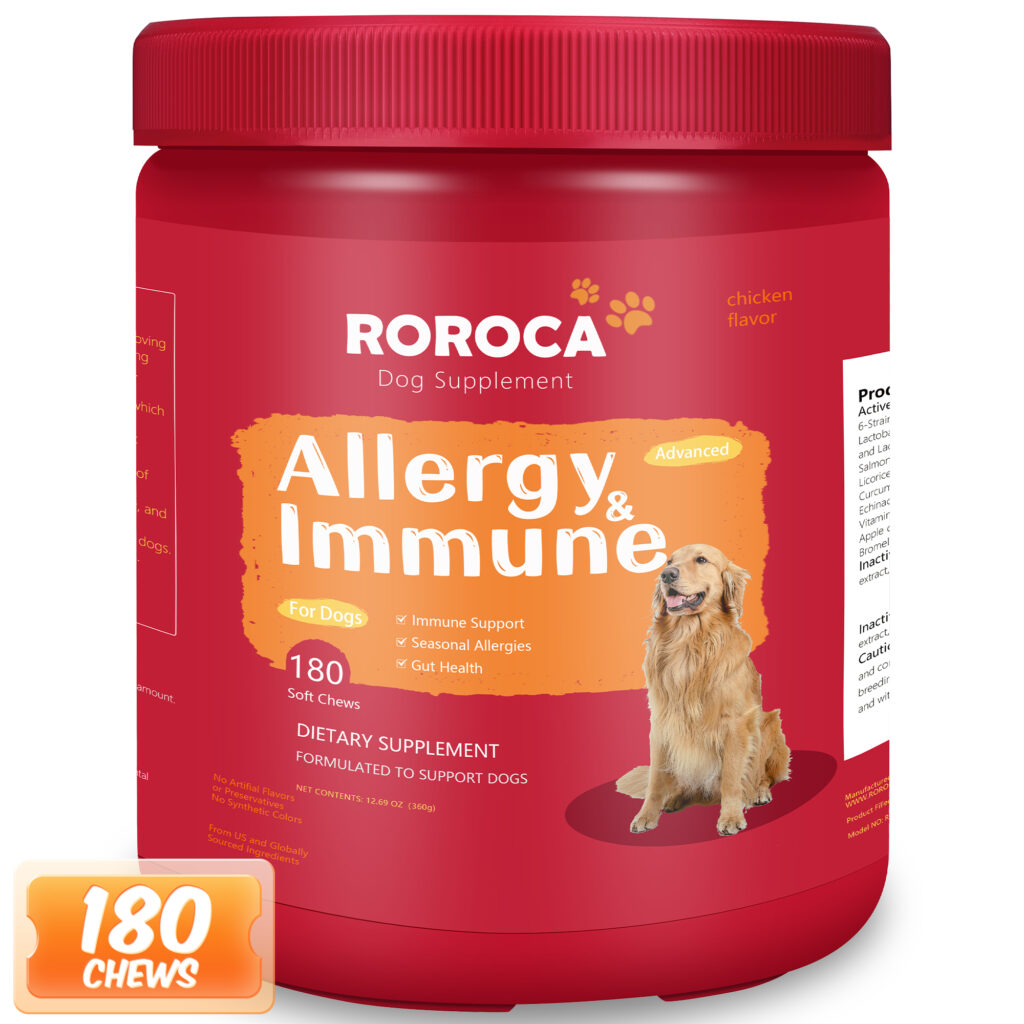
Putting It All Together: ROROCA Allergy Seasonal Action Plan
Here’s how these layers combine throughout the year:
Spring (High Pollen):
- Environment: Increase wipe-downs; run air purifiers constantly.
- Supplementation: Begin or consistently give a daily allergy support chew. The immune-boosting properties of ingredients like Echinacea and Astragalus are particularly valuable here.
- Lifestyle: Avoid walks during high pollen count times (early morning).
Summer (Grass Pollen & Heat):
- Environment: Continue baths; ensure living areas are cool to reduce heat-induced itching.
- Supplementation: Maintain daily support to manage ongoing exposure.
- Lifestyle: Rinse off after swimming (chlorine/pool chemicals can be irritating).
Fall (Weeds & Mold):
- Environment: Keep yard clear of fallen leaves where mold grows.
- Supplementation: Continue support; this is a key season for many dogs.
- Lifestyle: Be mindful of damp, leafy areas on walks.
Winter (Dry Air & Indoor Allergens):
- Environment: Use a humidifier to combat dry air. Deep clean indoor spaces.
- Supplementation: Maintain gut and immune health support year-round. The probiotic-enhanced formula supports overall health even when seasonal allergens are lower.
- Nutrition: Ensure adequate omega-3 intake to support skin moisture.
What to Avoid: Common Mistakes in Trying to Help
- Over-Bathing: Can strip essential oils and worsen skin dryness.
- Self-Prescribing Human Meds: Many human allergy medications (especially certain decongestants) are toxic to dogs. Only use under direct vet guidance.
- Ignoring the Gut: Focusing only on skin or external treatments misses a major component of the immune system.
- Giving Up Too Soon: Dietary and supplement changes often require 6-12 weeks to show full effect. Consistency is critical.
Conclusion: Empowerment Through Consistent, Layered Care
Understanding how to help dog allergies is about embracing a multi-faceted, proactive lifestyle for your dog. It combines smart environmental control, foundational nutrition, and consistent internal support for the immune system and skin barrier. By layering these strategies—using daily wipes, investing in air quality, and providing targeted nutritional support with ingredients like Salmon Oil, Probiotics, and Licorice root extract—you move from simply putting out fires to actively building your dog’s defenses. This shift allows your dog to live more comfortably, with reduced itching and sneezing, so they can focus on enjoying life, regardless of the season. Start by consulting your vet to build your personalized plan, and commit to the daily habits that make lasting relief possible.