
Your cart is currently empty!
How to Know If Dog Has Allergies: Signs & Solutions

·
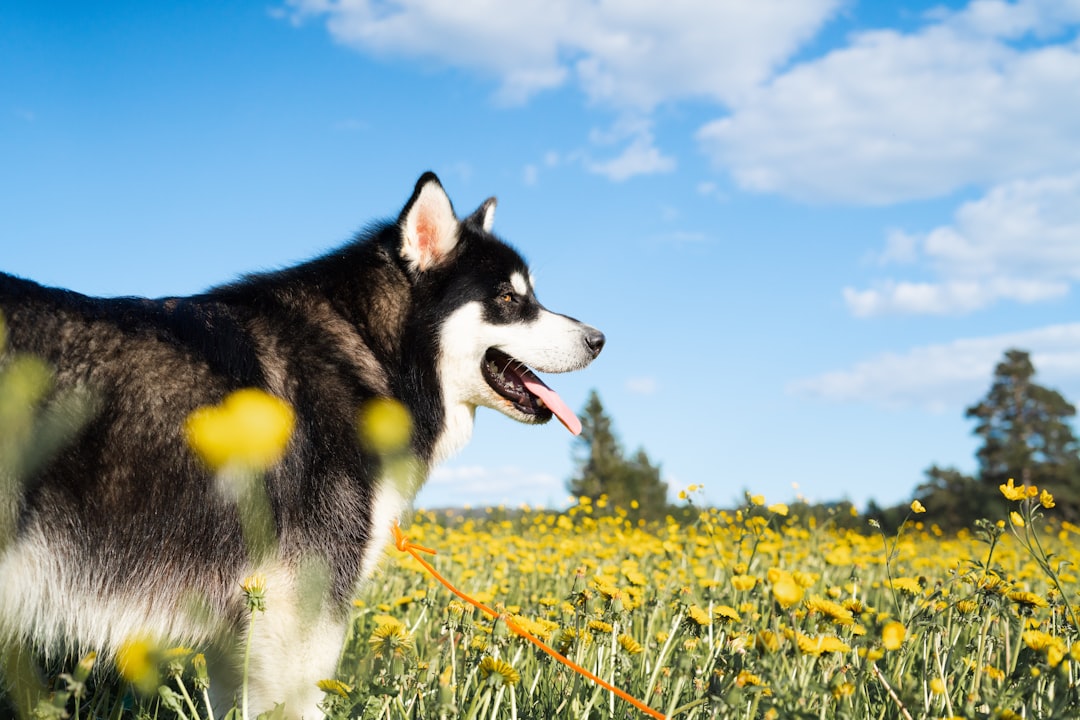
How to Know If Dog Has Allergies: Signs & Solutions
As a dog owner, seeing your furry friend uncomfortable is heartbreaking. You might notice them scratching more than usual or licking their paws obsessively. Many pet parents ask us how to know if dog has allergies because the symptoms can often mimic other health issues. Understanding the signs early can prevent serious discomfort and improve your dog’s quality of life.
Allergies in dogs are increasingly common, affecting canines of all breeds and ages. Whether triggered by food, environmental factors, or pests, allergic reactions manifest primarily through skin and digestive issues. This comprehensive guide will walk you through the common symptoms, types of allergies, and effective management strategies, including natural solutions like ROROCA Allergy Relief Soft Chews.
We will explore expert veterinary insights to help you identify potential problems. Remember, while this guide provides valuable information, consulting your veterinarian is essential for a proper diagnosis. Let’s dive into how you can support your dog’s health and wellness journey.
Common Signs to Know If Dog Has Allergies
Identifying allergic reactions starts with observing your dog’s behavior and physical condition. Symptoms can range from mild irritation to severe inflammation. Knowing what to look for is the first step in understanding how to know if dog has allergies affecting your pet.
Skin Irritations and Itching
The most prevalent sign of allergies in dogs is skin irritation. Unlike humans who often sneeze or have watery eyes, dogs typically react dermatologically. You may notice:
- Excessive scratching, biting, or licking of the skin
- Red, inflamed patches known as hot spots
- Recurrent ear infections with dark wax or odor
- Hair loss or thinning fur in specific areas
- Darkened or thickened skin from chronic scratching
Pay close attention to your dog’s paws. If they are constantly chewing between their toes, it is a classic indicator of an allergic response. This behavior, known as pododermatitis, often signals environmental or food sensitivities.
Digestive Issues
While skin problems are common, digestive disturbances are also key indicators when learning how to know if dog has allergies related to diet. Food allergies often present through the gastrointestinal tract. Watch for:
- Chronic diarrhea or loose stools
- Frequent vomiting unrelated to other illnesses
- Excessive gas or bloating
- Changes in bowel movement frequency
These symptoms suggest your dog’s immune system is reacting to a specific ingredient in their food. Gut health plays a massive role in overall immunity, which is why supporting digestion is crucial for allergy management.
Respiratory Symptoms
Although less common than skin issues, some dogs exhibit respiratory signs similar to human hay fever. These symptoms may include:
- Sneezing or coughing
- Watery or red eyes
- Nasal discharge
- Wheezing or difficulty breathing
If you notice these signs alongside skin irritation, it strengthens the likelihood of an environmental allergy, such as pollen or dust mites. Always monitor your dog closely during seasonal changes when allergens are high.
Types of Allergies in Dogs
To effectively manage your pet’s condition, you must understand the underlying cause. There are three primary categories of allergies that affect dogs. Each requires a slightly different approach to diagnosis and treatment.
Food Allergies
Food allergies occur when a dog’s immune system reacts to a specific protein or ingredient. Common culprits include beef, dairy, chicken, wheat, and soy. Unlike food intolerances, which cause digestive upset, true food allergies trigger an immune response. Diagnosing this often requires an elimination diet supervised by a vet. During this process, supporting gut health with a Probiotic Blend can help maintain balance while identifying triggers.
Environmental Allergies (Atopy)
Environmental allergies, or atopic dermatitis, are reactions to airborne substances. These include pollen, mold spores, dust mites, and grass. These allergies are often seasonal, flaring up during spring or fall. Dogs with atopy may need year-round management to keep symptoms at bay. Anti-inflammatory ingredients like Licorice Root Extract and Curcuma Longa Extract (Turmeric) can provide natural support during these periods.
Flea Allergy Dermatitis
Some dogs are highly sensitive to flea saliva. Even a single flea bite can trigger intense itching and inflammation. This condition is known as Flea Allergy Dermatitis (FAD). Prevention is key, involving regular flea control treatments. However, soothing the skin after a reaction is also important to prevent secondary infections.
How to Diagnose Allergies in Your Dog
Figuring out how to know if dog has allergies definitively requires professional input. Home observations are valuable, but a veterinarian can rule out other conditions like mange, thyroid issues, or bacterial infections.
Veterinary Consultation
Your vet will perform a physical exam and review your dog’s medical history. They may recommend skin scrapings to check for parasites or cytology to identify yeast or bacteria. In some cases, blood tests or intradermal skin testing are used to pinpoint specific environmental allergens.
Elimination Diet Trial
For suspected food allergies, an elimination diet is the gold standard. This involves feeding your dog a novel protein source they have never eaten before for 8 to 12 weeks. No treats or table scraps are allowed during this period. If symptoms improve, ingredients are reintroduced one by one to identify the trigger. Throughout this process, maintaining immune support is vital.
Managing Dog Allergies Naturally
Once you identify the issue, management focuses on reducing exposure and supporting the body’s natural defenses. While medications like steroids exist, many owners prefer natural approaches to avoid side effects. This is where wellness supplements play a significant role.
Natural Relief Solutions
Supporting your dog’s immune system and skin health can reduce the severity of allergic reactions. High-quality supplements can provide the nutrients needed to combat inflammation and promote healing. This is where ROROCA Allergy Relief Soft Chews become a valuable part of your pet’s routine.
Formulated specifically for canine wellness, ROROCA Allergy Relief Soft Chews offer a comprehensive approach to allergy management. Each chew is packed with beneficial ingredients designed to support your dog from the inside out. The 180 count value pack ensures you have a consistent supply for long-term support.
Key ingredients include a 6-strain Probiotic Blend which supports gut health and immune function. A healthy gut is essential for regulating immune responses to allergens. Additionally, Salmon Oil provides Omega-3 fatty acids that promote healthy skin and a shiny coat, reducing dryness and itching.
To address inflammation naturally, the formula includes Licorice Root Extract and Curcuma Longa Extract (Turmeric). These powerful botanicals help soothe irritated skin and reduce swelling without harsh chemicals. Echinacea Extract is also included to further bolster immune health. By combining these elements, ROROCA provides a holistic solution for pet parents looking to improve their dog’s comfort.
For more information on our commitment to quality and safety, you can learn more about our trusted pet wellness brand. We prioritize natural ingredients that make a real difference in your pet’s life.
Environmental Management
Beyond supplements, reducing allergen exposure is crucial. Regular bathing with hypoallergenic shampoos can wash away pollen and dust from your dog’s coat. Washing bedding frequently in hot water kills dust mites. Using air purifiers in your home can also reduce airborne allergens.
If you have questions about specific products or need guidance on usage, feel free to contact our customer support team. We are here to help you navigate your dog’s wellness journey.
Frequently Asked Questions
What are the first signs to know if dog has allergies?
The first signs usually involve skin irritation. Look for excessive scratching, licking of paws, redness around the ears, or recurrent ear infections. Digestive issues like vomiting or diarrhea can also be early indicators of food allergies.
Can dog allergies go away on their own?
Allergies are typically chronic conditions that do not go away completely. However, symptoms can be managed effectively with proper diet, environmental control, and supplements. Some puppies may outgrow certain sensitivities, but most require ongoing management.
What food causes most dog allergies?
Common allergens include beef, dairy, chicken, wheat, egg, and soy. Proteins are the most common trigger because the immune system reacts to specific protein structures. Novel proteins like duck or venison are often used in elimination diets.
How do vets test for dog allergies?
Vets may use intradermal skin testing or blood tests (serum IgE tests) to identify environmental allergens. For food allergies, an elimination diet trial is the most reliable method. Skin scrapings are used to rule out parasites.
Are there natural remedies for dog allergies?
Yes, natural remedies include Omega-3 supplements, probiotics, and herbal extracts like turmeric and licorice root. Products like ROROCA Allergy Relief Soft Chews combine these ingredients to support natural relief. Always consult your vet before starting new supplements.
Why is gut health important for dog allergies?
A significant portion of the immune system resides in the gut. A balanced microbiome helps regulate immune responses and reduces inflammation. Probiotics support this balance, making them essential for dogs with allergic conditions.
When should I see a vet for my dog’s allergies?
You should see a vet if symptoms are severe, persistent, or affecting your dog’s quality of life. Signs like open sores, severe hair loss, or difficulty breathing require immediate attention. Early intervention prevents secondary infections.
Conclusion
Understanding how to know if dog has allergies empowers you to take action before discomfort becomes severe. By recognizing symptoms like itching, digestive issues, and respiratory problems, you can seek help early. While veterinary diagnosis is crucial, natural management strategies play a huge role in long-term wellness.
Incorporating high-quality supplements like ROROCA Allergy Relief Soft Chews can provide the nutritional support your dog needs. With key ingredients like the 6-strain probiotic blend, Salmon Oil, and anti-inflammatory botanicals, you can help soothe their skin and support their immune system naturally. Remember to maintain a clean environment and work closely with your vet.
For more resources on pet health and wellness, we invite you to visit the ROROCA homepage. Your dog deserves to live a happy, itch-free life, and with the right care, that is entirely possible.
Leave a Reply