
Your cart is currently empty!

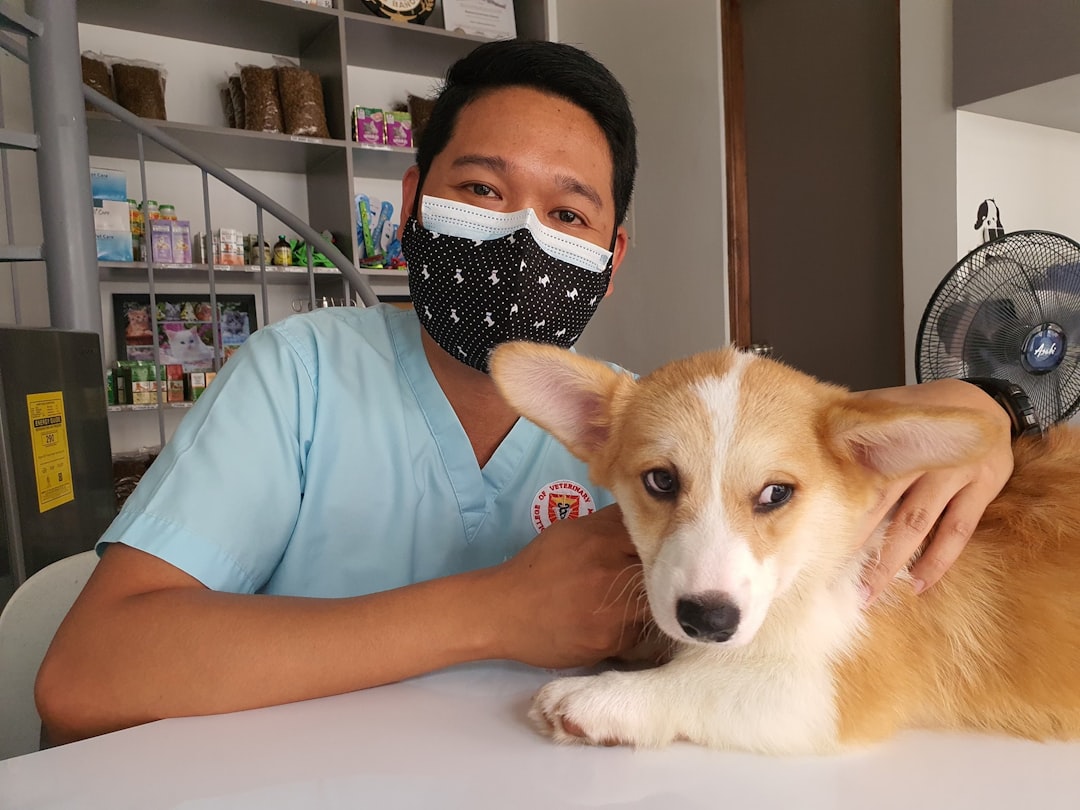
As a devoted dog parent, watching your furry companion suffer from constant itching, red skin, or digestive upset can feel heartbreaking. You might find yourself wondering at 2 AM while they scratch relentlessly: how to know if my dog has allergies versus a temporary irritation? You’re not alone in this concern. Canine allergies affect millions of dogs worldwide, yet many pet owners struggle to recognize the early warning signs before secondary infections develop.
This comprehensive 2026 guide will walk you through the subtle and obvious indicators of allergic reactions in dogs, explain the diagnostic process veterinarians use, and provide actionable steps to help your pup find relief. Whether you’re dealing with seasonal scratching or year-round discomfort, understanding these symptoms is the first step toward restoring your dog’s quality of life.
Common Signs: How to Know If My Dog Has Allergies
Recognizing common dog allergy symptoms requires observing patterns in your dog’s behavior and physical condition. Unlike humans who primarily sneeze and wheeze, dogs typically manifest allergies through their skin and coat. The key is distinguishing between normal occasional scratching and chronic allergic responses.
Skin and Coat Indicators
The most prevalent sign of canine allergies involves dermatological changes. Watch for excessive licking, particularly of the paws, which often appears as brownish-red staining on light-colored fur. Your dog may rub their face against furniture or carpet, scratch behind their ears until raw, or develop hot spots—moist, red, intensely irritated patches that seem to appear overnight.
Chronic ear infections represent another major red flag. If you’re cleaning your dog’s ears weekly or noticing foul odors, dark discharge, or head shaking, allergies may be the underlying culprit. Many dogs with environmental or food sensitivities develop otitis externa repeatedly, requiring veterinary intervention.
Digestive Distress Signals
While less common than skin reactions, gastrointestinal symptoms can indicate food allergies in dogs. Chronic loose stools, vomiting unrelated to dietary indiscretion, or excessive flatulence warrant investigation. Some dogs develop increased bowel movements—going three to four times daily rather than the typical twice-daily routine.
Respiratory and Behavioral Changes
Though rarer in dogs than cats, respiratory symptoms include reverse sneezing, clear nasal discharge, or watery eyes. Behavioral changes such as restlessness, difficulty sleeping, or agitation often accompany physical discomfort, particularly when itching intensifies at night.
Types of Allergies Affecting Dogs in 2026
Understanding the specific category of allergy helps determine the most effective management strategy. Veterinary immunology has advanced significantly, allowing for more precise categorization of hypersensitivity reactions in companion animals.
Environmental Allergens (Atopy)
Atopic dermatitis, triggered by environmental substances like pollen, dust mites, mold spores, and grass, affects approximately 10-15% of the canine population. These dogs often show seasonal patterns, flaring during spring and fall when pollen counts rise. However, indoor allergens like dust mites can cause year-round suffering. Breeds predisposed to atopy include Golden Retrievers, Bulldogs, and West Highland White Terriers, though any dog can develop these sensitivities.
Food Hypersensitivities
True food allergies involve an immune response to specific proteins—commonly beef, dairy, chicken, wheat, or lamb. Unlike food intolerance (which causes digestive upset only), food allergies trigger immune-mediated reactions including hives, facial swelling, or severe itching. Veterinary studies indicate that food allergies account for roughly 10% of all allergy cases in dogs, often developing after years of eating the same diet without issues.
Flea Allergy Dermatitis (FAD)
Even a single flea bite can trigger intense reactions in hypersensitive dogs. FAD represents the most common dermatologic disease in veterinary practice. Dogs with this condition will chew their tail base, inner thighs, and groin area obsessively. Prevention remains critical, as rigorous flea control often eliminates symptoms entirely without additional medication.
Contact Allergies
Less common but equally uncomfortable, contact allergies occur when skin touches irritants like certain shampoos, synthetic fabrics, cleaning products, or specific plants. These typically cause localized reactions—redness and itching only where contact occurred, such as the belly or paws.
Veterinary Diagnostic Methods: Confirming Suspicions
While observation helps pet parents identify potential problems, definitive diagnosis requires professional evaluation. Understanding dog allergy treatments begins with knowing exactly what triggers the reaction.
The Elimination Diet Trial
For suspected food allergies, veterinarians recommend an 8-12 week elimination diet using novel proteins (kangaroo, rabbit, or hydrolyzed formulas) the dog has never consumed. During this period, absolutely no treats, table scraps, or flavored medications can be given. If symptoms resolve and return upon rechallenge with the original diet, food allergy is confirmed.
Intradermal Skin Testing
Considered the gold standard for environmental allergies, intradermal testing involves injecting small amounts of common allergens into shaved skin and measuring wheal reactions. This test requires sedation and must be performed by a veterinary dermatologist, but provides precise information about which pollens, molds, or dust mites trigger reactions.
Serum Allergy Testing
Blood tests measuring IgE antibodies against specific allergens offer a less invasive alternative, though slightly less accurate than skin testing. These help identify environmental triggers when skin testing isn’t feasible, and results guide immunotherapy formulation.
Ruling Out Other Conditions
Before confirming allergies, veterinarians must exclude mite infestations (scabies or demodex), fungal infections, hormonal imbalances (hypothyroidism or Cushing’s disease), and autoimmune disorders. Skin scrapings, fungal cultures, and blood work ensure appropriate treatment.
Immediate Relief and Long-Term Management Strategies
Once you understand how to know if my dog has allergies, the focus shifts to improving comfort while addressing root causes. Modern allergy management combines pharmaceutical interventions, environmental modifications, and nutritional support.
For immediate symptom relief, veterinarians may prescribe corticosteroids, Apoquel (oclacitinib), or Cytopoint injections to break the itch-scratch cycle. However, long-term management often requires additional support. Many pet parents are turning to natural supplements that modulate immune responses rather than merely suppressing symptoms.
ROROCA Allergy Chews represent a scientifically formulated option containing a 6-strain Probiotic Blend to support gut health and immune regulation, Salmon Oil rich in omega-3 fatty acids for anti-inflammatory effects, and botanical extracts including Licorice Root Extract, Curcuma Longa Extract (Turmeric), and Echinacea Extract. These ingredients work synergistically to help maintain normal histamine levels and support skin barrier function, making them an excellent adjunct to veterinary care for dogs with chronic allergies.
Environmental controls include HEPA air purifiers, weekly hot water washing of bedding (130°F to kill dust mites), and wiping paws with damp cloths after outdoor exposure to remove pollen. For food allergies, strict adherence to hypoallergenic diets prevents flare-ups.
Emergency Warning Signs: When to Seek Immediate Care
While most allergic reactions cause discomfort rather than danger, certain symptoms constitute medical emergencies. Facial swelling, especially around the eyes and muzzle, can indicate angioedema—a potentially life-threatening reaction. Difficulty breathing, collapse, or widespread hives require immediate emergency veterinary attention.
Secondary skin infections, characterized by pus, foul odor, or fever, also demand prompt treatment. Chronic ear infections that progress to head tilting or loss of balance may indicate middle ear involvement requiring aggressive intervention.
Frequently Asked Questions About Identifying Dog Allergies
How can I tell if my dog has allergies or just dry skin?
Dry skin typically presents as flaky dandruff without intense itching or inflammation. Allergic skin often appears red, moist, or thickened with secondary infections. If your dog scratches until breaking skin or develops ear infections alongside coat issues, allergies are more likely than simple dryness.
What does a dog allergy look like compared to mange?
Mange (caused by mites) usually creates patchy hair loss with scaly skin, often starting on the face or feet. Allergies typically cause more generalized itching with intact hair initially, though chronic scratching eventually causes hair loss. A skin scraping performed by your veterinarian definitively differentiates these conditions.
How long does it take to know if my dog has allergies to food?
Food allergy symptoms generally improve within 8-12 weeks of starting a strict elimination diet, though some dogs show improvement in as little as 4-6 weeks. The key is absolute dietary compliance—no treats, dental chews, or flavored medications during the trial period.
Can I test my dog for allergies at home?
While several companies market at-home allergy test kits using saliva or hair analysis, veterinary dermatologists caution that these lack scientific validation. The only reliable diagnostic methods remain veterinary-supervised elimination diets for food allergies and intradermal skin testing or serum IgE testing for environmental allergies.
What’s the difference between seasonal and year-round dog allergies?
Seasonal allergies flare during specific months (typically spring and fall) when pollen, grass, or tree allergens peak. Year-round symptoms suggest indoor allergens like dust mites, mold, or food sensitivities. Keeping a symptom diary helps identify patterns and guides treatment decisions.
How do I know if my dog’s itching is allergy-related or behavioral?
Behavioral itching (psychogenic alopecia) often occurs when dogs are bored or anxious, without underlying skin inflammation. Allergic itching involves actual skin changes—redness, rash, or infection. Additionally, allergic dogs typically scratch specific areas (paws, ears, groin) rather than random spots, and the behavior persists despite increased exercise or mental stimulation.
Leave a Reply