
Your cart is currently empty!

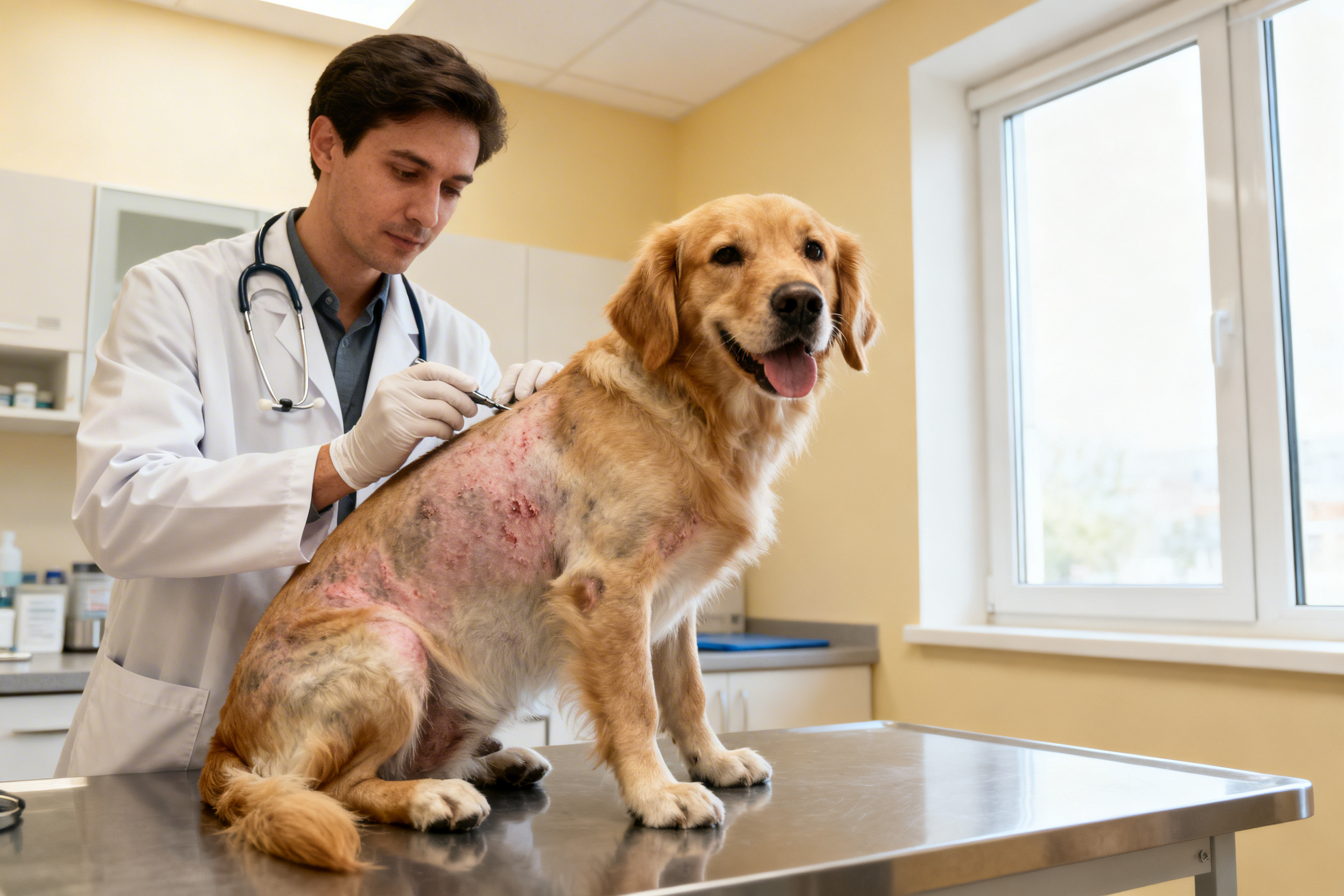
As a dog parent, watching your pup suffer from relentless itching, red skin, or constant paw-licking is heartbreaking—especially when it happens in the middle of the night or right before a weekend when your vet’s office is closed. You’re not alone in searching for how to stop dog allergies immediately; millions of pet owners face this urgent dilemma every year.
While chronic allergy management requires long-term strategies, there are legitimate ways to provide fast relief for your furry friend right now. This comprehensive guide covers immediate interventions you can implement today, plus when to recognize that your dog needs emergency veterinary care versus at-home management.
Understanding Acute Allergic Reactions vs. Chronic Allergies
Before diving into solutions, it’s crucial to distinguish between sudden allergic flare-ups and ongoing chronic conditions. Acute reactions often stem from insect bites, contact with irritants like certain plants or cleaning chemicals, or food triggers. These episodes demand recognizing severe allergic reactions in dogs quickly to prevent escalation.
Chronic allergies, including atopic dermatitis or environmental sensitivities, require different management strategies. However, even chronic sufferers experience acute flare-ups that need immediate attention. The key difference lies in the timeline: acute reactions develop within minutes to hours, while chronic conditions persist for weeks or months.
Signs that warrant immediate action include facial swelling, hives appearing rapidly across the body, excessive scratching causing skin breakage, or respiratory distress. These symptoms indicate your dog’s immune system is in overdrive and needs intervention to prevent secondary infections or anaphylaxis.

How to Stop Dog Allergies Immediately: Emergency At-Home Protocols
When your dog is visibly uncomfortable and you need relief within hours—not days—these evidence-based strategies can help calm the immune response and soothe irritated tissues.
1. Immediate Skin Soothing Techniques
Cool water is your first line of defense. Fill your bathtub with lukewarm (not hot) water and add colloidal oatmeal or baking soda—about one cup per gallon of water. Soak your dog for 10-15 minutes, gently pouring water over affected areas. This creates a protective barrier that reduces inflammation and stops the itch-scratch cycle immediately.
Alternatively, apply cold compresses wrapped in soft cloth to swollen areas for 5-minute intervals. Never apply ice directly to skin, as this can cause tissue damage. Focus on paws, groin areas, and any visible hot spots where your dog is concentrating their licking or scratching.
2. Environmental Decontamination
If you suspect contact allergens like pollen, grass, or household chemicals, immediate bathing becomes essential. Use a hypoallergenic, fragrance-free shampoo specifically formulated for sensitive canine skin. Rinse thoroughly—residue left behind can actually worsen irritation.
Simultaneously, remove your dog from the triggering environment. If they walked through a patch of poison ivy or were exposed to lawn chemicals, wipe down their coat with damp microfiber cloths to remove surface allergens before the bath. Wash their bedding in hot water with dye-free, fragrance-free detergent to eliminate lingering irritants.
3. Emergency Dietary Intervention
For food-related allergic reactions showing as gastrointestinal distress or skin inflammation, implement an immediate elimination protocol. Remove all treats, table scraps, and non-essential foods. Offer only a bland diet of boiled white rice and plain boiled chicken (skinless) or prescription hydrolyzed protein food if available.
Ensure fresh water is constantly available, as hydration helps flush histamines from the system. Avoid giving any new supplements or medications without veterinary guidance, as these could compound the allergic response.


Natural Supplements That Work Fast for Allergy Relief
While pharmaceuticals like antihistamines require veterinary consultation for proper dosing, certain natural compounds can begin modulating your dog’s immune response within 24-48 hours. These work by stabilizing mast cells—the immune cells responsible for releasing histamine.
Quercetin, often called “nature’s Benadryl,” acts as a natural antihistamine and anti-inflammatory. Found naturally in apples and broccoli, therapeutic doses require supplementation. Omega-3 fatty acids from fish oil reduce inflammatory cytokines, though they require several days to reach full effect.
For comprehensive immediate and long-term support, ROROCA Allergy Chews provide a synergistic blend designed for rapid absorption. These veterinarian-formulated soft chews combine a 6-strain Probiotic Blend to support gut health (where 70% of the immune system resides), Salmon Oil rich in EPA and DHA for inflammation reduction, and botanical extracts including Licorice Root Extract for cortisol-like soothing effects without steroids. The addition of Curcuma Longa Extract (Turmeric) provides powerful antioxidant support, while Echinacea Extract helps modulate immune overreactions rather than suppressing them entirely.
Unlike single-ingredient solutions, this multi-target approach addresses the root inflammatory pathways while providing symptomatic relief. Many pet parents report reduced scratching and improved comfort within the first few days of consistent use, making it an excellent bridge between immediate crisis management and long-term wellness.
When Immediate Home Care Isn’t Enough: Emergency Warning Signs
Understanding natural remedies for canine allergies is valuable, but recognizing medical emergencies saves lives. Seek immediate veterinary attention if your dog exhibits any of the following:
- Difficulty breathing, wheezing, or excessive panting unrelated to heat
- Blue or pale gums indicating oxygen deprivation
- Sudden collapse, lethargy, or inability to stand
- Repeated vomiting or diarrhea accompanying skin reactions
- Swelling of the throat, tongue, or eyes that impedes vision or breathing
These symptoms indicate anaphylaxis—a life-threatening systemic allergic reaction requiring epinephrine and emergency stabilization. Time is critical; do not attempt to drive to a distant emergency clinic if a nearer option exists.
Even without these severe signs, if your dog’s symptoms don’t improve within 12-24 hours of home intervention, or if skin becomes broken and oozing, veterinary care is necessary to prevent secondary bacterial infections that require antibiotics.
Preventing the Next Flare-Up After Immediate Relief
Once you’ve managed the immediate crisis, preventing recurrence becomes paramount. Start by conducting a thorough environmental audit. Vacuum with HEPA filters, wash air conditioner filters, and consider an air purifier for rooms where your dog spends the most time.
Dietary management plays a crucial role for dogs with food sensitivities. Work with your veterinarian to conduct a proper elimination diet trial lasting 8-12 weeks, as comprehensive allergy testing for dogs can identify specific environmental triggers but remains less reliable for food allergens.
Regular grooming schedules help remove allergens before they penetrate the skin barrier. For dogs with pollen allergies, wiping paws and coats with damp cloths after outdoor excursions prevents tracking allergens into sleeping areas. Maintaining skin barrier integrity with regular omega supplementation and moisturizing shampoos creates a first line of defense against future reactions.
Frequently Asked Questions
Can I give my dog Benadryl for immediate allergy relief?
Diphenhydramine (Benadryl) can provide temporary relief for mild allergic reactions in dogs, but dosage is critical—typically 1mg per pound of body weight, given 2-3 times daily. Never use combination products containing decongestants or artificial sweeteners like xylitol, which is toxic to dogs. Consult your veterinarian before administering, especially if your dog has heart conditions, glaucoma, or is on other medications.
How quickly do natural allergy supplements start working?
Natural anti-inflammatory compounds like omega-3 fatty acids typically require 3-4 weeks to reach therapeutic levels in the bloodstream. However, ingredients like quercetin and licorice root may begin reducing histamine responses within 24-48 hours. For fastest results, look for formulations combining multiple pathways of action, such as those including probiotics for immediate gut-immune modulation.
What’s the fastest way to soothe my dog’s itchy skin right now?
A 10-minute soak in cool water with colloidal oatmeal provides the fastest non-pharmaceutical relief. Follow with pat-drying (don’t rub) and application of a veterinary-approved hydrocortisone spray or aloe vera gel to hot spots. Prevent licking with an Elizabethan collar or protective shirt, as saliva contains enzymes that further irritate inflamed skin.
Can I stop dog allergies immediately without medication?
For mild environmental flare-ups, immediate bathing, cold compresses, and removing the trigger can stop reactions within hours. However, moderate to severe allergies often require antihistamines or corticosteroids to break the inflammatory cycle. Natural supplements bridge the gap between immediate pharmaceutical intervention and long-term immune support.
How do I know if my dog needs emergency care versus home treatment?
Home treatment is appropriate for localized itching, mild redness, or occasional scratching. Emergency care is non-negotiable for facial swelling affecting breathing, widespread hives with vomiting, collapse, or any respiratory distress. When in doubt, contact an emergency veterinary line—describing symptoms over the phone helps determine urgency.
Are ROROCA Allergy Chews safe for immediate use during a flare-up?
Yes, ROROCA Allergy Chews are formulated for daily use and safe to start during allergic episodes. The inclusion of soothing botanicals like Licorice Root and Turmeric provides gentle anti-inflammatory support without the side effects of steroids. However, they work best as part of a comprehensive approach alongside environmental controls and veterinary guidance for severe reactions.
Conclusion
Finding how to stop dog allergies immediately requires a two-pronged approach: rapid symptomatic relief through cooling therapies and environmental control, followed by immune system support to prevent recurrence. While acute flare-ups demand swift action, remember that chronic management prevents future emergencies.
By combining immediate interventions like oatmeal baths and allergen removal with long-term support from quality supplements like ROROCA Allergy Chews, you provide your dog with both comfort and health. Always keep your veterinarian’s emergency number accessible, and don’t hesitate to seek professional help when home remedies aren’t sufficient. Your vigilance and quick response make all the difference in your companion’s comfort and quality of life.
Leave a Reply