
Your cart is currently empty!

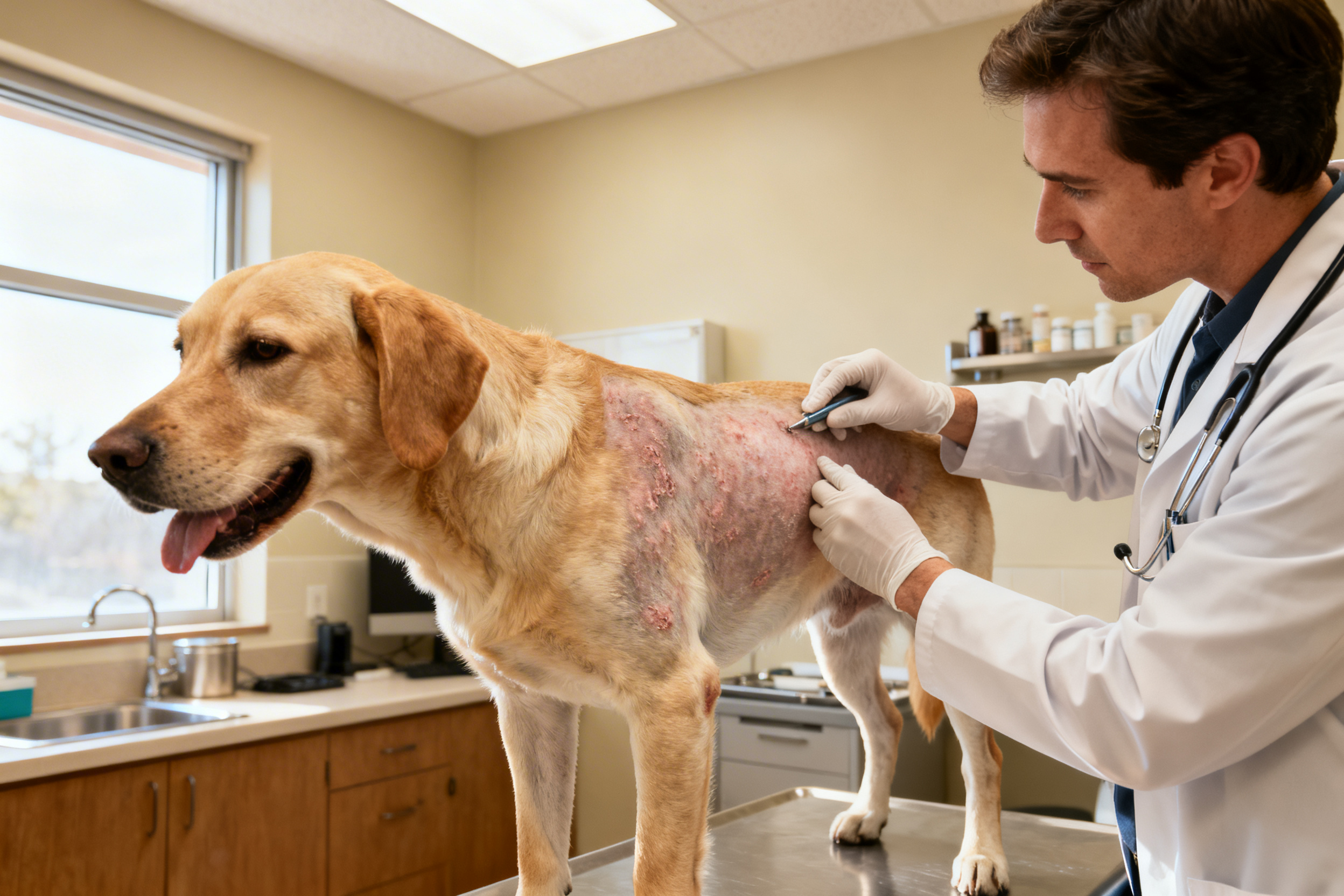
How to Treat a Dog’s Allergies: 2026 Complete Guide
Evidence-based solutions for itching, skin issues, and discomfort
As a dog parent, watching your pup suffer from constant itching, red skin, or digestive issues feels helpless. You’re not alone—canine allergies represent one of the most common reasons for veterinary visits, turning happy companions into uncomfortable, restless pets. Understanding how to treat a dog’s allergies effectively requires more than just temporary relief; it demands a comprehensive approach that addresses root causes while providing immediate comfort.
In this guide, we’ll explore evidence-based treatments ranging from veterinary interventions to natural remedies, helping you create a personalized care plan for your furry family member. Whether your dog battles seasonal pollen, food sensitivities, or flea allergies, you’ll discover practical strategies to restore their comfort and quality of life without breaking the bank.

The Science Behind Canine Allergic Reactions
Before diving into treatment options, understanding what happens inside your dog’s body helps explain why certain approaches work better than others. When a dog encounters an allergen—whether environmental, dietary, or parasitic—their immune system overreacts, releasing histamines and inflammatory compounds. This immune response manifests as common dog allergy symptoms including excessive scratching, ear infections, hot spots, and gastrointestinal distress.
Unlike humans who primarily experience respiratory symptoms (sneezing, watery eyes), dogs typically react through their skin. This atopic dermatitis creates a vicious cycle: itching leads to scratching, which breaks the skin barrier, allowing bacteria to enter and causing secondary infections that require additional treatment.
Recent veterinary research emphasizes that effective allergy management requires a multi-modal approach. Single-treatment solutions rarely provide complete relief because allergies involve complex immune system interactions. The most successful treatment plans combine immediate symptom relief with long-term immune system support.

Identifying Your Dog’s Specific Allergy Type
Determining what triggers your dog’s allergic reactions determines your treatment strategy. Most canine allergies fall into three categories, each requiring slightly different management approaches.
Environmental Allergies (Atopic Dermatitis)
These seasonal or year-round reactions to pollen, dust mites, mold, or grass represent the most common form of canine allergies. Dogs typically show symptoms between six months and three years of age, experiencing flare-ups during high pollen seasons or in specific environments.
Food Sensitivities
While less common than environmental allergies, adverse food reactions affect approximately 10-15% of dogs with skin issues. Common triggers include beef, chicken, dairy, wheat, and soy. Unlike true allergies, food sensitivities often cause gastrointestinal symptoms alongside skin issues.
Flea Allergy Dermatitis
Even a single flea bite can trigger intense itching in sensitive dogs. This hypersensitivity to flea saliva causes severe reactions disproportionate to the number of fleas present.
| Allergy Type | Primary Symptoms | Best Treatment Approach | Timeline for Relief |
|---|---|---|---|
| Environmental | Paw licking, belly redness, ear infections | Immunotherapy + antihistamines | 2-6 months |
| Food Sensitivity | Chronic diarrhea, vomiting, itchy skin | Hypoallergenic diet | 8-12 weeks |
| Flea Allergy | Tail base irritation, scabbing | Year-round flea prevention | 24-48 hours |
Veterinary Medical Treatments for Dog Allergies
When home remedies prove insufficient, veterinary intervention provides powerful relief options. Modern veterinary medicine offers several approaches depending on severity and frequency of flare-ups.
Step 1: Eliminate Secondary Infections
Your vet will first address bacterial or yeast infections resulting from persistent scratching. These require antibiotic or antifungal treatments before allergy management can succeed. Topical medicated shampoos containing chlorhexidine or miconazole help restore skin barrier function while treating infection.
Step 2: Anti-Inflammatory Medications
For acute flare-ups, corticosteroids like prednisone provide rapid relief by suppressing the immune response. However, long-term steroid use carries risks including increased thirst, weight gain, and immune suppression. Newer non-steroidal options like Apoquel (oclacitinib) offer targeted itch relief within hours without the side effects of steroids.
Step 3: Biological Therapies
Cytopoint represents a revolutionary injectable treatment that neutralizes the specific proteins causing itch signals. Administered by your veterinarian every 4-8 weeks, this monoclonal antibody therapy provides relief without suppressing the entire immune system, making it safe for long-term management.
Step 4: Allergen-Specific Immunotherapy
Similar to human allergy shots, veterinary immunotherapy involves exposing your dog to gradually increasing amounts of specific allergens. While this requires patience—taking 6-12 months to show full effects—it represents the only treatment that actually modifies the immune response rather than just masking symptoms.
Natural Remedies and Supplements for Allergy Relief
Many pet parents prefer integrating natural solutions alongside veterinary treatments to minimize medication dependency. Several evidence-backed supplements support skin health and modulate immune responses naturally.
Omega-3 Fatty Acids
High-quality fish oil supplements reduce inflammation at the cellular level. EPA and DHA omega-3s improve skin barrier function and reduce the intensity of allergic reactions. Look for supplements containing salmon oil or krill oil with at least 1000mg combined EPA/DHA per 30 pounds of body weight.
Probiotic Support
Emerging research highlights the gut-skin axis in canine health. Multi-strain probiotic supplements help balance the immune system and reduce inflammatory responses. A diverse probiotic blend supports the 70% of immune cells residing in the gastrointestinal tract.
Herbal Anti-Inflammatories
Natural compounds like turmeric (Curcuma longa) and licorice root provide gentle anti-inflammatory effects without the side effects of synthetic steroids. Curcumin, the active compound in turmeric, inhibits the same inflammatory pathways as many medications. Licorice root offers cortisol-like effects that soothe irritated skin and mucous membranes.
For comprehensive natural support, ROROCA Allergy Chews combine these evidence-backed ingredients into one convenient supplement. These chews feature a 6-strain Probiotic Blend for immune modulation, Salmon Oil rich in omega-3s for skin barrier support, Licorice Root Extract for natural cortisol-like soothing effects, Curcuma Longa Extract (Turmeric) for inflammation reduction, and Echinacea Extract to support overall immune function. This synergistic approach addresses multiple aspects of allergic responses while supporting your dog’s overall wellness.
Topical Relief Strategies
Regular bathing with hypoallergenic oatmeal shampoos removes allergens from the coat while soothing irritated skin. Weekly baths during high-allergy seasons significantly reduce environmental allergen exposure. Follow with gentle conditioning to prevent over-drying of the skin barrier.
Dietary Management and Elimination Trials
When food sensitivities contribute to allergic symptoms, dietary modification becomes essential. An elimination diet trial involves feeding a novel protein or hydrolyzed protein diet exclusively for 8-12 weeks—no treats, table scraps, or flavored medications.
Success requires strict adherence. Even small amounts of the triggering protein can restart the inflammatory process. Work with your veterinarian to select appropriate hypoallergenic diet recommendations based on your dog’s previous dietary history.
During the trial period, keep a detailed symptom journal tracking skin condition, scratching frequency, and gastrointestinal health. Improvement typically begins within 4-6 weeks, with maximum benefits visible by week 12.
Environmental Allergen Control Strategies
For dogs with environmental allergies, reducing exposure to triggers complements medical treatment. While you cannot eliminate pollen or dust entirely, several measures minimize contact.
Wipe your dog’s paws and coat with a damp cloth after outdoor excursions to remove pollen particles. Use HEPA air purifiers in your home, particularly in rooms where your dog spends the most time. Wash bedding weekly in hot water to eliminate dust mites, and consider hypoallergenic covers for your dog’s favorite sleeping spots.
Maintain rigorous flea prevention year-round, even for indoor dogs. The frustration of secondary skin infection prevention caused by flea allergies far outweighs the cost of monthly preventatives.
Frequently Asked Questions
Can I treat my dog’s allergies without going to the vet?
Mild, seasonal allergies sometimes respond to over-the-counter antihistamines and environmental management, but veterinary consultation remains essential for accurate diagnosis. Many skin conditions mimic allergies—mange, fungal infections, and hormonal imbalances require different treatments. Additionally, prescription medications like Apoquel or Cytopoint significantly outperform OTC options for moderate to severe cases.
How long does it take for allergy treatments to work?
Relief timelines vary by treatment type. Steroids and Cytopoint provide relief within 24 hours. Apoquel works within 4 hours. Natural supplements like omega-3s require 4-6 weeks to build up in the system. Immunotherapy takes 6-12 months for full effect but offers lasting benefits. Dietary trials need 8-12 weeks for definitive results.
Are natural supplements safe for dogs with severe allergies?
High-quality natural supplements generally complement veterinary treatments safely, but always inform your vet about all supplements being administered. Some herbs can interact with medications. Products like ROROCA Allergy Chews, formulated specifically for canine physiology with veterinary-grade ingredients, integrate well with most treatment protocols.
What’s the difference between Apoquel and Cytopoint?
Apoquel is an oral tablet given daily that blocks specific cytokines causing itch. Cytopoint is an injectable monoclonal antibody administered every 4-8 weeks that neutralizes the protein sending itch signals to the brain. Cytopoint works well for dogs difficult to pill, while Apoquel offers faster onset for acute flare-ups.
Can changing my dog’s diet cure allergies?
Dietary changes cure food allergies but do not resolve environmental allergies. However, hypoallergenic diet recommendations can reduce the overall allergic burden in dogs with multiple sensitivities. High-quality diets rich in omega-3s support skin health regardless of allergy type, potentially reducing medication needs.
Is it safe to give my dog Benadryl for itching?
Diphenhydramine (Benadryl) helps approximately 30% of dogs with mild allergies and is generally safe at 1mg per pound of body weight. However, many dogs develop tolerance, and sedative side effects limit usefulness. Never use combination products containing decongestants, and consult your vet before starting any medication regimen.
Creating Your Dog’s Allergy Action Plan
Learning how to treat a dog’s allergies requires patience, consistency, and often a combination of approaches. Start with veterinary diagnosis to rule out look-alike conditions, then build a comprehensive management strategy combining medical interventions, environmental controls, and nutritional support.
Remember that allergies represent a chronic condition rather than a one-time fix. The goal shifts from “cure” to “control,” keeping your dog comfortable and symptom-free through seasonal changes and dietary stability. Whether you choose prescription medications, natural solutions like ROROCA Allergy Chews, or a hybrid approach, the investment in your dog’s comfort pays dividends in tail wags and peaceful nights.
Consult your veterinarian today to develop a personalized treatment plan, and don’t hesitate to advocate for your pup’s comfort. With modern veterinary advances and quality natural supplements available in 2026, relief from allergic suffering has never been more achievable.
Leave a Reply