
Your cart is currently empty!

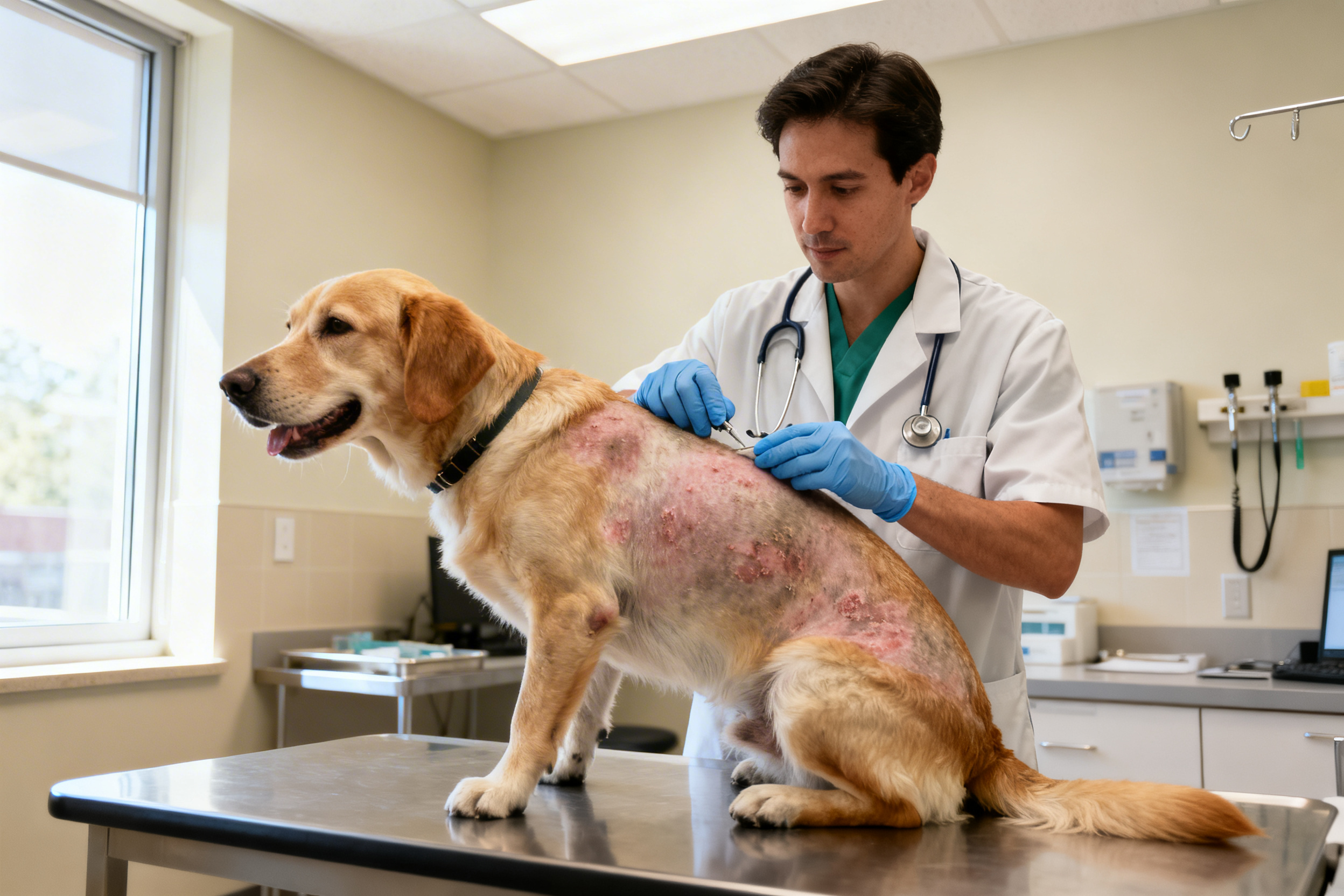
When Max, my three-year-old Golden Retriever, started keeping the entire household awake with his relentless scratching at 2 AM, I knew we needed answers. His paws were raw, his eyes were watery, and no amount of oatmeal baths seemed to help. If you’re wondering what allergy medicine can dogs take to finally give them relief, you’re not alone. Millions of pet parents face this frustrating challenge every year, watching their furry companions suffer from environmental triggers, food sensitivities, or seasonal irritants.
Finding the right allergy medication for your dog requires understanding which options are safe, effective, and appropriate for their specific symptoms. This comprehensive guide explores veterinary-approved antihistamines, prescription solutions, and natural alternatives that can help your pup stop itching and start living comfortably again.
What Allergy Medicine Can Dogs Take? Your Questions Answered
Before reaching for anything in your medicine cabinet, it’s crucial to understand that not all human allergy medications are safe for canine consumption. While some over-the-counter antihistamines can provide relief, others contain ingredients that are toxic to dogs or dosages that differ significantly from human requirements.
The short answer to what allergy medicine can dogs take includes specific antihistamines like diphenhydramine (Benadryl), cetirizine (Zyrtec), and loratadine (Claritin) when dosed correctly by weight. However, decongestant combinations containing pseudoephedrine must be avoided entirely, as they can cause dangerous cardiovascular effects in dogs.
Always consult your veterinarian before starting any new medication regimen, especially if your dog has pre-existing health conditions, is taking other medications, or is pregnant. Your vet can help determine whether environmental allergies, food sensitivities, or flea allergies are causing your dog’s symptoms through proper testing.

What Allergy Medicine Can Dogs Take Over the Counter?
Several over-the-counter antihistamines are considered safe for canine use when administered in veterinary-recommended dosages. These medications work by blocking histamine receptors in your dog’s body, reducing the itching, swelling, and irritation associated with allergic reactions.
Diphenhydramine (Benadryl)
Benadryl remains one of the most commonly recommended antihistamines for dogs experiencing mild to moderate allergy symptoms. The standard dosage is approximately one milligram per pound of body weight, given two to three times daily. While generally safe, some dogs may experience drowsiness or, paradoxically, hyperexcitability.
Benadryl works best for acute allergic reactions, insect bites, and mild seasonal allergies. However, it often proves less effective for chronic atopic dermatitis or severe environmental allergies that plague many dogs year-round.
Cetirizine (Zyrtec)
Cetirizine offers a non-drowsy alternative that many veterinarians recommend for dogs with signs your dog has allergies such as watery eyes and sneezing. The typical dosage ranges from 0.5 to 1 milligram per kilogram of body weight once daily. Unlike first-generation antihistamines, Zyrtec causes minimal sedation, making it ideal for active working dogs or pets who need to remain alert throughout the day.
Loratadine (Claritin)
Claritin provides another low-sedation option suitable for long-term allergy management in dogs. The standard dosage is approximately 0.2 milligrams per kilogram once daily. When selecting loratadine for your dog, ensure you choose the regular formulation without decongestants, as pseudoephedrine-containing products are dangerous for canine consumption.
| Medication | Dosage (per 10 lbs) | Frequency | Best For | Sedation Level |
|---|---|---|---|---|
| Benadryl (Diphenhydramine) | 10 mg | 2-3 times daily | Acute reactions, insect bites | Moderate to high |
| Zyrtec (Cetirizine) | 2.5-5 mg | Once daily | Seasonal allergies, watery eyes | Minimal |
| Claritin (Loratadine) | 2 mg | Once daily | Chronic environmental allergies | Low |

Prescription Allergy Medications for Dogs
When over-the-counter options fail to provide adequate relief, or when your dog suffers from moderate to severe atopic dermatitis, your veterinarian may recommend prescription-strength medications. These pharmaceutical options often provide more targeted relief for itch relief solutions for dogs suffering from chronic conditions.
Oclacitinib (Apoquel)
Apoquel works differently than antihistamines by specifically targeting cytokines involved in the itch and inflammation pathway. This medication typically begins working within four hours and provides effective relief for most dogs suffering from allergic dermatitis. Dogs usually receive 0.4 to 0.6 milligrams per kilogram twice daily for the first fourteen days, then once daily for maintenance.
While highly effective, Apoquel requires veterinary monitoring, as it can suppress immune function and may increase susceptibility to infections or exacerbate pre-existing cancers.
Lokivetmab (Cytopoint)
Cytopoint represents a biological therapy administered via injection that neutralizes interleukin-31, the primary cytokine responsible for sending itch signals to your dog’s brain. One injection typically provides four to eight weeks of relief, making it an excellent option for dogs who resist oral medications or pet parents who struggle with daily pill administration.
Corticosteroids
Prednisone and other corticosteroids remain powerful tools for managing severe allergic flare-ups, offering rapid reduction of inflammation and itching. However, long-term steroid use carries significant risks including increased thirst and urination, weight gain, immune suppression, and potential organ damage. Veterinarians typically reserve steroids for short-term crisis management while transitioning dogs to safer long-term solutions.
Natural Allergy Relief Options
For pet parents seeking alternatives to pharmaceuticals, or for dogs with mild symptoms requiring daily support, natural allergy supplements offer a gentle approach to immune system modulation. These options often work best as preventative measures or complementary therapies alongside traditional medications.
Omega-3 Fatty Acids
High-quality fish oil supplements containing EPA and DHA help reduce systemic inflammation and strengthen the skin barrier against environmental allergens. Salmon oil, in particular, provides bioavailable omega-3s that support skin health from within, often reducing the severity of allergic reactions over time.
Probiotic Support
Research increasingly shows connections between gut health and immune function in dogs. Multi-strain probiotic blends help balance the microbiome, potentially reducing overactive immune responses that manifest as skin allergies. Look for supplements containing diverse bacterial strains specifically formulated for canine digestive systems.
Herbal Remedies
Several botanical ingredients show promise for managing canine allergies naturally. Turmeric (Curcuma Longa) provides powerful anti-inflammatory compounds called curcuminoids. Licorice root extract offers cortisol-like effects that soothe irritated skin without the side effects of synthetic steroids. Echinacea extract supports immune modulation, helping the body respond appropriately to allergens rather than overreacting.
ROROCA Allergy Chews
For comprehensive natural support, many veterinarians recommend ROROCA Allergy Chews as part of a holistic allergy management plan. These veterinarian-formulated soft chews combine six essential probiotic strains with wild-caught salmon oil, standardized licorice root extract, organic Curcuma Longa extract (turmeric), and echinacea purpurea extract. This synergistic blend addresses allergies from multiple angles: supporting gut health to regulate immune response, reducing inflammation through omega-3 fatty acids and curcuminoids, and soothing irritated skin with adaptogenic herbs.
Unlike single-ingredient supplements, ROROCA Allergy Chews provide daily nutritional support that complements antihistamine therapy or serves as a standalone option for dogs with mild to moderate sensitivities. The palatable chicken flavor makes administration easy, even for picky eaters who resist pills.
Safety Guidelines for Canine Allergy Medications
Understanding environmental vs food allergies in dogs helps determine the appropriate medication strategy, but safety protocols remain universal regardless of allergy type.
Weight-Based Dosing Is Critical
Never estimate dosages when giving human medications to dogs. A tablet suitable for a 180-pound human could cause serious toxicity in a 20-pound terrier. Use a kitchen scale to verify your dog’s current weight, as even small fluctuations can affect dosing accuracy, particularly for smaller breeds.
Avoid Combination Products
Many human allergy medications contain additional ingredients dangerous to dogs. Pseudoephedrine and phenylephrine, common decongestants, can cause elevated heart rate, hypertension, and seizures in canines. Always select plain antihistamine formulations without pain relievers, decongestants, or alcohol.
Monitor for Adverse Reactions
When introducing any new allergy medication, start with the lowest effective dose and observe your dog closely for 24 hours. Signs of adverse reactions include vomiting, diarrhea, lethargy, loss of appetite, or behavioral changes. Discontinue immediately and contact your veterinarian if you notice these symptoms.
Drug Interactions
Antihistamines can interact with various medications including tranquilizers, sedatives, and MAO inhibitors. Always provide your veterinarian with a complete list of supplements, prescription medications, and over-the-counter products your dog currently takes before adding allergy medicine to their regimen.
Frequently Asked Questions
Can I give my dog human allergy medicine?
Yes, but only specific types and with veterinary guidance. Plain antihistamines like Benadryl, Zyrtec, and Claritin are generally safe for dogs when dosed correctly by weight. Never give your dog allergy medications containing decongestants (pseudoephedrine or phenylephrine), pain relievers (acetaminophen or ibuprofen), or alcohol-based liquid formulations, as these ingredients are toxic to canines.
What is the best antihistamine for dogs?
The “best” antihistamine depends on your dog’s specific symptoms and response to medication. Benadryl works quickly for acute reactions but causes drowsiness. Zyrtec provides non-drowsy relief for seasonal allergies. Claritin offers long-lasting support with minimal side effects. Many veterinarians recommend trying cetirizine first for chronic allergies, as it tends to have higher efficacy rates in dogs compared to diphenhydramine.
How much allergy medicine can dogs take?
Dosages vary significantly by medication and the dog’s weight. For Benadryl, the standard is 1 mg per pound of body weight every 8-12 hours. Zyrtec typically requires 0.5-1 mg per kilogram once daily. Claritin is usually dosed at 0.2 mg per kilogram daily. Always confirm exact dosages with your veterinarian, as individual health conditions may require adjustments.
Can puppies take allergy medicine?
Most antihistamines are not recommended for puppies under 12 weeks of age. For older puppies, veterinarians typically start with conservative doses and monitor closely. Never give allergy medication to pregnant or nursing dogs without explicit veterinary approval, as safety data for fetal development remains limited.
What are the side effects of allergy medicine in dogs?
Common side effects include drowsiness, dry mouth, and urinary retention. Less frequently, dogs may experience hyperexcitability, vomiting, or diarrhea. Rare but serious side effects include difficulty breathing, seizures, or severe lethargy. Discontinue medication and seek immediate veterinary care if your dog shows signs of an allergic reaction to the medication itself.
How long does it take for allergy medicine to work in dogs?
Antihistamines like Benadryl typically begin working within 30 minutes to an hour, with effects lasting 8-12 hours. Zyrtec and Claritin may take 1-2 hours to reach full effect but provide 24-hour relief. Prescription medications like Apoquel work within 4 hours, while Cytopoint injections begin relieving itching within 24 hours. Natural supplements usually require 4-6 weeks of consistent use before showing significant improvement.
Conclusion
Determining what allergy medicine can dogs take requires balancing immediate symptom relief with long-term health considerations. While over-the-counter antihistamines provide accessible options for mild cases, prescription medications and natural supplements like ROROCA Allergy Chews offer comprehensive solutions for chronic sufferers.
Remember that medication manages symptoms but doesn’t cure allergies. Combining pharmaceutical or natural treatments with environmental controls—such as hypoallergenic shampoos, air purifiers, and dietary modifications—provides the best outcomes for allergic dogs. Always work closely with your veterinarian to develop a personalized treatment plan that keeps your pup comfortable, healthy, and itch-free for years to come.
Leave a Reply