
Your cart is currently empty!

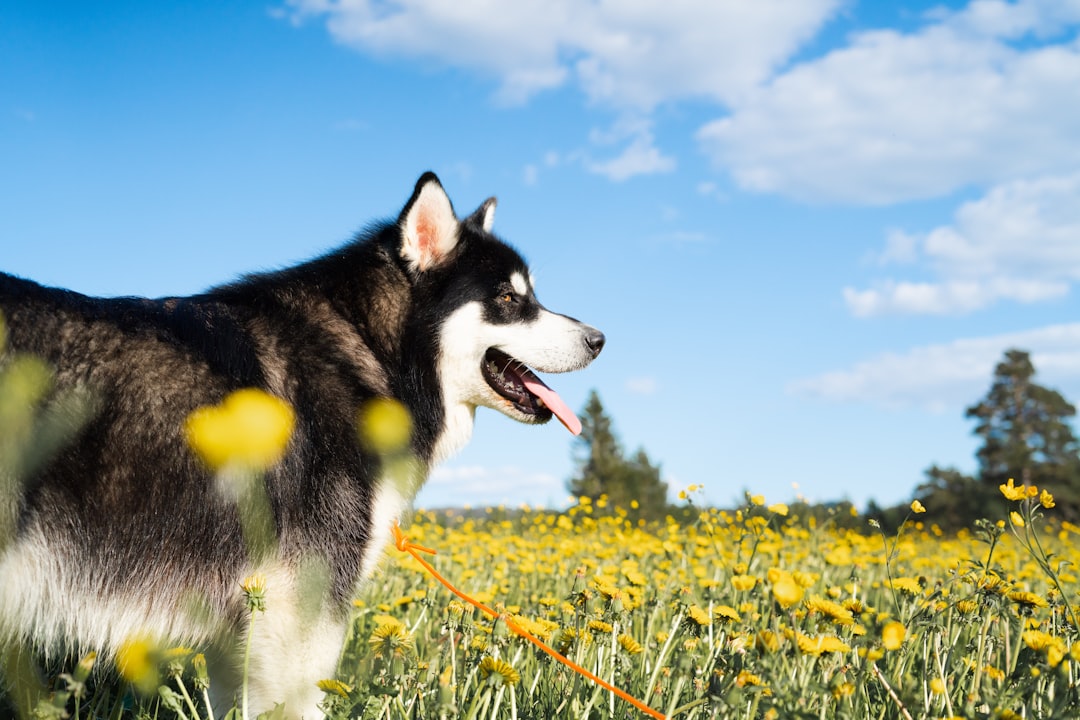
When Luna began scratching her ears raw at 2 AM for the third consecutive night, her owner Sarah realized they needed help. Like millions of pet parents searching for answers, she found herself asking the same desperate question: what can you give dogs for allergies that actually works without causing harm?
Canine allergies affect dogs of every breed and age, manifesting as relentless itching, red skin, ear infections, and digestive distress. Whether your pup suffers from seasonal pollen, food sensitivities, or environmental irritants, finding safe relief requires understanding both immediate solutions and long-term management strategies. This comprehensive guide explores veterinarian-approved medications, natural supplements, and dietary changes that provide real relief in 2026.
Understanding the Root Causes of Canine Allergies
Before determining what can you give dogs for allergies, identifying the trigger proves essential. Dogs experience three primary allergy categories: environmental allergens like pollen and dust mites, flea saliva reactions, and food sensitivities to proteins such as chicken or beef. Each type requires slightly different approaches, though many treatment strategies overlap effectively.
Environmental allergies, also called atopic dermatitis, typically present between six months and three years of age. Symptoms include paw licking, face rubbing, and recurrent ear infections. Food allergies, while less common, often cause gastrointestinal upset alongside skin irritation. Flea allergy dermatitis creates intense itching even from minimal bites, often concentrated at the tail base.
Understanding your dog’s specific allergic triggers through veterinary testing eliminates guesswork. While blood tests and intradermal skin testing help identify environmental triggers, elimination diets remain the gold standard for diagnosing food allergies. This foundational knowledge ensures you choose appropriate treatments rather than masking symptoms temporarily.
What Can You Give Dogs for Allergies? The Complete 2026 Breakdown
Modern veterinary medicine offers multiple pathways for allergy relief, ranging from over-the-counter antihistamines to cutting-edge biologic therapies. The right choice depends on severity, frequency, and your dog’s individual health profile.
Over-the-Counter Antihistamines
Many veterinarians recommend human antihistamines as first-line defenses for mild allergic reactions. Diphenhydramine (Benadryl), cetirizine (Zyrtec), and loratadine (Claritin) often reduce histamine responses that cause itching and swelling. However, dosing requires precision based on weight, and some formulas containing decongestants or artificial sweeteners prove toxic to dogs.
Always consult your veterinarian before administering human medications. While generally safe, antihistamines help only approximately thirty percent of dogs significantly, and effectiveness often diminishes with prolonged use. These work best for acute reactions rather than chronic management.
Prescription Medications
For moderate to severe allergies, veterinary prescriptions provide targeted relief. Apoquel (oclacitinib) blocks itch signals at their source, offering relief within four hours without the side effects associated with steroids. Cytopoint, an injectable monoclonal antibody, neutralizes the proteins triggering itch for four to eight weeks per dose.
Corticosteroids like prednisone remain effective for acute flare-ups but require cautious use due to potential long-term side effects including immune suppression and organ stress. Your veterinarian will weigh benefits against risks based on your dog’s age, health status, and allergy severity.
What Can You Give Dogs for Allergies Daily? Natural & Supplement Options
Beyond pharmaceuticals, many pet parents prefer natural approaches that support the immune system while minimizing chemical exposure. These options work particularly well for maintenance between flare-ups or as complements to prescription therapies.
Omega-3 Fatty Acids
High-quality fish oils rich in EPA and DHA reduce inflammation at the cellular level. Salmon oil, sardine oil, and krill oil decrease skin irritation while improving coat quality. Studies indicate that therapeutic doses require several weeks to show visible improvement, making patience essential when starting supplementation.
Probiotic Support
Since seventy percent of immune function resides in the gut, probiotics play crucial roles in allergy management. Multi-strain formulations help balance the microbiome, potentially reducing overactive immune responses that manifest as skin allergies. Look for supplements containing Lactobacillus and Bifidobacterium strains specifically researched for canine dermatological health.
Comprehensive Allergy Supplements
For pet parents seeking convenient, all-in-one solutions, ROROCA Allergy Chews combine multiple therapeutic ingredients into palatable daily treats. These veterinarian-formulated supplements feature a 6-strain Probiotic Blend supporting digestive and immune health alongside Salmon Oil for omega-3 fatty acids.
The formula also includes Licorice Root Extract, which provides natural cortisone-like effects without suppressing the immune system, and Curcuma Longa Extract (Turmeric) offering potent anti-inflammatory benefits. Echinacea Extract rounds out the blend by modulating immune responses rather than simply stimulating them. This synergistic approach addresses allergies from multiple physiological angles while supporting overall wellness.
Quercetin and Bromelain
Often called “nature’s Benadryl,” quercetin stabilizes mast cells to prevent histamine release. Combined with bromelain, a pineapple-derived enzyme enhancing absorption, this flavonoid reduces itching and inflammation naturally. These supplements work best when given on an empty stomach for maximum bioavailability.
Topical Treatments and Environmental Management
While internal treatments address systemic reactions, topical solutions provide immediate localized relief. Medicated shampoos containing chlorhexidine, ketoconazole, or oatmeal soothe irritated skin while removing allergens from the coat. Weekly bathing with hypoallergenic formulas reduces pollen and dust accumulation that triggers scratching.
Paw soaks using diluted apple cider vinegar or specialized wipes remove outdoor allergens before dogs track them indoors. For dogs with canine dermatitis treatments involving hot spots, topical sprays containing hydrocortisone or aloe vera prevent secondary infections while reducing inflammation.
Environmental control complements medicinal approaches. High-efficiency air purifiers reduce indoor pollen and dust mites, while washable pet bedding eliminates allergen accumulation. Regular vacuuming with HEPA filters and maintaining humidity below fifty percent discourages dust mite proliferation that exacerbates allergic reactions.
The Critical Role of Diet in Allergy Management
Nutritional interventions often determine long-term allergy success. Novel protein diets utilizing venison, duck, or kangaroo eliminate common trigger proteins while providing complete nutrition. Hydrolyzed protein prescription foods break down proteins into molecules too small to trigger immune responses, offering solutions for dogs with multiple food sensitivities.
Elimination diets require strict adherence for eight to twelve weeks, removing all potential allergens including treats, flavored medications, and dental chews. During this period, monitoring common dog allergy symptoms helps identify whether food contributes to skin issues. Many dogs experience significant improvement when removed from high-carbohydrate, processed diets that promote inflammation.
Fresh food diets incorporating whole ingredients sometimes reduce allergic responses compared to heavily processed kibble. However, any dietary transition should occur gradually over seven to ten days to prevent gastrointestinal upset. Consultation with a veterinary nutritionist ensures homemade or raw diets meet all nutritional requirements without introducing allergenic ingredients.
When to Seek Immediate Veterinary Care
While many allergies cause discomfort rather than danger, certain symptoms require urgent attention. Facial swelling, difficulty breathing, or widespread hives indicate anaphylaxis, a life-threatening emergency requiring immediate epinephrine administration. Similarly, open wounds from excessive scratching risk secondary bacterial or fungal infections needing antibiotic treatment.
Chronic ear infections, indicated by head shaking, odor, or discharge, can progress to hematomas or hearing loss without professional intervention. If over-the-counter remedies fail to provide relief within forty-eight hours, or if your dog shows signs of lethargy, appetite loss, or behavioral changes alongside allergic symptoms, schedule a veterinary examination promptly.
Your veterinarian may recommend allergy testing to create customized immunotherapy vaccines. These “allergy shots” or sublingual drops gradually desensitize your dog’s immune system to specific triggers, offering the only potential cure rather than mere symptom management. Though requiring six to twelve months for noticeable improvement, immunotherapy provides lasting relief for many atopic dogs.
Frequently Asked Questions
Can I give my dog Benadryl for allergies?
Yes, Benadryl (diphenhydramine) remains safe for most dogs when dosed correctly at one milligram per pound of body weight, given two to three times daily. However, never use combination products containing decongestants or alcohol. While effective for acute reactions like bee stings, Benadryl helps only a minority of dogs with chronic environmental allergies.
How long does it take for allergy supplements to work?
Natural supplements require patience, with most needing four to six weeks of consistent administration before visible improvement appears. Omega-3 fatty acids particularly require cumulative buildup in cellular membranes. Supplements like ROROCA Allergy Chews with probiotics may show digestive improvements within two weeks, while skin benefits typically manifest after one month of daily use.
What can you give dogs for allergies that won’t cause drowsiness?
Second-generation antihistamines like cetirizine (Zyrtec) and loratadine (Claritin) cause less sedation than diphenhydramine. Natural alternatives including quercetin and omega-3 supplements avoid drowsiness entirely. For prescription options, Apoquel and Cytopoint specifically target itch pathways without the sedative effects associated with steroids.
Are natural remedies safe for puppies?
Many natural supplements require caution for dogs under twelve months. Essential oils, certain herbs, and even some probiotics may overwhelm developing immune systems. Always consult your veterinarian before giving puppies any supplements, and avoid antihistamines in very young dogs unless specifically directed by a professional.
Can diet alone cure my dog’s allergies?
Dietary changes eliminate symptoms only for dogs with true food allergies, which comprise approximately ten to fifteen percent of allergic dogs. For environmental allergies, diet supports immune function but cannot eliminate triggers. However, hypoallergenic diet options often reduce overall inflammatory burden, making environmental allergies more manageable alongside other treatments.
When should I consider immunotherapy for my dog?
Consider allergen-specific immunotherapy when your dog experiences year-round symptoms lasting more than three months annually, or when other treatments provide insufficient relief. This long-term solution requires commitment to monthly injections or daily oral drops for at least one year, but offers the best chance for permanent desensitization rather than lifelong medication.
Conclusion
Determining what can you give dogs for allergies requires balancing immediate relief with long-term health management. From conventional antihistamines and prescription medications to natural supplements like ROROCA Allergy Chews containing probiotics, salmon oil, and botanical extracts, multiple pathways exist to help your pup find comfort.
Remember that allergies rarely resolve completely without identifying specific triggers. Working closely with your veterinarian to develop a comprehensive plan—including environmental controls, dietary optimization, and appropriate medications—provides the best outcome for your allergic dog. With patience and the right combination of treatments, your scratching, uncomfortable companion can return to the happy, active dog you love.
Start by documenting your dog’s symptoms, exploring elimination diets if food sensitivity seems likely, and consulting your veterinarian about whether natural supplements or prescription medications better suit your pet’s specific needs. Relief is possible, and your dog deserves to live itch-free.
Leave a Reply