
Your cart is currently empty!
What to Do for Dogs with Allergies: Complete Care Guide

·
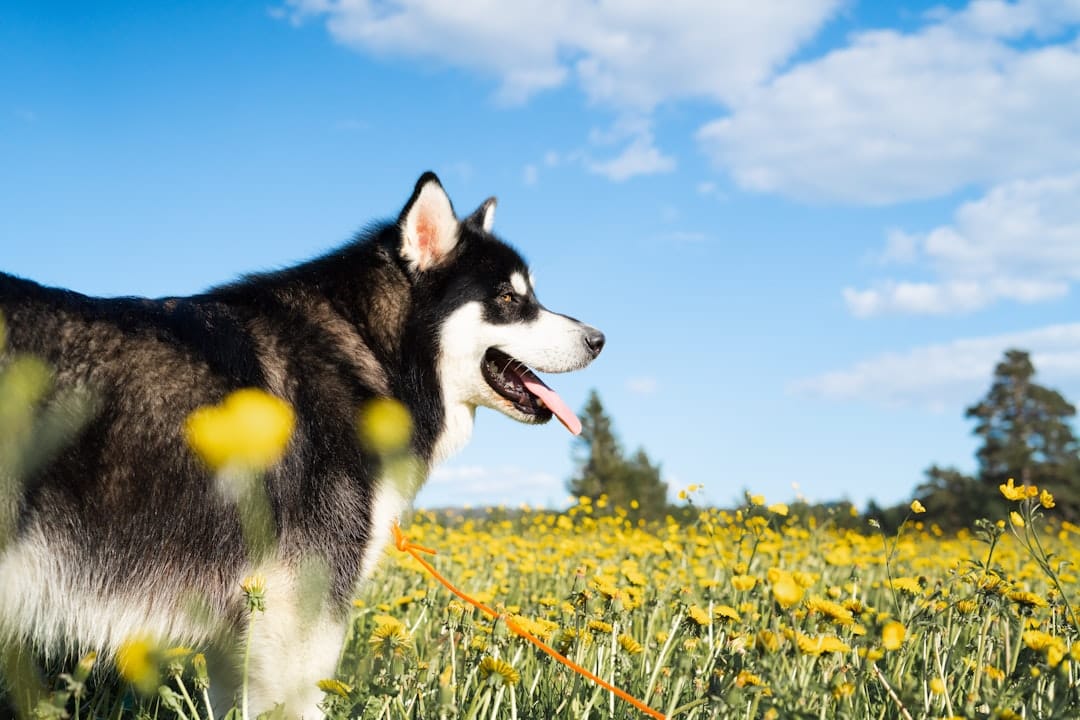
What to Do for Dogs with Allergies: A Complete Care Guide
Seeing your beloved dog scratch, lick, or chew at their skin constantly is heartbreaking for any pet owner. It disrupts their sleep, affects their mood, and can lead to serious skin infections if left untreated. If you are wondering what to do for dogs with allergies, you are not alone. Canine allergies are one of the most common health issues veterinarians address today.
This comprehensive guide will walk you through identifying symptoms, understanding triggers, and implementing effective relief strategies. We will explore immediate home care techniques, dietary adjustments, and natural supplements that support your dog’s immune system. Our goal is to provide you with actionable, expert-backed advice to help your pup feel comfortable again.
Throughout this article, we will also discuss how specific wellness products, such as ROROCA Allergy Relief Soft Chews, can play a role in a holistic management plan. Let’s dive into how you can restore your dog’s quality of life.
Identifying Common Dog Allergy Symptoms
Before determining what to do for dogs with allergies, you must confirm that allergies are the root cause. Many symptoms overlap with other conditions like parasites or hormonal imbalances. Observing your dog closely is the first step toward relief.
Physical Signs to Watch For
Allergies in dogs typically manifest through the skin. Unlike humans who sneeze or watery eyes, dogs often show dermatological signs. Common indicators include:
- Excessive Scratching: Persistent itching around the face, paws, or belly.
- Red or Inflamed Skin: Visible irritation, often called “hot spots.”
- Recurring Ear Infections: Shaking heads or scratching at ears frequently.
- Chewing Paws: Saliva stains on fur (often reddish-brown) indicate chronic licking.
- Hair Loss: Thinning coat due to constant grooming or scratching.
If you notice these signs, it is wise to consult your veterinarian to rule out fleas or mites. For more detailed information on identifying these issues, you can review our guide on common dog allergy symptoms to better understand what to look for during your daily checks.
Understanding Allergy Triggers in Dogs
Knowing what to do for dogs with allergies requires understanding what triggers them. Allergens fall into three main categories: environmental, food, and contact.
Environmental Allergens (Atopy)
Just like humans suffer from hay fever, dogs react to pollen, mold, dust mites, and grass. These allergens are airborne or contact the skin directly. Symptoms often worsen during specific seasons, such as spring or fall, when pollen counts are high.
Food Sensitivities
Food allergies develop over time as the immune system reacts to specific proteins. Common culprits include beef, dairy, chicken, and wheat. Elimination diets are often required to pinpoint the exact ingredient causing the reaction.
Contact Allergies
Less common but still prevalent, contact allergies occur when your dog touches something irritating. This could be laundry detergent on their bedding, certain shampoos, or even grass. Identifying the contact point helps you remove the irritant from their environment.
Immediate Home Care and Relief Strategies
While waiting for a vet appointment or long-term solutions to take effect, there are several steps you can take at home. Knowing what to do for dogs with allergies in the moment can provide significant comfort.
Regular Bathing and Wiping
Bathing your dog with a hypoallergenic, oatmeal-based shampoo can wash away allergens trapped in the fur. Aim for once a week during high-allergen seasons. Additionally, wiping your dog’s paws and coat with a damp cloth after walks removes pollen and dust before they enter your home.
Environmental Control
Reduce allergens in your living space by:
- Washing your dog’s bedding weekly in hot water.
- Using air purifiers to reduce airborne pollen and dust.
- Vacuuming frequently with a HEPA filter.
- Avoiding strong chemical cleaners or fragrances near your pet.
Preventing Secondary Infections
Constant scratching breaks the skin barrier, allowing bacteria and yeast to enter. Keep your dog’s nails trimmed to minimize damage from scratching. If you notice oozing sores or smell a yeasty odor, contact your vet immediately, as prescription medication may be needed.
Long-Term Solutions: Diet and Supplements
Managing allergies is often about strengthening the body’s defense systems rather than just treating symptoms. A robust immune system and healthy gut microbiome can reduce the severity of allergic reactions over time. This is where nutrition and targeted supplementation become crucial.
The Role of Gut Health
Research suggests a strong link between gut health and immune response. A balanced microbiome helps regulate inflammation. Incorporating a Probiotic Blend into your dog’s routine can support digestive health and immune function. Specifically, a 6-strain probiotic formulation offers diverse bacterial support to maintain gut balance.
Natural Anti-Inflammatory Ingredients
Certain natural ingredients are known for their soothing properties. When evaluating what to do for dogs with allergies, look for supplements containing:
- Salmon Oil: Rich in Omega-3 fatty acids, which help reduce skin inflammation and promote a shiny coat.
- Licorice Root Extract: Traditionally used to support respiratory health and soothe irritated tissues.
- Curcuma Longa Extract (Turmeric): A powerful natural anti-inflammatory that supports joint and skin health.
- Echinacea Extract: Often used to support the immune system’s natural defense mechanisms.
Introducing ROROCA Allergy Relief Soft Chews
For owners seeking a convenient way to deliver these benefits, ROROCA Allergy Relief Soft Chews are formulated to support dogs dealing with seasonal and environmental irritants. These soft chews combine the key ingredients mentioned above into a tasty treat your dog will love.
Each chew is designed to provide natural allergy relief without harsh chemicals. The inclusion of a 6-strain Probiotic Blend ensures gut support, while Salmon Oil and Curcuma Longa Extract (Turmeric) work together to combat inflammation. Additionally, Licorice Root Extract and Echinacea Extract provide extra soothing support.
With a 180-count value pack, ROROCA ensures you have enough supply for consistent daily use, which is essential for seeing long-term results. Consistency is key when managing allergies, and having a large supply helps maintain your dog’s routine without interruption. For more information on our wellness philosophy, visit our about page to learn how we prioritize pet health.
When to Consult a Veterinarian
While home care and supplements are effective for management, professional medical advice is irreplaceable. You should schedule a vet visit if:
- Your dog shows signs of severe distress or pain.
- Home remedies do not improve symptoms after two weeks.
- There is significant hair loss or open wounds.
- Your dog is lethargic or loses appetite.
Veterinarians can perform allergy testing to identify specific triggers and prescribe medication for acute flare-ups. Supplements like ROROCA can be used alongside veterinary treatment, but always inform your vet about any new supplements you introduce.
Frequently Asked Questions
What is the fastest way to relieve dog allergy itching?
The fastest relief often comes from removing the allergen. Wipe your dog’s coat with a damp cloth after outdoor exposure and use a cool oatmeal bath. For internal support, supplements with anti-inflammatory ingredients like turmeric and salmon oil can help reduce itching over time.
Can I give my dog human allergy medicine?
You should never give your dog human medication without explicit veterinary approval. Some human antihistamines are safe in specific doses, but others can be toxic. Always consult your vet before administering any human drugs.
How long does it take for allergy chews to work?
Natural supplements typically require consistent use to build up in the system. While some dogs show improvement within a week, others may take 4-6 weeks to exhibit significant changes. Consistency is vital for effective results.
Are food allergies common in dogs?
Yes, food allergies account for a significant portion of canine allergy cases. Common triggers include beef, dairy, and chicken. An elimination diet supervised by a vet is the best way to diagnose food sensitivities.
What ingredients should I look for in dog allergy supplements?
Look for natural anti-inflammatories and immune supporters. Key ingredients include Omega-3s (Salmon Oil), Probiotics for gut health, Turmeric (Curcuma Longa), Licorice Root, and Echinacea. These support the body’s natural ability to handle allergens.
Can allergies in dogs go away on their own?
Allergies are typically chronic conditions that require management rather than a one-time cure. While symptoms may fluctuate with seasons, ongoing care through diet, environment control, and supplements is usually necessary to keep your dog comfortable.
Conclusion
Knowing what to do for dogs with allergies empowers you to take control of your pet’s comfort and health. By identifying symptoms early, managing their environment, and supporting their immune system with proper nutrition, you can significantly reduce their suffering. Remember that consistency is key in allergy management.
Consider incorporating a high-quality supplement like ROROCA Allergy Relief Soft Chews into your dog’s daily routine. With powerful ingredients like the 6-strain Probiotic Blend, Salmon Oil, and Curcuma Longa Extract, these chews offer a natural way to support your dog’s wellness. The 180-count pack ensures you can maintain their regimen without running out.
Always partner with your veterinarian for severe cases, but know that you have tools to help your best friend feel like themselves again. For any further questions or support, feel free to contact us directly. Your dog’s comfort is our priority.
Leave a Reply