

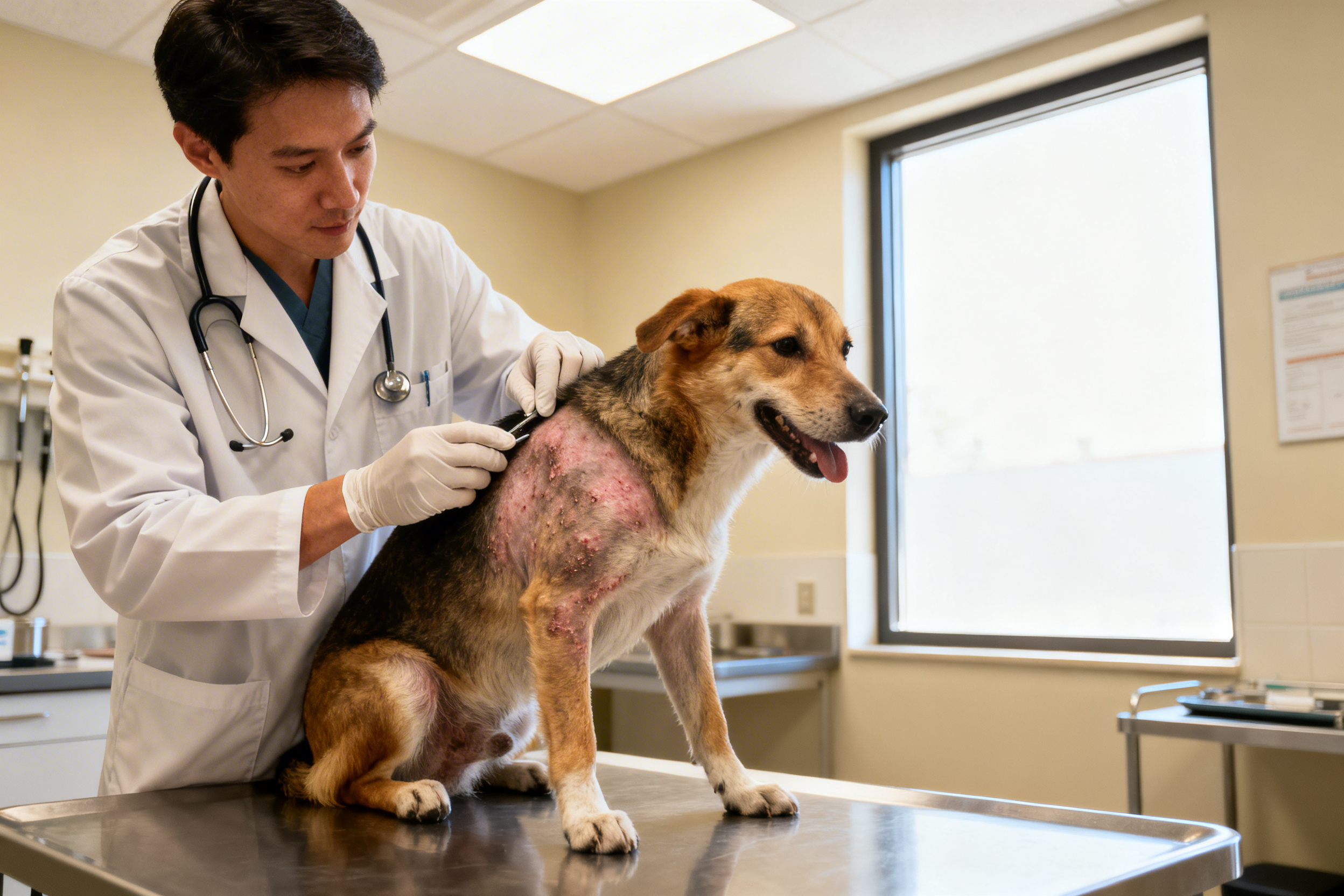
As a dog parent, watching your pup suffer relentless scratching, chronic ear infections, or digestive distress is heartbreaking. You’ve tried medicated shampoos, antihistamines, and countless vet visits—yet your furry companion continues to struggle with persistent discomfort. If you’re asking what is the best dog food for food allergies, you’re likely navigating the overwhelming world of limited ingredient diets, novel proteins, and hydrolyzed formulas.
Food allergies affect approximately 10% of all dogs and account for nearly 20% of all canine allergic skin conditions. Unlike environmental allergies, dietary triggers create a chronic inflammatory response that manifests through persistent itching, gastrointestinal upset, and secondary skin infections. The good news? With the right nutritional strategy, most dogs experience dramatic improvement within 8-12 weeks.
In this comprehensive guide, we’ll explore veterinarian-recommended approaches to identifying allergenic ingredients, selecting appropriate therapeutic diets, and supporting your dog’s immune system through targeted nutrition. Whether your dog suffers from chicken sensitivity, beef intolerance, or grain-related issues, understanding what is the best dog food for food allergies can transform your pet’s quality of life.
What Is the Best Dog Food for Food Allergies? The Veterinarian’s Perspective
Before diving into specific brands and formulations, let’s address the core question directly. The best dog food for food allergies isn’t a one-size-fits-all solution—it depends on your dog’s specific immune response and dietary history. However, veterinary dermatologists consistently recommend three primary approaches:
Limited Ingredient Diets (LIDs) containing a single protein source and minimal carbohydrates offer the simplest solution for many dogs. These formulas eliminate common triggers like beef, dairy, chicken, wheat, soy, and eggs, replacing them with less common proteins such as duck, venison, or salmon.
Novel Protein Diets introduce proteins your dog has never consumed, reducing the likelihood of an immune reaction. Options include kangaroo, alligator, rabbit, or even insect-based proteins like black soldier fly larvae.
Hydrolyzed Protein Diets represent the gold standard for severe cases. These prescription foods break proteins into molecules too small for the immune system to recognize as threats, effectively bypassing allergic reactions entirely.
Regardless of which category you choose, the key lies in strict adherence—no treats, table scraps, or flavored medications during the elimination trial period.

Understanding Canine Food Allergies vs. Intolerances
Many pet owners confuse food allergies with food intolerances, though they require different management strategies. True food allergies involve an immune system overreaction, typically to proteins, producing antibodies that trigger histamine release. This immunological response causes common dog allergy symptoms including pruritus (itching), hives, and gastrointestinal distress.
Food intolerances, conversely, represent digestive system difficulties processing specific ingredients without immune involvement. While both conditions cause discomfort, intolerances rarely produce skin reactions and typically manifest as gas, bloating, or loose stools.
The Most Common Canine Food Allergens
Research published in veterinary dermatology journals identifies several high-risk ingredients. Contrary to popular belief, grains cause fewer allergies than animal proteins. The most frequent offenders include:
- Beef: Found in approximately 34% of food allergy cases
- Dairy products: Including cheese, yogurt, and milk derivatives
- Chicken: Despite being labeled as “gentle,” chicken ranks among the top three allergens
- Wheat: Though less common than protein allergies
- Soy: Often hidden as vegetable protein or textured vegetable protein
- Eggs: Both yolk and white components can trigger reactions
- Lamb: Once considered hypoallergenic, now common enough to cause issues
Importantly, dogs can develop allergies to foods they’ve eaten for years without previous issues. This delayed sensitization occurs when the immune system gradually builds intolerance to repetitive protein exposure.

Limited Ingredient Diets: The Foundation of Allergy Management
When determining what is the best dog food for food allergies, limited ingredient diets (LIDs) offer an accessible starting point for mild to moderate cases. These formulations restrict recipes to one protein source and one carbohydrate source, dramatically reducing potential triggers.
Selecting Quality LID Formulas
Not all limited ingredient foods meet therapeutic standards. When evaluating best hypoallergenic dog food brands, examine the ingredient list carefully. True LIDs should feature:
A named meat meal or whole meat as the first ingredient, avoiding vague descriptors like “meat meal” or “poultry by-products” that could hide multiple protein sources. The carbohydrate source should be novel or highly digestible—sweet potato, peas, or tapioca rather than corn or wheat.
Avoid foods containing “natural flavoring” or “broth,” as these ambiguous terms often mask hydrolyzed chicken or beef proteins. Similarly, cross-contamination during manufacturing can undermine LID effectiveness, so look for brands with dedicated allergy-friendly production lines.
Recommended Protein Rotations
If your dog currently eats chicken-based kibble, transition to proteins they’ve never encountered. Effective rotations might include:
Fish-based formulas utilizing salmon, whitefish, or herring provide omega-3 fatty acids that reduce inflammation while offering novel proteins. However, ensure the formula contains fish as the sole protein—many “salmon” foods supplement with chicken fat or meal.
Game meats such as venison, bison, or wild boar offer biologically appropriate proteins rarely found in commercial dog foods. These options typically work well for dogs with multiple established allergies.
Poultry alternatives like duck, turkey, or quail suit dogs allergic to chicken but tolerate other bird proteins. Note that cross-reactivity between chicken and turkey occurs in approximately 20% of allergic dogs.
Novel and Hydrolyzed Protein Therapeutic Diets
For dogs with extensive allergy profiles or those failing to respond to LIDs, veterinary prescription diets offer advanced solutions. These therapeutic foods require veterinarian approval and monitoring but provide the highest success rates for severe food allergies.
Hydrolyzed Protein Science
Hydrolyzation breaks protein molecules into peptides and amino acids through enzymatic processing. The resulting fragments measure less than 10 kilodaltons—too small for immune system recognition. Major veterinary manufacturers like Royal Canin, Hill’s, and Purina Pro Plan offer hydrolyzed options where the protein source becomes immunologically invisible.
These diets prove particularly valuable for dogs with multiple protein allergies or those undergoing elimination diet for dogs protocols. While expensive—often costing $4-8 per pound—they eliminate guesswork regarding ingredient safety.
Exotic Novel Proteins
When hydrolyzed foods prove cost-prohibitive, exotic novel proteins present viable alternatives. Kangaroo-based diets remain popular in Australia and increasingly available in North America, offering a protein source virtually guaranteed to be novel for American dogs.
Insect protein, specifically black soldier fly larvae, represents the frontier of hypoallergenic nutrition. These sustainable proteins demonstrate low allergenic potential while providing complete amino acid profiles. Early studies suggest insect protein may reduce inflammatory markers in allergic dogs compared to traditional meats.
Alligator and rabbit proteins also feature in prescription and premium over-the-counter foods, though availability varies by region. When selecting exotic proteins, verify that the formula doesn’t include common allergen fillers like chicken fat or beef broth.
Homemade and Raw Diet Considerations
Some pet parents explore homemade diets when commercial options fail. While home-cooking allows complete ingredient control, it introduces nutritional adequacy challenges requiring veterinary nutritionist consultation.
Balanced homemade elimination diets typically feature a single novel protein (often turkey, rabbit, or fish) combined with a single carbohydrate (sweet potato or pumpkin). However, without proper supplementation, these diets frequently lack essential fatty acids, vitamins, and minerals necessary for long-term health.
Raw feeding proponents argue that uncooked proteins maintain natural enzymes that support digestion. While anecdotal reports suggest benefits for some allergic dogs, raw diets carry bacterial contamination risks and may not provide the consistency necessary for accurate elimination trials. If pursuing raw feeding for allergies, select commercial frozen raw foods with novel proteins rather than DIY formulations to ensure pathogen testing and nutritional balance.
Regardless of preparation method, homemade diets require 12-week minimum trials without any other food sources—including dental chews, peanut butter pills, or flavored supplements—to accurately assess efficacy.
Supporting Immune Health Beyond Diet Changes
While identifying what is the best dog food for food allergies addresses the trigger, healing your dog’s compromised immune system requires additional support. Food allergies often correlate with leaky gut syndrome, where intestinal permeability allows undigested proteins to enter the bloodstream, perpetuating immune dysfunction.
Integrating high-quality probiotic supplements helps restore healthy gut flora, reducing inflammation and improving nutrient absorption. Look for multi-strain formulations containing Lactobacillus and Bifidobacterium species specifically studied for canine immune modulation.
Omega-3 fatty acids from marine sources provide anti-inflammatory benefits that complement dietary changes. EPA and DHA reduce cytokine production, potentially decreasing the severity of allergic reactions while supporting skin barrier function.
For comprehensive immune support alongside dietary management, many veterinarians recommend ROROCA Allergy Chews. These veterinarian-formulated supplements combine a 6-strain Probiotic Blend with Salmon Oil to support gut integrity and reduce systemic inflammation. The addition of Licorice Root Extract provides natural cortisol-like effects that soothe irritated skin without pharmaceutical side effects, while Curcuma Longa Extract (Turmeric) and Echinacea Extract offer powerful antioxidant and immune-modulating properties. When paired with appropriate hypoallergenic food, these chews help address both the dietary triggers and the immune overreaction underlying chronic allergies.
The 12-Week Elimination Diet Protocol
Switching to allergy-friendly food requires patience and precision. Abrupt changes often cause gastrointestinal upset that mimics allergy symptoms, complicating diagnosis.
Begin with a seven-day transition: mix 25% new food with 75% old food for two days, then equal portions for three days, followed by 75% new food for two days before complete transition. During this period, monitor for vomiting or diarrhea that might indicate food sensitivity rather than simple digestive adjustment.
Once fully transitioned, maintain strict exclusivity for 8-12 weeks. This duration allows existing antibodies to diminish and skin cells to turnover completely. Any deviation—a single treat, flavored heartworm medication, or stolen table scrap—restarts the clock and invalidates the trial.
Keep a daily symptom journal tracking itching frequency, ear redness, stool quality, and energy levels. Improvement often appears gradually, with reduced scratching typically noticeable around week four, followed by skin healing and coat quality improvements by week eight.
If symptoms resolve during the trial, reintroduce original ingredients one at a time to identify specific triggers. Add one previous food item weekly, monitoring for 48-72 hours for reaction recurrence. This challenge phase definitively identifies allergens, allowing you to avoid them permanently while potentially expanding dietary variety with safe alternatives.
Frequently Asked Questions
How do I know if my dog needs hypoallergenic food rather than regular kibble?
Dogs requiring hypoallergenic food typically display chronic symptoms unresponsive to other treatments: year-round itching (not seasonal), recurrent ear infections (more than 2-3 annually), or persistent gastrointestinal issues like loose stools or vomiting. If your dog scratches constantly but flea treatments and environmental allergy medications provide minimal relief, food allergies likely contribute to their discomfort.
What ingredients should I absolutely avoid in dog food for allergies?
Avoid foods listing “meat meal,” “animal digest,” or “by-products” without specifying the source—these often contain mixed proteins including common allergens. Also eliminate foods with artificial colors, flavors, or preservatives like BHA, BHT, and ethoxyquin, which can exacerbate inflammatory responses. If your dog has diagnosed grain allergies, avoid corn, wheat, and soy, though true grain allergies affect fewer dogs than protein allergies.
Is grain-free food automatically better for dogs with food allergies?
No. Grain-free foods substitute grains with legumes like peas, lentils, or potatoes, which don’t address protein allergies—the most common dietary trigger. Additionally, recent FDA investigations suggest potential links between grain-free diets and dilated cardiomyopathy (DCM) in certain breeds. Unless your dog has specifically diagnosed grain sensitivity, focus on novel or hydrolyzed proteins rather than simply removing grains.
How long does it take to see improvement after switching to allergy-friendly food?
Most dogs show initial improvement in itching and digestive symptoms within 4-6 weeks, but complete skin healing and coat regeneration requires 8-12 weeks. This timeline reflects the immune system’s antibody clearance and the skin’s natural renewal cycle. If you see no improvement after 12 strict weeks, consult your veterinarian—your dog may have environmental allergies, food intolerances requiring different management, or secondary skin infections needing antibiotic treatment.
Can I make allergy-friendly dog food at home instead of buying commercial brands?
Yes, but homemade diets require veterinary nutritionist formulation to prevent nutritional deficiencies. Simple temporary elimination diets might combine one novel protein (rabbit, turkey, or fish) with one carbohydrate (sweet potato or pumpkin) for the 12-week trial. However, long-term homemade feeding necessitates calcium, vitamin, and mineral supplementation. Never feed homemade diets to puppies, pregnant dogs, or seniors without professional guidance, as their nutritional requirements are precise and unforgiving.
What’s the difference between a food allergy and food intolerance in dogs?
Food allergies involve the immune system producing antibodies against specific proteins, causing skin reactions (itching, hives, ear infections) and sometimes digestive issues. Food intolerances are digestive system malfunctions without immune involvement, producing gas, bloating, or diarrhea but not skin symptoms. Allergies require strict avoidance of triggers, while intolerances might allow small amounts of the problematic ingredient or digestive enzyme supplementation.
Conclusion: Finding Relief Through Nutritional Precision
Determining what is the best dog food for food allergies requires patience, veterinary partnership, and meticulous attention to ingredients. Whether you choose limited ingredient diets, hydrolyzed prescription foods, or carefully formulated homemade meals, success depends on eliminating triggers completely while supporting your dog’s immune recovery.
Remember that food allergies are manageable conditions, not life sentences. With the right protein selection, strict elimination protocols, and immune-supporting supplements like ROROCA Allergy Chews, most allergic dogs achieve significant symptom reduction and improved quality of life. The journey through ingredient lists and dietary trials may feel overwhelming, but watching your dog finally sleep through the night without scratching makes every careful meal preparation worthwhile.
Before beginning any elimination diet, consult your veterinarian to rule out other conditions like mange, fungal infections, or environmental allergies that may mimic food sensitivity. With professional guidance and the nutritional strategies outlined above, you can help your allergic dog thrive.