

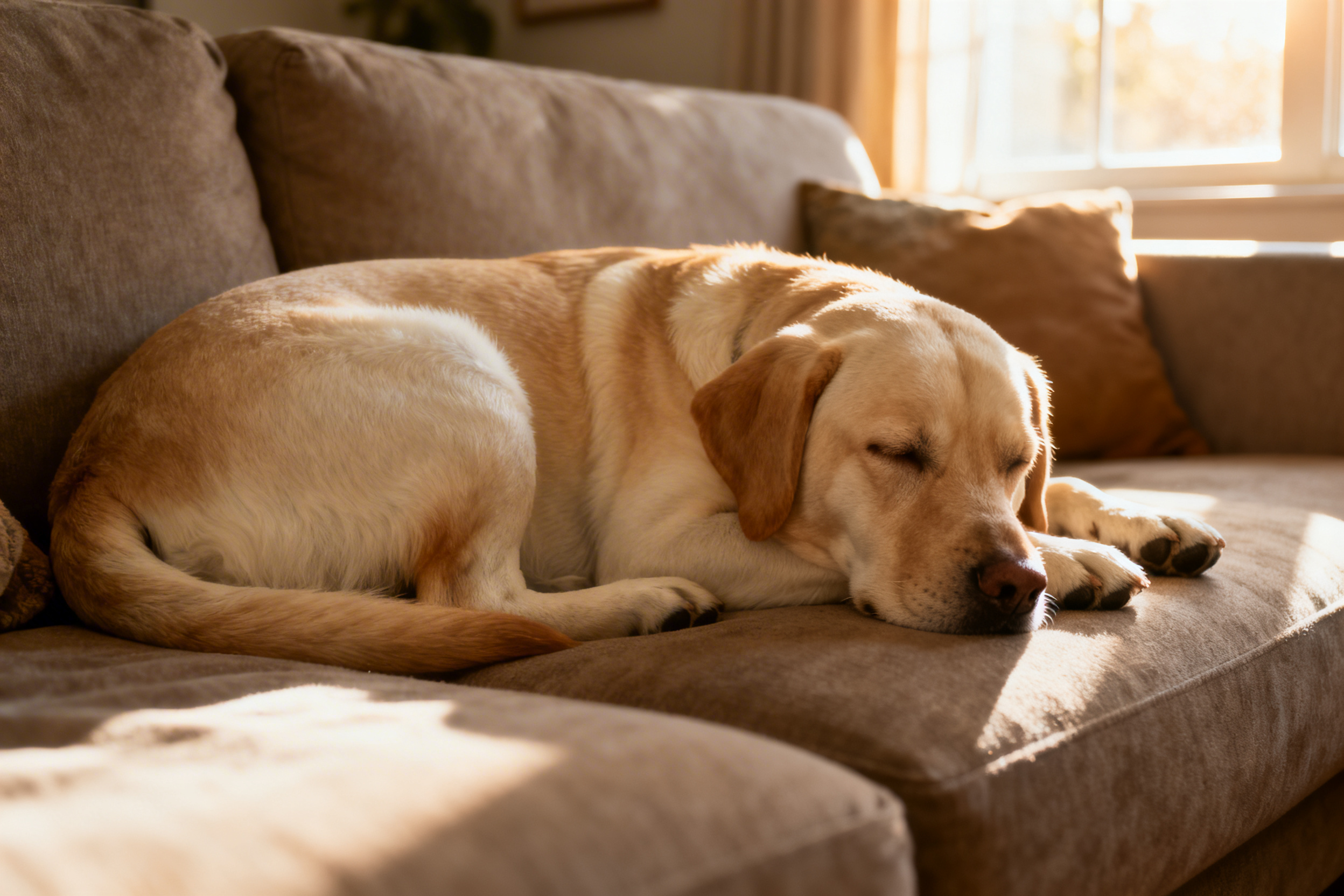
How Can I Calm My Dog Down? Expert Techniques That Actually Work (2026)
Published: January 2026 | Reading Time: 10 minutes
When Max started pacing the living room at 2 AM for the third night in a row, Sarah realized she needed answers fast. Like millions of pet parents searching “how can i calm my dog down” at desperate hours, she found herself torn between worry and exhaustion. Whether triggered by thunderstorms, separation anxiety, or underlying health issues, canine restlessness affects nearly 70% of dogs at some point in their lives.
Calming an anxious or hyperactive dog requires more than just patience—it demands understanding the root causes and applying evidence-based techniques tailored to your dog’s specific needs. In this comprehensive guide, we’ll explore immediate interventions for acute episodes, long-term behavioral strategies, and often-overlooked health factors that could be keeping your pup from finding their zen. By the end, you’ll have a complete toolkit for transforming chaos into calm, plus insights into when professional intervention becomes necessary.

Understanding Canine Anxiety: Why Your Dog Can’t Settle
Before asking “how can i calm my dog down,” it’s crucial to recognize what’s actually causing the unrest. Dogs experience stress through multiple pathways—environmental, emotional, and physiological. Common triggers include loud noises (fireworks, thunderstorms), changes in routine, unfamiliar guests, or underlying medical conditions.
Physiologically, anxiety manifests through elevated cortisol levels and adrenaline spikes. When a dog enters this state, their prefrontal cortex—responsible for decision-making and impulse control—effectively shuts down, making rational calming difficult until the chemical cascade subsides. This biological reality means that simply telling your dog to “calm down” is ineffective; you must address the physiological state first.
Recognizing the Signs of Distress
Not all anxiety looks like obvious panic. Subtle indicators include excessive lip licking, yawning when not tired, whale eye (showing whites of eyes), and lowered or pinned-back ears. Some dogs exhibit displacement behaviors like scratching excessively or dog allergy symptoms causing restlessness that actually stem from anxiety rather than skin conditions. Understanding these signals allows for earlier intervention before full-blown panic sets in.
Immediate Interventions: How Can I Calm My Dog Down Right Now?
When your dog is in the middle of a panic attack or hyperactive episode, you need techniques that work within minutes. These methods focus on physiological regulation through sensory input and environmental modification.
The Pressure Point Protocol
Deep pressure therapy (DPT) works by activating the parasympathetic nervous system—the body’s “rest and digest” mode. Firm, consistent pressure on specific points can trigger the release of oxytocin and serotonin. Wrap your arms around your dog (if safe) or use a properly fitted anxiety wrap, applying gentle pressure to the chest and sides. Maintain this contact for at least five minutes while breathing slowly yourself; dogs naturally synchronize their heart rates with their owners.
Environmental Anchoring
Create a “decompression zone” using sensory deprivation principles. Move your dog to an interior room away from windows, play brown noise (deeper than white noise, mimicking womb sounds), and reduce lighting by 50-60%. Temperature matters too—slightly cooler environments (65-68°F) help lower metabolic rates associated with anxiety. Remove stimulating toys and instead offer a frozen Kong filled with calming ingredients like pumpkin or Greek yogurt.
The 3-3-3 Grounding Technique
This cognitive behavioral approach adapted for dogs involves three sensory channels: scent, sight, and touch. First, present three distinct scents (lavender, chamomile, or even your worn shirt) for three seconds each. Then guide your dog to identify three visible objects in the room. Finally, provide three different tactile experiences (smooth floor, textured mat, your hand). This interrupts anxiety spirals by forcing the brain to process external stimuli rather than internal panic.
Long-Term Behavioral Strategies for Lasting Calm
While immediate techniques manage crises, sustainable calm requires restructuring your dog’s relationship with stressors. These approaches require consistency but yield permanent behavioral changes.
Counter-Conditioning Protocols
Systematic desensitization involves exposing your dog to anxiety triggers at sub-threshold levels—intensity low enough that your dog notices but doesn’t react. For noise phobias, this means playing thunderstorm recordings at 10% volume while engaging in high-value activities. Gradually increase volume over weeks, never proceeding faster than your dog’s comfort allows. Pair each exposure with positive associations: special treats, play, or affection.
Physical Exercise as Anxiety Prevention
Mental stimulation often proves more effective than physical exhaustion for natural dog calming methods. Snuffle mats, puzzle feeders, and scent work tap into innate foraging instincts, providing the “job” that many anxious dogs crave. Twenty minutes of nose work can tire a dog more effectively than an hour of fetch while building confidence and reducing baseline anxiety levels.
Routine Architecture
Dogs thrive on predictability. Implementing a strict daily schedule for meals, walks, and quiet time helps regulate circadian rhythms and cortisol patterns. The key is consistency—even on weekends, maintain wake times and feeding schedules within 30-minute windows. This predictability removes the anticipatory anxiety of “what happens next?”
Addressing Underlying Health Issues
Sometimes behavioral interventions fail because the root cause is physiological. Allergies, thyroid imbalances, and chronic pain frequently present as restlessness or anxiety. If you’re wondering “how can i calm my dog down” and standard techniques aren’t working, a veterinary examination should be your next step.
The Allergy-Anxiety Connection
Environmental and food allergies cause constant physical discomfort that manifests as behavioral issues. Dogs experiencing itchy skin, ear infections, or gastrointestinal upset from allergies often pace, scratch compulsively, or exhibit sleep disturbances that look like anxiety. The inflammatory response triggered by allergies also affects neurotransmitter production, potentially exacerbating anxious behaviors.
Addressing allergic reactions can dramatically improve your dog’s ability to settle. Many pet parents report that once they eliminate the physical irritation driving their dog’s restlessness, behavioral calming techniques become significantly more effective. Consider incorporating allergy-supporting supplements that reduce systemic inflammation and support immune balance.
For dogs with allergy-related restlessness, ROROCA Allergy Chews offer a comprehensive approach to underlying physical triggers. These veterinarian-formulated soft chews combine a 6-strain Probiotic Blend to support gut health (where 70% of immune function resides), Salmon Oil rich in omega-3 fatty acids to reduce skin inflammation, and botanical adaptogens including Licorice Root Extract and Curcuma Longa Extract (Turmeric) for their natural anti-inflammatory properties. The addition of Echinacea Extract supports immune modulation, helping prevent the histamine responses that keep dogs awake and uncomfortable. By addressing the physical irritation preventing rest, these chews create the biological foundation necessary for behavioral calming techniques to succeed.
Pain Assessment Protocols
Arthritis, dental disease, and soft tissue injuries frequently cause nighttime restlessness. Dogs hide pain instinctively, but subtle signs include shifting positions frequently, reluctance to jump on furniture, or panting while at rest. A thorough veterinary exam including blood work and imaging can reveal hidden discomfort masquerading as anxiety.
When to Seek Professional Help
While most anxiety responds to home management, certain scenarios require professional intervention. If your dog shows aggression during episodes, self-harms through excessive licking or scratching, or remains uncontrollable despite consistent training, consult a veterinary behaviorist. These specialists can prescribe medications like trazodone or fluoxetine for severe cases, often on a short-term basis while behavioral modification takes effect.
Certified dog trainers specializing in fear-free methods can provide structured desensitization protocols beyond what typical pet parents can implement alone. Look for credentials from the Certification Council for Professional Dog Trainers (CCPDT) or Karen Pryor Academy to ensure evidence-based approaches.
Creating a Calm Home Environment
Environmental enrichment plays a crucial role in baseline anxiety levels. Consider pheromone diffusers (Adaptil or Feliway analogs) that release synthetic calming pheromones. These plug into wall outlets and create an invisible blanket of security, particularly effective for multi-dog households or apartments with thin walls.
Lighting spectrum matters too. Blue light (from screens and LED bulbs) suppresses melatonin production. Switch to amber or red bulbs in evening hours, or use smart bulbs programmed to shift to warmer tones after sunset. This mimics natural daylight cycles and supports healthy sleep hormone production.

Frequently Asked Questions
How can I calm my dog down during fireworks without medication?
Create a soundproofed safe room using closet spaces or bathrooms without windows. Play brown noise at volumes loud enough to mask exterior sounds. Apply gentle pressure through anxiety wraps or thunder shirts, and remain calm yourself—dogs mirror their owners’ emotional states. Start desensitization training months before firework seasons using recorded sounds.
Why does my dog calm down when I pet him, then get excited again?
This typically indicates you’re inadvertently reinforcing the excited state. When petting a calm dog, use slow, long strokes rather than vigorous scratching. If your dog gets excited during petting, immediately stop and withdraw attention. Resume only when they return to a calm state, teaching them that relaxation maintains your engagement while excitement ends it.
Can diet affect my dog’s anxiety levels?
Absolutely. High-carbohydrate diets cause blood sugar spikes and crashes that mimic anxiety symptoms. Foods containing artificial colors, preservatives, and low-quality proteins can trigger inflammatory responses affecting brain chemistry. Consider switching to high-protein, low-glycemic diets, and eliminate potential allergens that may cause physical discomfort driving restlessness.
Is it possible to completely eliminate anxiety in dogs?
While most dogs can achieve significant improvement, some genetic predispositions or trauma histories may require lifelong management rather than cure. The goal shifts from elimination to management—teaching coping mechanisms that allow your dog to self-regulate. With consistent training and appropriate medical support when needed, anxious dogs can lead happy, high-quality lives.
How long should calming techniques take to work?
Immediate physiological interventions like pressure therapy should show results within 10-15 minutes. However, behavioral modification for chronic anxiety requires 6-8 weeks of consistent application before permanent neural pathway changes occur. Don’t abandon techniques prematurely; dogs need repetition to form new habitual responses to stressors.
Can allergies really cause anxiety-like symptoms in dogs?
Yes. Chronic itching, ear discomfort, and digestive upset from allergies create a state of constant physical irritation that prevents relaxation. Additionally, the histamine release and inflammatory cytokines associated with allergic responses can directly affect neurotransmitter balance. Many dogs diagnosed with anxiety actually suffer from undiagnosed allergies. Addressing the allergic component often resolves the behavioral symptoms without additional anxiety medications.
Final Thoughts: Patience and Persistence Pay Off
Learning how can i calm my dog down is a journey of understanding your unique pet’s needs. While immediate techniques provide relief during crises, lasting calm emerges from addressing underlying health issues—like allergies that may be causing physical discomfort—and consistent behavioral training. Remember that anxiety isn’t disobedience; it’s a genuine emotional state requiring empathy and systematic intervention.
Start by ruling out medical causes, implement environmental modifications, and remain consistent with desensitization protocols. For dogs struggling with allergy-related restlessness, supporting their immune system and reducing inflammation creates the physical comfort necessary for mental calm. Consider integrating ROROCA Allergy Chews into your wellness routine to address potential allergic triggers while you work on behavioral modifications.
With time, patience, and the right combination of techniques, even the most anxious dog can learn to navigate the world with confidence. Your calm presence remains the most powerful tool in your dog’s anxiety management toolkit—breathe deeply, move slowly, and trust the process.